Mahalingapuram Ayyappan Temple
About Mahalingapuram Ayyappan Temple
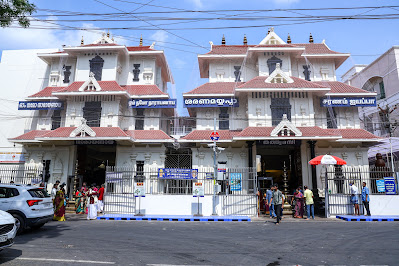
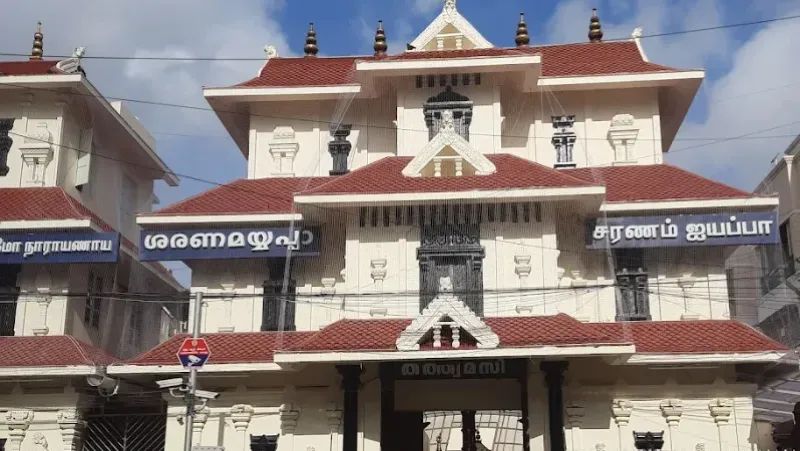
The temple is constructed in Kerala architectural style, a deliberate choice that connects this Chennai sanctuary to the spiritual geography of Kerala, where Ayyappa worship holds particular significance. Within the sanctum, the deity appears in a seated posture upon the Srichakra, displaying the chinmuthra gesture, and stands approximately two feet in height. The Kerala architectural vocabulary—evident in the temple's design and layout—creates a visual and spatial continuity with the tradition's heartland, allowing devotees to experience something of that regional spiritual identity even while worshipping in Tamil Nadu.
Daily Worship and Rituals
The temple maintains two daily darshan periods: morning from 4:00 to 11:00 and evening from 5:00 to 20:30. Throughout these hours, several ritual observances structure the day. Suprabhatam (dawn invocation) begins the morning worship, followed by morning Deeparadhana (lamp offering). Uchikalam, the noon pooja, marks the midday ritual. The evening brings another Deeparadhana, and the day concludes with Athazha Pooja and Sreebali. Visitors should expect darshan wait times of 30 minutes to an hour during peak seasons. Early morning or late evening visits offer a quieter experience for those seeking a more contemplative darshan.
Significant Seasons and Festivals
The Mandalam season and Makaravilakku hold particular importance in the Ayyappa tradition and draw heightened devotional activity at this temple. Gokulashtami, Makar Sankranti, and Chithirai Vishu are observed as important festival periods. These occasions bring increased numbers of worshippers and heightened ceremonial activity. The temple also experiences special activity during Ayyappa festival days and Guruvayurappan worship observances. Visitors planning to attend during these times should be prepared for larger crowds and the celebratory atmosphere that accompanies major festivals.
Visiting Information and Etiquette
The temple is located in the Mahalingapuram area near Nungambakkam in Chennai's central zone, with parking available on the premises. Nungambakkam Railway Station and Chennai Egmore or Chennai Central stations provide rail access. Visitors should observe traditional dress codes as a mark of respect for the temple's sanctity and customs. The temple complex includes steps that may present challenges for those with mobility limitations, though efforts continue toward broader accessibility. Be aware that weddings and special Ayyappa poojas create periods of heightened activity and celebration within the temple, which may affect the general darshan experience. Visitors are expected to respect these occasions and the devotional intensity they carry.
Preparing for Your Visit
For a tranquil experience, arrive during early morning hours on weekdays when crowds are minimal. If visiting during Mandalam season or Makaravilakku, plan to arrive early and allow extra time for darshan. The temple's location in an urban neighborhood means that surrounding areas offer basic amenities typical of Chennai's central districts. Familiarize yourself with the ritual schedule if you wish to witness specific poojas. Remember that this is an active place of worship where devotional practice and community observance take precedence; visitors are guests in a space dedicated to spiritual discipline and faith.
How to reach
Temples near Mahalingapuram Ayyappan Temple

Perumal Koil
Srinivasa Perumal Temple in Semmancheri, Chennai, is a Vaishnava shrine dedicated to Vishnu in his benevolent form, established during the Pallava period and administered by the…

Amman Temple
Mundakanni Amman Temple in Mylapore, Chennai, is dedicated to Mundakanni Amman, believed to be a form of Saraswathi who blesses devotees in the fine arts and relieves Naaga Dosham.
Tatvaloka
Tatvaloka is a spiritual and educational center in Chennai affiliated with the Sringeri Sharada Peetham, emphasizing Vedic knowledge and Advaita Vedanta philosophy rather than f…
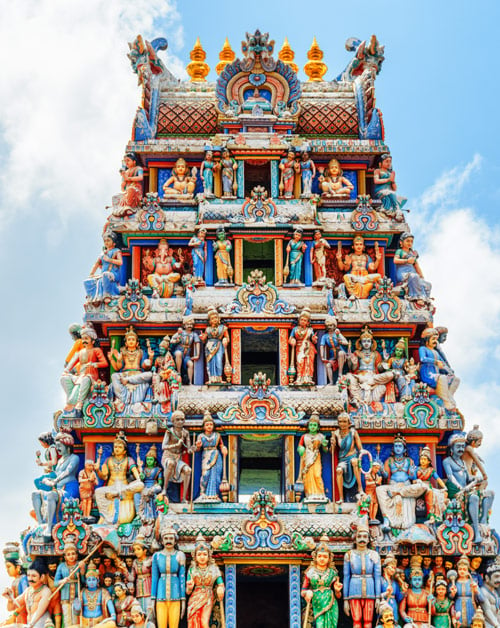
Prasanna Venkatesa Perumal Temple, Saidapet
Sri Prasanna Venkata Narasimha Perumal Temple in West Saidapet, Chennai, is an ancient shrine dedicated to Venkateswara (an incarnation of Vishnu) with architectural elements sp…
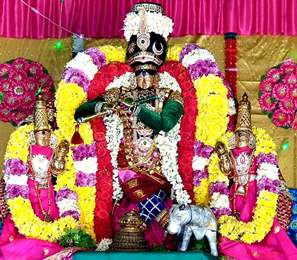
Egmore Seenivaasa Perumaal temple
Arulmigu Srinivasa Perumal Temple in Egmore, Chennai is an ancient Hindu shrine dedicated to Lord Srinivasa Perumal, maintained by the Hindu Religious and Charitable Endowments…

Pathala Ponniamman Temple
Pathala Ponniamman Temple in Kilpauk, Chennai is an ancient Amman shrine serving as the family deity for approximately one lakh families in the region, administered by the Hindu…