Maha Kali Mandir
About Maha Kali Mandir
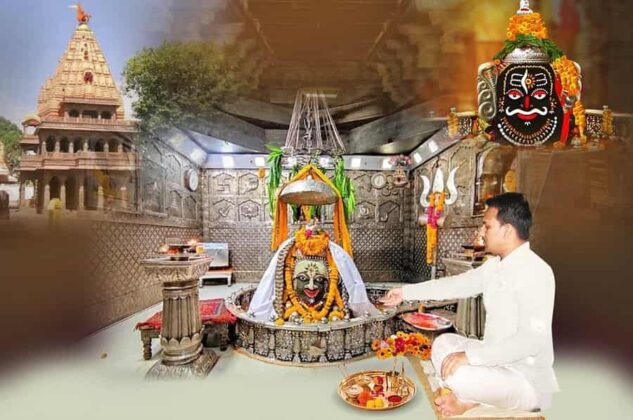
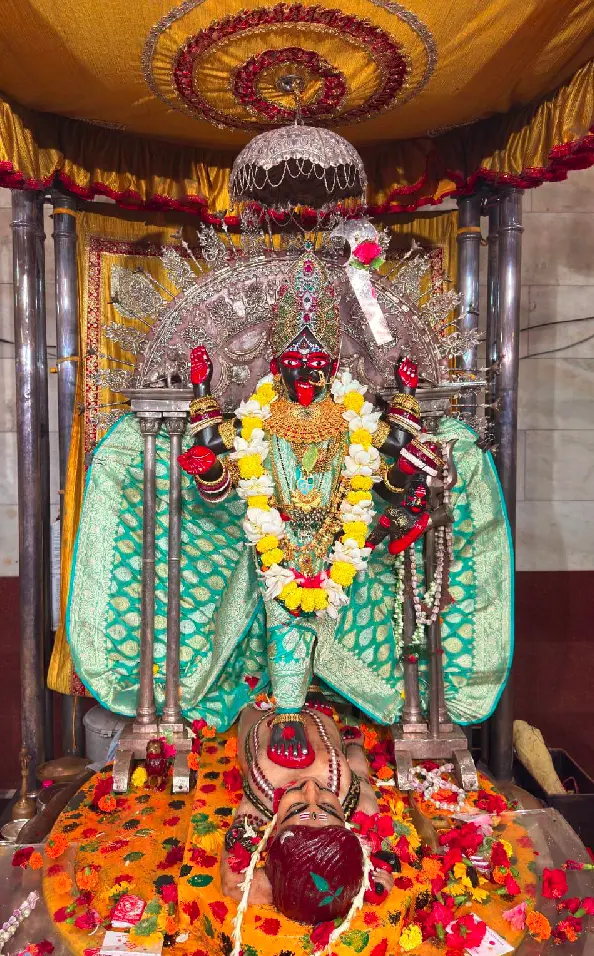
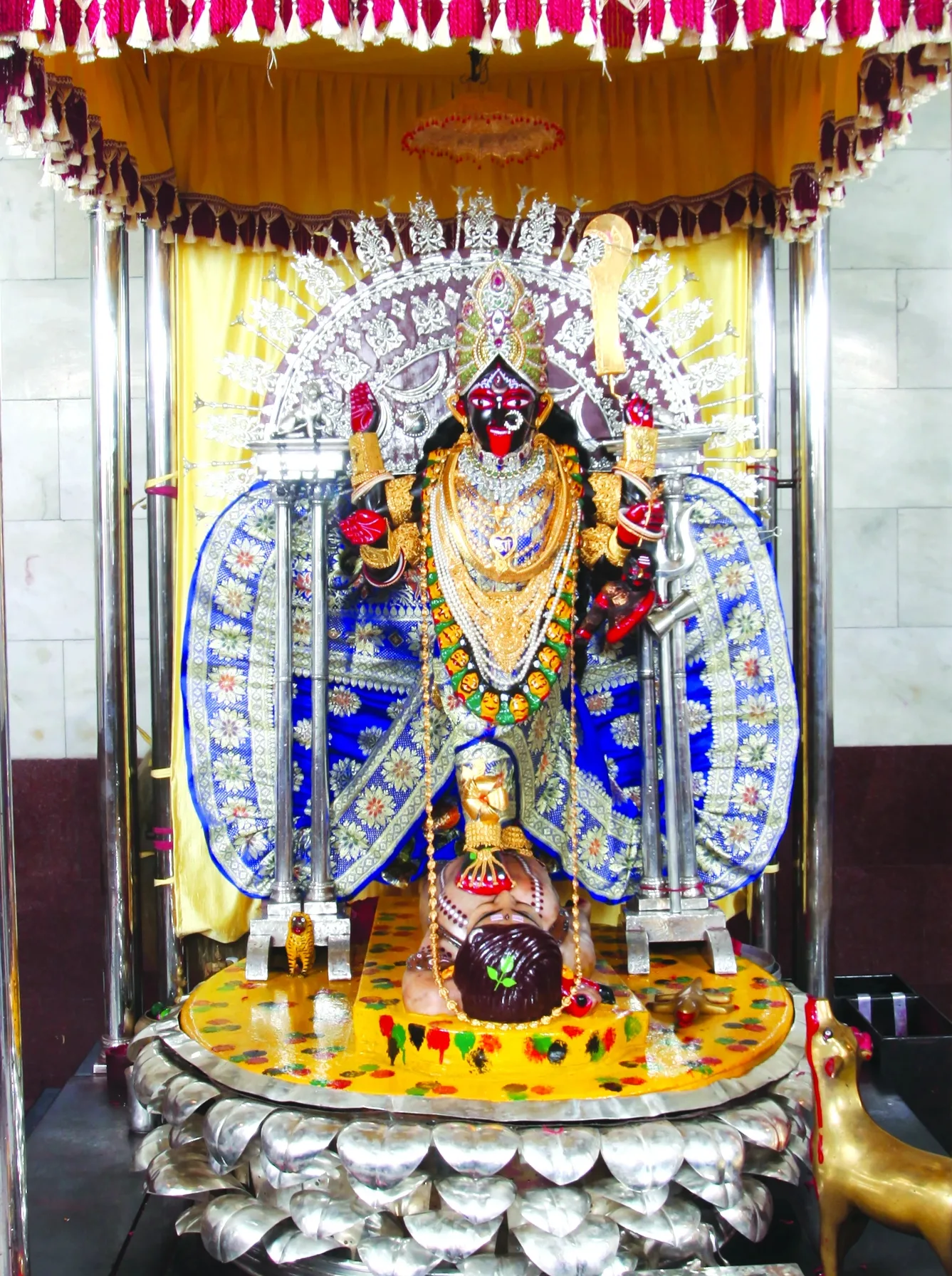
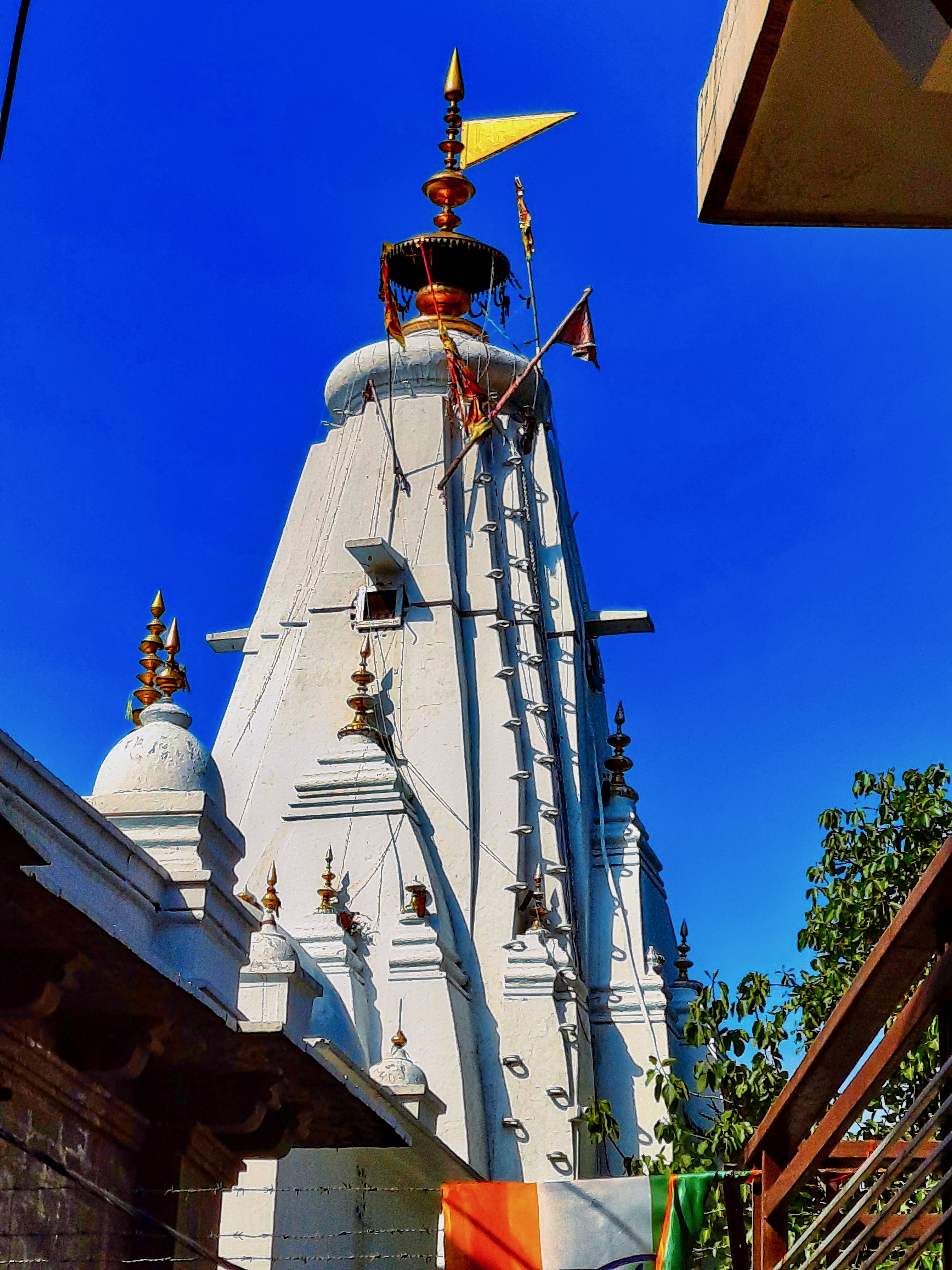
The temple is constructed in the Navaratna style, a distinctive architectural form featuring nine spires arranged in a pattern that reflects cosmic order. This design, common to significant Bengali temples, creates a visual hierarchy that draws the eye upward, embodying the spiritual ascent sought by worshippers. The nine-spired configuration has deep roots in Hindu temple architecture and symbolism, representing the nine celestial bodies and the nine forms of the goddess herself. The Hooghly's proximity shapes the temple's setting, offering devotees the spiritual benefit of proximity to flowing water while providing a natural boundary to the sacred precinct.
Daily Darshan and Ritual Schedule
The temple opens for morning darshan at 6:30 AM and remains accessible until 12:30 PM, then reopens in the evening from 3:30 PM to 7:30 PM. Throughout these hours, a sequence of ritual observances structures the day. The Mangal Aarti begins at 4:00 AM, an early morning invocation performed before most devotees arrive. At midday, the Bhog Offering at 12:30 PM marks the presentation of sanctified food to the deity. The Sandhya Aarti at 6:30 PM coincides with the evening opening, allowing devotees to participate in this twilight worship. The day concludes with Shital Bhog and Shayan at 8:00 PM, rituals that prepare the deity for rest. Visitors should plan their visit around these timings to experience the temple's rhythm and, if desired, to witness the aartis that form the heart of daily worship.
Festivals and Observances
The temple observes two significant occasions tied to lunar cycles. Phalaharini Kali Puja is celebrated on the new moon night of Jyeshtha month (typically May or June), a time when devotees gather to honor the goddess in her role as the remover of suffering and karmic burden. Sri Sri Shyama Puja is observed on Amavasya, the new moon night, when the darkness itself becomes an occasion for worship. These observances draw larger numbers of devotees and represent moments when the temple's spiritual intensity is heightened. The connection to Sri Ramakrishna, the nineteenth-century saint whose life and teachings transformed Bengali Hinduism, adds historical and spiritual significance to the temple's place within the broader landscape of Kolkata's sacred sites.
Visiting the Temple: Practical Guidance
Visitors should arrive during the posted darshan hours, keeping in mind that the temple closes between 12:30 PM and 3:30 PM. Modest dress is customary when entering Hindu temples; women typically wear salwar kameez, sarees, or equivalent modest clothing, while men wear simple shirts and trousers or traditional kurtas. Shoes are removed before entering the inner sanctum, and visitors should move respectfully through the space, following the flow of other worshippers. Photography policies vary; it is wise to ask permission before photographing rituals or the deity. The temple accepts offerings of flowers, incense, and other traditional items, which can be purchased near the entrance. Visitors unfamiliar with temple protocol should observe others and follow their lead; temple staff are generally helpful to those seeking guidance.
Location and Access
The temple's address places it on the eastern bank of the Hooghly River in Kolkata, West Bengal. The specific coordinates (31.650328, 74.88441) can be used with mapping applications to plan travel routes. Kolkata's public transportation network, including buses and the metro system, serves the area, though visitors should verify current routes and schedules. The riverside location means the temple is accessible by foot from nearby neighborhoods, and the Hooghly itself provides a natural landmark for orientation. Visitors arriving by personal vehicle should inquire about parking availability in the immediate vicinity.
How to reach
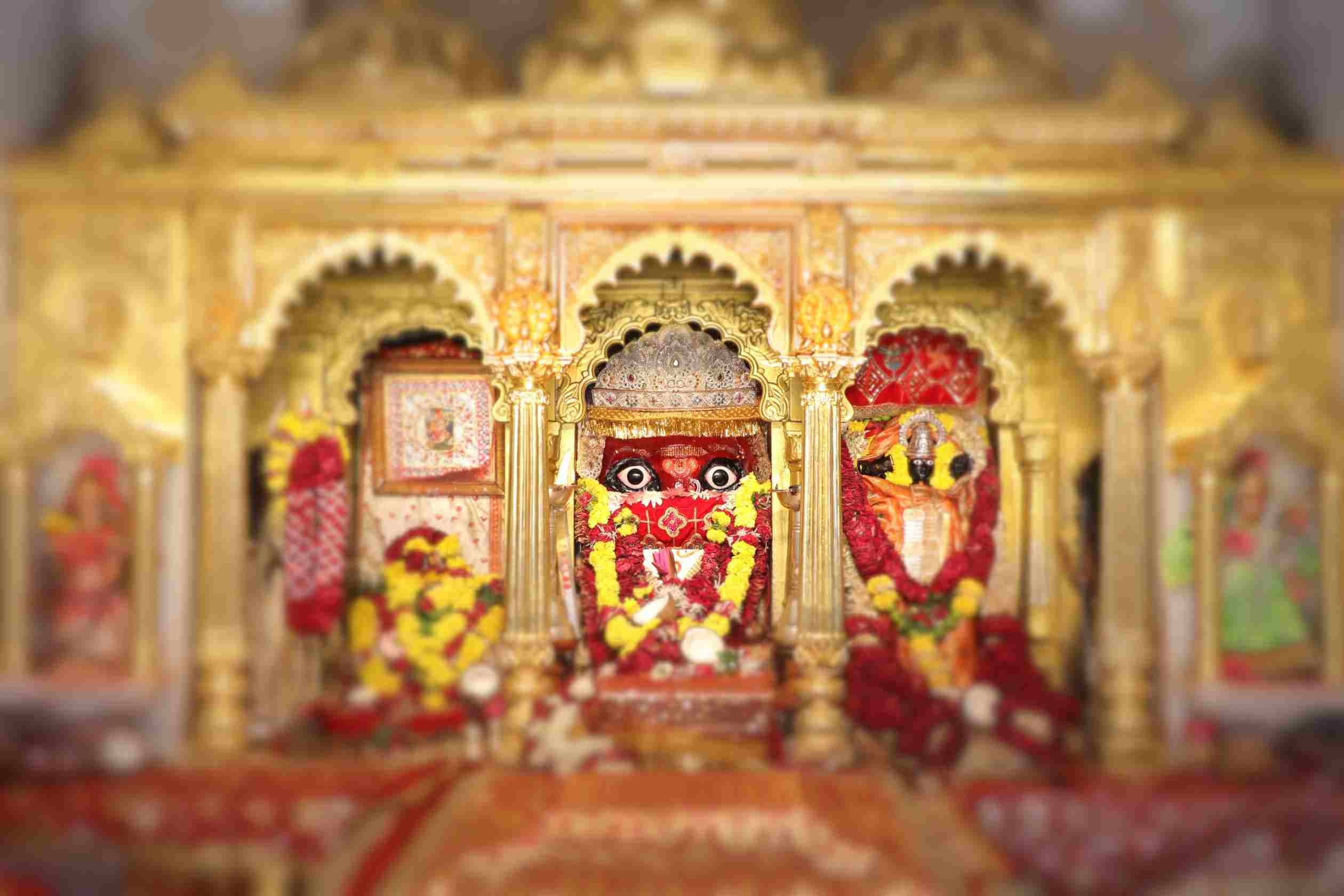
Temples near Maha Kali Mandir
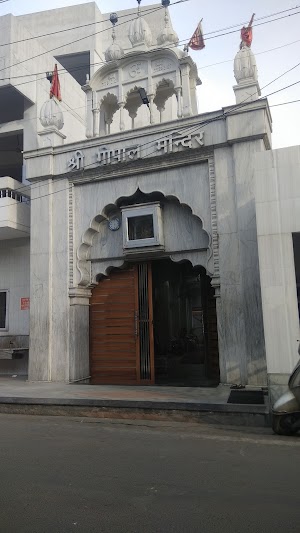
Gopal Mandir-Sri Krishna Temple
Gopal Mandir-Sri Krishna Temple in Amritsar is an ISKCON-affiliated Krishna temple established in 2011, dedicated to Lord Krishna and featuring daily spiritual programs, weekly…

Mata Lal Devi Mandir
Mata Lal Devi Mandir in Amritsar is a revered shrine dedicated to Saint Lal Devi, a 20th-century saint known for her spiritual devotion. The temple features distinctive mirror w…
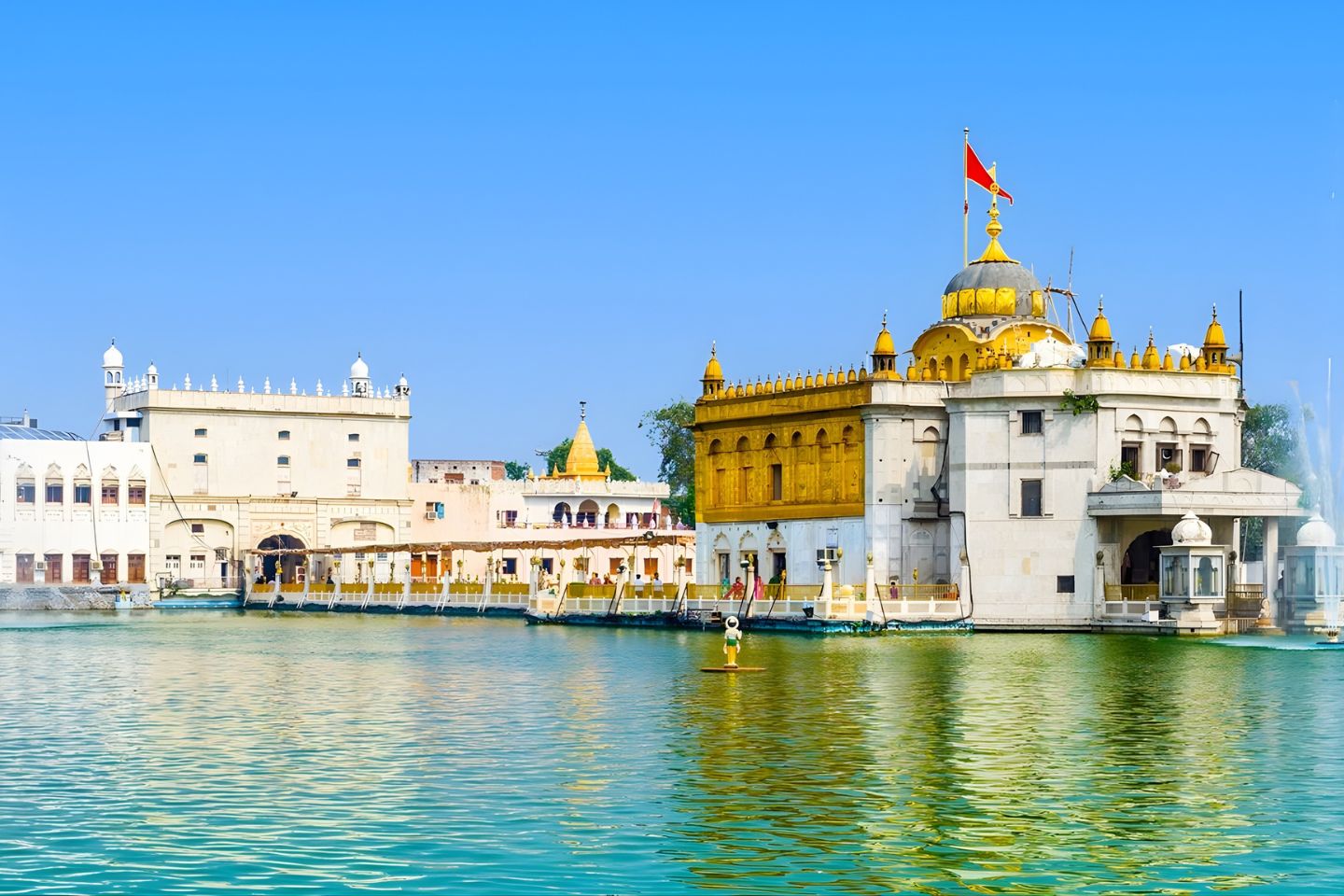
Shri Durgiana Mandir
Shri Durgiana Mandir in Amritsar is a prominent Hindu temple dedicated to Goddess Durga, notable for its architectural similarity to the Golden Temple despite its Hindu religiou…
Valmiki Temple
Valmiki Temple, also known as Nila Gumbad Valmiki Temple, is a Hindu shrine dedicated to the sage Valmiki located in Lahore's historic Anarkali Bazar. It stands as one of only t…
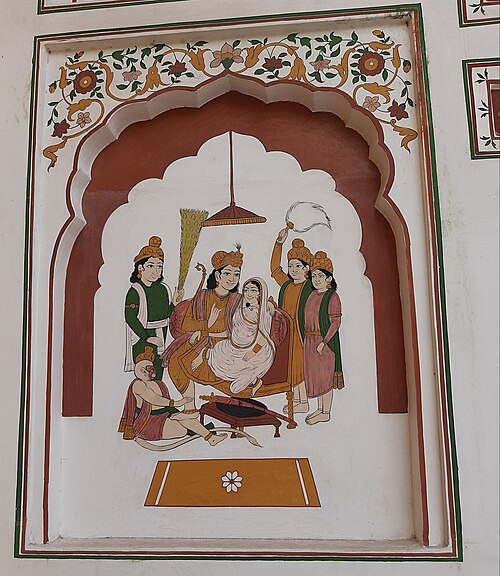
Pandori Dham
Thakurdwara Bhagwan Narainji, known as Pandori Dham, is a historic Vaishnava shrine in Punjab's Gurdaspur district founded by Ramanandi saints and recognized as one of fifty-two…
Shri Devi Talab Mandir
Shri Devi Talab Mandir in Jalandhar is an ancient Shakti Peetha dedicated to Goddess Tripurmalini, centered around a sacred pond and serving as a major spiritual hub in Punjab.