Madhav Govind Rameshwar Temple
About Madhav Govind Rameshwar Temple
The temple observes several significant festivals throughout the year. Maha Shivaratri, the night dedicated to Shiva, draws devotees in large numbers and represents one of the most important occasions at this shrine. Guru Purnima, the full moon day honoring spiritual teachers, is also celebrated here. Dhanteras, associated with prosperity and wealth in the Hindu calendar, marks another peak visitation period. During these festivals, the temple is decorated more elaborately than usual, and darshan (viewing of the deity) becomes a central focus of worship.
The temple office should be contacted before traveling during festival periods, as timings and rituals may differ from regular days.
Daily Worship and Darshan
Like most Hindu temples, the Madhav Govind Rameshwar Temple maintains regular timings for darshan, though these may shift on festival days. Visitors should confirm current opening hours with the temple office before arrival. Aarti—the ritual of offering light to the deity—occurs at set times, and these moments are considered particularly auspicious for worship.
Temples of this tradition typically welcome visitors during darshan hours. Standard etiquette includes removing footwear before entering the sanctum, maintaining respectful behavior, and following any specific instructions posted by temple authorities. Modest dress is customary; visitors should cover shoulders and knees as a sign of respect.
The Trikutachala Tradition
A Trikutachala shrine, literally referring to "three peaks," represents a specific architectural and theological arrangement within Hindu temple design. This configuration allows for the simultaneous worship of deities from different traditions, each with their own sacred space within the larger temple complex. The arrangement at Agapur demonstrates how Hindu practice accommodates theological diversity—Krishna and Shiva, though understood differently within their respective traditions, share sacred ground and receive equal veneration from the community.
This model of worship reflects centuries of Hindu philosophical development, where apparent differences between traditions are often understood as complementary expressions of ultimate reality rather than contradictions requiring resolution.
Practical Information for Visitors
The temple maintains an office for administrative matters and inquiries. Visitors planning to attend during major festivals should contact ahead, as crowds increase significantly and special arrangements may be in place. Photography policies should be confirmed with temple staff upon arrival.
Goa's climate is tropical, with monsoon rains from June through September. The cooler months from October through February generally offer more comfortable visiting conditions. Visitors should carry water and sun protection, particularly during midday hours. Basic facilities may be available at the temple; however, visitors should not assume extensive amenities and should plan accordingly.
Getting There
Agapur village is reachable by road within Ponda taluk. The coordinates provided (15.388504895°N, 73.964540364°E) can be used with GPS navigation or mapping applications. Local transportation options, including auto-rickshaws and taxis, operate throughout Goa and can be arranged from nearby towns. Visitors arriving by air typically land at Dabolim Airport, from which onward travel to Ponda can be arranged.
How to reach
You may also visit
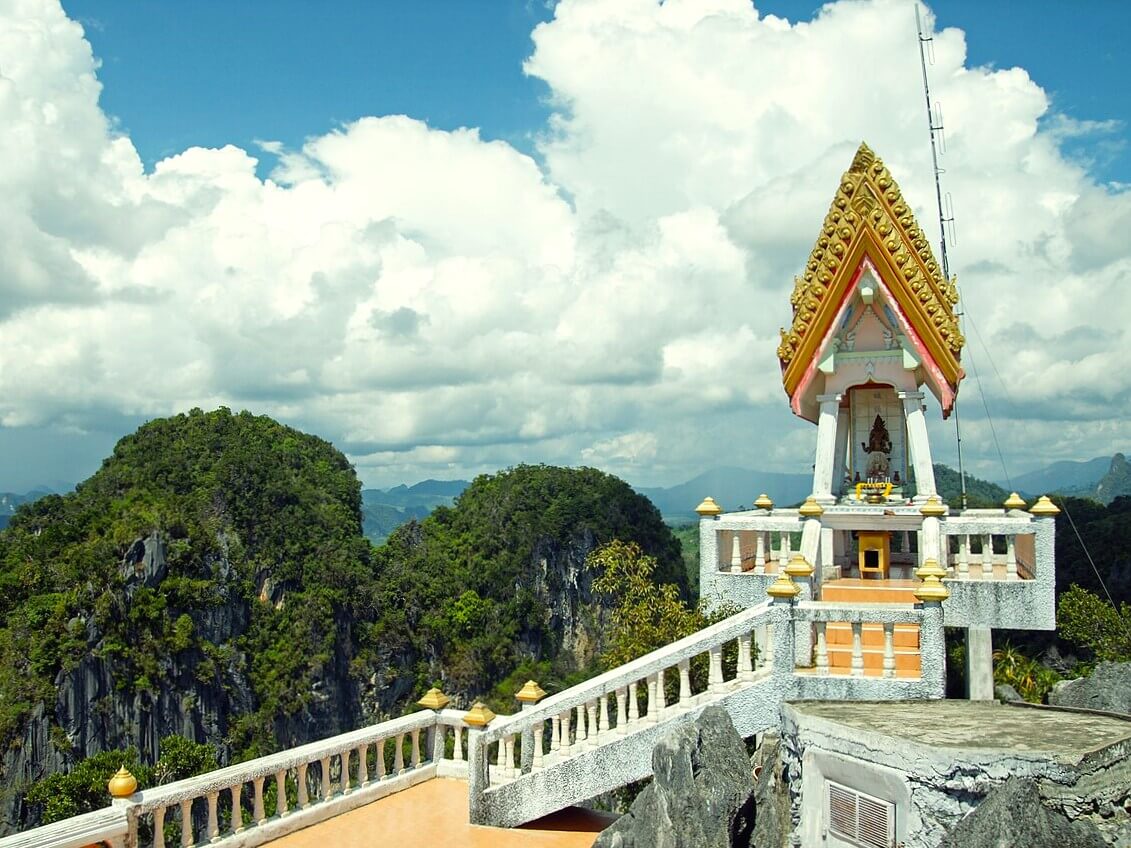
Tiger Cave
5Tiger Cave Temple is a Buddhist monastery complex near Krabi, Thailand, featuring a challenging 1,260-step ascent to a hilltop summit crowned with a Golden Buddha statue and panoramic limestone vistas.
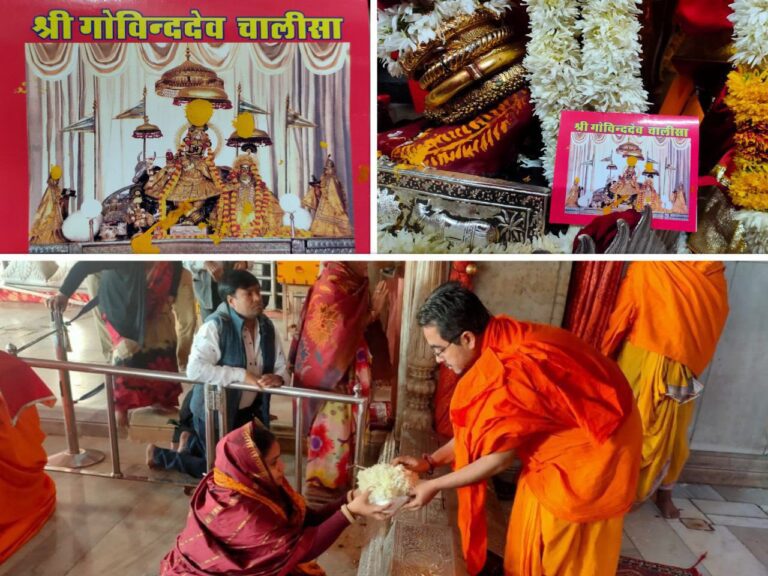
Kalyanji Temple
Kalyanji Temple in Jaipur's Chandpol Bazaar is approximately two centuries old and renowned for displaying the twenty-four avatars of Krishna, visible only twice yearly during Akha Teej and Patottsav festival.
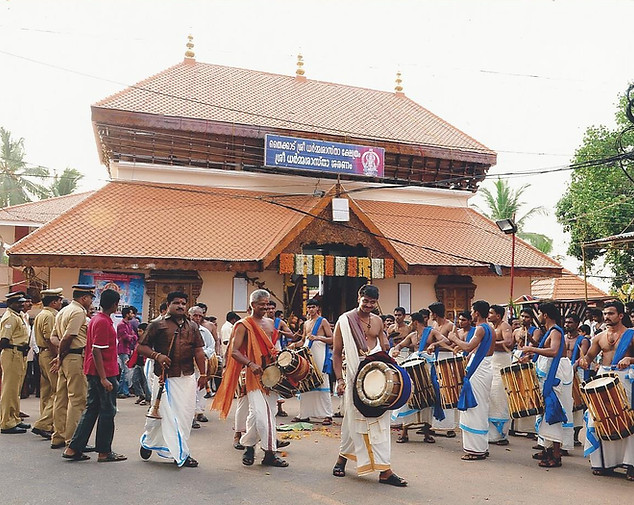
Sastha (Ayyappan) Temple
Sree Dharma Sastha Temple in Thycaud, Thiruvananthapuram, is a centuries-old shrine where the deity manifests as Dhanwanthari, the divine healer, holding the sacred blue lotus.