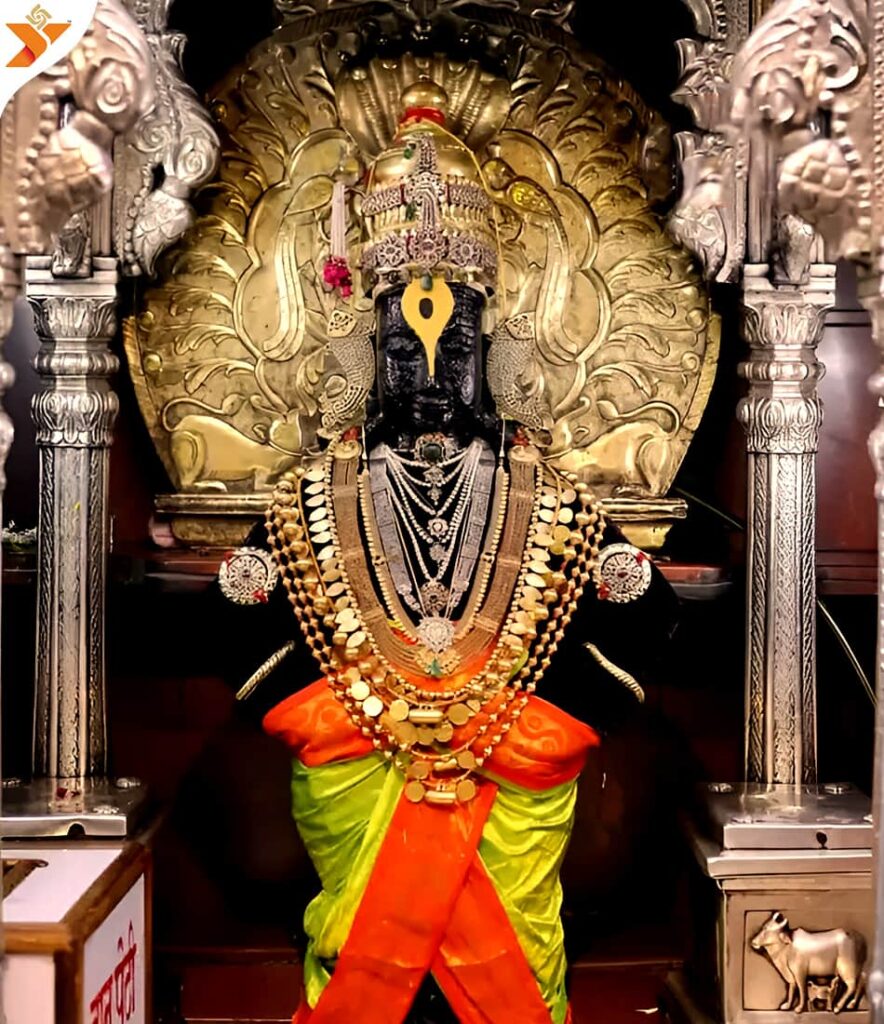
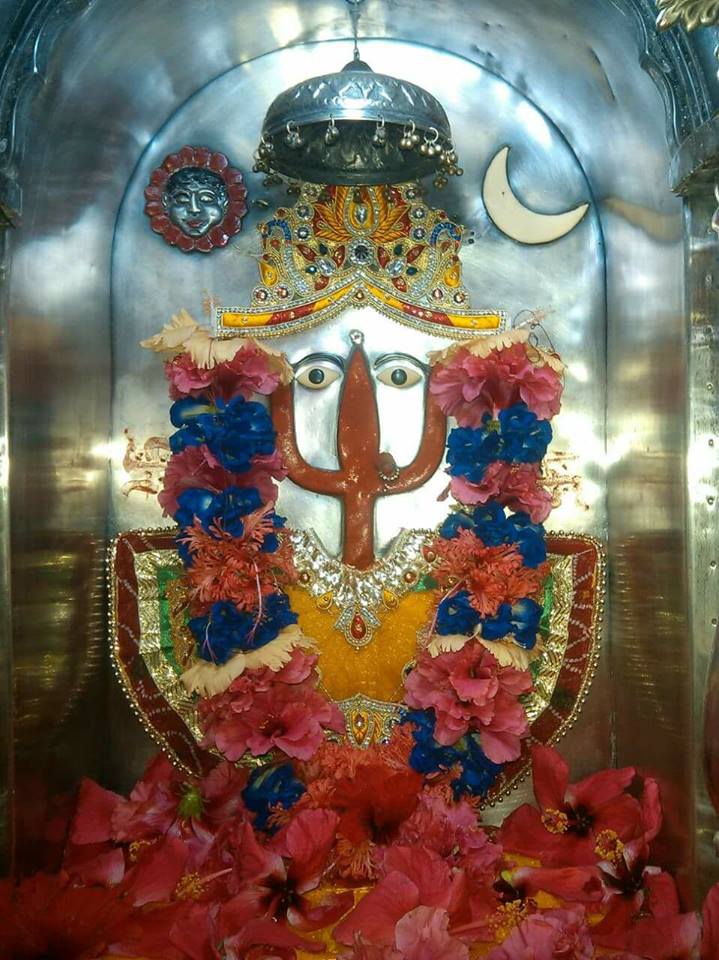

lord siva temple
About lord siva temple
The temple was established in the late eleventh century, placing it among Bhubaneswar's older sacred structures. It exemplifies Kalinga architectural style, the distinctive building tradition of medieval Odisha. The temple stands within a substantial walled compound and features the characteristic elements of temples from this period: a main sanctum, entrance hall, and additional structures for ritual purposes. The outer walls display the ornamental carving typical of Kalinga temples—sculptures of birds, beasts, flowers, and divine figures that mark the height of Hindu decorative craftsmanship from this era. In contrast, the inner sanctum containing the linga remains plain and unadorned, reflecting the principle that the deity's essential form requires no embellishment.
Daily Worship and Rituals
The temple maintains an active schedule of daily worship centered on ritual bathing of the Shiva Linga. Each morning, the deity receives ablution with water, milk, and bhang—a traditional preparation made from cannabis leaves—following practices documented in Hindu temple ritual. This daily consecration forms the spiritual foundation of the temple's function as a sacred space. The Sandhya Aarti, the evening ceremony of light and prayer, takes place at 19:00 (7:00 PM), marking a significant moment in the temple's daily cycle when devotees gather for collective worship.
Visiting Hours and Best Times
The temple opens at 06:00 in the morning and remains accessible until 12:00 noon. It reopens at 16:00 (4:00 PM) and closes at 20:30 (8:30 PM). The early morning hours between 6:30 AM and 8:00 AM are recommended as the most auspicious time to visit, when the atmosphere is quieter and more suited to prayer and contemplation. Those wishing to participate in the Sandhya Aarti should plan to arrive before 19:00. Visitors should note that timings may vary on festival days, and it is advisable to confirm the schedule in advance of travel.
Festivals Observed
The temple observes several significant festivals throughout the year. Janmashtami, celebrated in September, marks the birth of Krishna with midnight observances. Ugadi or Gudi Padwa in March celebrates the Hindu New Year according to regional tradition. Karwa Chauth in October is observed as a day of fasting for the wellbeing of spouses. During these festival periods, the temple typically draws larger numbers of devotees and may be more elaborately decorated. Visitors planning to attend during festivals should confirm specific dates and any adjustments to regular timings.
Visitor Conduct and Etiquette
As an active place of worship, the temple expects visitors to conduct themselves with appropriate reverence. Modest dress is customary; shoes are typically removed before entering the sanctum area. Photography policies may vary, and it is respectful to seek permission before photographing the deity or rituals. Donations to support the temple's maintenance are welcomed, though not obligatory. Visitors should remember that this is a functioning temple rather than a museum, and the ongoing worship of devotees takes precedence over tourism.
Location and Access
The temple is located in Bhubaneswar, Odisha, at coordinates 20.2416°N, 85.7848°E. Bhubaneswar, the state capital, is well-connected by road, rail, and air. Visitors can use these coordinates with mapping applications to locate the temple or seek local directions upon arrival in the city.
How to reach

Temples near lord siva temple

Ram Mandir
The Ram Mandir in Ayodhya is a major Hindu temple complex believed to be situated at the birthplace of Lord Rama, one of Hinduism's principal deities, and attracts devotees from…
Gosagaresvar Siva Temple
Gosagaresvar Siva Temple in Bhubaneswar is a 14th-century Hindu shrine dedicated to Lord Shiva, featuring a circular Yonipitha and three shrines within its complex.
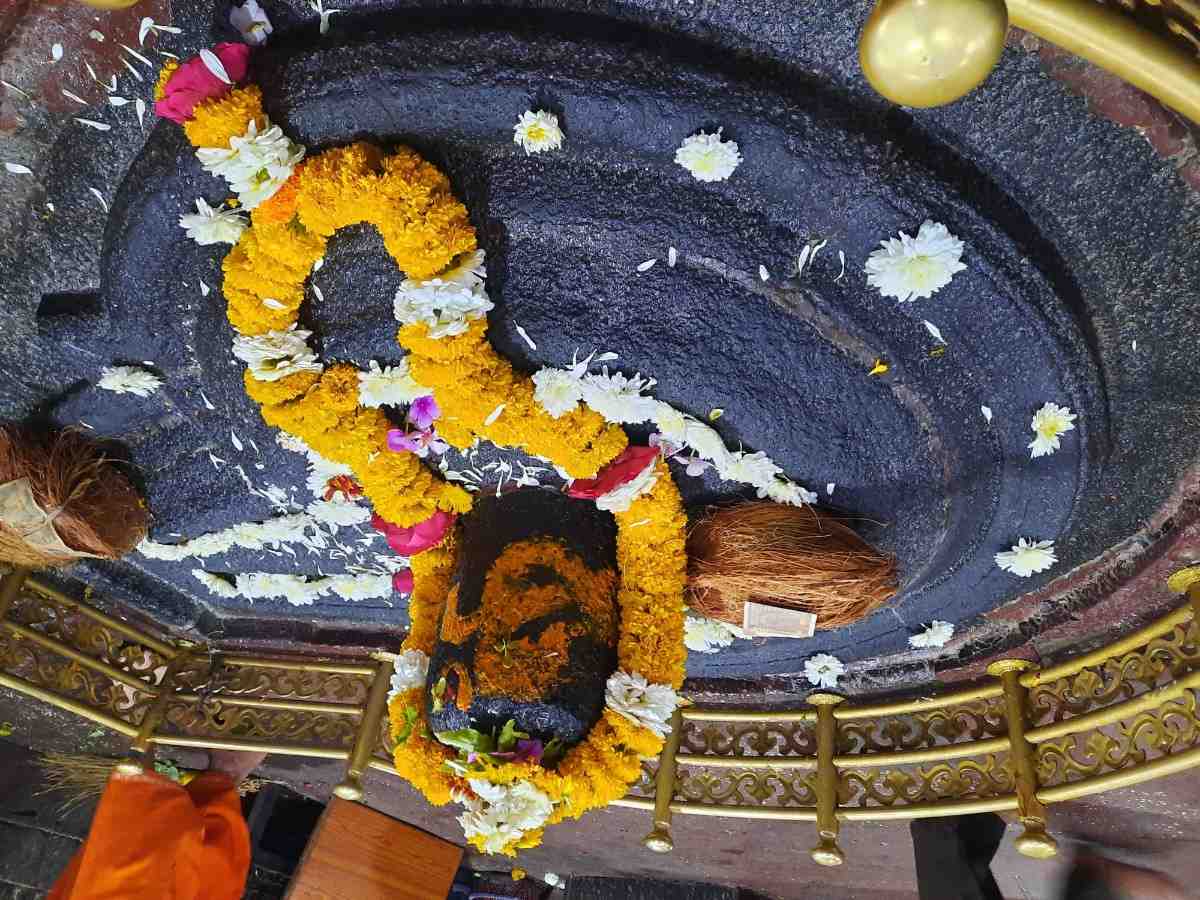
Yudhistiresvara Siva Temple
Grishneshwar Jyotirlinga, the twelfth sacred Jyotirlinga of Lord Shiva, stands in Verul village near Ellora Caves in Maharashtra. Built with red stone in South Indian architectu…
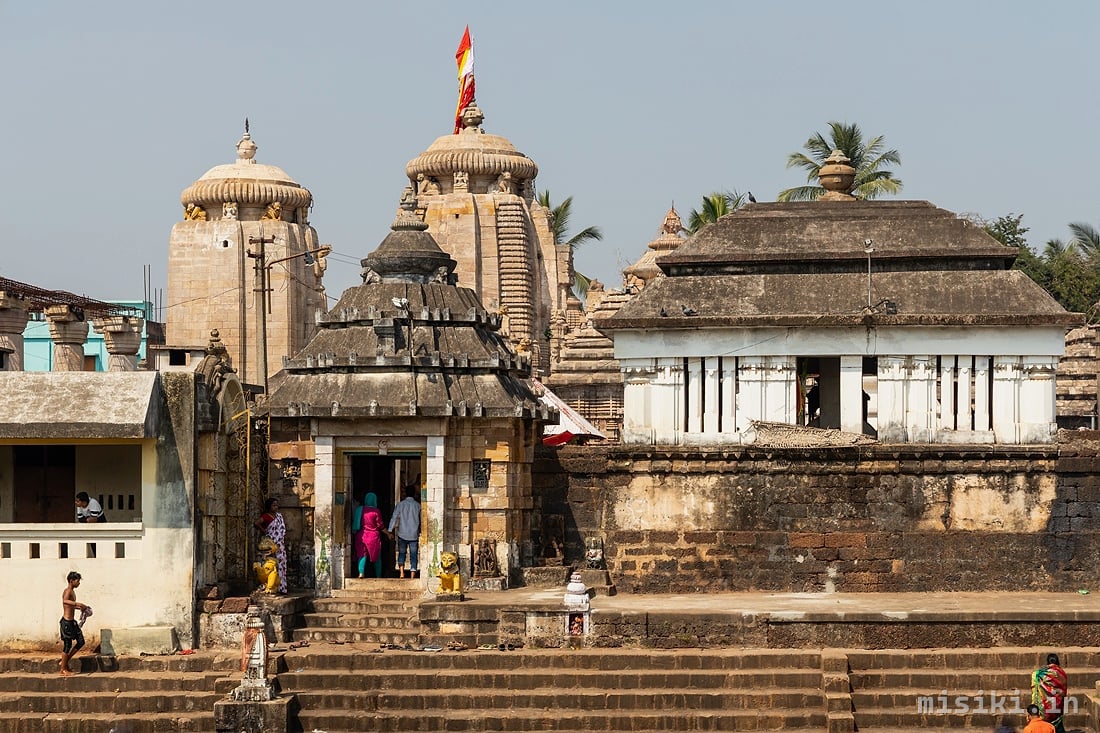
Kapilesvara Temple
Kapilesvara Siva Temple in Bhubaneswar's Kapilesvara Village is a 14th-century shrine dedicated to Lord Shiva, recognized for its ancient architecture and spiritual significance.
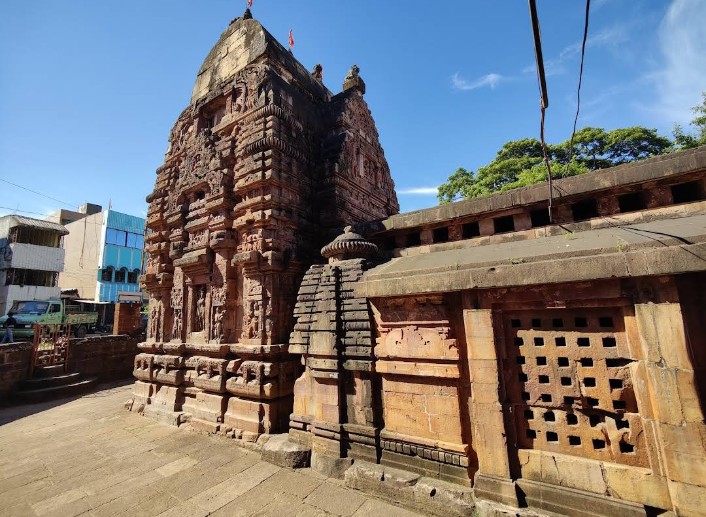
Baitala Deula
Baitala Deula, an 8th-century temple in Bhubaneswar, enshrines Goddess Chamunda in her fierce tantric form. Distinguished by its Khakara architectural style and three symbolic s…

Chitrakarini Temple
Chitrakarini Temple in Bhubaneswar is a serene spiritual sanctuary dedicated to Goddess Chitrakarini, featuring elegant architecture and intricate carvings that reflect centurie…