Yudhistiresvara Siva Temple
About Yudhistiresvara Siva Temple
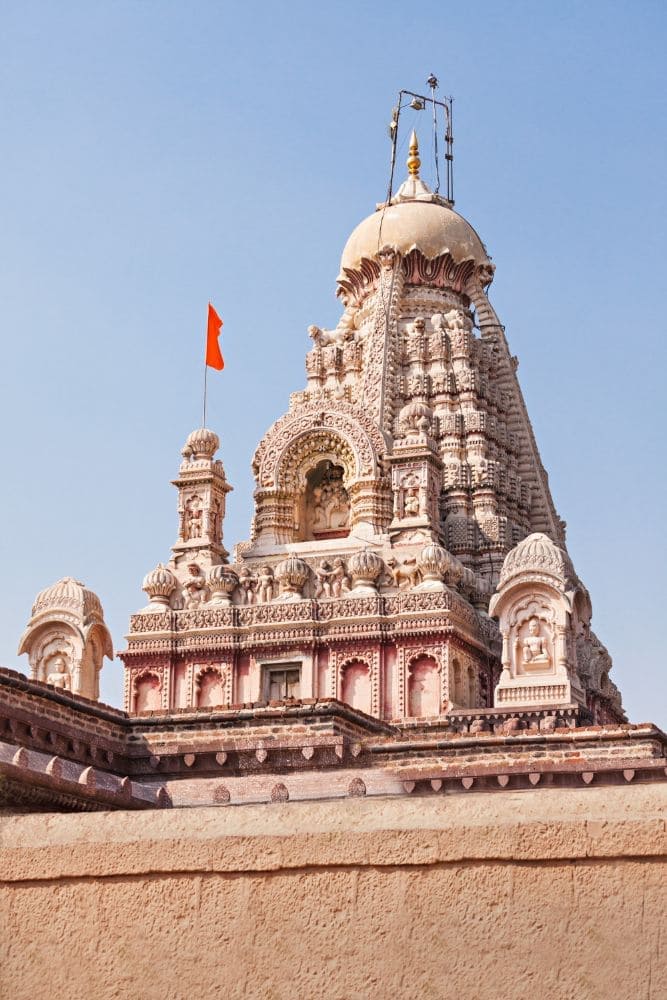
The temple's present form reflects centuries of patronage and rebuilding. The structure was first rebuilt during the 16th century by Maloji Bhosale, grandfather of the Marathi warrior Chhatrapati Shivaji Maharaj. The temple underwent further reconstruction in the 18th century under Queen Ahilyabai Holkar, whose efforts resulted in the architectural form visitors encounter today. This layered history of restoration speaks to the temple's enduring importance across generations of devotees and rulers.
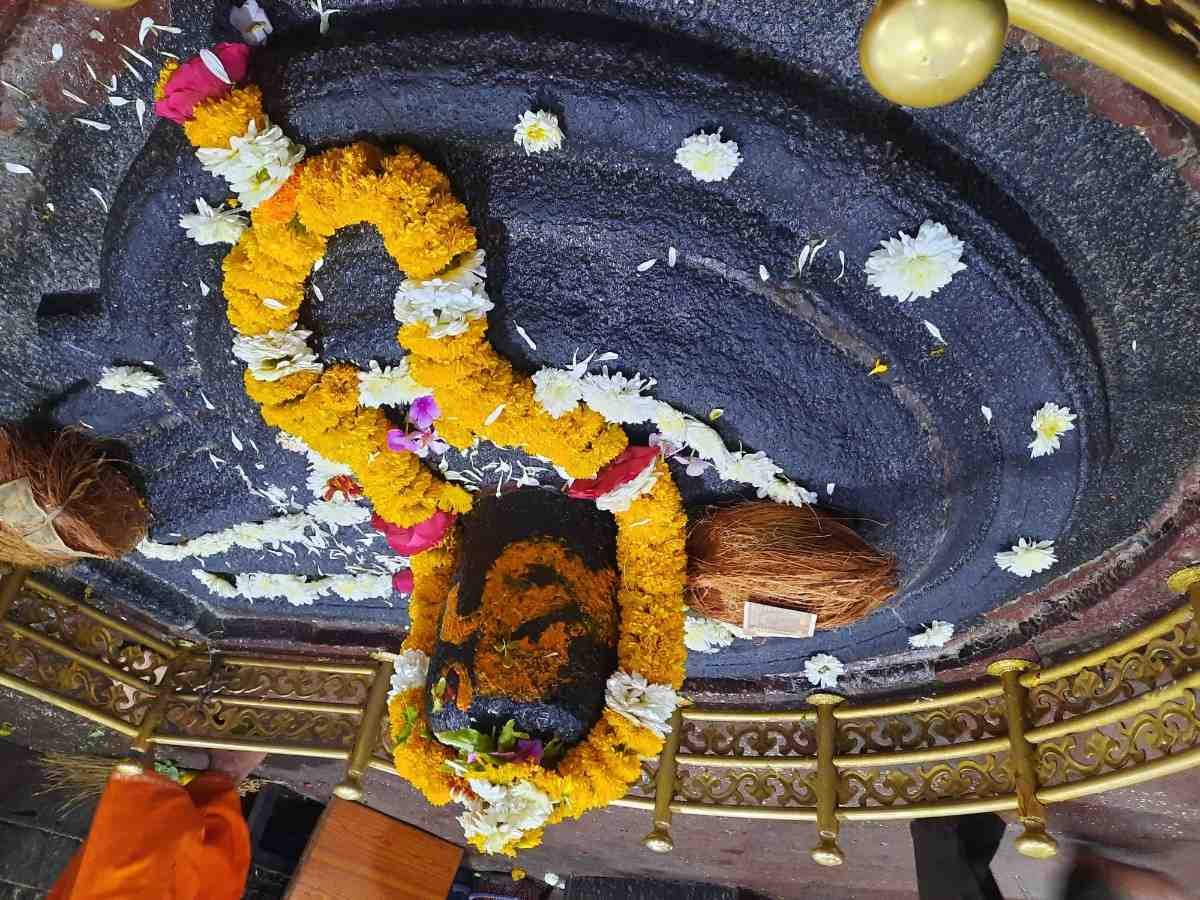
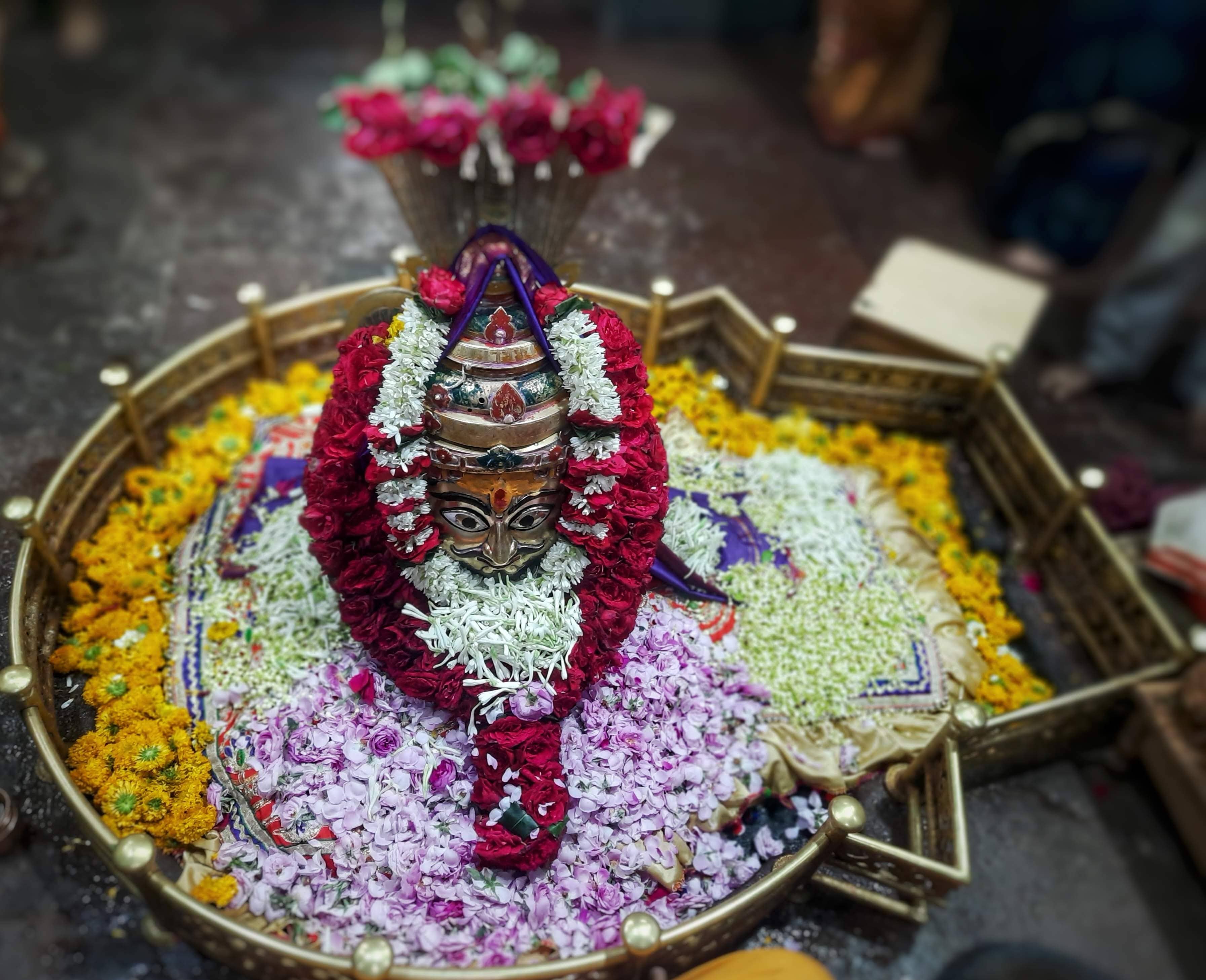
The temple's spiritual foundation rests on a narrative of unwavering devotion. According to tradition, a woman named Ghusma performed daily worship of Lord Shiva by immersing 101 Shivalingas in a sacred pond. When her co-sister Sudeha, consumed by jealousy, killed Ghusma's son and cast his body into the same waters, Ghusma's faith remained unshaken. Lord Shiva, moved by such steadfast devotion despite tragedy, revived her son and granted her request to forgive Sudeha. The deity agreed to manifest at that sacred site, establishing it as a place of pilgrimage.
Architecture in Red Stone
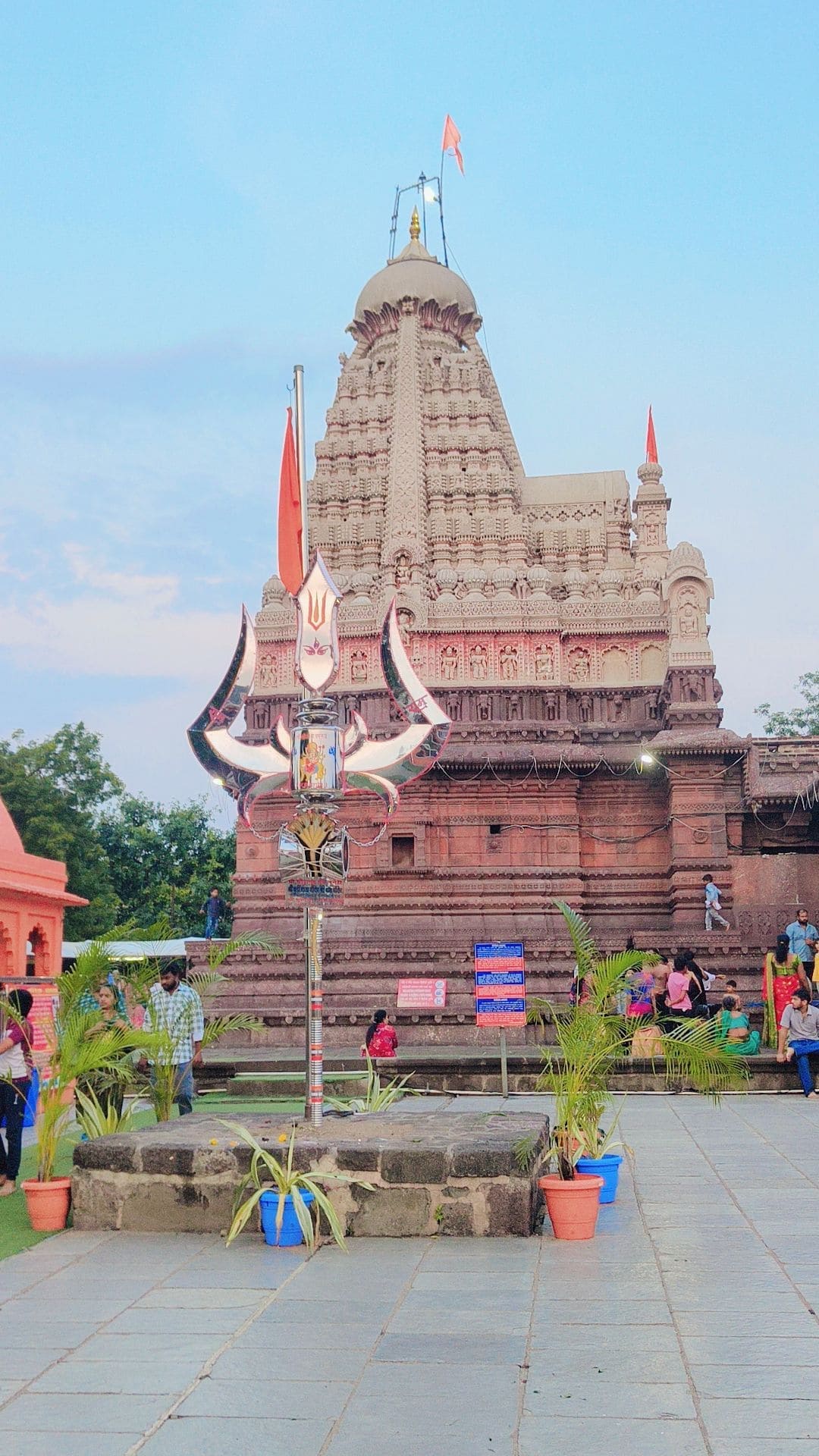
The temple's construction spans 44,000 square feet and employs red stone as its primary material, with golden finishing details adorning certain elements. The architectural style follows South Indian conventions—a notable choice in Maharashtra—with the sacred Shivling housed within the inner sanctum (Garbhagriha). At the temple's entrance stands a Nandi statue, the bull sacred to Lord Shiva. The walls and pillars feature carved representations of Lord Shiva, Goddess Parvati, and other divine figures, creating a visual narrative of Hindu devotional art.
Daily Worship and Darshan
The temple maintains regular hours for devotees to receive darshan (sacred viewing) of the deity. Morning darshan begins at 05:30 and continues until 12:00, with evening darshan resuming at 13:00 and extending until 21:00. Three principal aartis (ritual offerings of light) structure the day: the morning aarti at 05:00, the bhog aarti at 12:00, and the evening aarti at 20:00. Puja (worship) services are conducted during morning hours from 06:00 to 11:30 and again in the afternoon from 14:00 to 19:00.
Visitors should plan their visit according to these timings, keeping in mind that the temple closes between 12:00 and 13:00. Early morning visits allow participation in the morning aarti and the quieter atmosphere that typically precedes midday crowds. Modest dress is customary at Hindu temples; visitors should cover shoulders and knees as a mark of respect.
Visiting Information and Practical Considerations
The temple's location near the Ellora Caves, a UNESCO World Heritage Site situated approximately 2 kilometers away, makes it accessible to visitors exploring the broader archaeological and spiritual landscape of the region. The site lies in Aurangabad, Maharashtra, and can be reached by air, train, or road. Visitors planning extended stays may wish to explore nearby attractions including Daulatabad Fort (13.9 kilometers away) and the Aurangabad Caves (25 kilometers distant).
Devotees should be aware that temple etiquette typically includes removing footwear before entering the inner sanctum and maintaining respectful silence during aartis. Photography policies may vary; it is advisable to inquire with temple staff before photographing the deity or sacred spaces. The temple's official website offers live darshan streaming, allowing those unable to visit in person to participate remotely in the sacred rituals.
A Living Place of Pilgrimage
Grishneshwar Temple continues to serve as an active pilgrimage destination where devotees seek the blessings of Lord Shiva. The temple's significance as the twelfth Jyotirlinga, combined with its historical importance and architectural distinction, makes it a meaningful destination for those undertaking sacred journeys through Maharashtra's religious landscape.
How to reach
Temples near Yudhistiresvara Siva Temple
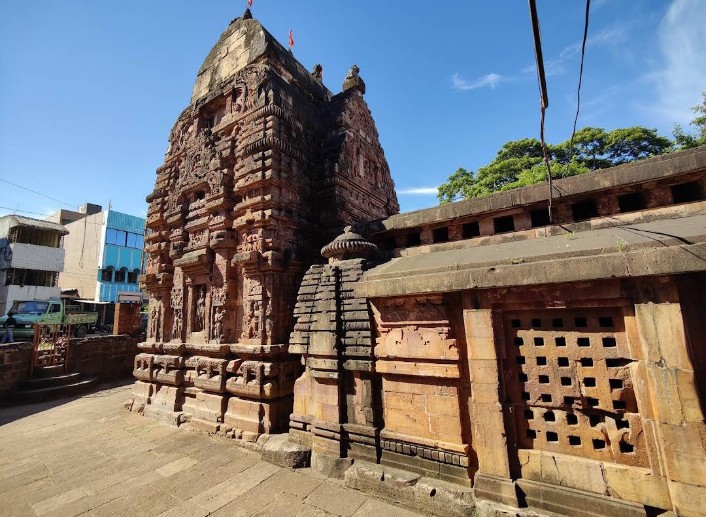
Baitala Deula
Baitala Deula, an 8th-century temple in Bhubaneswar, enshrines Goddess Chamunda in her fierce tantric form. Distinguished by its Khakara architectural style and three symbolic s…

Chitrakarini Temple
Chitrakarini Temple in Bhubaneswar is a serene spiritual sanctuary dedicated to Goddess Chitrakarini, featuring elegant architecture and intricate carvings that reflect centurie…
Gosagaresvar Siva Temple
Gosagaresvar Siva Temple in Bhubaneswar is a 14th-century Hindu shrine dedicated to Lord Shiva, featuring a circular Yonipitha and three shrines within its complex.
Kharakhia Vaidyanatha Precinct
Kharakhia Vaidyanatha is an open-air Shiva temple in Bhubaneswar's Old Town where sunlight directly illuminates the linga without a roof, embodying the healing energy of Vaidyan…
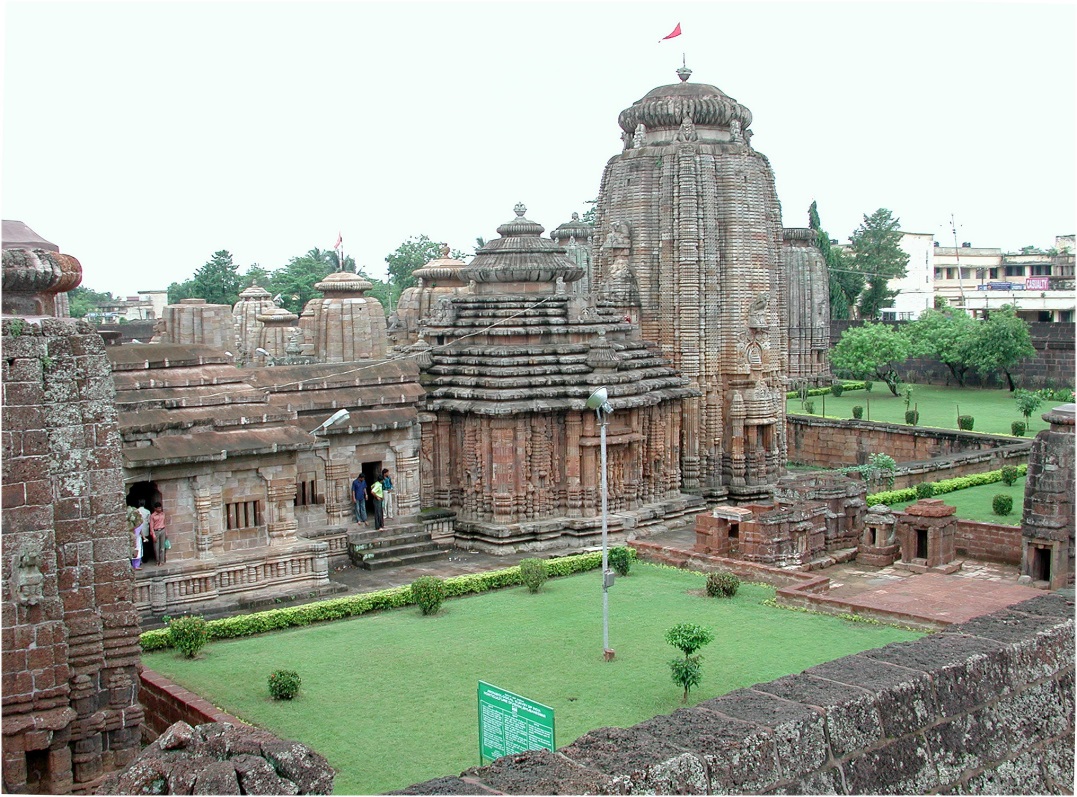
Suresvara Temple
Suresvara Temple, also known as Byamokesvara Temple, is a 10th-century Shiva shrine located in the Tala bazaar market complex of Old Town Bhubaneswar. The temple houses a Shiva…

Ladu Baba Temple
Ladu Baba Temple is a 13th-century Shiva shrine in Bhubaneswar, Odisha, formerly known as Kainchi Temple. It remains an active place of worship following traditional Shaivite pr…