Lokanarkavu Temple
About Lokanarkavu Temple
The temple stands among North Malabar's most significant Durga shrines, with origins reaching back approximately 1500 years. Its history intertwines with the region's spiritual, martial, and folk traditions. Local tradition connects the temple to Thacholi Othenan, a legendary warrior celebrated in Vadakkan Pattukal (the ballads of North Malabar), who is said to have worshipped Lokanarkavilamma before his martial journeys. This association established the temple as a sacred place for Kalaripayattu practitioners—the ancient martial art of Kerala—who traditionally sought the Goddess's blessings before training, performance, or significant events. The temple thus occupies a distinctive place in North Malabar's cultural memory, bridging devotional practice with martial tradition and local heroic narratives.
Daily Worship and Darshan
The temple opens for darshan in two periods: early morning from 5:00 to 11:00 AM, and evening from 5:00 to 8:00 PM. Three principal rituals structure the day's worship. Usha Pooja, the dawn ritual, begins at 6:00 AM and marks the temple's spiritual awakening. In the evening, Deeparadhana (the lighting of lamps) takes place at 6:30 PM, followed by Athazha Pooja at 8:00 PM. Visitors seeking a quieter, more meditative experience should plan to arrive on weekday mornings rather than during weekends or festival periods. The temple's peaceful setting and traditional Kerala-style architecture—featuring wooden elements, carvings, murals, and a temple pond—support contemplative worship.
Festivals Through the Year
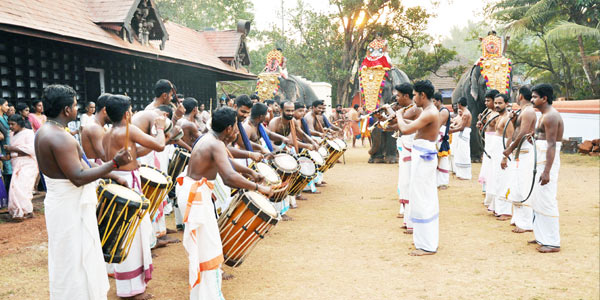
Three major festivals mark the temple's annual cycle. Meenam Pooram, celebrated in the Malayalam month of Meenam (March–April), draws devotees for elaborate Pooram rituals. Vrischikam Mandala Utsavam spans the entire month of Vrischikam (November–December), with ceremonial emphasis on specific dates: the sixteenth day features Nagara Vilakku (city lamps), the twentieth day honors Ayyappan with special lamps, and subsequent days include observances by various community groups and the general public. Navaratri, the nine-night festival honoring the Goddess in her multiple forms, brings heightened worship and larger congregations. These festivals offer visitors the opportunity to witness the temple's ritual life at its most elaborate, though they also draw larger crowds than quieter periods.
Architecture and Atmosphere
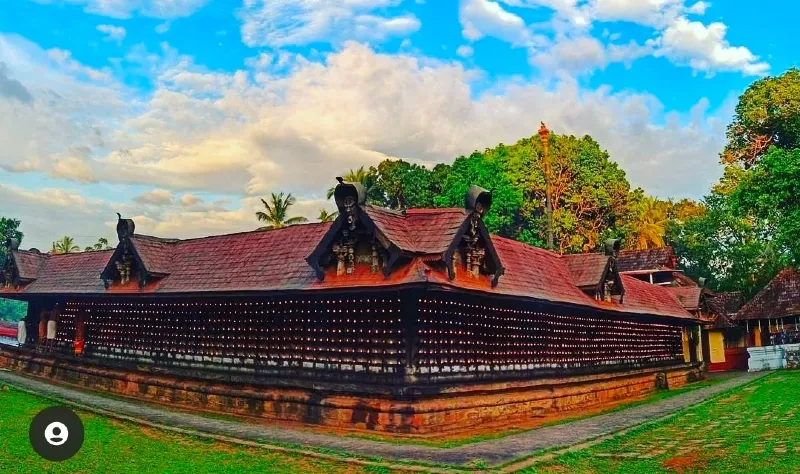
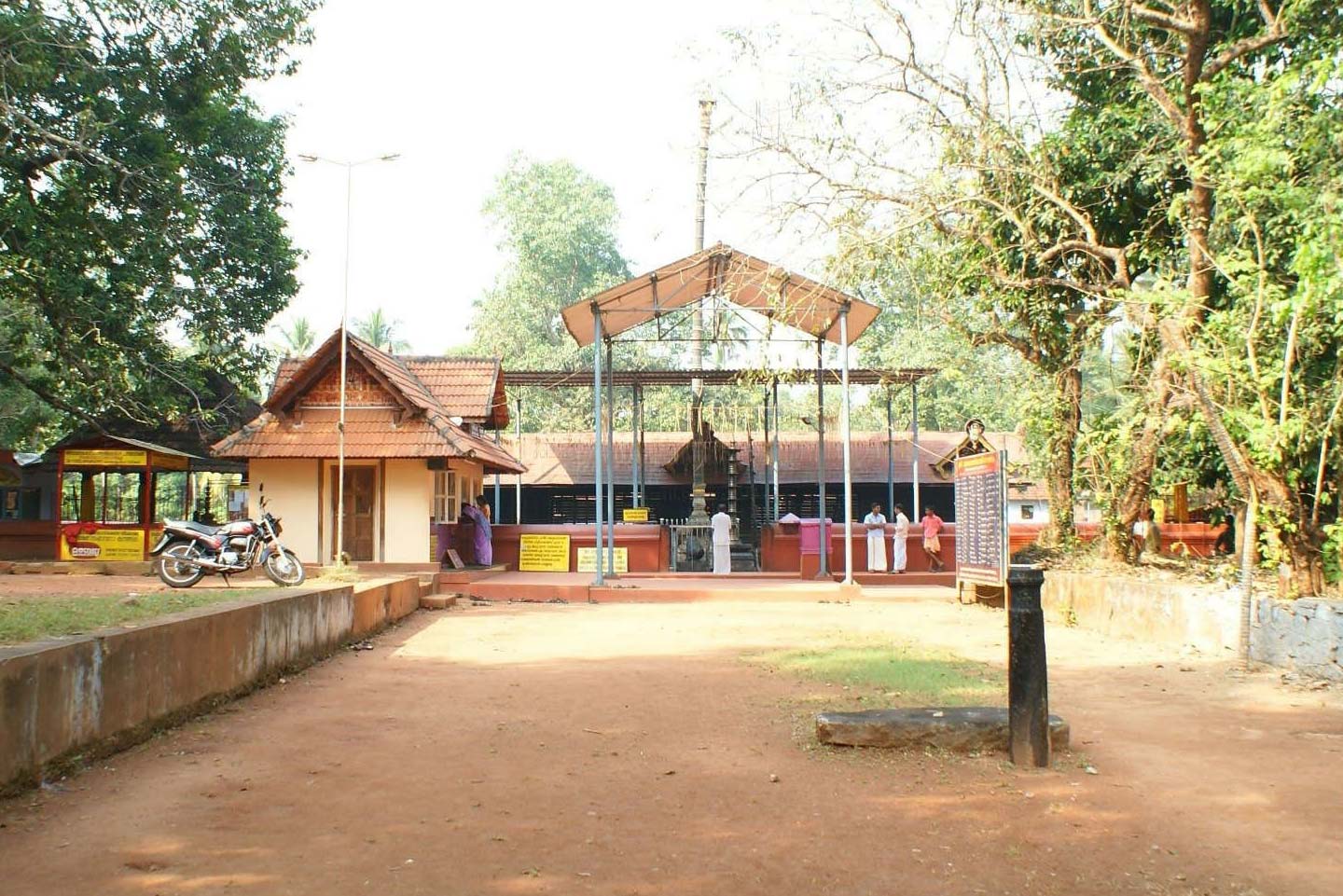
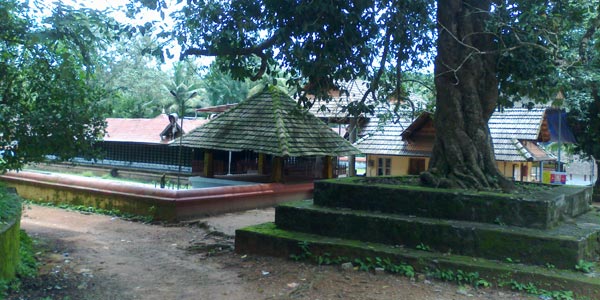
The temple follows traditional Kerala temple architecture and kavu-style sacred space design. The shrine features Kerala-style structures with wooden elements, carved details, and murals that reflect the region's architectural heritage. A temple pond contributes to the overall peaceful setting. The combination of these elements creates an atmosphere that supports both formal worship and personal contemplation, characteristic of Kerala's ancient shrine tradition.
Visiting Information
The temple is located at Memunda, approximately 4 km from Vadakara in Kozhikode District. The nearest railway station is at Vadakara, about 5 km away. Kannur Airport, approximately 54 km distant, serves as the nearest air terminal. Visitors should plan to arrive during the stated darshan hours and dress modestly as is customary at Hindu temples. For inquiries, the temple contact number is 8714266520. Weekday mornings offer the most peaceful visiting experience, while festival periods provide opportunities to witness the temple's full ceremonial calendar but with significantly larger gatherings of devotees.
How to reach
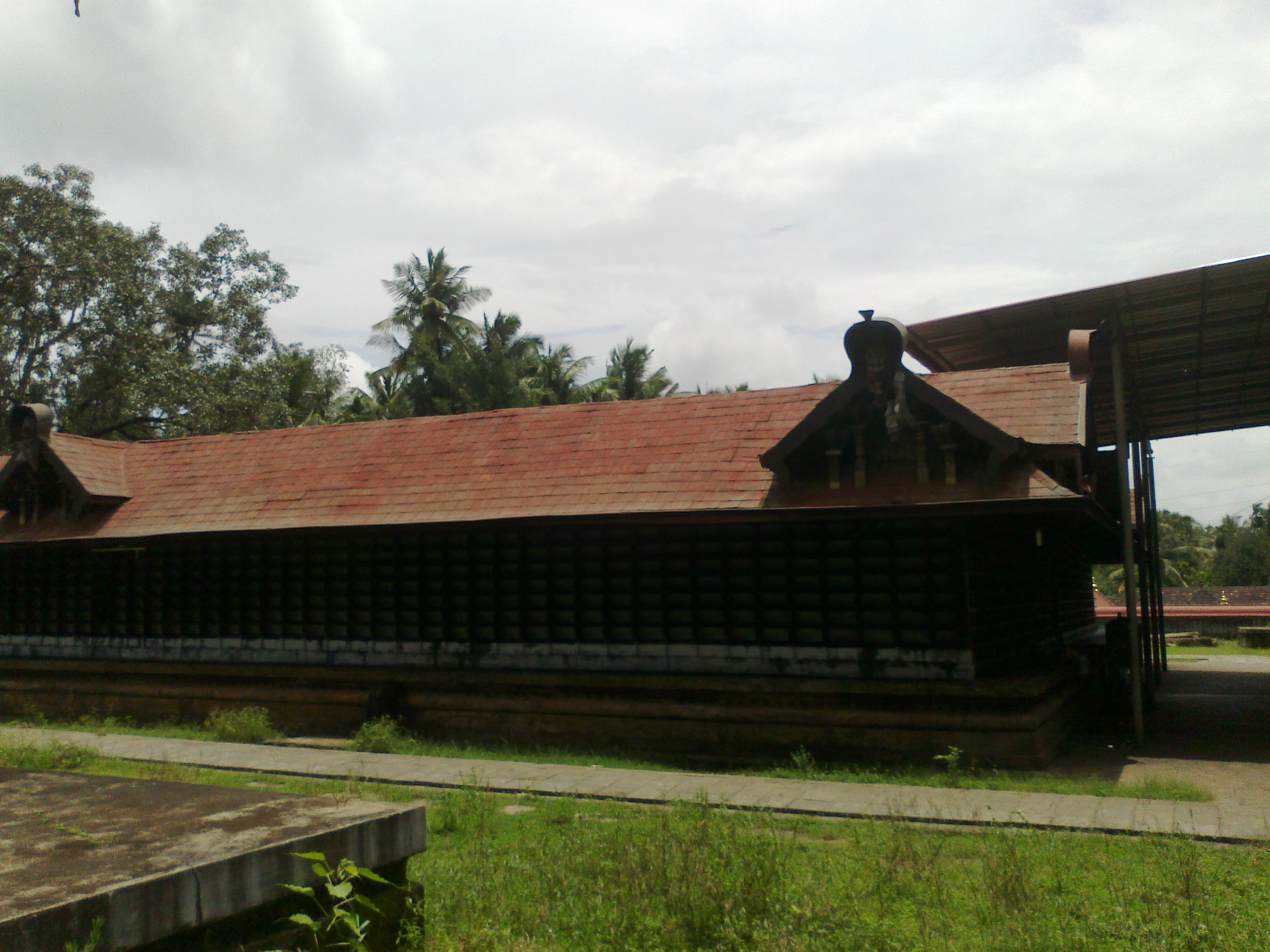
Temples near Lokanarkavu Temple
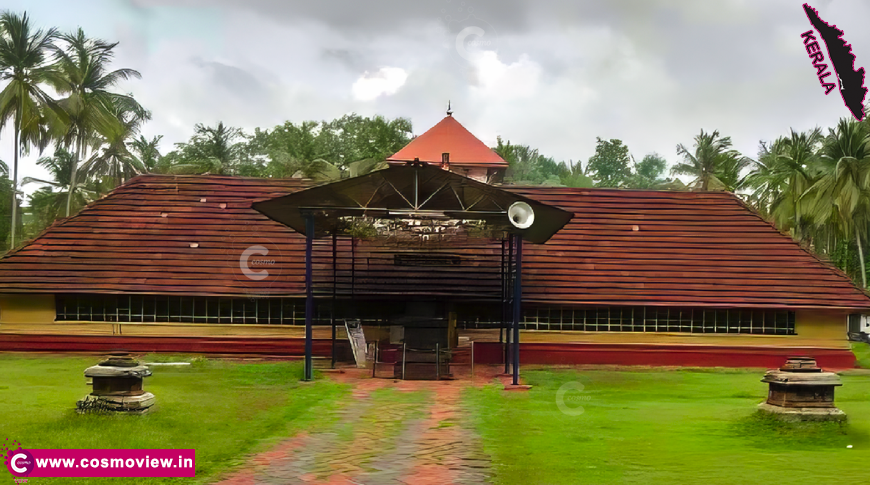
Ponmeri Shiva Temple
Ponmeri Shiva Temple is an ancient Hindu shrine in Vatakara, Kozhikode, Kerala, renowned for its rare sub-temple dedicated to Lord Brahma and traditional Kerala architectural st…
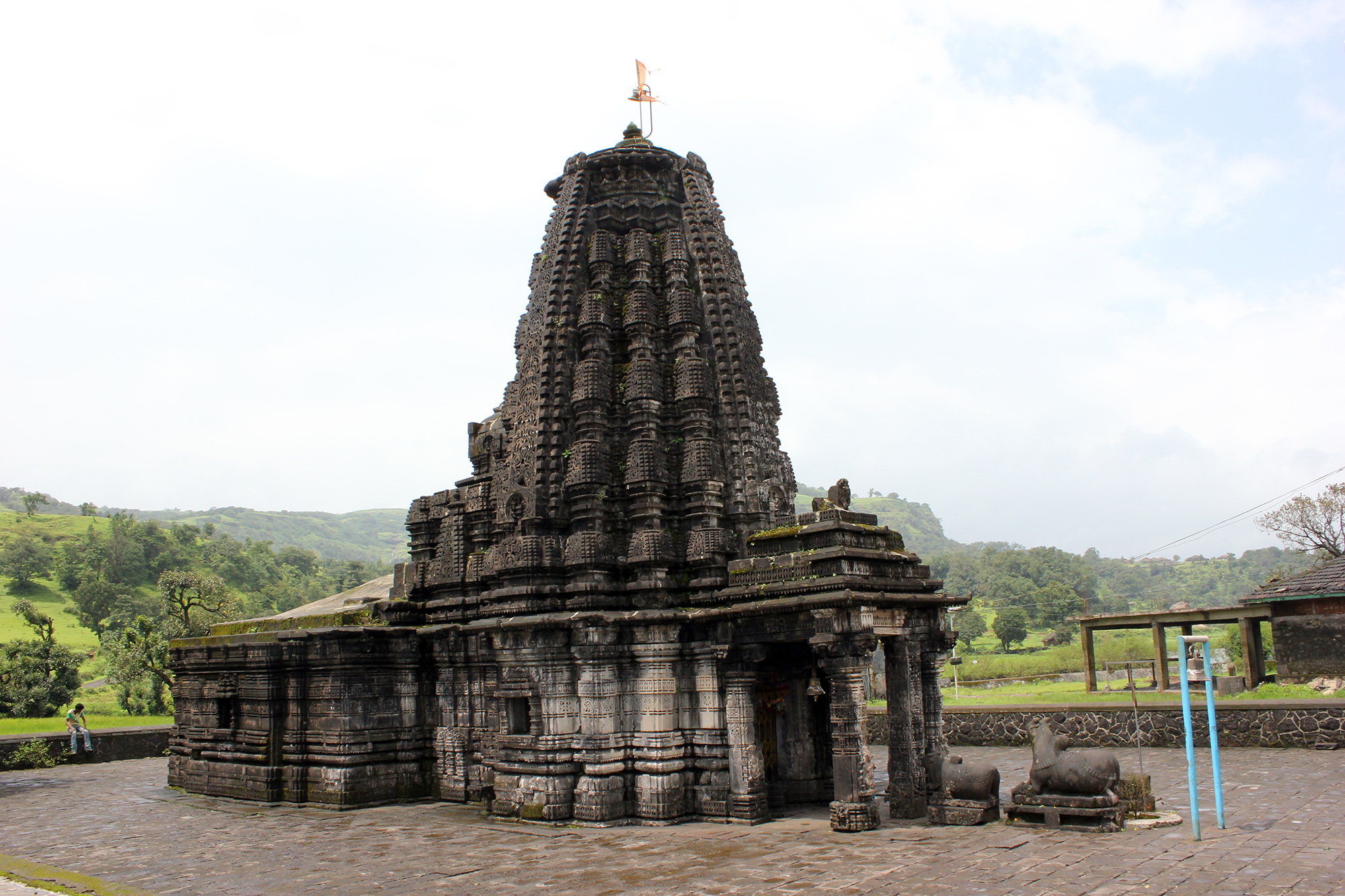
Chennamangalam Temple
Chennamangalam Temple in Kozhikode District, Kerala, is an ancient Hindu shrine with Lord Ayyappa as its primary deity, also revered as the second Sabarimala due to its spiritua…
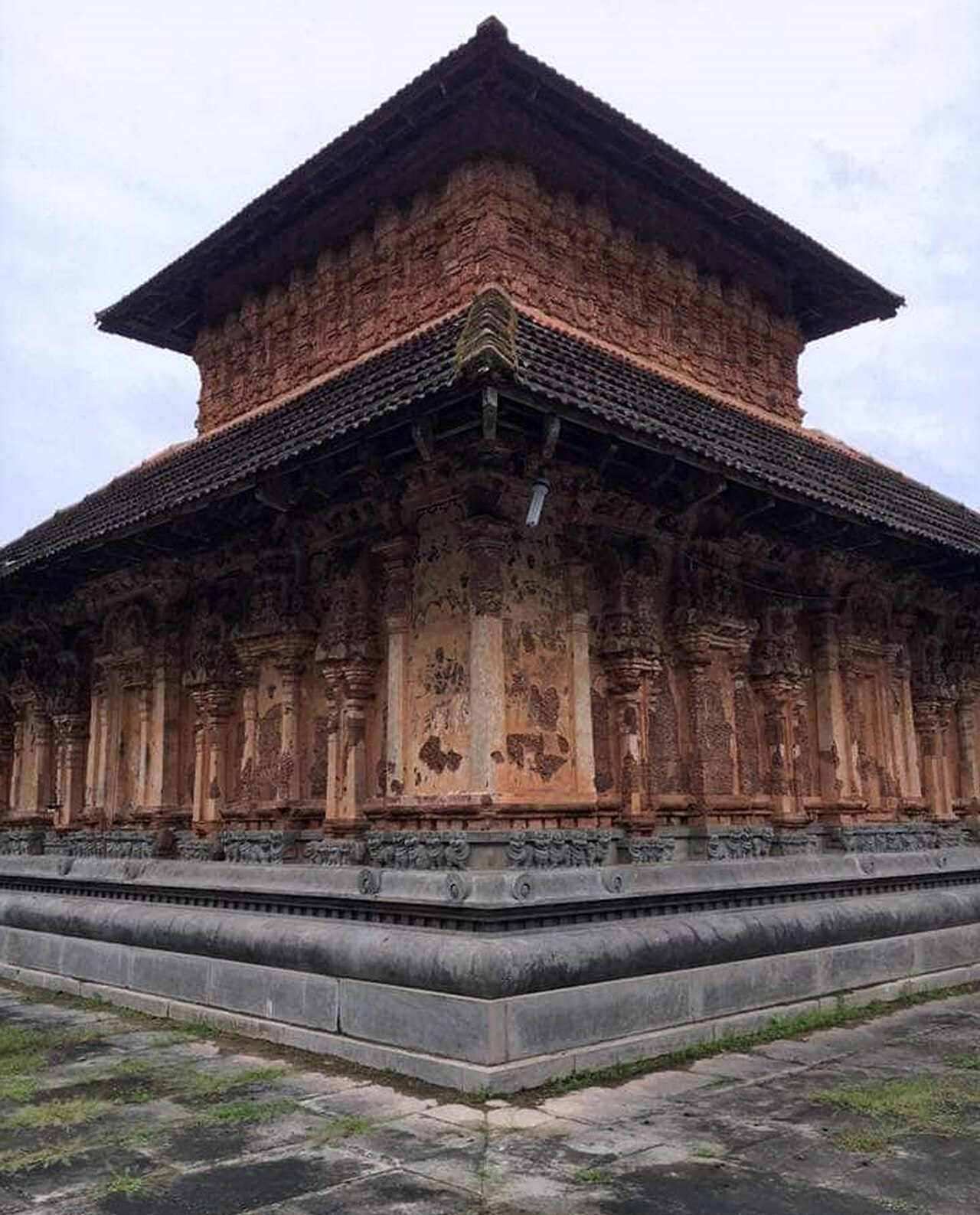
Nadapuram Iringannur Siva Temple
An ancient Hindu temple in Kozhikkode district dedicated to Lord Shiva in the form of Dakshinamurthy, believed to have been established by sage Parasurama and counted among Kera…
Karyat Sree Ayyappa Temple Vanimal
Karyat Sree Ayyappa-Bhagavathi Temple in Vanimal, Kerala is a modern shrine dedicated to Lord Ayyappa that evolved from a small devotional gathering space into an established pl…
Pisharikavu
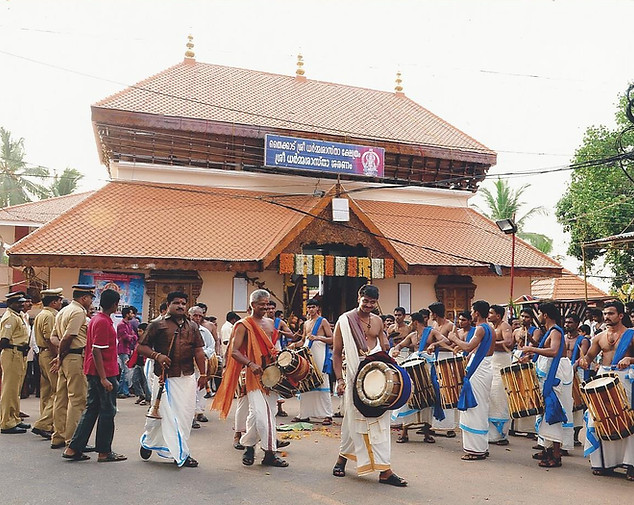
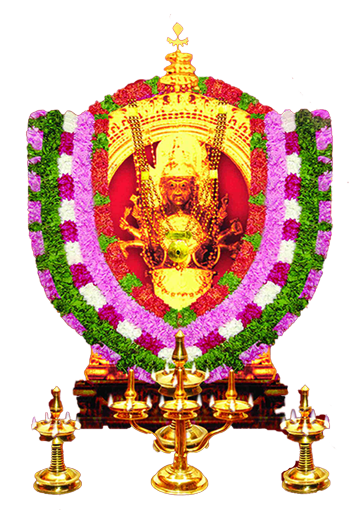
Pisharikavu is an ancient temple in Kollam, Kerala, with over 1500 years of history. The presiding deity is Bhagavati (Devi), worshipped alongside a sacred sword (nandaka) said…
Nateri Sri Lakshmi Narasimhamurthy Temple
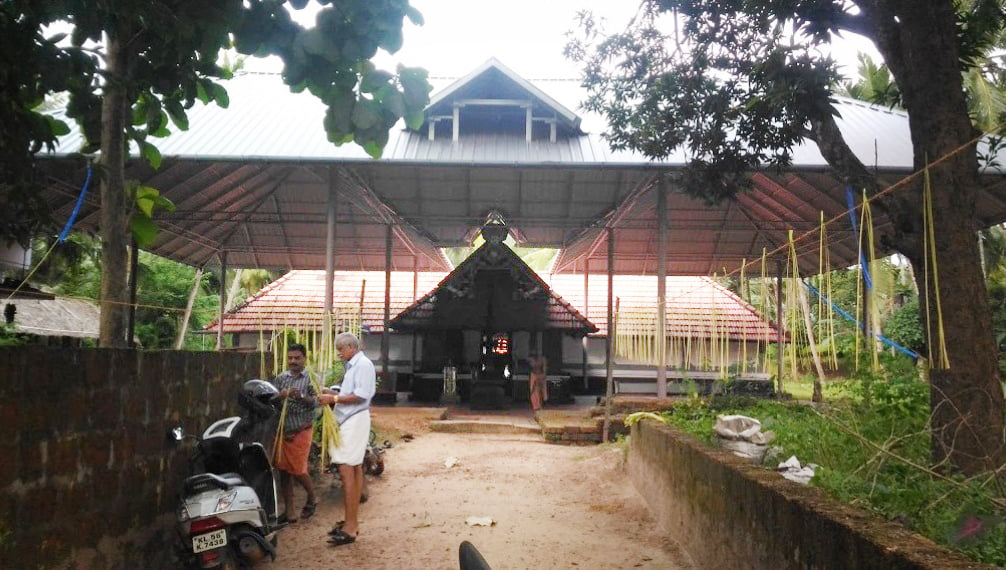
Nateri Sri Lakshmi Narasimhamurthy Temple is an ancient shrine in Nateri, Kozhikode district, Kerala, believed to be over 5000 years old, dedicated to Lord Narasimha in his fier…