Loganatha Perumal Temple
About Loganatha Perumal Temple
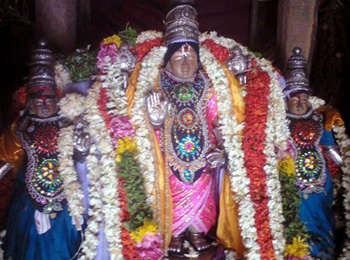
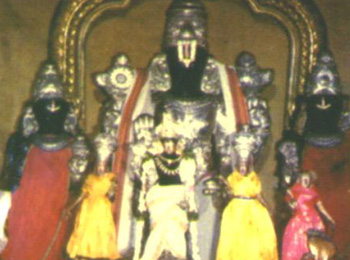
According to local tradition preserved at the temple, Thirukkannankudi's sanctity arose from the devotion of a brahmin family. For many generations, this family had performed daily worship of Vishnu without receiving any extraordinary sign of divine grace. When the youngest son came of age, he resolved to undertake tapas—spiritual austerity—at the site, fasting for many days until Vishnu appeared before him. When the deity asked what boon the young man desired, the brahmin made an unusual request: not for personal or family benefit, but for his village. He asked that Vishnu establish himself at this place as Loganatha, the Lord of all worlds, so that even a small village in the Cauvery delta might claim a place within Vishnu's full divine presence. Moved by this selfless petition, Vishnu agreed and took his seat at Thirukkannankudi under this name.
The temple's origins date to the medieval period, and its inclusion in the Divya Prabandham confirms its antiquity and spiritual significance within the Sri Vaishnavite community. The shrine has maintained its Vaishnavite customs and devotional practices across centuries, preserving the traditions that continue to define its religious character today.
Architecture and Sacred Spaces
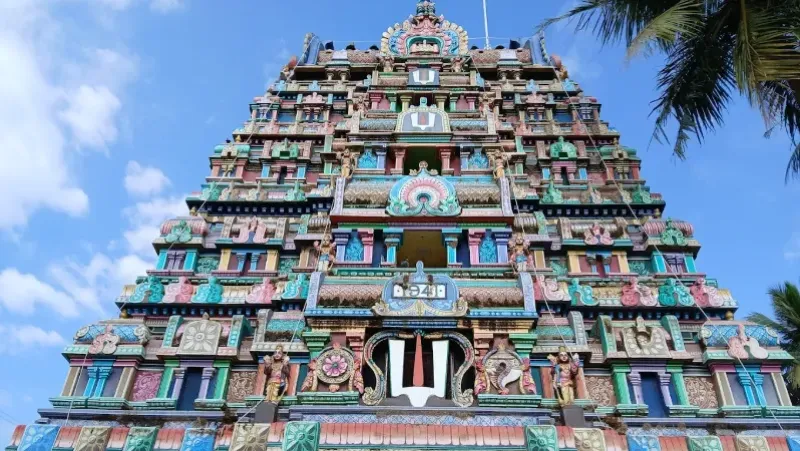
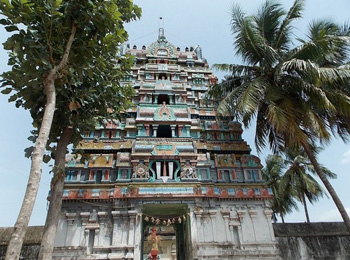
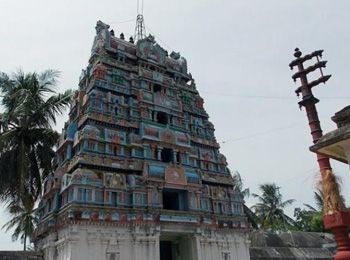
The temple follows the Dravidian architectural style characteristic of Tamil Nadu's sacred buildings. The structure features gopurams (temple towers), sacred halls, corridors, and a sanctum that forms the spiritual center of the shrine. The sanctum houses the image of Loganatha Perumal, while a separate shrine is dedicated to Loganayaki Thayar. The architectural design creates an environment conducive to worship and contemplation, with traditional sculptures and well-preserved temple structures enhancing the visual and spiritual experience of pilgrims.
Daily Worship and Darshan
The temple maintains regular darshan hours for devotees. Morning darshan is available from 7:30 to 11:30, with evening darshan from 17:30 to 19:30. The daily ritual cycle includes Suprabhatham (morning invocation) at 7:30, Madhyana Pooja (midday worship) at 11:00, and Sandhya Aarati (evening ritual) at 18:30. These traditional observances follow the pattern common to Sri Vaishnavite temples, where the deity is awakened, honored, and celebrated through the day's progression.
Devotees participate in various sevas (services), including archana (ritual worship with flowers and prayers) and recitations of the Divya Prabandham. The temple atmosphere during these times reflects the devotional character of the shrine, with worshippers engaging in prayer, reflection, and participation in traditional rituals. Early morning and evening hours are considered the most spiritually significant times for a visit.
Festivals and Celebrations
Two major festivals draw devotees to Thirukkannankudi. Vaikunta Ekadasi, observed on the eleventh lunar day in the Tamil month of Margazhi (December-January), is celebrated with special rituals and attracts significant numbers of pilgrims. The annual Brahmotsavam, the temple's principal festival, is observed with traditional processions, devotional recitations, sacred music, and elaborate decorations. These festival periods showcase the temple's spiritual traditions and foster community participation in worship.
Visiting the Temple
The temple is located 2 kilometers from Sikkal, accessible via the Tiruvarur-Nagapatnam highway. The nearest railway station is at Nagapattinam. Visitors should plan their visit during the designated darshan hours. Early morning visits offer a quieter, more meditative experience, while evening hours provide an opportunity to witness the Sandhya Aarati. The best times to visit are during the major festivals—Vaikunta Ekadasi and Brahmotsavam—when the temple's full spiritual significance is expressed through elaborate celebrations.
As with temples throughout the Sri Vaishnavite tradition, visitors should dress modestly and remove footwear before entering the sanctum. The temple's rural setting and smaller scale mean that facilities may be more limited than at larger pilgrimage centers; visitors should come prepared accordingly.
How to reach


Temples near Loganatha Perumal Temple
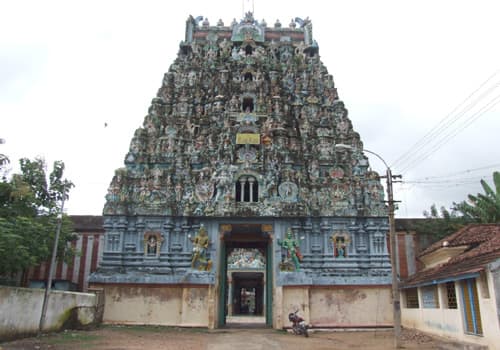
Keezhvelur Kediliappar Temple
Keezhvelur Kediliappar Temple is an ancient Shiva shrine in Tamil Nadu's Cauvery delta, revered as one of the 275 Paadal Petra Sthalams celebrated in Tevaram hymns and tradition…
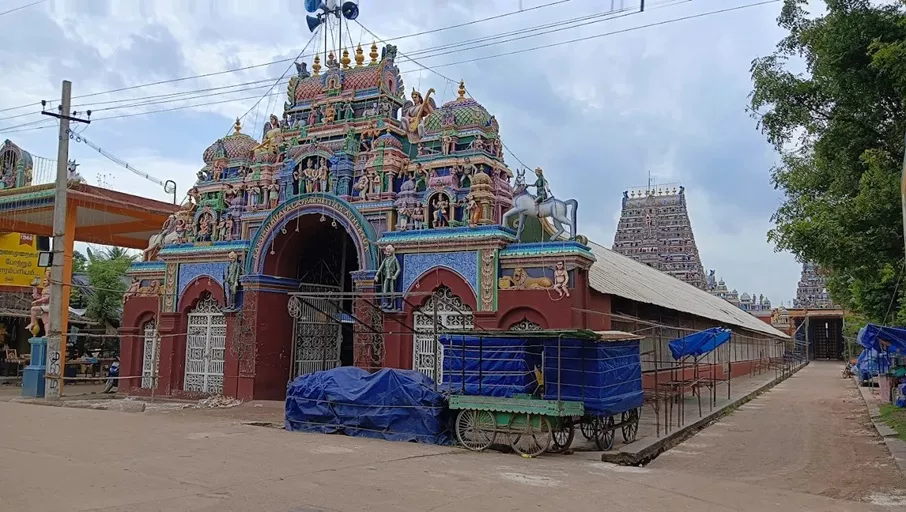
Sikkal Navaneetheswarar Temple
Sikkal Navaneetheswarar Temple is an ancient Shiva shrine in Nagapattinam district, Tamil Nadu, renowned for its self-manifested butter Lingam and as the site where Lord Murugan…
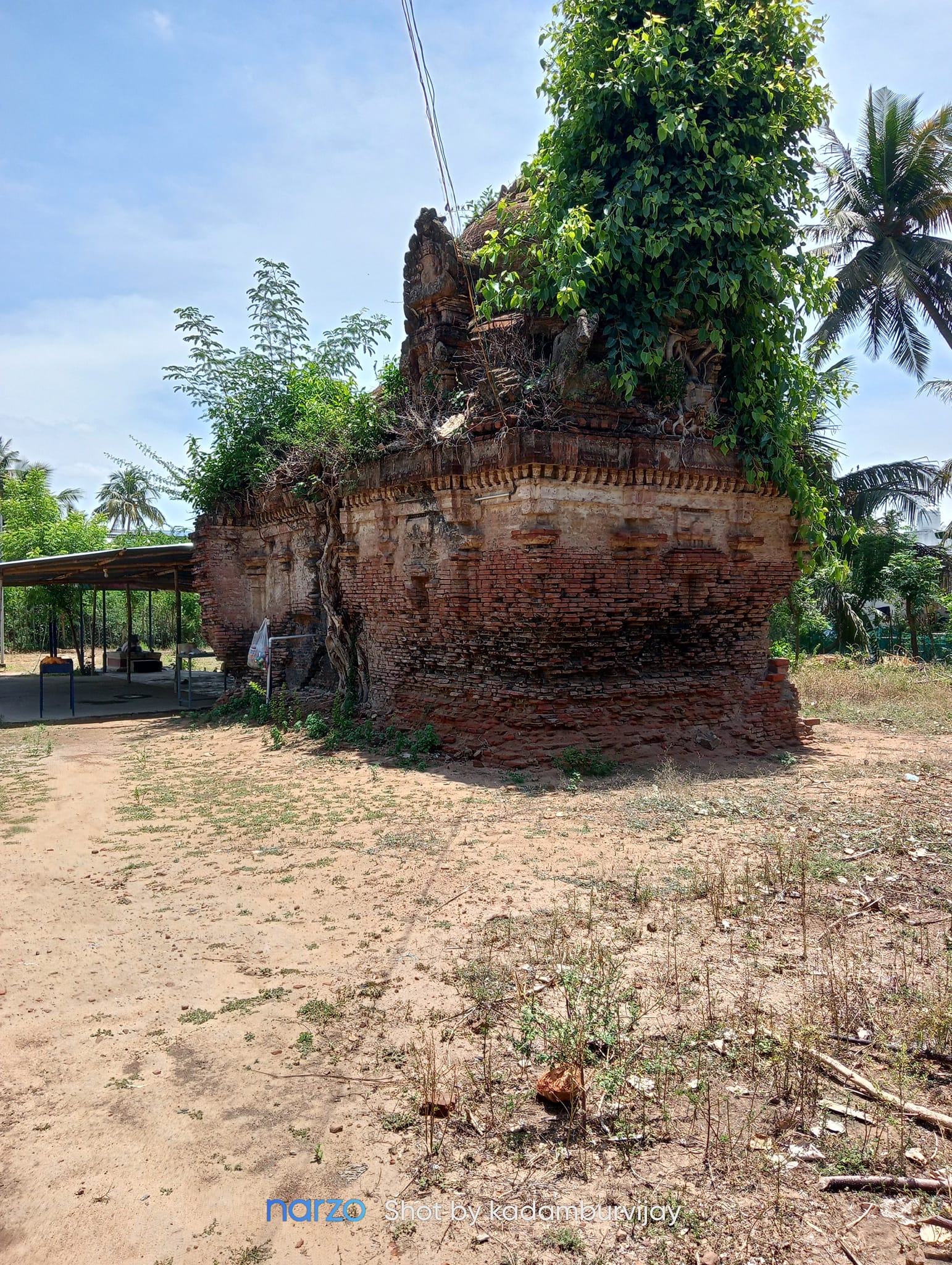
Koothur Dharmapureeswarar Temple
Koothur Dharmapureeswarar Temple is a thousand-year-old Shiva temple in Nagapattinam district, Tamil Nadu, where the presiding deity is Sri Dharmapureeswarar and the consort is…
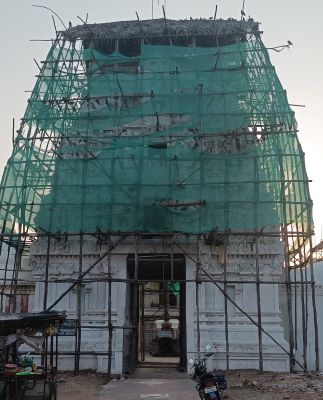
Deva Pureeswarar Temple
Deva Pureeswarar Temple in Thevur, Tiruvarur District, is an ancient Shiva shrine revered as one of the 275 Paadal Petra Sthalams, celebrated in Thevaram hymns by saints Samband…
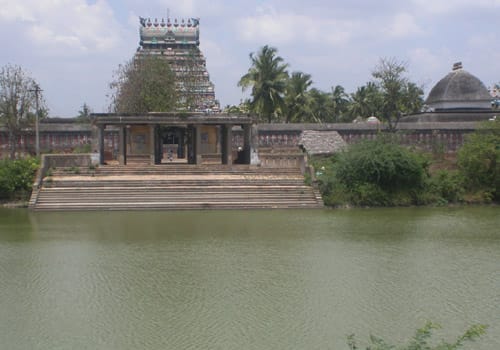
Veezhinathar Kovil, Thiruveezhimizhalai
Veezhinathar Kovil is an ancient Shiva temple in Thiruveezhimizhalai, Tamil Nadu, recognized as the 61st Padal Petra Kovil. The deity, Lord Veezhinatheswarar, is worshipped in t…
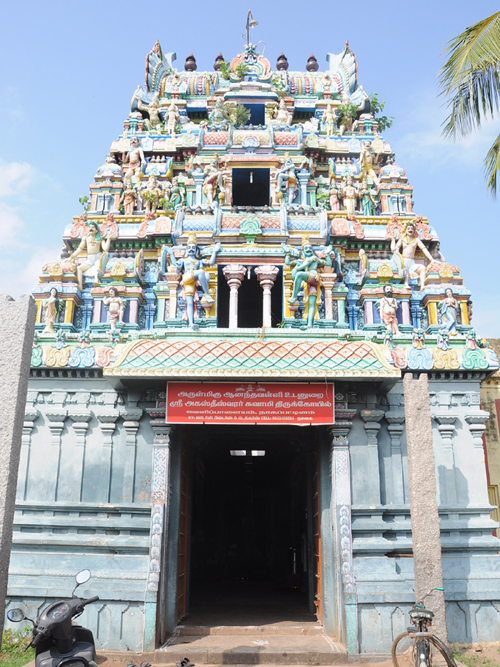
Nagapattinam Agastheeswaraswamy Temple
Agastheeswarar Temple in Nagapattinam district is an ancient Shiva shrine over 1000 years old, recognized as one of the 275 Paadal Petra Sthalams glorified in Tevaram hymns.