Lakhna Kalika Devi Mandir
About Lakhna Kalika Devi Mandir
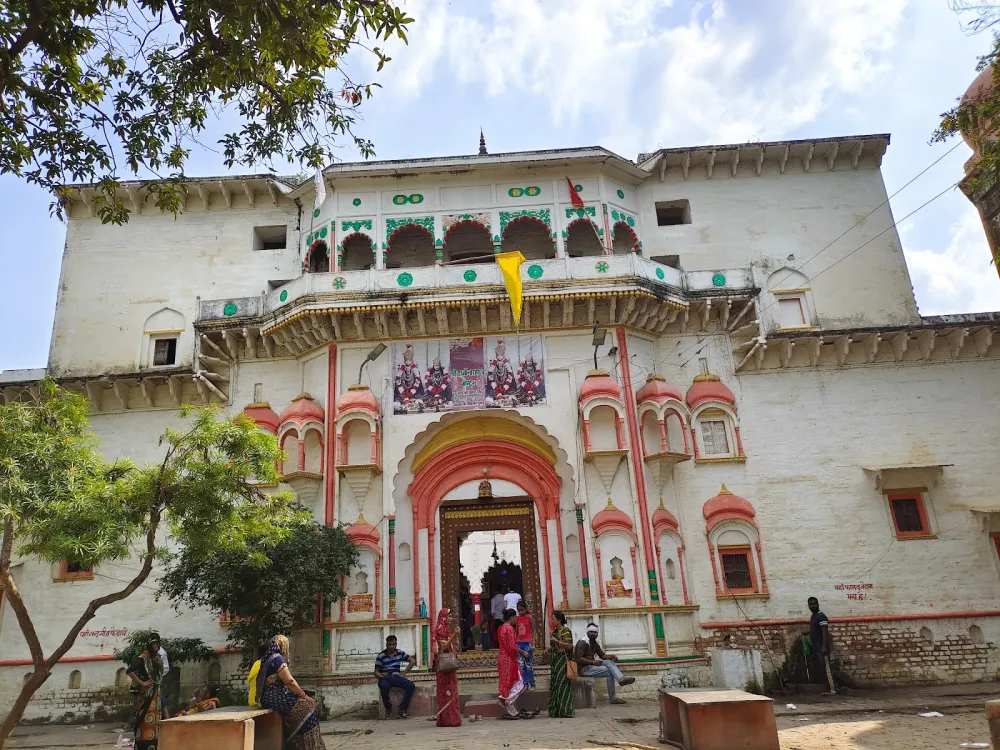
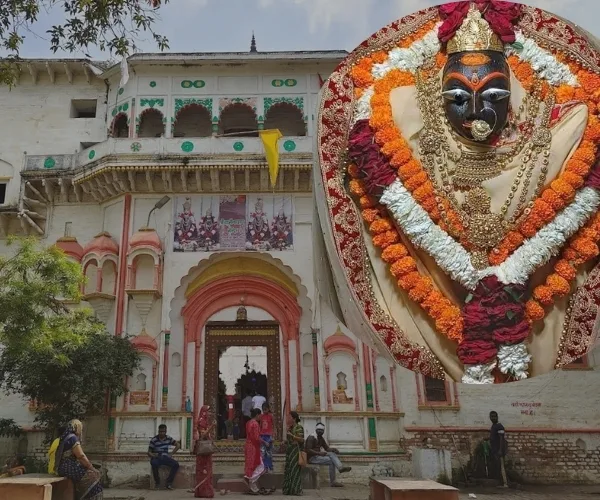
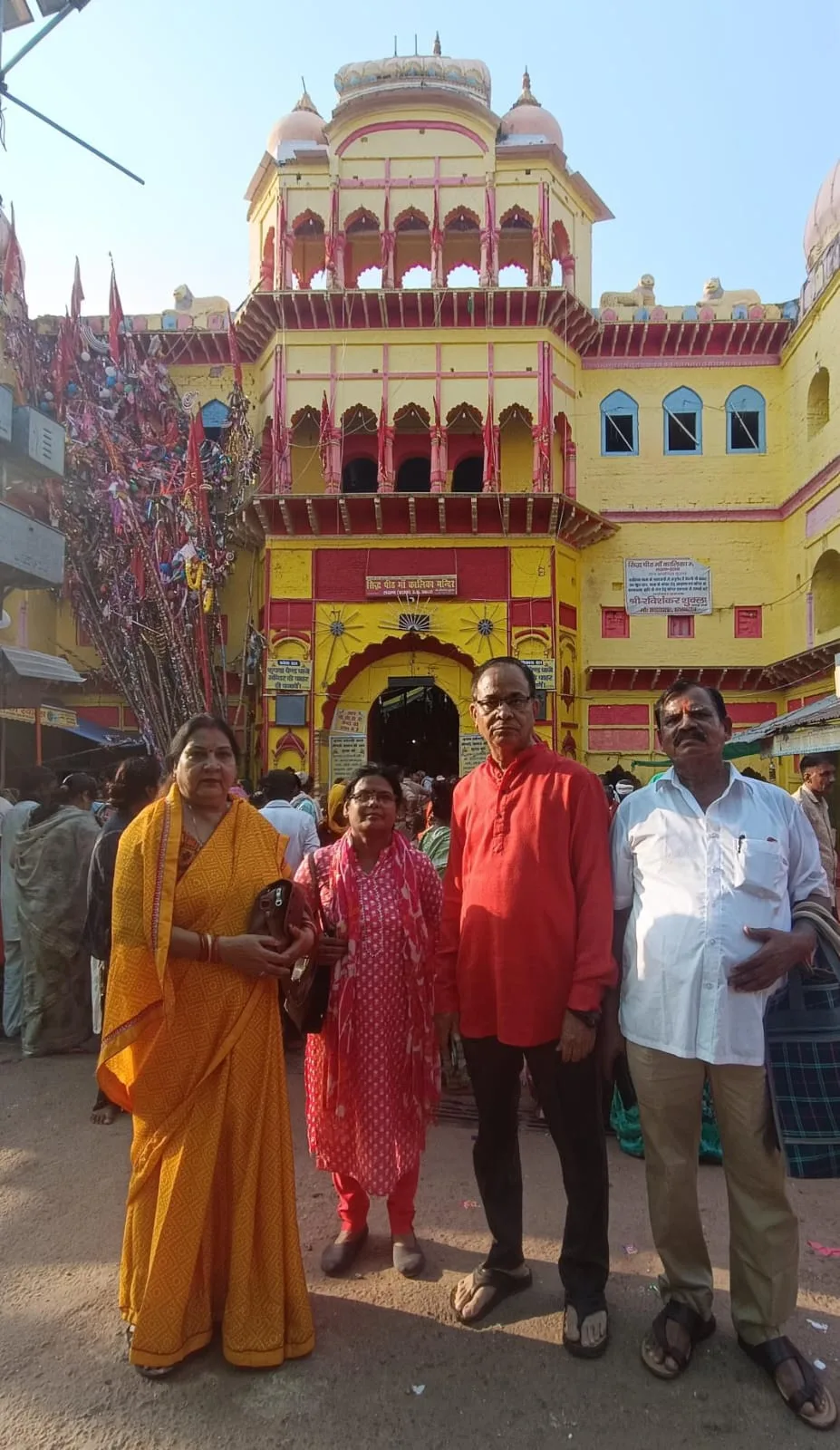
The temple is recognized as an ancient structure, though specific details of its construction and founding remain undocumented in available sources. Local tradition holds that the shrine was established by Rajput families, reflecting the historical patterns of temple patronage in Uttar Pradesh. The physical form of the temple reflects its age: the floor is of packed earth, and the overall design follows older architectural conventions rather than modern construction standards. Despite its antiquity, the temple continues to function as an active place of worship, maintained through the devotion of local communities.
Daily Worship and Darshan
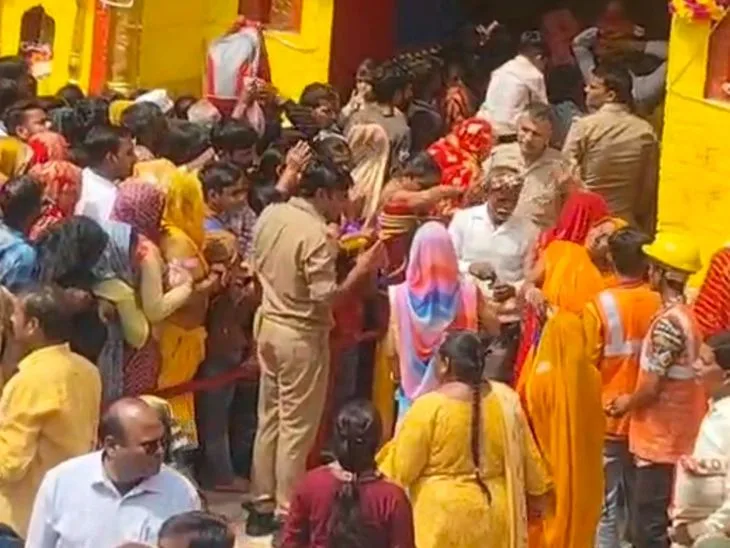
The temple opens daily from 6:00 AM to 8:00 PM, allowing devotees to visit throughout the day. Saturdays draw particularly large crowds of regular worshippers, making this day especially significant for those seeking to experience the temple's communal atmosphere. The shrine welcomes newly married couples and families with newborn children who come for their first prayers, a custom reflecting the temple's role in marking life's important transitions. Devotees often arrive with decorated religious flags and offerings, participating in singing and celebration as part of their worship.
Navaratri and Chaitra Mas Gatherings
The temple experiences its most substantial gatherings during Navaratri and Chaitra Mas, the two major festival periods in the Hindu calendar dedicated to the goddess. During these times, the temple hosts large congregations of devotees who come to celebrate with communal feasts and the distribution of sweets. These festivals transform the temple into a hub of collective worship, drawing families and relatives together. The exact dates of these observances follow the lunar calendar and vary annually; visitors planning to attend should confirm current dates before travelling.
A Sacred Space with Limitations
The temple maintains a modest infrastructure reflecting its ancient origins. The grounds are simple, without modern amenities, and the space can become crowded during peak visiting times. One inner sanctum is opened only once yearly for a brief period, remaining closed to regular darshan due to its sacred nature—devotees view the deity from outside during normal visits. Visitors should be aware that the temple's location, while spiritually significant, lacks extensive facilities. The site is approximately 25 kilometres from Etawah, about 2 kilometres from Bakewar, and roughly 3 kilometres from the national highway.
Visiting Practicalities
Those planning a visit should arrive during the stated opening hours of 6:00 AM to 8:00 PM. Saturday visits will involve larger crowds, while weekday mornings may offer a quieter experience. Modest dress is appropriate when visiting a Hindu temple; remove footwear before entering the sanctum. The temple's rural setting and older infrastructure mean visitors should come prepared for basic conditions. Photography policies and specific ritual protocols are best confirmed by contacting the temple directly at the listed phone number before your visit. The temple's significance as a family deity means many visitors come with specific intentions or prayers, approaching the space with sincere devotion.
How to reach
Temples near Lakhna Kalika Devi Mandir
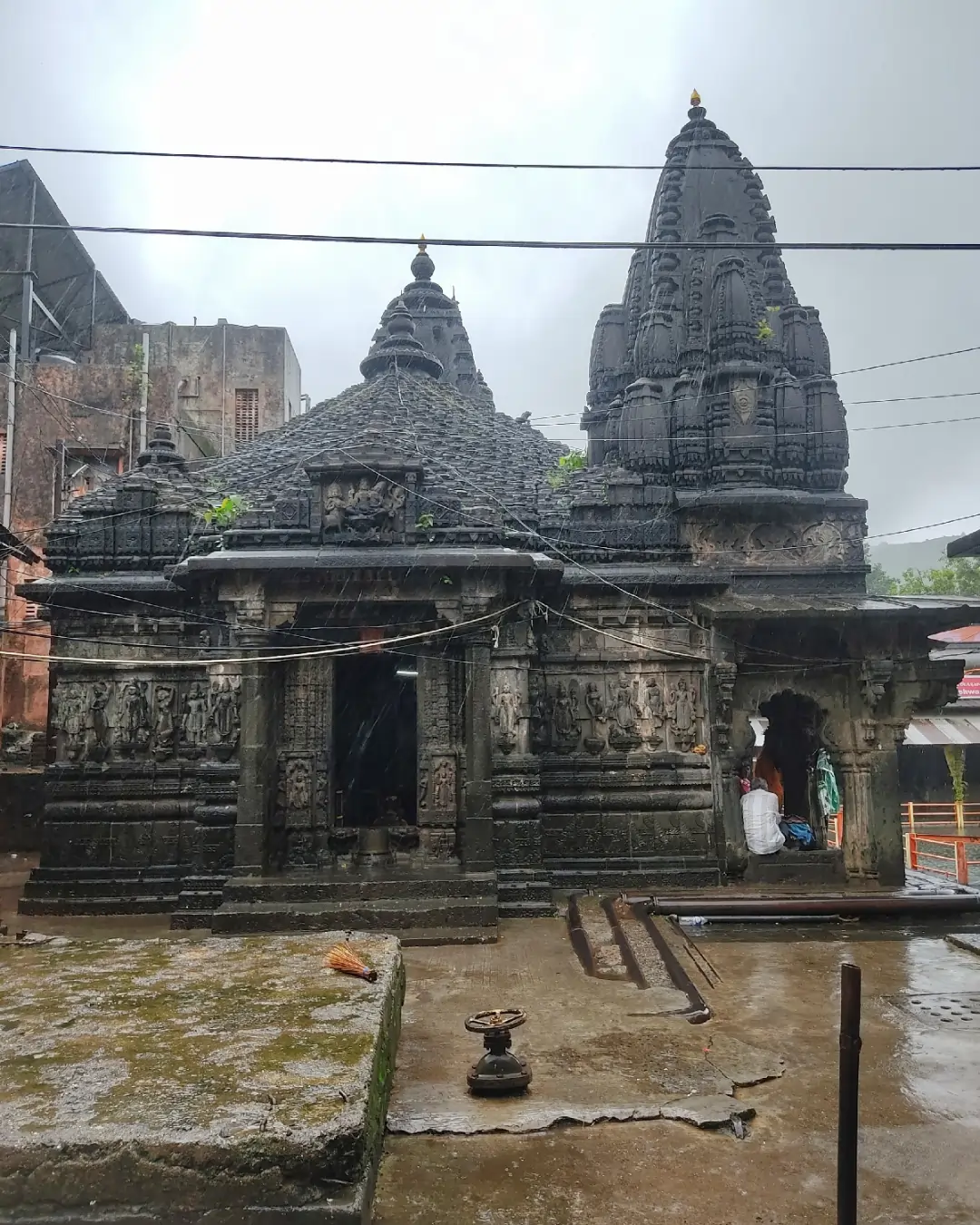
Kedareshwar Mandir
Kedareshwar Mandir in Trimbak, Nashik is a Shiva temple inspired by the sacred Kedarnath Dham, located near the holy Kushavarta Kund and serving as a spiritual stop for devotees…
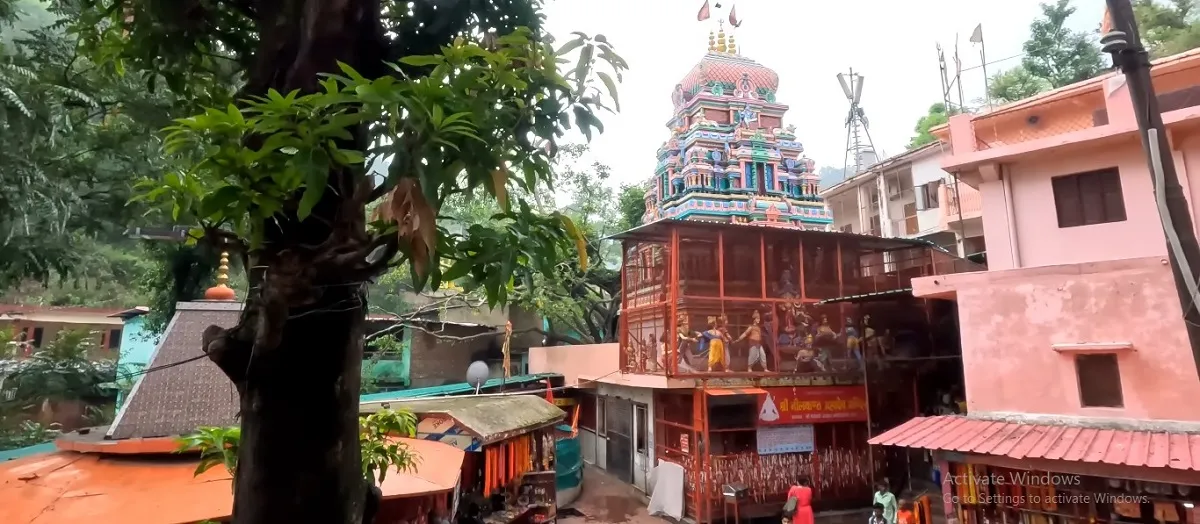
Neelkanth Mahadev Mandir
Neelkanth Mahadev Temple in Uttarakhand is a revered Shiva shrine located near Rishikesh, believed to be where Lord Shiva consumed the cosmic poison during the churning of the o…
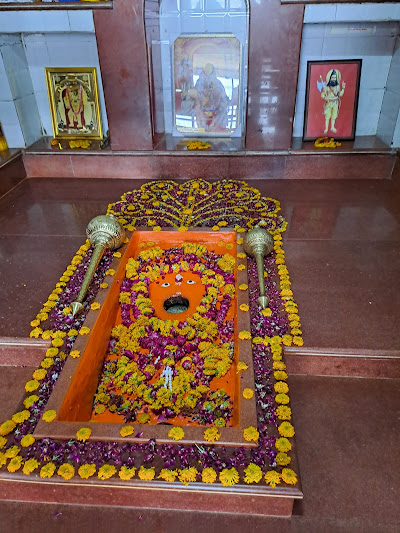
Pilua Mahaveer Mandir
Pilua Mahaveer Hanuman Temple, located on the banks of the Yamuna River near Pratapner in Etawah, Uttar Pradesh, is renowned for its rare reclining idol of Lord Hanuman and the…
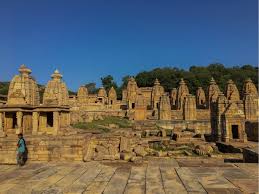
Bateshwar, Uttar Pradesh
Bateshwarnath Temple in Bateshwar houses an ancient Shiva Linga and is part of a remarkable cluster of over a hundred Shiva temples along the Yamuna near Agra, drawing pilgrims…
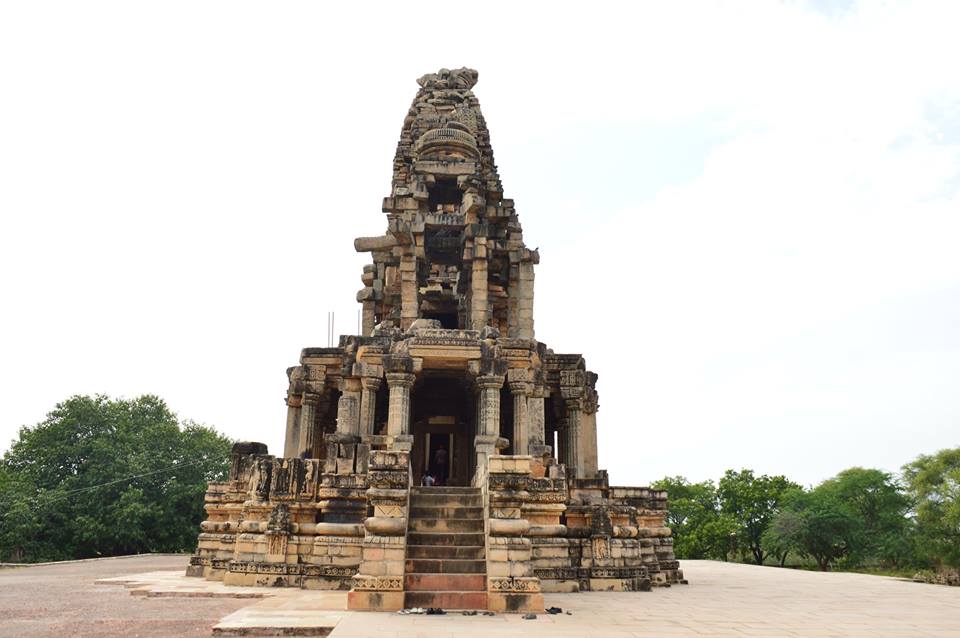
Kakanmath temple, Sihoniya
Kakanmath is an 11th-century ruined Shiva temple in Sihoniya, Madhya Pradesh, commissioned by Kachchhapaghata ruler Kirttiraja and now protected as a Monument of National Import…
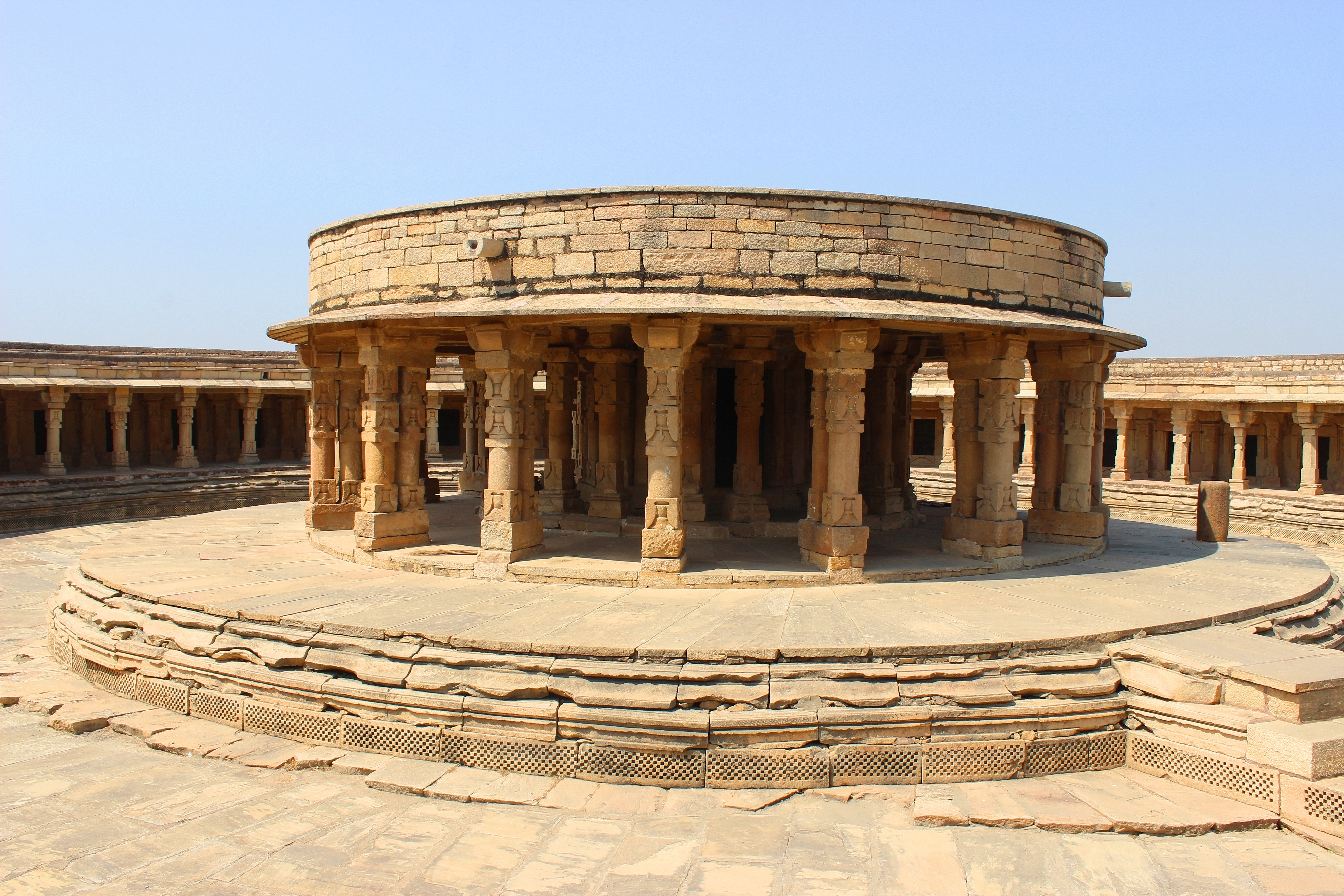
Chausath Yogini Temple, Mitaoli
An 11th-century circular Yogini temple in Morena district, Madhya Pradesh, featuring 65 chambers dedicated to 64 yoginis and the goddess Devi, built during the Kachchhapaghata r…