
Bateshwar, Uttar Pradesh
About Bateshwar, Uttar Pradesh
The temple opens for darshan in two sessions: morning hours from 06:00 to 12:00, and evening hours from 16:00 to 21:00. Both sessions include formal aartis—the morning aarti and the evening aarti—which structure the day's worship. The evening aarti is described as particularly engaging, accompanied by the ringing of bells and the sounding of conch shells, creating a sensory dimension to the ritual observance.
Visitors should plan their visit around these timings, as access outside these hours is not available. The morning session suits those seeking quieter darshan, while the evening aarti draws devotees seeking the full ceremonial experience. Shiva temples of this tradition typically welcome visitors of all backgrounds during darshan hours, though respectful conduct and modest dress are expected.
The Cattle Fair and Kartik Purnima
Bateshwar is known as the site of a substantial cattle fair, which forms part of the temple's cultural and economic significance within the region. This fair reflects the historical role of such sacred sites in serving as gathering points for trade and community assembly, beyond their purely devotional function.
The full moon day in the Hindu month of Kartik (typically October or November) holds particular importance at this location, drawing increased numbers of pilgrims. While specific details of observances on this date are not documented in available sources, Kartik Purnima is widely observed across Shiva temples as an auspicious occasion for worship and bathing in sacred rivers.
Best Time to Visit
The optimal period for visiting Bateshwar extends from October through March. These months offer cooler temperatures suitable for travel in North India and align with the Hindu calendar's major pilgrimage seasons. The monsoon and summer months, by contrast, bring heat and humidity that can make the journey and outdoor worship less comfortable.
Visitors planning their trip should note that temple schedules may shift during major festivals and seasonal observances, so confirming exact darshan and aarti timings in advance is advisable, particularly if travelling from a distance.
Reaching Bateshwar
The temple is situated in Bateshwar village, Agra District, at coordinates 26.936, 78.542. The primary route from Agra follows the Fatehabad–Bah road via NH-509, covering approximately 70 kilometres. Private vehicle hire or taxi services from Agra are the most practical options for most visitors, as public transport connections to this smaller settlement are limited. The journey typically requires 1.5 to 2 hours depending on road conditions.
Those combining this visit with other Agra-region sites should plan accordingly, as Bateshwar lies somewhat removed from the main tourist corridor centred on the Taj Mahal and Agra Fort.
What to Know Before Visiting
Visitors should dress modestly, covering shoulders and knees, as is customary at Hindu temples. Footwear is typically removed before entering the inner sanctum. Photography policies vary; it is respectful to ask permission before photographing the deity or active worship.
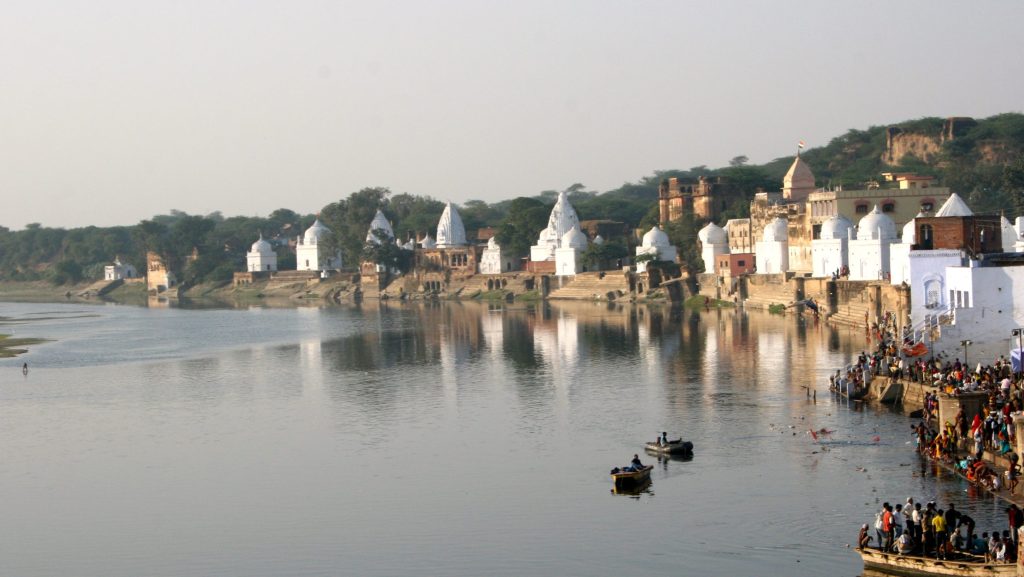
The temple grounds are situated on the Yamuna's banks, so the setting is open-air and exposed to weather. Bring water and sun protection, particularly during the warmer months. No specific information about facilities such as rest areas, food vendors, or accommodation is documented; visitors should arrange these independently or enquire locally upon arrival. The village setting means that amenities are modest compared to major pilgrimage centres.
How to reach
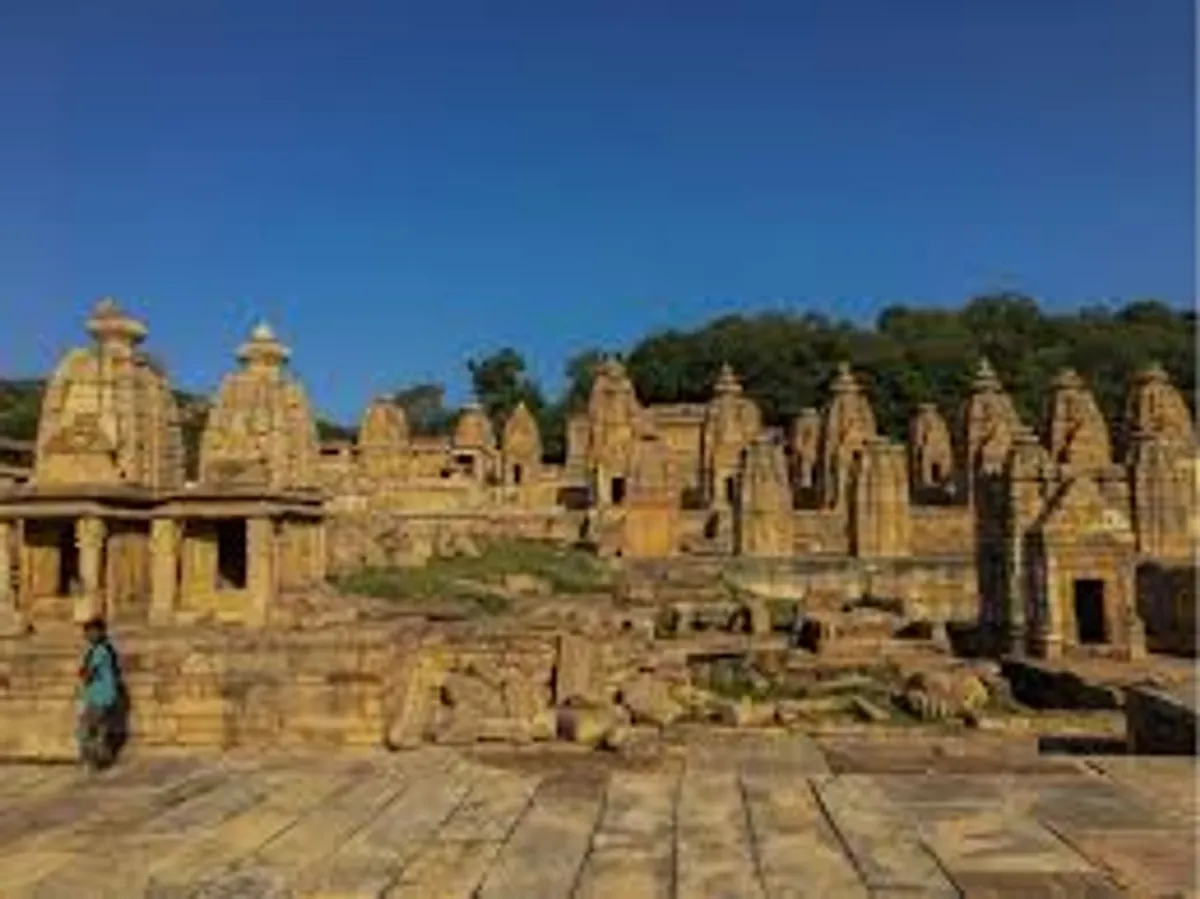
Temples near Bateshwar, Uttar Pradesh
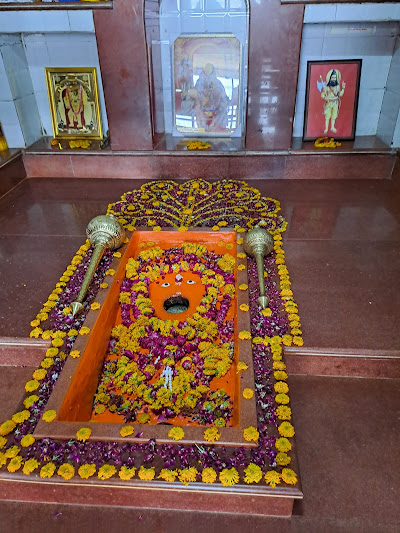
Pilua Mahaveer Mandir
Pilua Mahaveer Hanuman Temple, located on the banks of the Yamuna River near Pratapner in Etawah, Uttar Pradesh, is renowned for its rare reclining idol of Lord Hanuman and the…
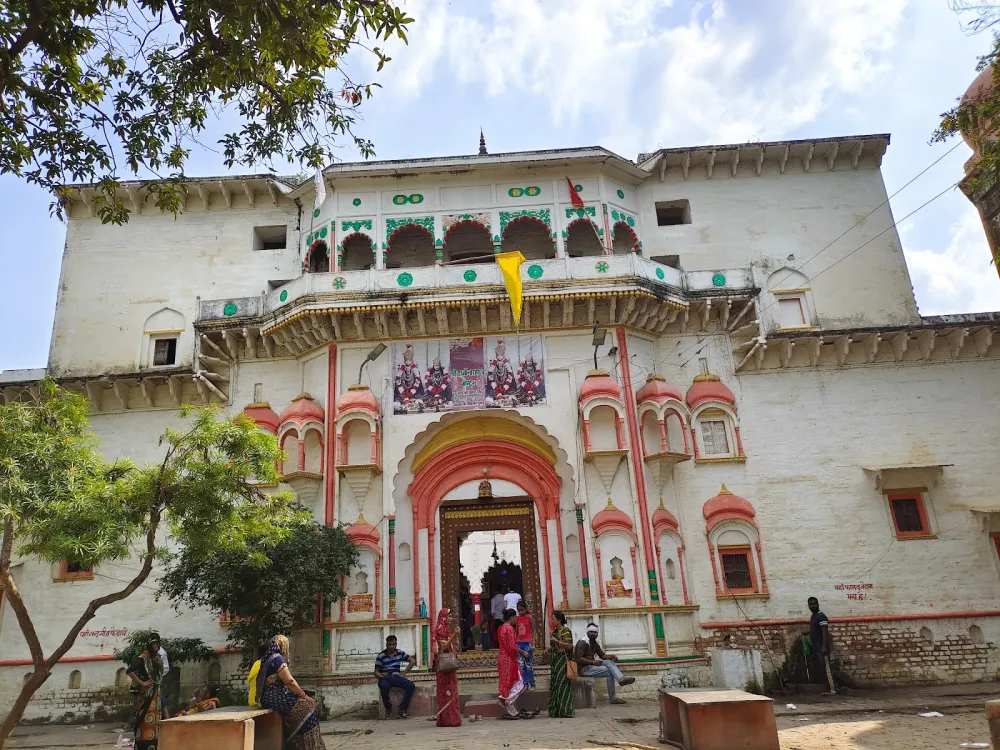
Lakhna Kalika Devi Mandir
Lakhna Kalika Devi Mandir is an ancient temple dedicated to Goddess Durga (Kalika Mata) located in Lakhna, Uttar Pradesh, revered as a family deity (kul devi) by many local comm…
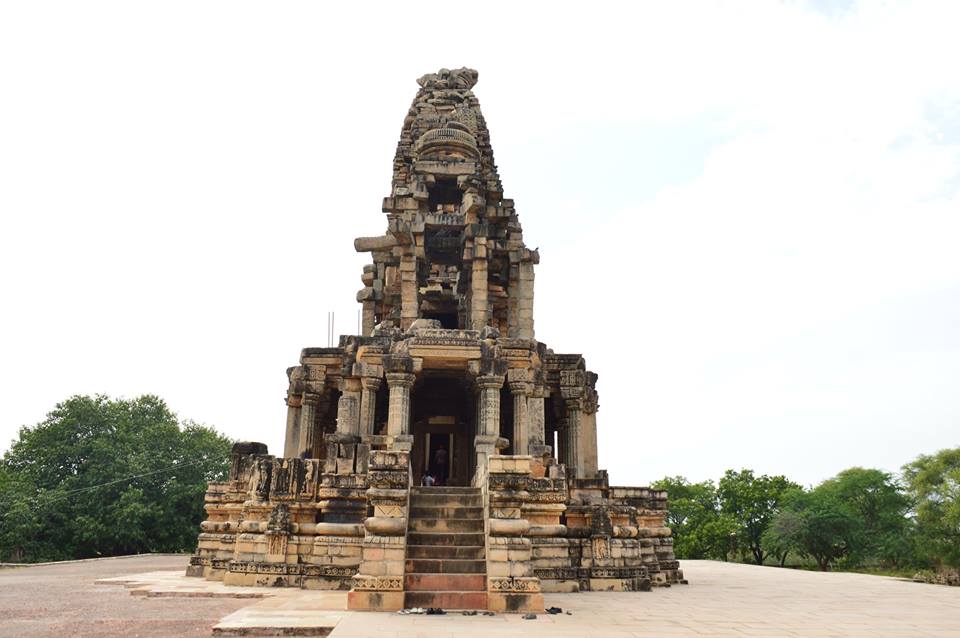
Kakanmath temple, Sihoniya
Kakanmath is an 11th-century ruined Shiva temple in Sihoniya, Madhya Pradesh, commissioned by Kachchhapaghata ruler Kirttiraja and now protected as a Monument of National Import…
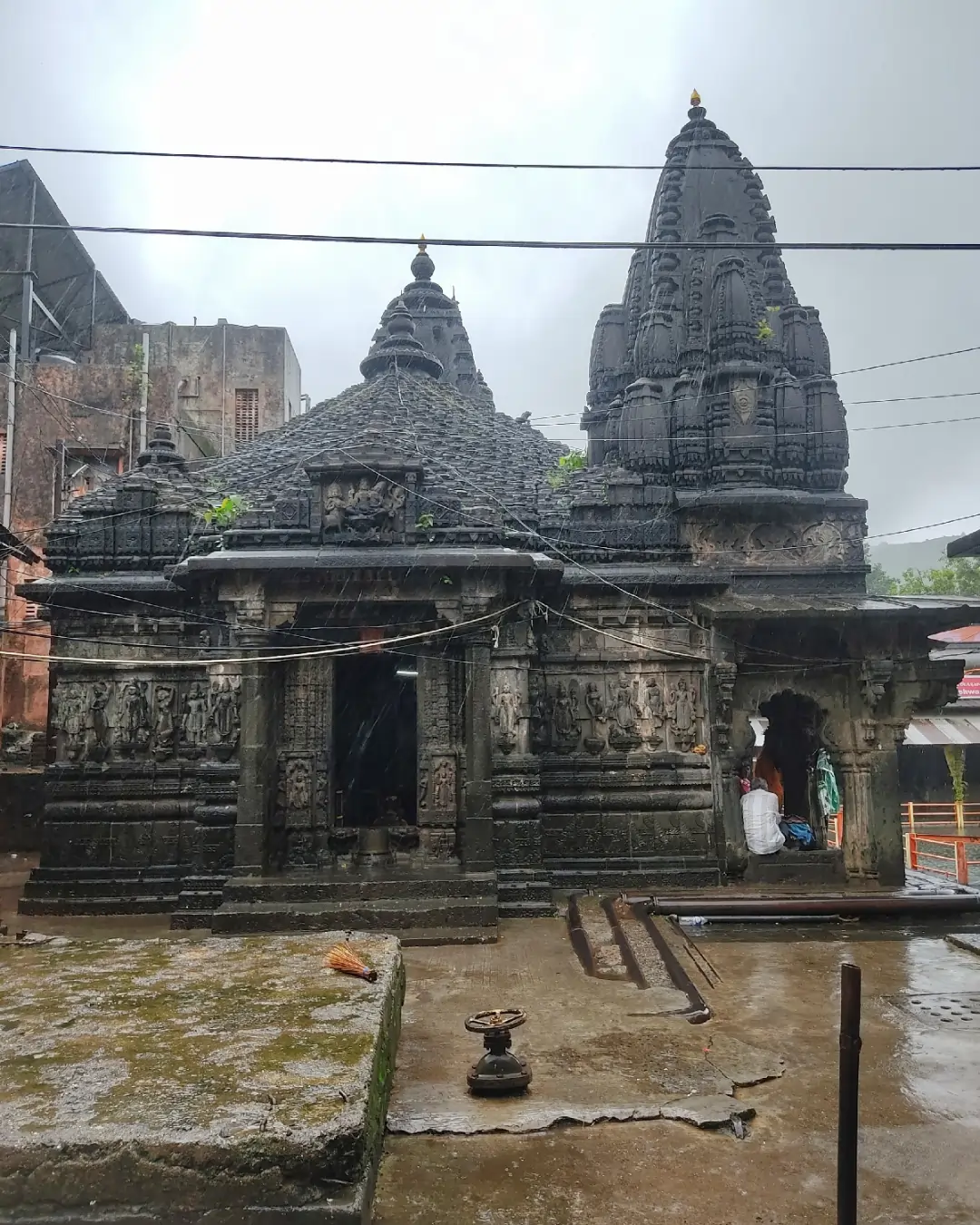
Kedareshwar Mandir
Kedareshwar Mandir in Trimbak, Nashik is a Shiva temple inspired by the sacred Kedarnath Dham, located near the holy Kushavarta Kund and serving as a spiritual stop for devotees…
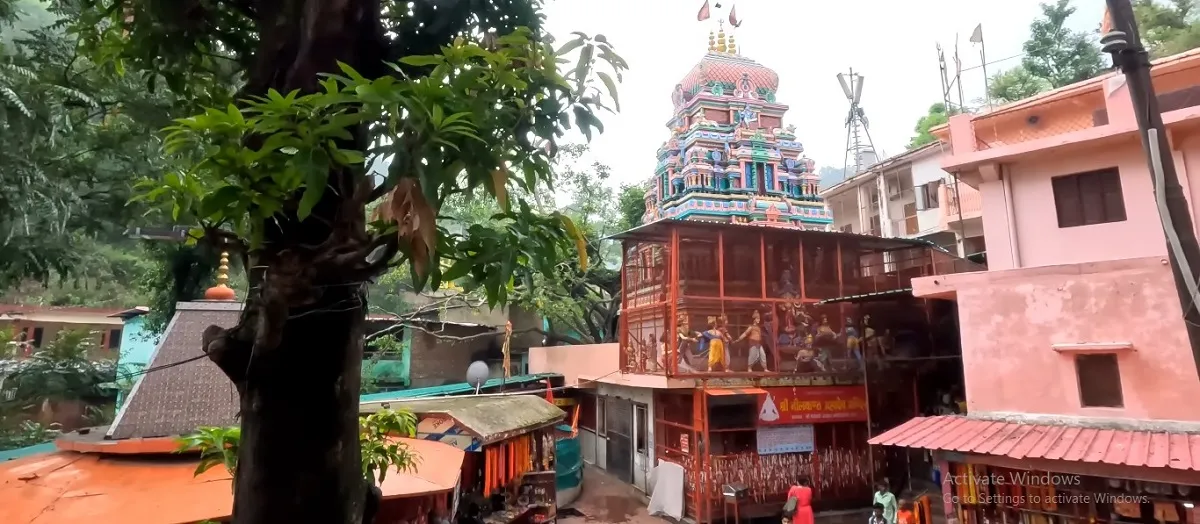
Neelkanth Mahadev Mandir
Neelkanth Mahadev Temple in Uttarakhand is a revered Shiva shrine located near Rishikesh, believed to be where Lord Shiva consumed the cosmic poison during the churning of the o…

Mankameshwar Temple
Mankameshwar Temple is an ancient Shiva temple in Agra, believed to house a silver-covered Shiva Linga said to have been established by Shiva himself during the Dvapara Yuga.