Kulassery Temple
About Kulassery Temple
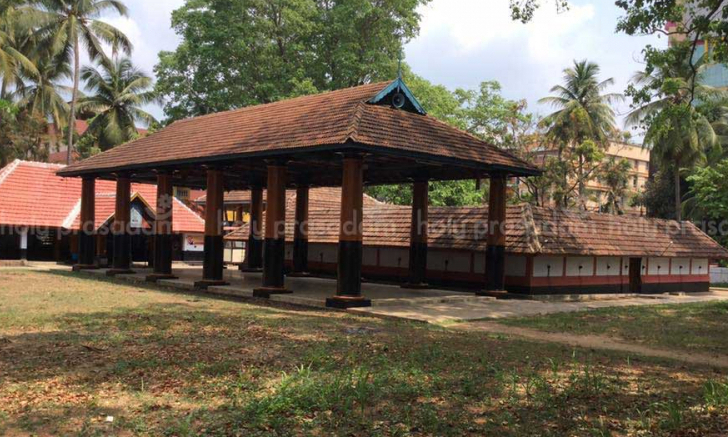
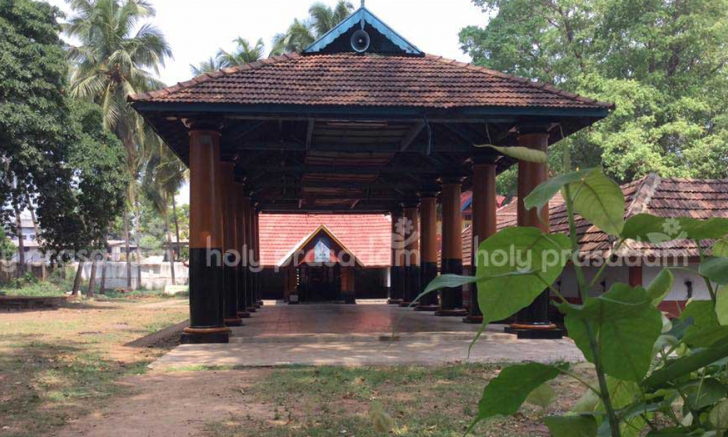
The temple occupies a spacious site surrounded by lush greenery and mature trees that create a peaceful atmosphere for worship. Among the notable features is a Sivalinga pushpam tree, which produces abundant flowers, adding natural beauty to the sacred space. A pond on the temple grounds contributes to the serene environment, offering visitors a tranquil setting for reflection. The combination of water, vegetation, and open space distinguishes this temple as a place of natural calm within the urban landscape of Thrissur city.
Administration and Management
The Cochin Devaswom Board oversees the management and administration of Sree Kulassery Temple. This institutional framework ensures the temple's maintenance, ritual schedules, and day-to-day operations. Devotees seeking information about specific poojas, timings, or temple facilities can direct inquiries through the Devaswom Board's administrative channels.
Worship and Poojas
The temple offers a range of poojas suited to different spiritual intentions and budgets. Common offerings include Archana, a pooja performed for peace of mind and astrological benefit, available at modest cost. More elaborate rituals such as Ashtadravya Ganapathy Homam are performed for prosperity and relief from illness and mental disturbance. Other poojas include Appanivedhyam for averting life's problems, Ayilya Pooja for serpent propitiation and skin ailment relief, and Bhagavathy Seva for prosperity. Chandhanam Chaarth and Divasa Pooja are performed to please the deity, cure disease, and maintain peace and prosperity. For those seeking more comprehensive rituals, Chuttuvilakku Niramala is a longer pooja aimed at prosperity, health, and removal of negativity. Devotees can arrange these poojas through the temple's pooja registration system, with costs ranging from minimal amounts for simple offerings to several hundred rupees for elaborate ceremonies.
Visiting the Temple
Visitors should dress modestly when entering the temple, following the conventions of Hindu sacred spaces. Footwear is typically removed before entering the inner sanctum. The temple's two entrances provide flexibility in approach depending on your location in the city. The proximity to the KSRTC bus station makes the western entrance particularly convenient for those using public transport. The open, tree-filled grounds allow for unhurried darshan and circumambulation. Specific timings for daily worship and darshan hours should be confirmed with the temple administration or the Cochin Devaswom Board, as these may vary seasonally or for special occasions.
Practical Information
The temple's management by the Cochin Devaswom Board means that standard protocols for Kerala temples apply. Photography policies, restrictions on entry to certain inner sanctums, and ritual timings follow institutional guidelines. Visitors planning to perform a specific pooja should contact the temple in advance to arrange timing and make necessary offerings. The temple's location near a major junction and bus station means parking and access are generally straightforward, though visitors should allow time to navigate the Thrissur city traffic. The natural setting and pond make the temple suitable for extended visits, though specific facilities such as rest areas or refreshment options should be confirmed directly with the temple administration.
How to reach
Temples near Kulassery Temple
Chirakkal Mahadeva Temple
Chirakkal Mahadeva Temple is an ancient Hindu shrine dedicated to Lord Shiva in his fierce Roudra form, recognized as the 108th Shiva temple in India and located in Kerala's Kan…
Vadakkunnathan Temple, Thrissur
Vadakkunnathan Temple in Thrissur is an ancient Kerala-style shrine dedicated to Lord Shiva, renowned for its unique ghee-formed mound in the sanctum and its role as the spiritu…
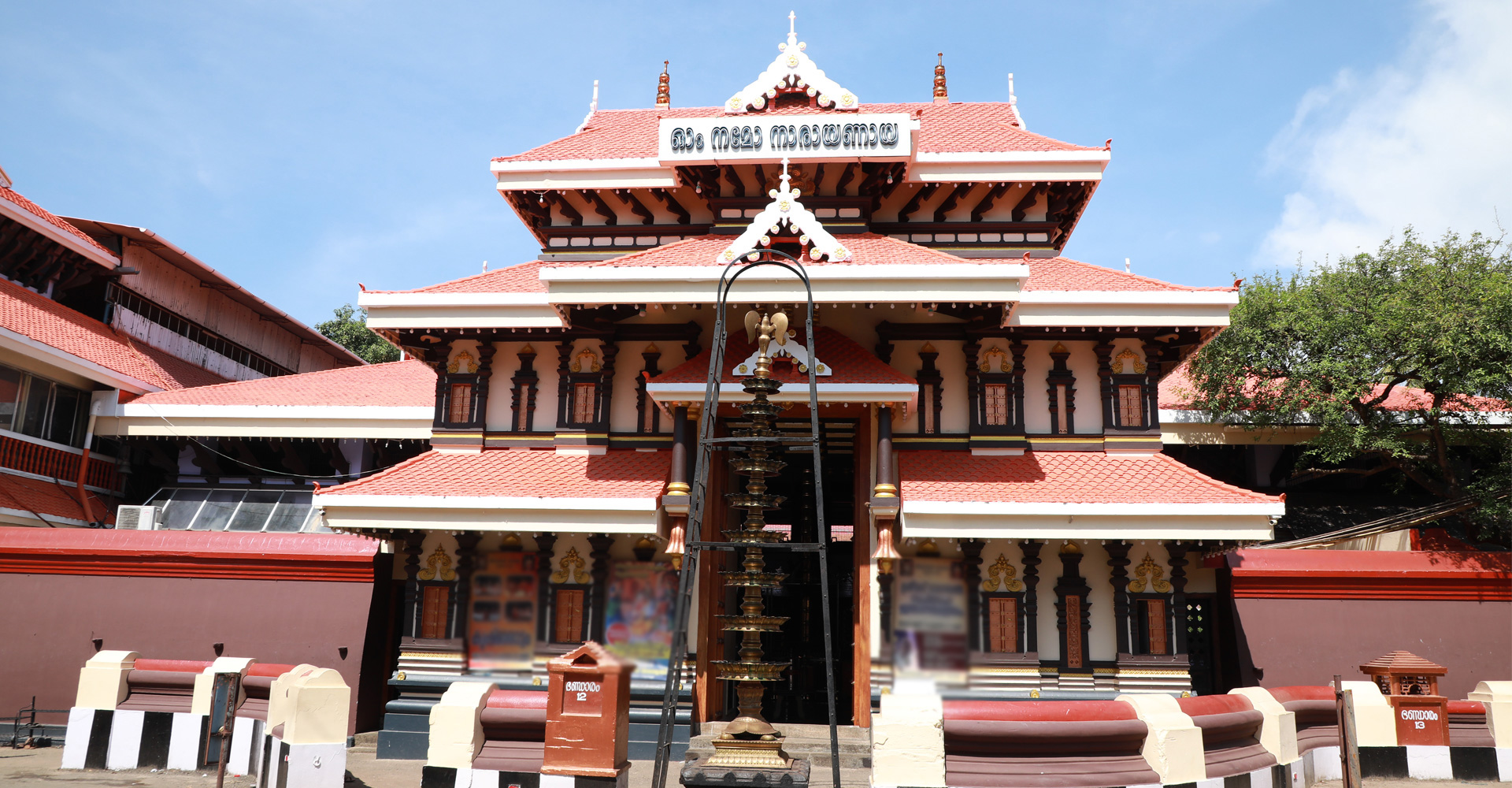
Paramekkavu
Paramekkavu Bagavathi Temple is one of Kerala's largest Devi temples, located in Thrissur City. It serves as the principal participant heading one side of the renowned Thrissur…
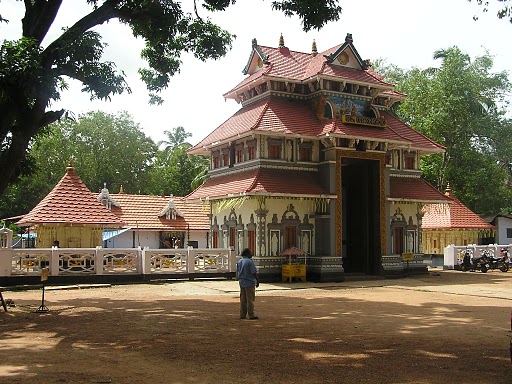
Thiruvambadi Sri Krishna Temple
Thiruvambadi Sri Krishna Temple in Thrissur, Kerala, enshrines Krishna as a child and Bhadrakali as co-principal deities. It is one of two major groups participating in the reno…
Sree Maheswara Temple
Sree Maheswara Temple in Koorkenchery, Thrissur, is a historic Hindu shrine consecrated by Narayana Guru where Shiva is the principal deity, though the seven-day Thaipooya Mahot…

Chembukkavu Bhagavathy Temple
Chembukkavu Bhagavathy Temple is a Hindu shrine dedicated to Bhadrakali located in Thrissur, Kerala, and ranks among the 108 Durga temples in the state. The temple participates…