Sundha Mata Temple
About Sundha Mata Temple
The temple opens for darshan from 06:15 in the morning until 21:00 (9:00 PM) in the evening, accommodating both early risers and those visiting after daylight hours. Two formal aartis—the ritual of worship involving light and offerings—structure the day: the morning aarti runs from 07:00 to 07:30, while the evening aarti takes place from 19:00 to 19:30. These ceremonies represent the principal moments of collective worship at the shrine.
Visitors should plan their visit around these timings if they wish to participate in the formal rituals. The extended darshan hours allow flexibility for pilgrims with varying schedules, though the morning and evening aartis remain the focal points of the temple's daily rhythm.
Visiting the Temple: Practical Information
Sundha Mata Temple is located 64 kilometres from Mount Abu and 20 kilometres from the town of Bhinmal, placing it within reach of several regional reference points. The precise coordinates are 24.833°N latitude and 72.367°E longitude for those using navigation tools.
The temple's official website warns against fraudulent online booking services for the dharamshala (pilgrim rest house). No legitimate online booking system exists for accommodation at the shrine; visitors should treat any such claims as scams. For genuine inquiries, the temple can be contacted directly at +91 7742501296 or via email at the address listed on their official site. This direct contact remains the appropriate channel for questions about facilities and arrangements.
Reaching the Temple
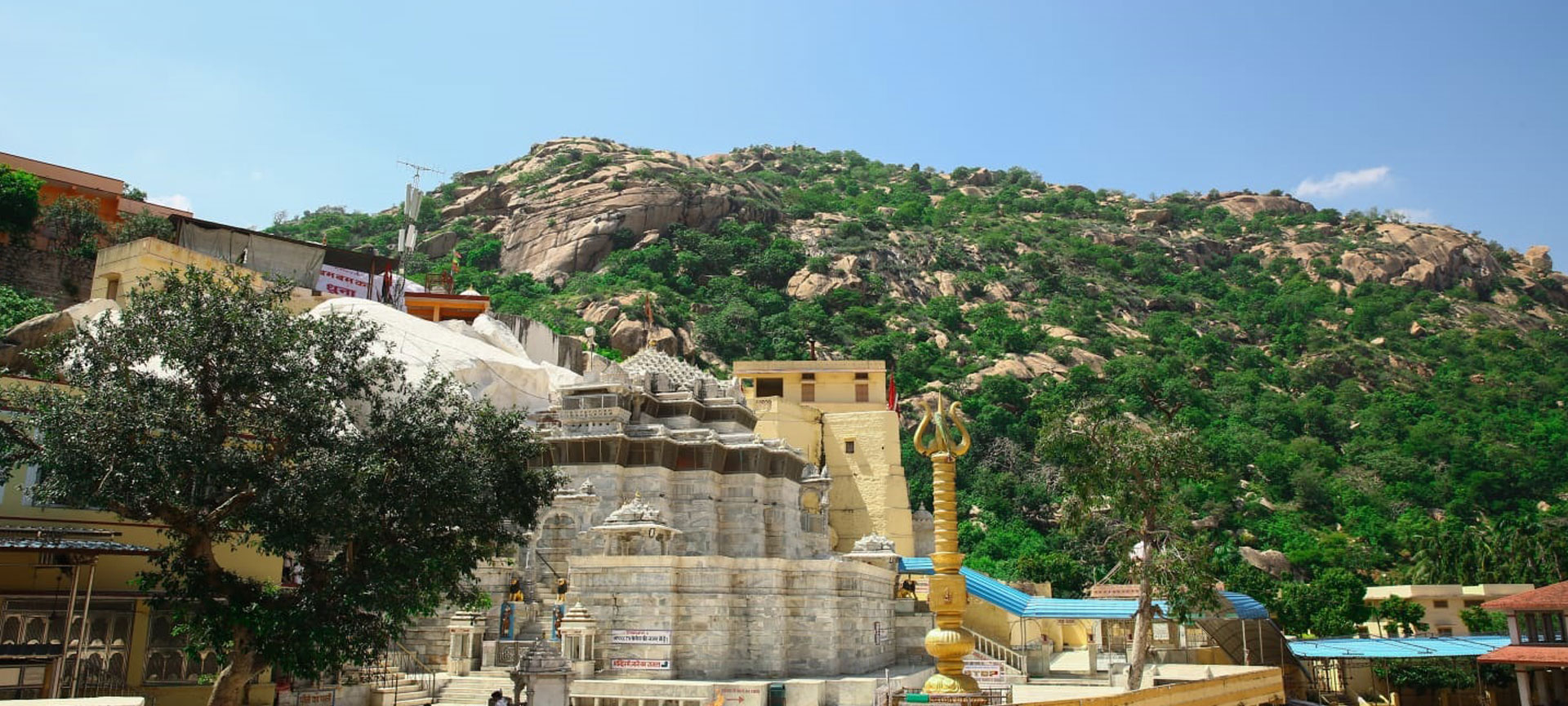
The temple's location in Jalore District, Rajasthan, requires planning for road access. Bhinmal, situated 20 kilometres away, serves as a nearby town reference point. Mount Abu, a well-known destination in the region, lies 64 kilometres distant. Visitors travelling to the area should arrange transport to Bhinmal or another nearby town, then proceed to the temple's hilltop location. The temple's website includes a "How to Reach" section with further directional guidance.
The Pilgrimage Experience
Visiting a Shakti temple typically involves approaching the shrine with respectful intention. Devotees traditionally offer prayers, flowers, and other offerings at goddess temples, though specific practices may vary. The hilltop location means the journey to the temple itself forms part of the pilgrimage experience—a physical ascent that many traditions associate with spiritual approach.
The presence of a dharamshala indicates provision for overnight stays, allowing pilgrims to extend their visit and participate in multiple ritual cycles. The temple maintains a trust structure with members and priests who oversee daily operations and ceremonies.
A Living Place of Worship
Sundha Mata Temple functions as an active shrine rather than a historical monument. Its nearly nine centuries of continuous worship suggest it remains integral to the devotional life of the surrounding region and beyond. Visitors should approach the temple with the awareness that they enter a space of active religious practice, where the rhythms of daily ritual and seasonal observance continue as they have for generations.
How to reach
You may also visit
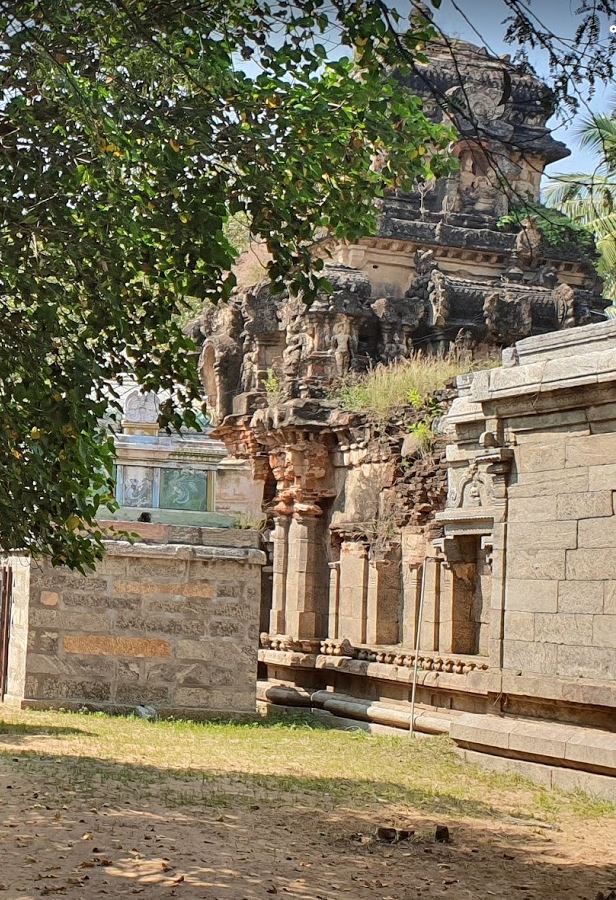
Agatheeswarar Temple, Karur
Agatheeswarar Temple in Thirumukkudalur, Karur district, is an ancient Hindu shrine dedicated to Shiva, situated at the sacred confluence of three rivers and believed to be over 1000 years old.
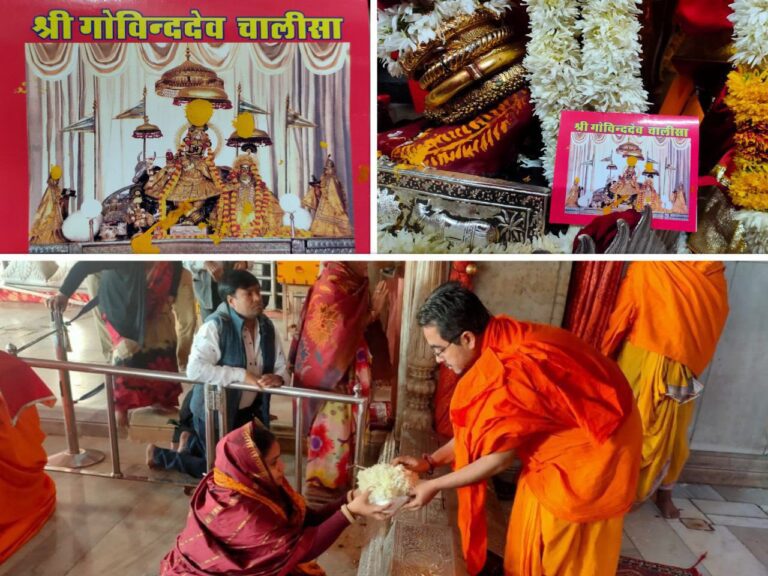
Kalyanji Temple
Kalyanji Temple in Jaipur's Chandpol Bazaar is an ancient Krishna shrine established in the 1820s, renowned for its seven daily aartis and special avatar darshan ceremonies during Akha Teej and Patottsav festivals.
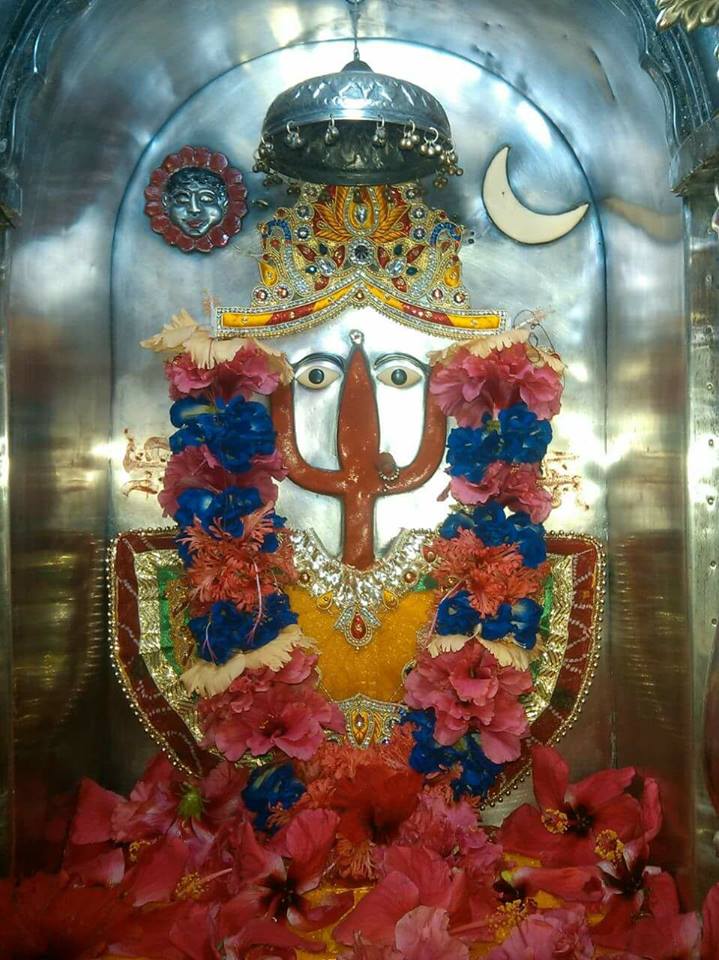
Rani Sati Mandir Mahuda
Rani Sati Mandir in Mahuda, Dhanbad District, is a Hindu temple established in 1992 that serves as a spiritual center for the local community and attracts devotees seeking blessings.