Krishnarai Jiu Temple, Bagri
About Krishnarai Jiu Temple, Bagri
Dola Yatra, the spring festival, draws the largest gatherings of devotees to the temple. This celebration, observed across the Vaishnava calendar, involves the ritual swinging of the deities and creates a particularly vibrant atmosphere. The temple also observes Rath Yatra and Rash Yatra, both significant in Krishna worship traditions.
Beyond these major festivals, the temple marks the wider Vaishnava calendar, including Krishna Janmashtami (the birth of Krishna), Nag Panchami, Raksha Bandhan, Navratri, Dussehra, Diwali, and Chhath Puja. Visitors planning their journey around festival dates should expect larger crowds and a more animated devotional environment. However, specific timings and arrangements for each festival are best confirmed locally before travel, as these details are not consistently published in advance.
Visiting the Temple: Practical Information
The temple does not currently maintain published visiting hours or verified contact details. Visitors should make local enquiries upon arrival in Bagri or at nearby Garhbeta to confirm current darshan timings and any specific protocols for viewing the deities.
Modest dress is customary when visiting Hindu temples—covering shoulders and knees is considered respectful. Shoes are typically removed before entering the inner sanctum. Photography policies vary; it is advisable to seek permission before photographing the idols or interior spaces. The temple's riverside location means the approach may involve walking along the riverbank, so sturdy footwear suitable for such terrain is practical. As with most pilgrimage sites, visitors should be prepared for variable facilities and bring water and basic supplies if needed.
How to Reach Bagri
Garhbeta Railway Station is the nearest rail hub and serves as the primary transport gateway to the temple. From Garhbeta, regular bus services connect to Midnapore, Kharagpur, Howrah, Bankura, and Puruliya, providing access from multiple directions across West Bengal. Visitors arriving by train should arrange local transport from Garhbeta to Bagri; this journey can be confirmed with local guides or residents upon arrival. The temple's exact location within Bagri is best established through local enquiry, as precise coordinates are not widely documented.
The Temple's Significance
Across more than six centuries, Krishnarai Jiu Temple has maintained its role as a centre of spiritual, cultural, and traditional life for both local communities and visiting pilgrims. The temple's endurance reflects the deep roots of Vaishnava devotion in Bengal and the continuing importance of Krishna-Radha worship in the region's religious landscape. For those drawn to medieval Hindu architecture, Vaishnava theology, or the sacred geography of West Bengal's river valleys, this temple offers a window into a living tradition with substantial historical depth.
How to reach
You may also visit
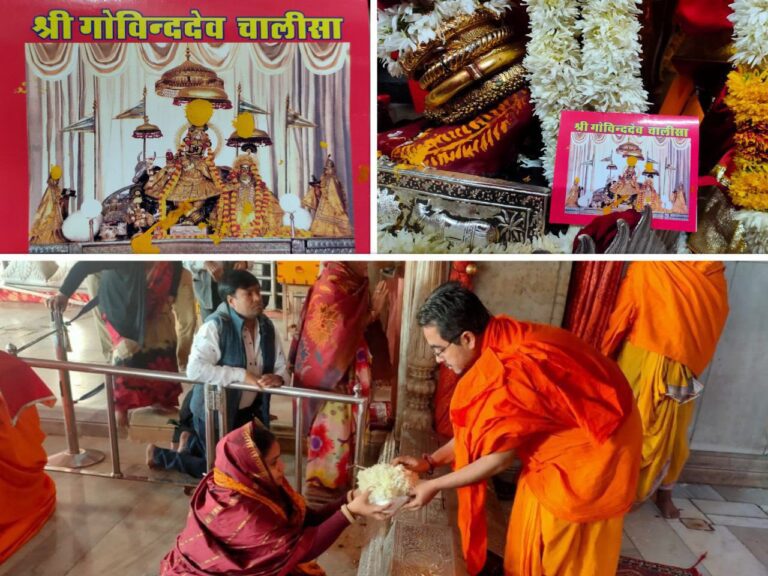
Kalyanji Temple
Kalyanji Temple in Jaipur's Chandpol Bazaar is approximately two centuries old and renowned for displaying the twenty-four avatars of Krishna, visible only twice yearly during Akha Teej and Patottsav festival.
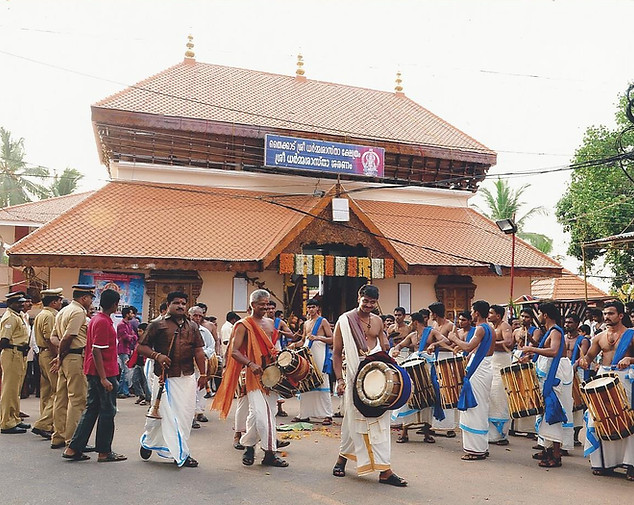
Sastha (Ayyappan) Temple
Sree Dharma Sastha Temple in Thycaud, Thiruvananthapuram, is a centuries-old shrine where the deity manifests as Dhanwanthari, the divine healer, holding the sacred blue lotus.
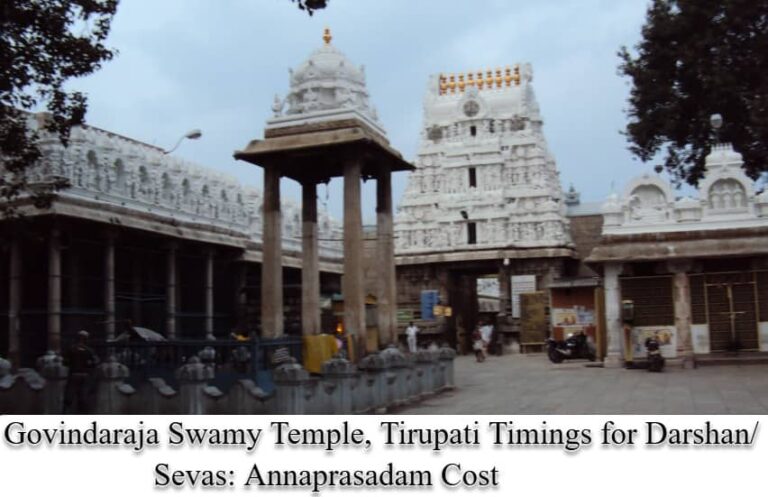
Govindarajaswamy Temple
Sri Govindarajaswamy Temple in Tirupati is an ancient Vaishnavaite shrine consecrated in 1130 AD by Saint Ramanuja, where the presiding deity rests in eternal Yoga Nidra on the serpent Adisesha.