Krishna Temple, Rawalpindi
About Krishna Temple, Rawalpindi
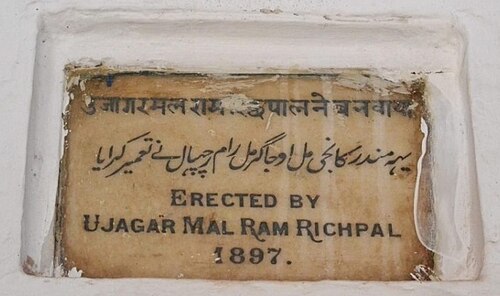
The Krishna Temple was established in 1897, making it over a century old. It occupies a modest site of approximately 101 square metres in the Saddar area of Rawalpindi, positioned between the railway station and Kabari Bazaar—a location that has made it accessible to worshippers and visitors for generations. The temple is administered by the Evacuee Trust Property Board, the organization responsible for managing Hindu and Sikh religious properties in Pakistan.
The temple's central position in Saddar provides clear landmarks for navigation, with the railway station and bazaar serving as reference points for those arriving by local transport.
Architecture
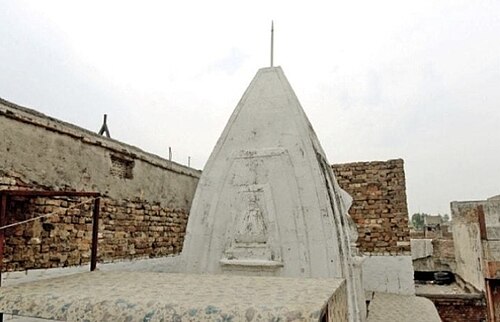
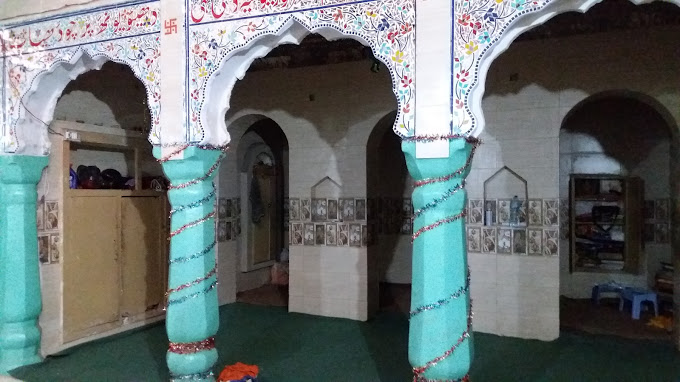
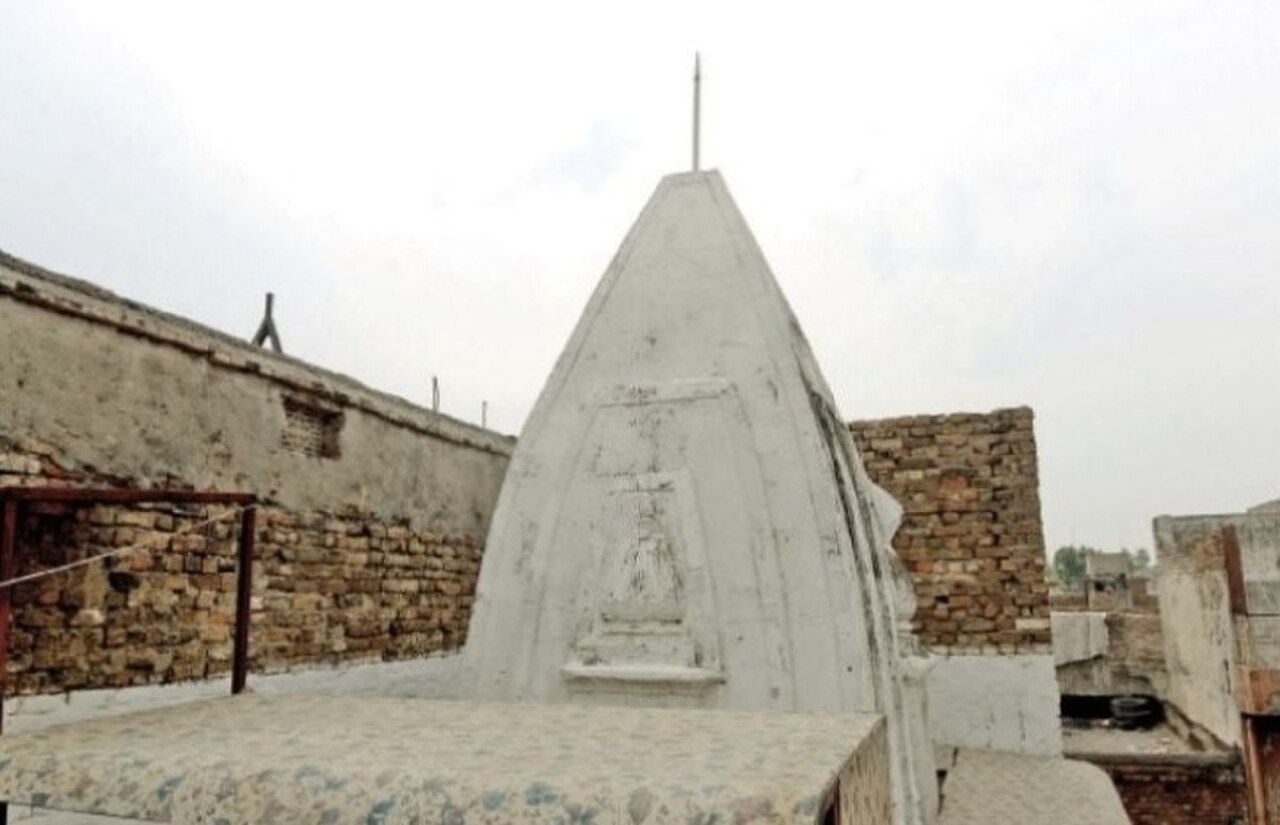
The temple features a shikhara, the distinctive spired tower characteristic of Hindu temple architecture. The structure reflects the Hindu temple tradition in its design, though detailed descriptions of its interior layout, sanctum, and decorative elements are not extensively documented. Visitors interested in observing the architectural features directly are encouraged to do so during their visit, or to inquire with temple staff for specific information about the building's design and history.
Visiting Hours and Best Times
The temple maintains different opening hours depending on the day of the week. Monday through Thursday, it is open from 12:00 to 15:00. On Friday, hours are 09:00 to 12:00. Saturday and Sunday offer extended access from 09:00 to 17:00. These timings may vary on festival days, so confirmation with the temple before travelling is advisable.
The best times to visit are during the major festivals observed at the temple or on weekends when extended hours allow for unhurried darshan. Festival days draw the local Hindu community together and represent significant occasions for worship and celebration.
Major Festivals
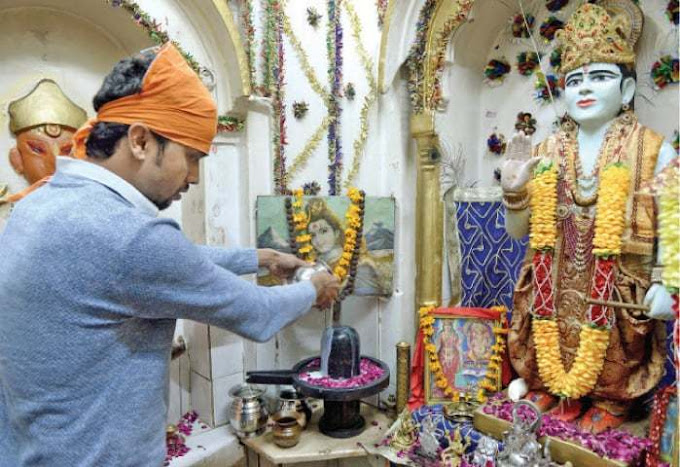
The Krishna Temple observes three major festivals: Janmashtami, Diwali, and Holi. Janmashtami marks Krishna's birth and is typically celebrated with special prayers and devotional activities. Diwali, the festival of lights, is observed across Hindu traditions as a celebration of the victory of light over darkness. Holi, the festival of colours, commemorates various divine events and is celebrated with communal joy. These occasions attract worshippers and offer visitors an opportunity to experience the temple's role as a living centre of devotion.
Conduct and Etiquette
As an active place of worship, the Krishna Temple should be approached with respect for ongoing devotional activities. Standard etiquette for Hindu temples typically includes removing shoes before entering, dressing modestly, and observing silence or speaking softly within the sanctum. Specific protocols regarding photography, particular areas of the temple, or any special observances should be confirmed with temple staff or authorities before your visit.
Visitors should plan their visit with awareness of prayer times and the temple's role as a community worship space. Contact with temple authorities or local Hindu community members can provide current information about timings, any special observances, and guidance on appropriate conduct.
How to Reach
The Krishna Temple is located at coordinates 33.6018°N, 73.0525°E in Saddar, between Rawalpindi railway station and Kabari Bazaar. The proximity to these landmarks makes it accessible by local transport. Those travelling by rail will find the temple within walking distance of the station; those using local buses or taxis can reference the bazaar as a navigation point. The temple's central location in Saddar ensures it is reachable from most parts of Rawalpindi and Islamabad.
How to reach
Temples near Krishna Temple, Rawalpindi
Datta Temple, Bandi Uri
Datta Temple in Bandi Uri, Baramulla is a Hindu shrine dedicated to Datta, located in the Mohalla area of Jammu and Kashmir.

Sassi da Kallara
Sassi da Kallara, also known as Kallar Temple, is an early medieval Hindu temple constructed of fired brick on a remote hilltop near Talagang in Punjab's Salt Range region of Pa…
Maharani Temple
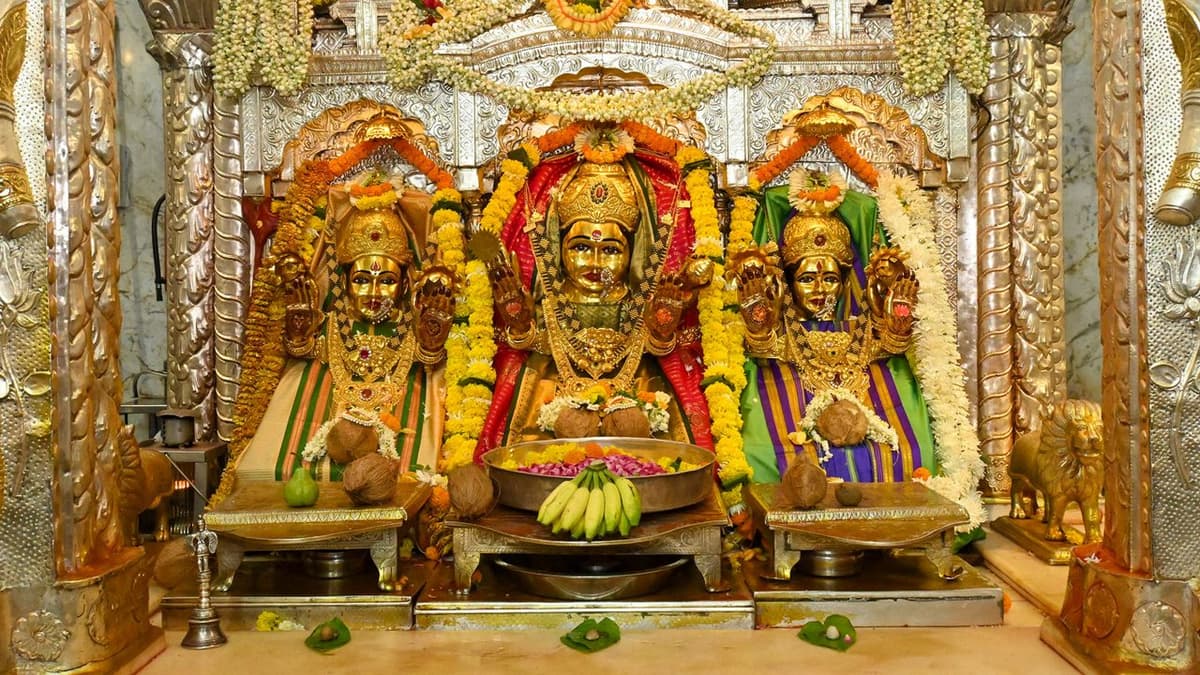
Shri Mahalakshmi Temple in Mumbai, established in 1831, is one of the city's most revered Hindu temples dedicated to Goddess Mahalakshmi, the divine bestower of wealth and prosp…

Gorakhnath Temple
Gorakhnath Temple in Peshawar's walled city is a Hindu shrine dedicated to Guru Gorakhnath, the medieval saint and yogi of the Nath monastic tradition. Located in the Gor Khatri…
Kalibari Mandir, Peshawar
Kalibari Mandir is a Hindu temple in Peshawar Cantt dedicated to the goddess Kali, serving as one of the few active Hindu worship sites remaining in the city after partition.