Kalibari Mandir, Peshawar
About Kalibari Mandir, Peshawar
The temple follows traditional Hindu architectural principles, with ornamental carvings and decorative patterns adorning both its facade and interior walls. These design elements reflect established conventions of temple construction within the Hindu building tradition, creating a space designed to support ritual practice and contemplation.
The temple maintains an open courtyard, which becomes particularly significant during major festivals when devotees gather for collective rituals. This spatial arrangement—combining an interior sanctum with an exterior gathering space—allows the temple to function both as a site of individual prayer and communal celebration.
Durga Puja: The Major Festival
Durga Puja stands as the principal festival observed at Kalibari Mandir. During this observance, the courtyard fills with devotees performing rituals dedicated to the goddess Kali. The festival represents the most significant period in the temple's annual cycle, drawing worshippers from throughout the region.
Visitors planning a trip specifically to experience the temple's religious life should consider timing their visit to coincide with Durga Puja, when the full community presence and ritual activity are most evident. The festival transforms the temple into a center of active worship and celebration.
Visiting the Temple: Practical Information
Kalibari Mandir is located in Peshawar Cantt and is open daily for worship. The temple can be reached on foot from the older parts of the city. Visitors should be aware that this is an active place of worship and should observe appropriate conduct.
Standard etiquette for Hindu temples applies: remove your shoes before entering the temple space, and wear modest clothing that covers shoulders and knees. These practices reflect respect for the sacred nature of the site and the devotional activities taking place there. The temple community welcomes visitors, but your presence should acknowledge that you are entering a space dedicated to ongoing spiritual practice.
Getting There
The temple is situated at coordinates 34.01666667, 71.58333333 in Peshawar Cantt, Peshawar, Khyber Pakhtunkhwa, Pakistan. Those traveling to Peshawar can locate the temple using these coordinates with standard mapping applications. The Cantt area is accessible by local transportation, and the temple's position within the older sections of the city makes it reachable by foot for those staying nearby.
How to reach
You may also visit
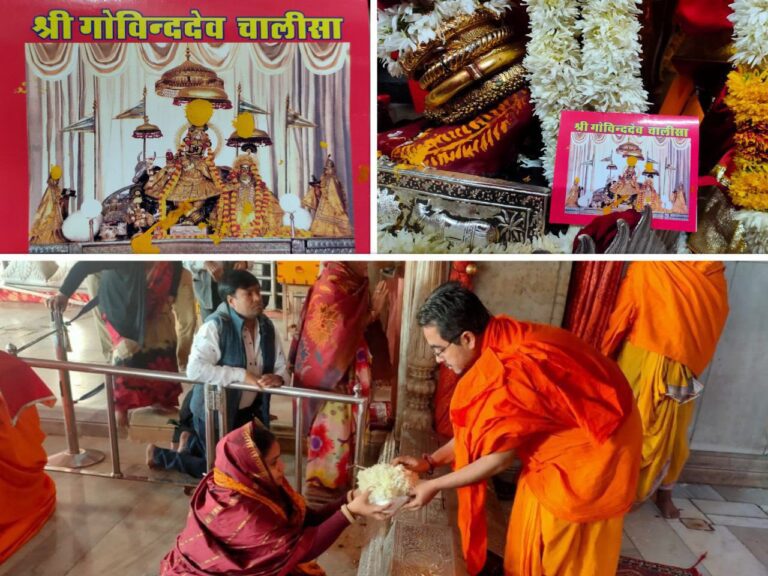
Kalyanji Temple
Kalyanji Temple in Jaipur's Chandpol Bazaar is approximately two centuries old and renowned for displaying the twenty-four avatars of Krishna, visible only twice yearly during Akha Teej and Patottsav festival.
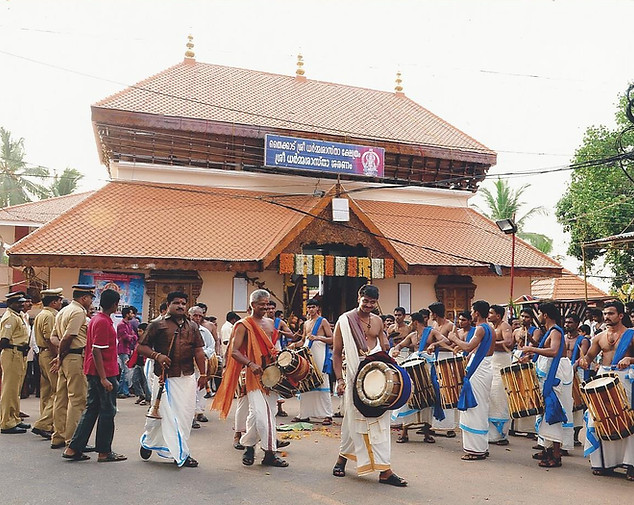
Sastha (Ayyappan) Temple
Sree Dharma Sastha Temple in Thycaud, Thiruvananthapuram, is a centuries-old shrine where the deity manifests as Dhanwanthari, the divine healer, holding the sacred blue lotus.
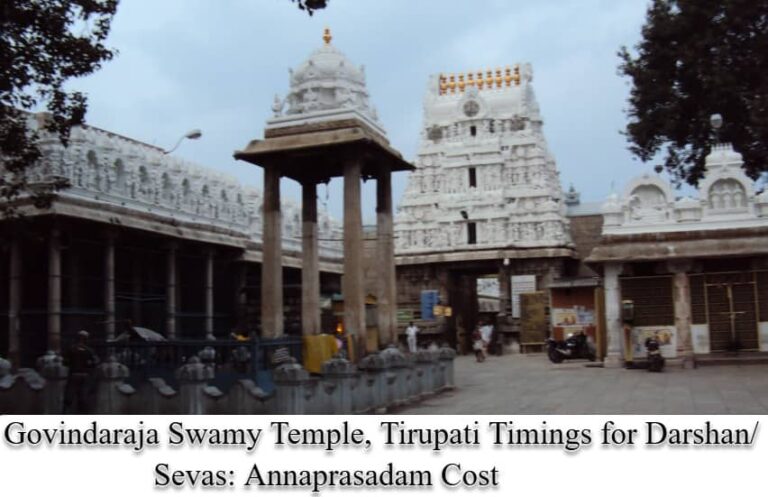
Govindarajaswamy Temple
Sri Govindarajaswamy Temple in Tirupati is an ancient Vaishnavaite shrine consecrated in 1130 AD by Saint Ramanuja, where the presiding deity rests in eternal Yoga Nidra on the serpent Adisesha.