Sassi da Kallara
About Sassi da Kallara
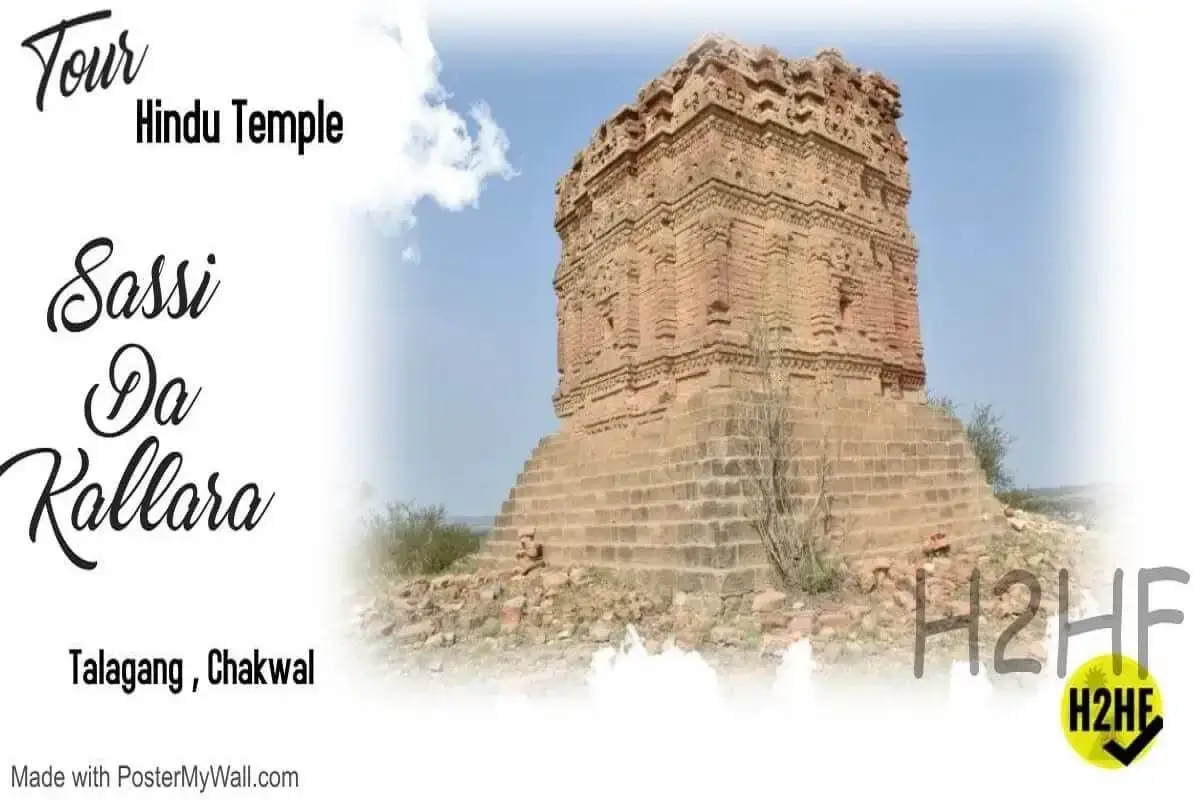
The temple dates to the 8th–10th century, placing it within the early medieval period. However, its founding remains poorly documented. The origin of its name presents an interpretive puzzle: "Sassi" may echo the Sassi–Punnu tradition known in regional folklore, while "Kallara" possibly derives from local geography, a family name, or an older settlement. No archaeological or documentary evidence currently establishes who built the temple or why it was constructed at such a remote location. Local residents near Shah Muhammad Wali Village, the closest settlement, have no recorded knowledge of the temple's original purpose or naming. This absence of clear historical record means visitors should approach the site as an archaeological and architectural curiosity rather than as a place with a well-documented religious narrative.
Architecture and Construction
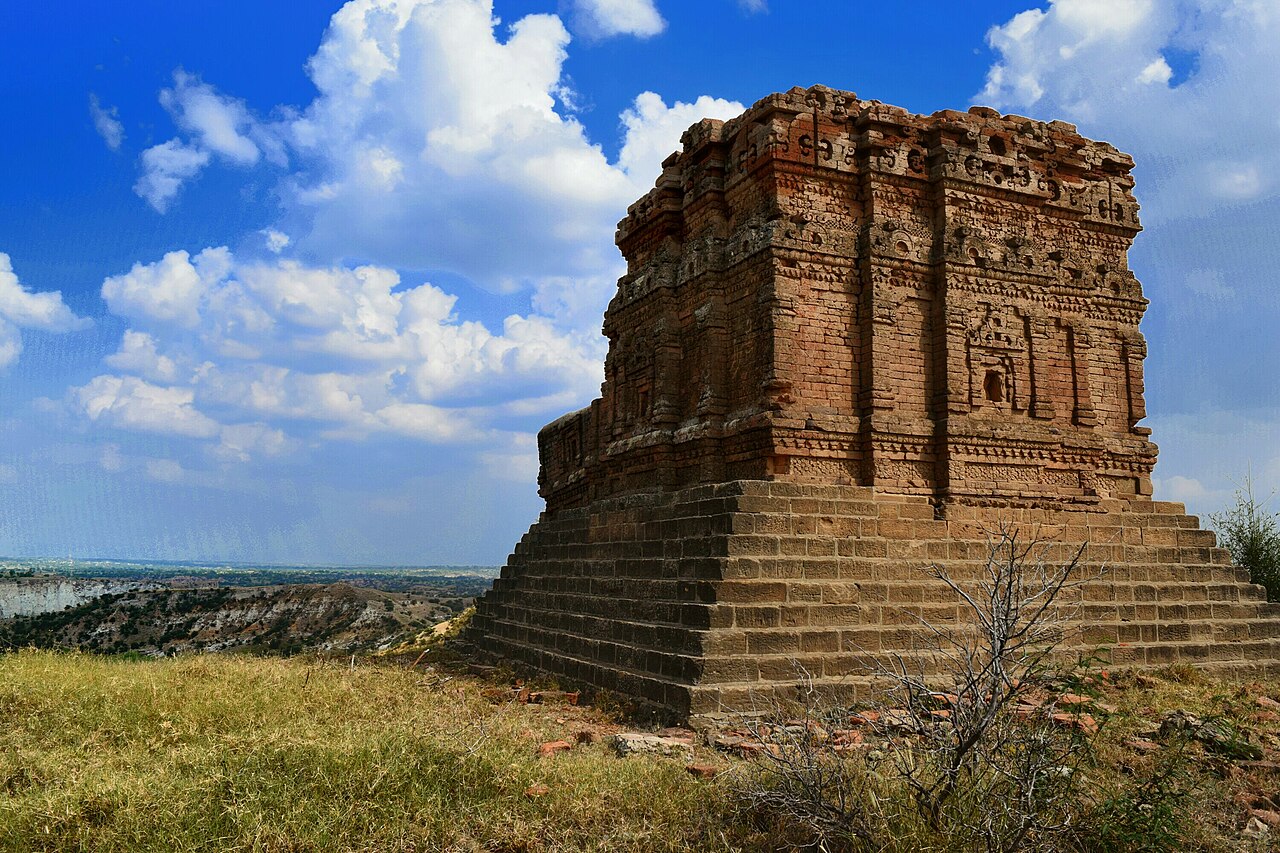
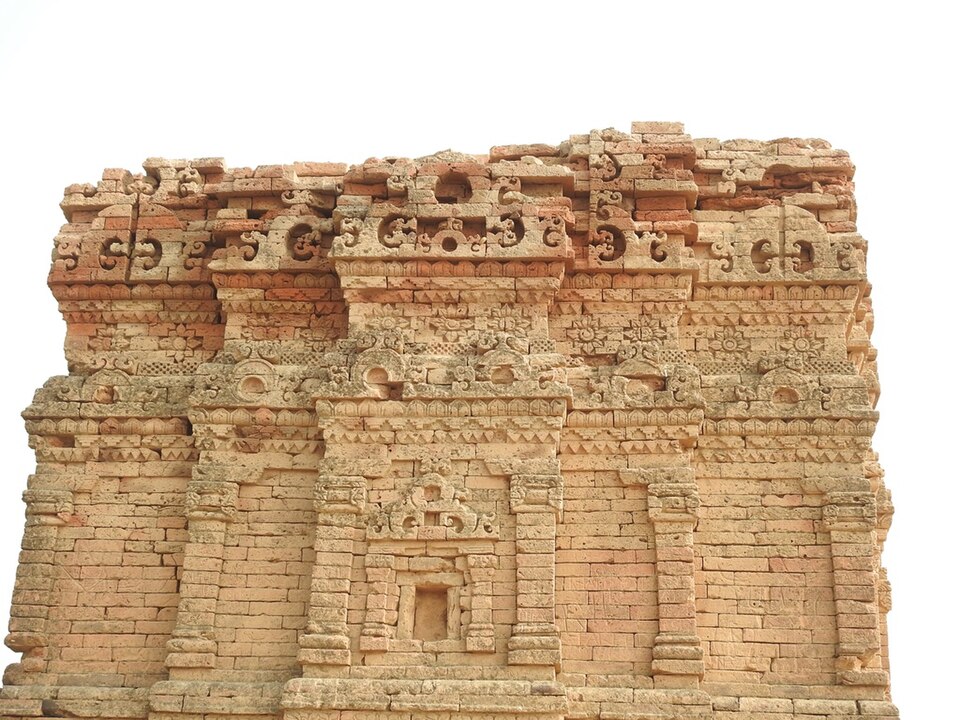
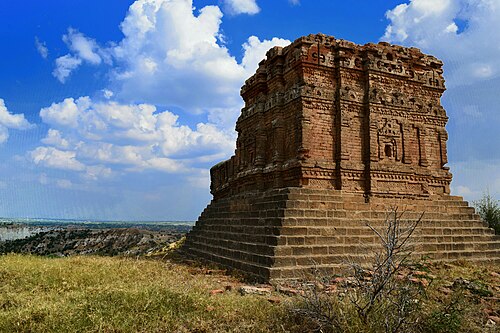
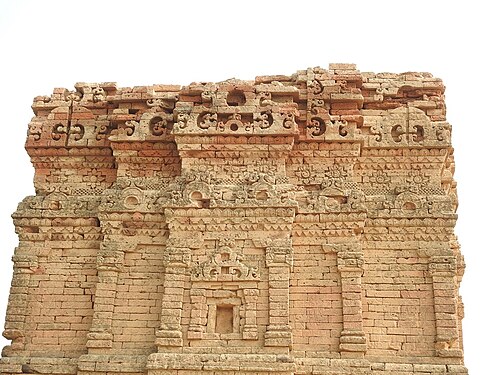
The temple's most distinctive feature is its construction from fired red brick, a material choice that sets it apart from contemporary stone temples in the region. This baked-brick technique represents an important architectural variation within the early medieval religious landscape of the Salt Range. The structure reflects Gandhara-Nagara architectural traditions, blending influences from these two major schools. The red-brick work remains visible and weathered by centuries, offering material evidence of medieval building practices. The site warrants professional archaeological study to clarify its age, cultural associations, and construction methods.
Visiting Practicalities
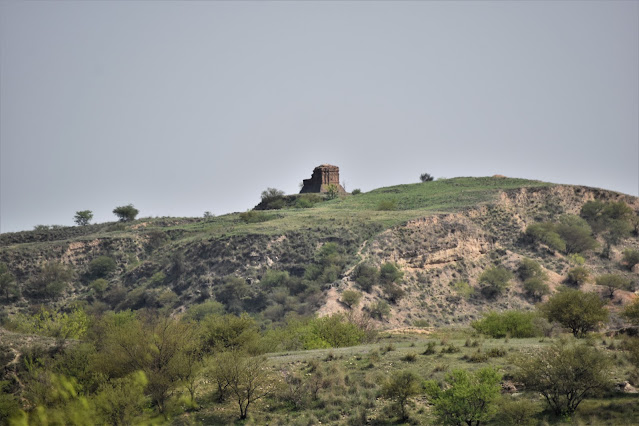
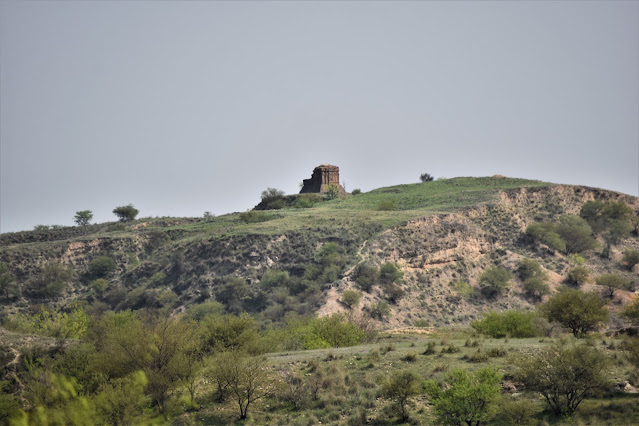
The best time to visit is February to April, when spring weather brings cooler temperatures and the landscape turns green with seasonal vegetation. The remote hilltop location means visitors should plan transport carefully and allow time for the journey from nearby towns. The temple sits on an isolated hill, so sturdy footwear is advisable. No facilities are documented at the site itself, so visitors should bring water and any provisions needed. The nearest village is Shah Muhammad Wali, though it offers limited services. Visitors should respect the sacred nature of the site and any local customs observed by those who maintain or visit the temple.
Historical Gatherings and Festivals
Local oral history records that a Baisakhi gathering was once held on the hilltop before Partition, according to elderly residents of the area. Baisakhi, the spring harvest festival celebrated in April, appears to have drawn Hindu pilgrims to this location in earlier times. However, no detailed documentation exists regarding the scale, frequency, or continuity of these gatherings. The festival tradition at this site remains part of local memory rather than an active, regularly observed practice. Visitors interested in the temple's role in regional Hindu observance may find conversations with local residents valuable for understanding its historical significance.
The Wider Religious Landscape
Sassi da Kallara forms part of a broader network of historic Hindu temples across the Salt Range and Chakwal district. Nearby sites include Katas Raj Temple Complex, Malkana Temple, Malot Fort and Temple, and Amb Sharif Temple Complex. These temples collectively document the medieval Hindu religious presence in what is now Pakistan. Sassi da Kallara's isolation and architectural distinctiveness make it a significant point within this wider landscape, though its specific religious function and community connections remain to be fully understood through further research.
How to reach
Temples near Sassi da Kallara
Amb Temples
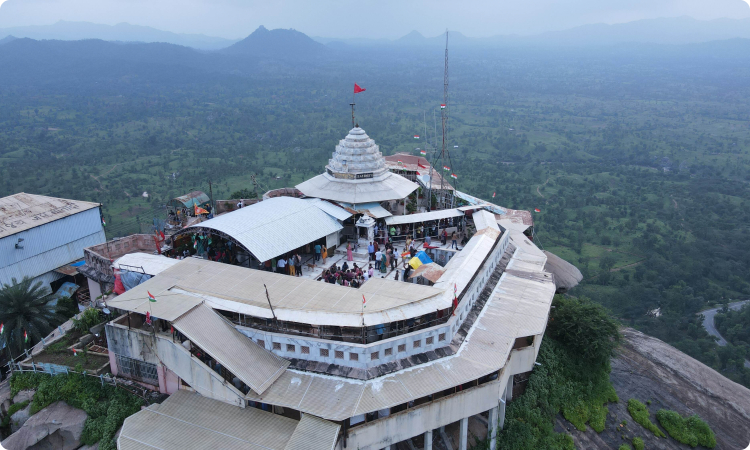
Ambaji Temple is one of India's 51 Shakti Peethas, located in the Arasuri Hills of Gujarat, where devotees worship a sacred Shree Yantra rather than a traditional idol, believed…
Kalibari Mandir, Peshawar
Kalibari Mandir is a Hindu temple in Peshawar Cantt dedicated to the goddess Kali, serving as one of the few active Hindu worship sites remaining in the city after partition.
Krishna Temple, Rawalpindi
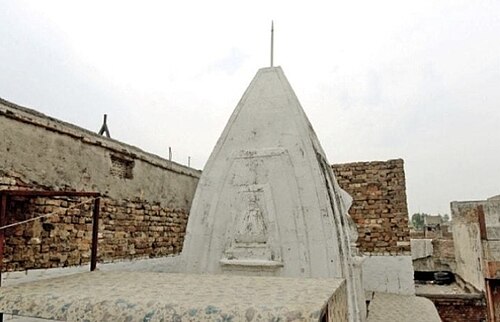
The Shri Krishna Temple in Rawalpindi is a Hindu place of worship dedicated to Lord Krishna, serving approximately 7,000 Hindus in the Rawalpindi and Islamabad region and recogn…