Kendrit Shiri Sanatan Dharam Shiv Temple
About Kendrit Shiri Sanatan Dharam Shiv Temple
The Kendrit Shiri Sanatan Dharam Shiv Temple held an important place in Fiji's Hindu heritage as one of the oldest temples in the nation. Constructed in 1905 by indentured Indian labourers, it represented both the spiritual resilience and the labour history of the Indian diaspora in Fiji. The temple's longevity—spanning over a century—made it a landmark within the Nadi community and a tangible connection to the early period of Hindu settlement in the islands.
The temple's destruction on 16 October 2008 marked a tragic chapter in Fiji's recent history. Police investigations confirmed the fire was deliberately set, classifying it as an arson attack. This incident was part of a disturbing pattern: it was the fourth Hindu temple destroyed by arson within a two-week period in Fiji at that time. The destruction prompted public condemnation, with local media calling for religious leaders to actively oppose such violence and protect places of worship across all faith communities.
The Deity and Worship Tradition
The temple was dedicated to Shiva, one of the principal deities in Hindu tradition. Temples honouring Shiva typically focus on meditation, asceticism, and the cycles of creation and transformation that Shiva represents in Hindu philosophy. The specific practices and rituals that characterised worship at this temple remain undocumented in available sources, though devotees would have engaged in forms of prayer and ritual common to Shaivite temples throughout the Hindu world.
Community and Legacy
For over a century, the Kendrit Shiri Sanatan Dharam Shiv Temple served as a spiritual and social centre for Hindu devotees in Nadi. Its construction by indentured labourers underscored the determination of early Indian migrants to establish and maintain their religious traditions despite the challenges of displacement and labour. The temple's status as a local landmark reflected its deep roots in the community and its importance to successive generations of worshippers.
The destruction of the temple represented not only a loss of a physical structure but also an attack on religious freedom and communal heritage. The incident drew attention to the vulnerability of minority religious sites and prompted broader conversations about interfaith respect and the protection of sacred spaces in Fiji.
Visiting Today
The temple no longer stands. Visitors interested in Hindu heritage in Fiji or in understanding the history of Indian migration to the islands may wish to learn about this site as part of a broader exploration of the region's religious and cultural history. Those seeking active Hindu temples in Nadi should consult current local resources for information about other functioning places of worship in the area.
Practical Information
No visiting information is applicable, as the temple was destroyed in 2008 and has not been rebuilt according to available sources. Travellers interested in Hindu sacred sites in Fiji are advised to contact local Hindu organisations or community leaders in Nadi for guidance on currently active temples and worship opportunities in the region.
How to reach
You may also visit
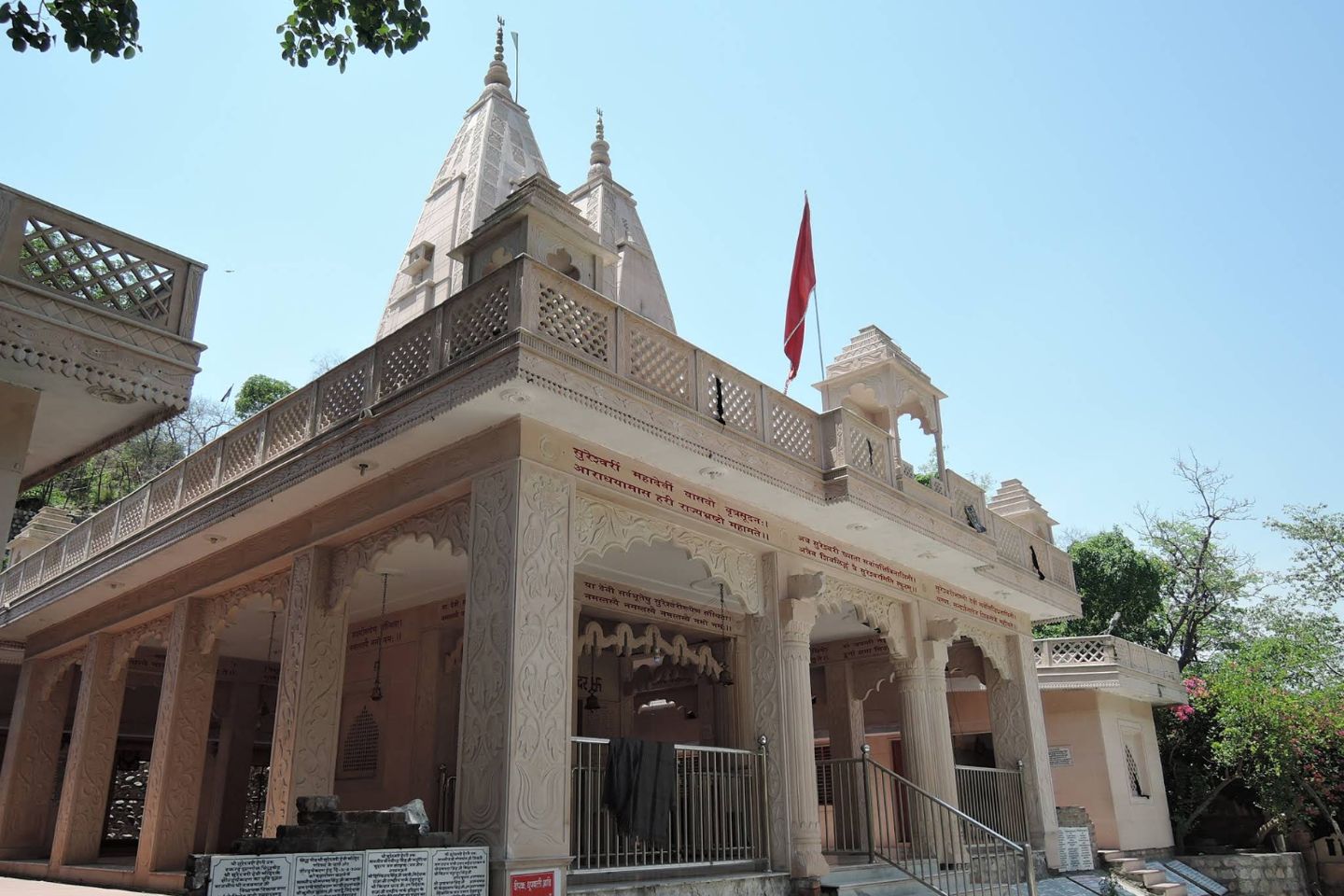
Sureshwari Devi Temple
Sureshwari Devi Temple in Haridwar is a forest shrine dedicated to the goddess, situated within the Ranipur Range area near Rajaji National Park, offering a secluded spiritual e…
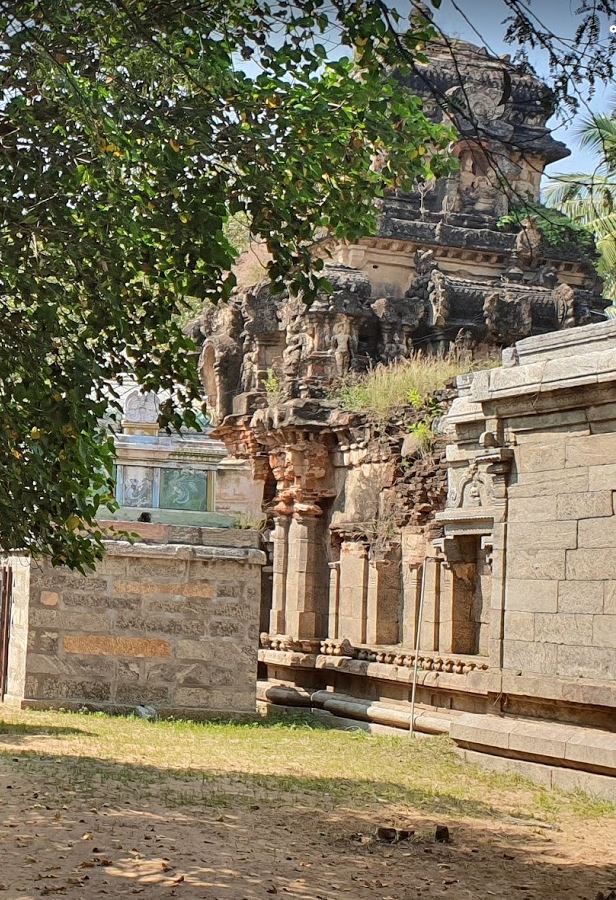
Agatheeswarar Temple, Karur
Agatheeswarar Temple in Thirumukkudalur, Karur district, is an ancient Hindu shrine dedicated to Shiva, situated at the sacred confluence of three rivers and believed to be over…

Shani Shingnapur
Shani Shingnapur is a renowned temple in Maharashtra dedicated to Lord Shani, featuring a self-emerged black stone idol worshipped under open sky. The temple is located in a uni…
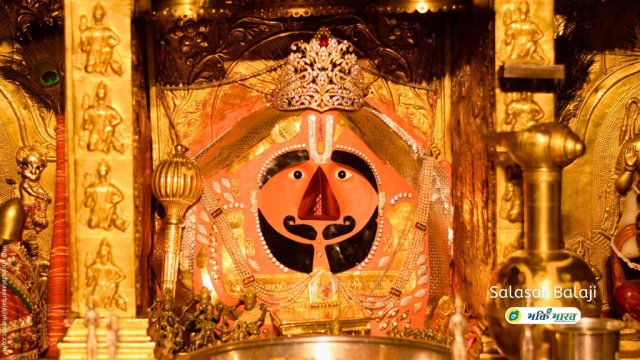
Salasar Balaji Temple
Salasar Balaji Temple in Churu district, Rajasthan, is a revered shrine dedicated to Lord Hanuman, distinguished by its unique depiction of the deity with a round face, beard, a…
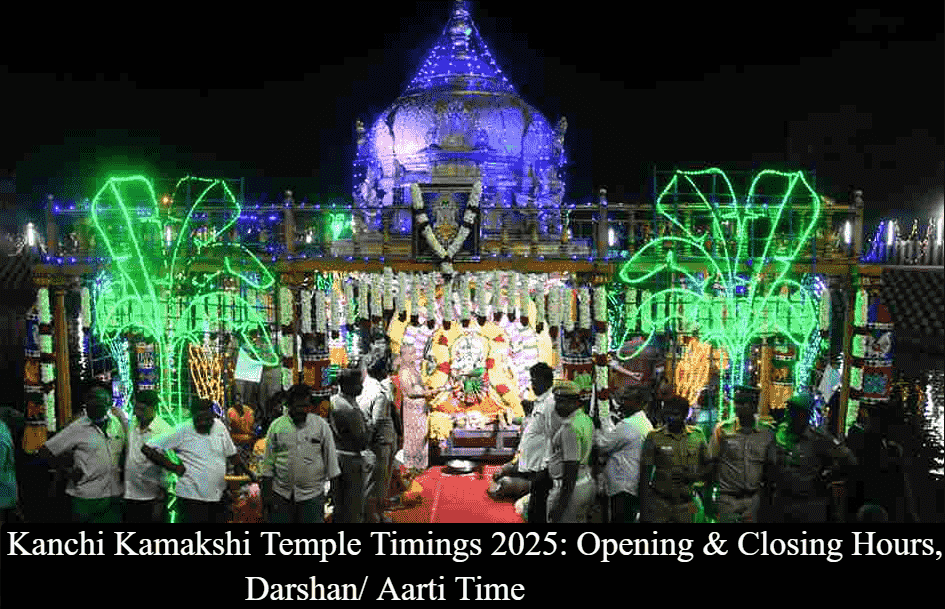
Kamaksha
Arulmigu Kamakshi Amman Temple in Mangadu, near Chennai, is dedicated to the goddess Kamakshi, an aspect of Adi Parashakti. According to legend, the goddess performed austeritie…
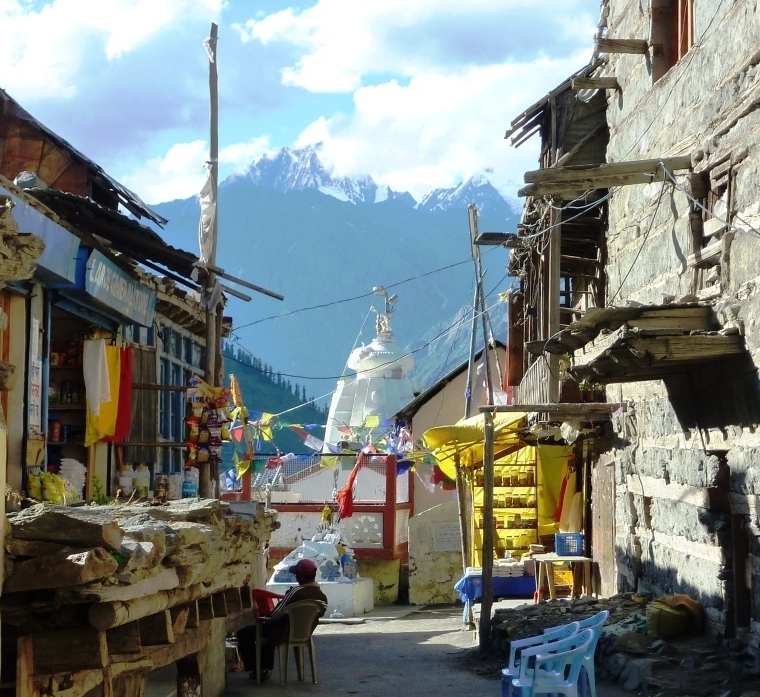
Trilokinath Temple at Tunde
The Trilokinath Temple in Tunde is an ancient shrine venerated by both Hindus and Buddhists, situated at 2,760 metres in the Lahul and Spiti District of Himachal Pradesh. Hindus…