
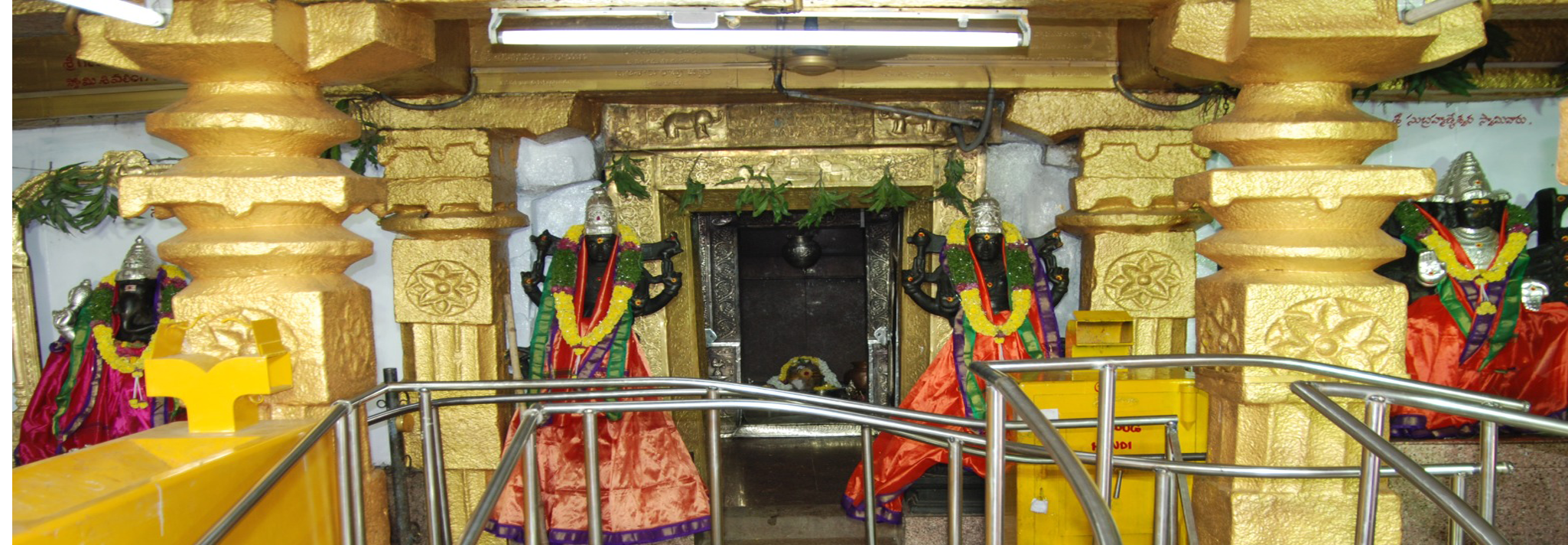
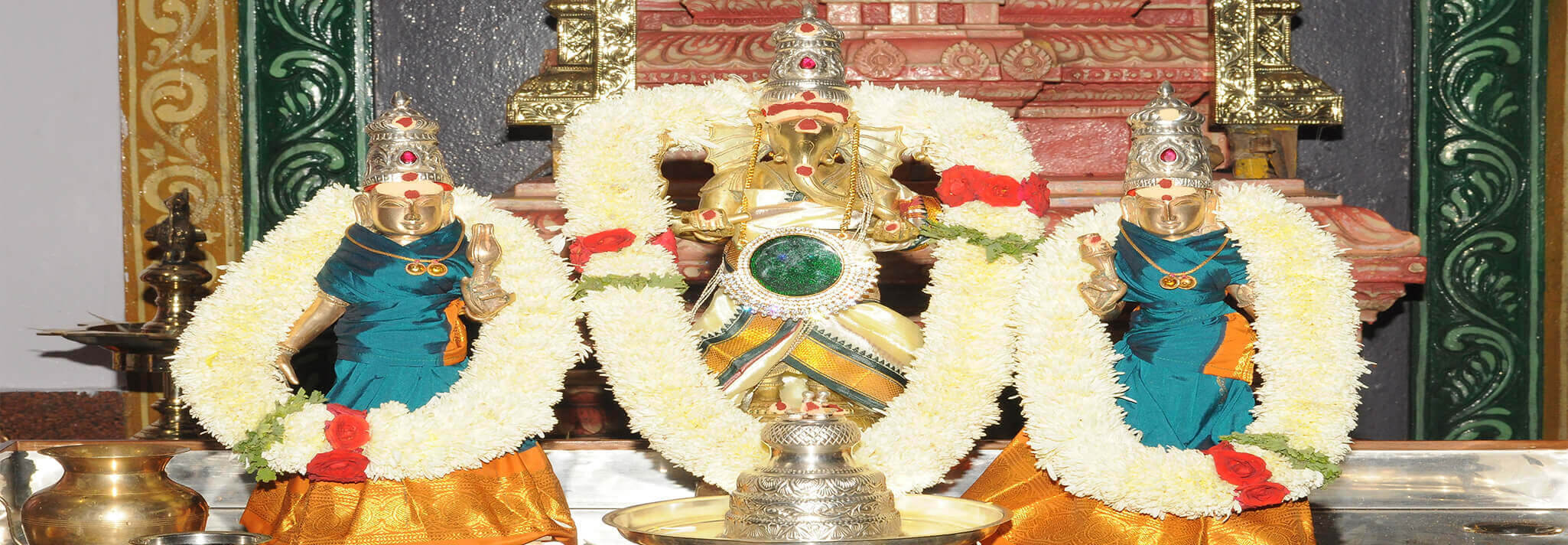
Keesaragutta Temple
About Keesaragutta Temple
The temple's origins are traced to the Treta Yuga according to traditional accounts—a legendary timeframe that places its establishment within Hindu cosmological history rather than documented historical records. This attribution reflects the temple's deep roots within regional spiritual consciousness, though specific architectural or historical details from its early periods are not recorded in available sources.
Daily Worship and Darshan
The temple maintains two principal darshan periods each day. Morning darshan runs from 6:00 AM to 12:00 PM, while evening darshan operates from 4:00 PM to 9:00 PM. Both morning and evening aartis are performed as part of the daily ritual cycle, though exact timings may vary seasonally or on festival days.
Visitors should confirm current timings before arrival, as schedules can shift with festivals and changing seasons. Those wishing to arrange special rituals, pujas, or VIP darshan slots are encouraged to contact the temple in advance through official channels to ensure their participation can be properly accommodated.
Maha Shivaratri and Kartika Month
Maha Shivaratri brings the largest gatherings to Keesaragutta Temple, drawing several lakh devotees to mark the night sacred to Shiva. This festival, observed at Shiva temples throughout India, commemorates the cosmic significance of the deity and draws pilgrims from across the region. The scale of observance reflects the temple's standing as a major pilgrimage destination.
Beyond Maha Shivaratri, the month of Kartika on the Hindu calendar also brings heightened devotional activity and increased pilgrimage to the shrine. During these periods, visitors should expect substantial crowds and may benefit from arriving early or making advance arrangements to ensure a meaningful experience.
Best Time to Visit
The months from October through March offer the most favourable conditions for a visit. During this period, the climate is cooler and more comfortable for the journey to the hilltop shrine and for spending time in prayer. The warmer months preceding this window can be considerably less comfortable for travel and darshan, particularly given the elevated location of the temple.
Visitors planning trips during Maha Shivaratri or Kartika month should be prepared for larger crowds and may wish to coordinate their visit in advance with temple staff.
Visitor Conduct and Practicalities
Modest dress is customary when approaching Hindu temples, and footwear is typically removed before entering the inner sanctum, though specific practices may vary. Upon arrival, observing what other devotees do provides reliable guidance. The hilltop location requires some walking, so comfortable clothing and sturdy footwear for the approach are recommended.
Photography policies and specific conduct expectations can be confirmed with temple staff upon arrival. Maintaining a respectful demeanor during worship times is essential, particularly during the aartis and peak darshan hours.
Reaching the Temple
The temple's location approximately 30 kilometres from Hyderabad's centre makes it accessible by road. Visitors travelling from the city should allow adequate time for the journey and plan to arrive within designated darshan hours. Those unfamiliar with local routes may find it helpful to seek directions or arrange transport in advance, particularly during peak pilgrimage periods when roads may experience heavier traffic. The temple office can be contacted at +91 92203 52244 for inquiries regarding darshan arrangements, special rituals, or travel assistance.
How to reach
You may also visit
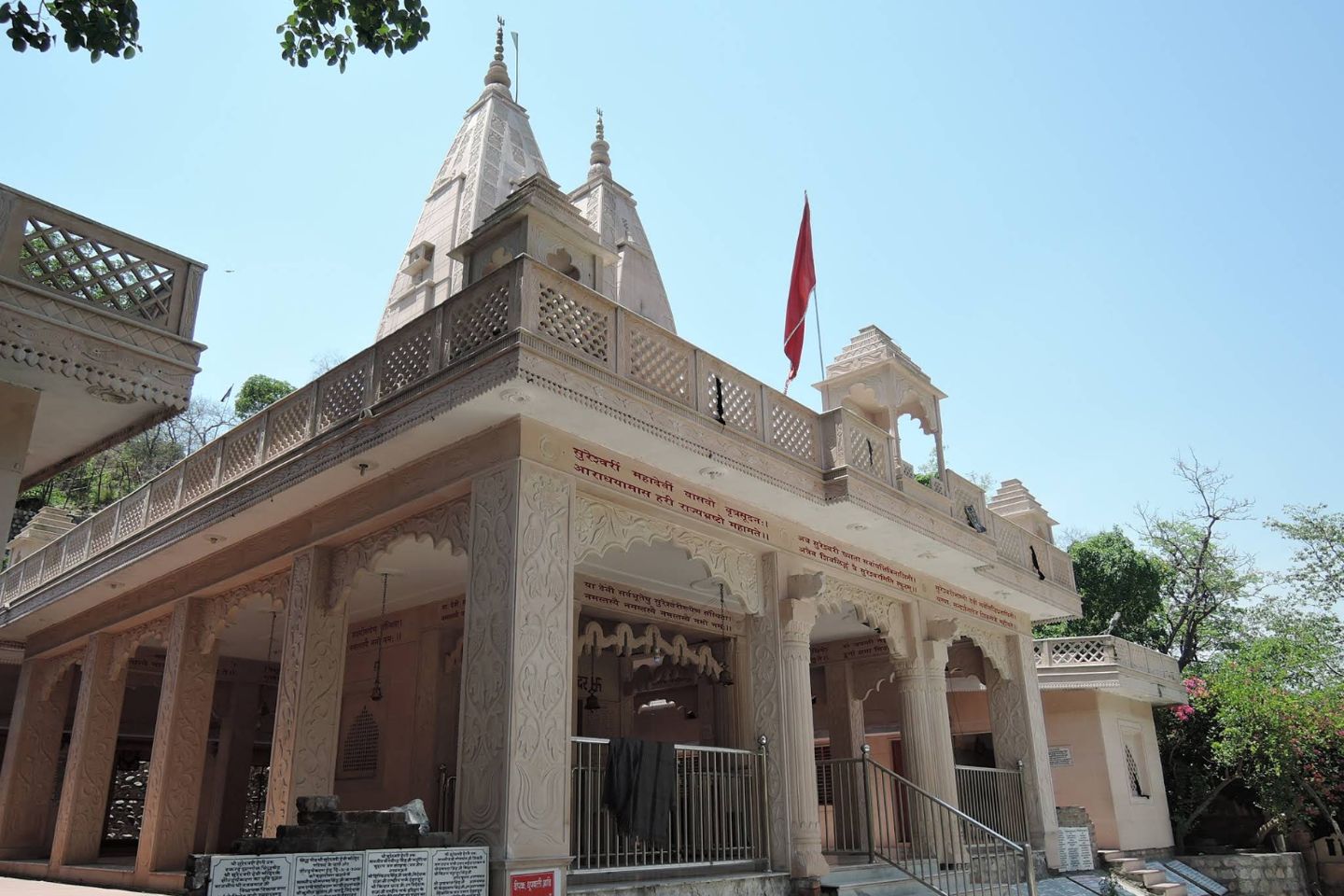
Sureshwari Devi Temple
Sureshwari Devi Temple in Haridwar is a forest shrine dedicated to the goddess, situated within the Ranipur Range area near Rajaji National Park, offering a secluded spiritual e…
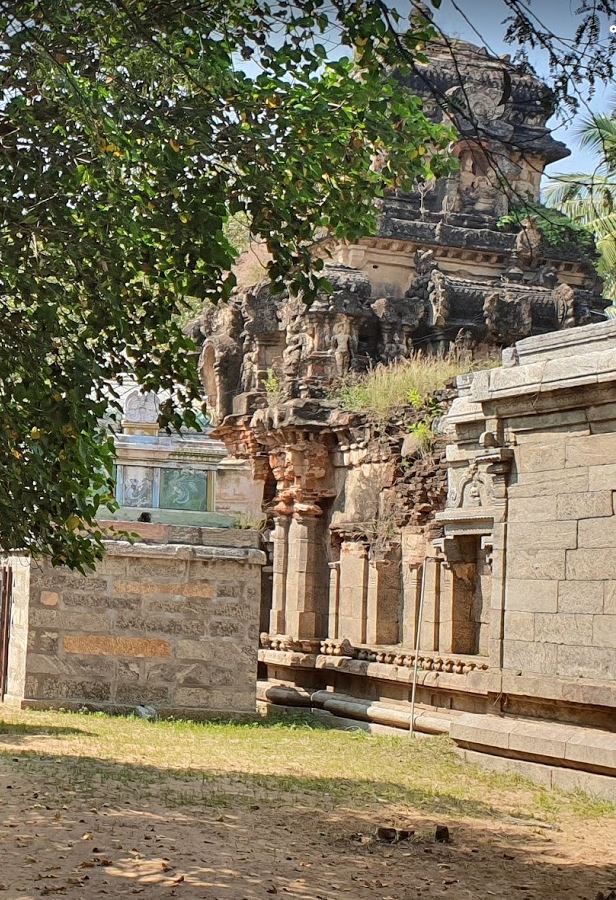
Agatheeswarar Temple, Karur
Agatheeswarar Temple in Thirumukkudalur, Karur district, is an ancient Hindu shrine dedicated to Shiva, situated at the sacred confluence of three rivers and believed to be over…

Shani Shingnapur
Shani Shingnapur is a renowned temple in Maharashtra dedicated to Lord Shani, featuring a self-emerged black stone idol worshipped under open sky. The temple is located in a uni…
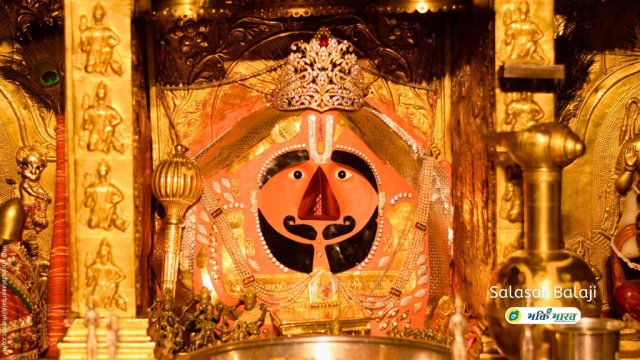
Salasar Balaji Temple
Salasar Balaji Temple in Churu district, Rajasthan, is a revered shrine dedicated to Lord Hanuman, distinguished by its unique depiction of the deity with a round face, beard, a…
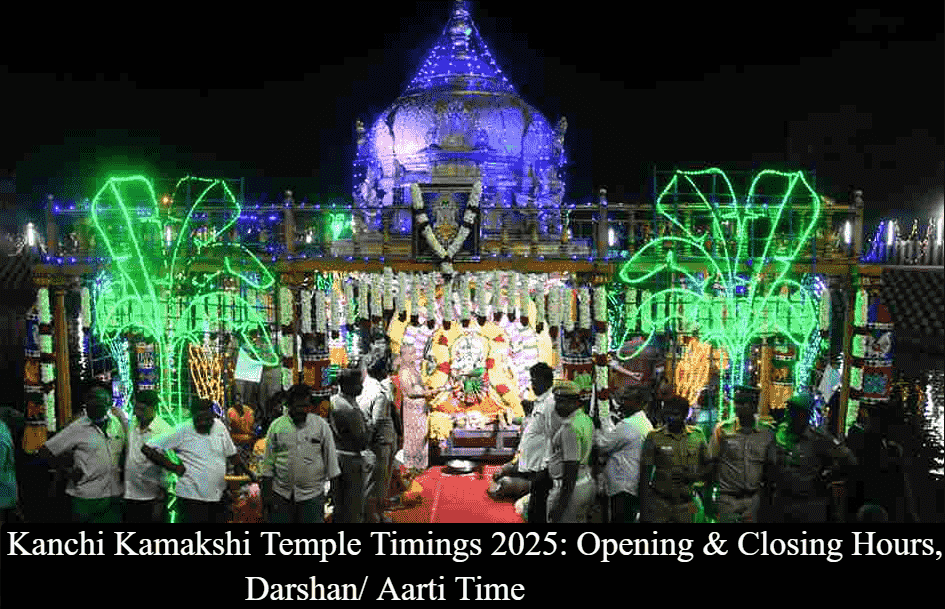
Kamaksha
Arulmigu Kamakshi Amman Temple in Mangadu, near Chennai, is dedicated to the goddess Kamakshi, an aspect of Adi Parashakti. According to legend, the goddess performed austeritie…
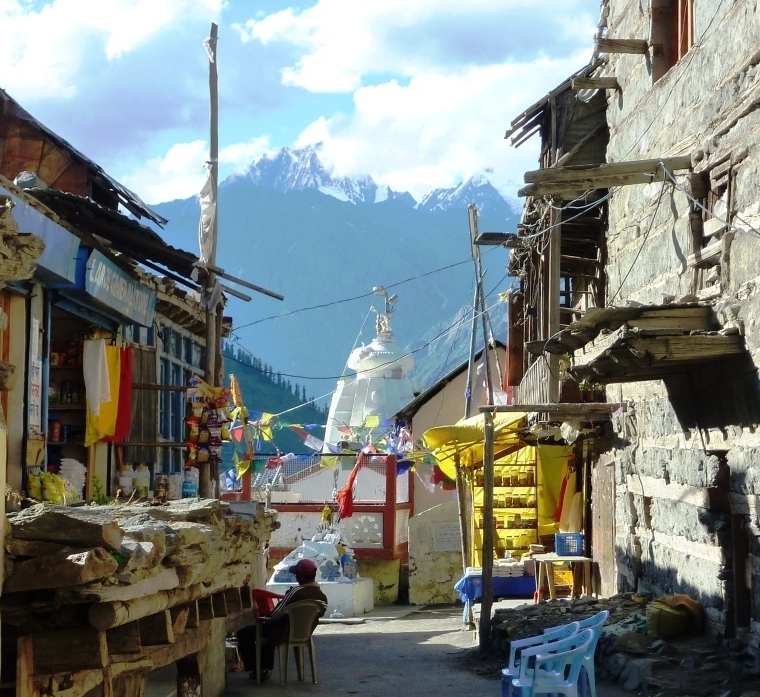
Trilokinath Temple at Tunde
The Trilokinath Temple in Tunde is an ancient shrine venerated by both Hindus and Buddhists, situated at 2,760 metres in the Lahul and Spiti District of Himachal Pradesh. Hindus…