


Rojhri dham
About Rojhri dham
The temple is situated at coordinates 28.81°N, 73.08°E in Rawla Mandi tehsil of Anupgarh district in northwestern Rajasthan. Anupgarh lies in the Ganganagar region, an area with limited urban infrastructure typical of rural Rajasthan. Visitors should plan their journey with awareness that facilities in this region may be modest compared to major pilgrimage centres.
Those travelling to Rojhri Dham should arrange transport in advance, as public connectivity to smaller pilgrimage sites in this district is limited. The nearest significant town or railway station should be identified before departure. Visitors are advised to confirm current road conditions and local travel options with local authorities or accommodation providers before undertaking the journey.
Worship of Hanuman
Hanuman holds a central place in Hindu devotional practice across India. Temples dedicated to this deity typically feature daily worship rituals, with devotees offering prayers for strength, protection, and spiritual guidance. Hanuman is traditionally associated with courage, celibacy, and unwavering devotion to dharma (righteous duty).
At Rojhri Dham, the focus on Hanuman worship draws pilgrims seeking blessings and spiritual connection. The specific rituals, timings of aarti (ritual worship with lamps), and daily schedule of worship at this complex are not detailed in available sources. Visitors should inquire locally upon arrival regarding the timing of major worship ceremonies and any particular practices observed at this site.
Visiting the Temple
Specific information about visitor facilities, opening hours, dress codes, and accommodation at Rojhri Dham is not available from the sources provided. Visitors should contact local authorities in Anupgarh or seek guidance from nearby villages to learn current details about access, facilities, and any restrictions that may apply.
As with most Hindu temples, visitors typically remove footwear before entering the inner sanctum and dress modestly. It is customary to approach the deity with respect and follow any instructions given by temple staff or priests. Those unfamiliar with temple etiquette are welcome to observe and follow the example of other devotees present.
Planning Your Visit
Rajasthan's climate is hot and dry, particularly from May through September. The cooler months from October to March are generally more comfortable for travel and pilgrimage. Visitors should carry adequate water and sun protection, and wear comfortable walking shoes suitable for removal at temple entrances.
Since Rojhri Dham is located in a rural area with limited nearby services, visitors are advised to arrange accommodation and meals in advance. Carrying basic supplies and confirming local contact information before arrival will help ensure a smoother pilgrimage experience. Those travelling from outside the region should allow extra time for journey planning and local navigation.
Spiritual Significance
Rojhri Dham serves as a centre for devotional practice centred on Hanuman worship. Pilgrims visit such sites seeking spiritual connection, offering prayers, and participating in communal worship. The complex's designation as a dham—a sacred abode or pilgrimage destination—reflects its importance within local and regional Hindu practice.
The site contributes to the broader landscape of Hanuman temples across Rajasthan, offering devotees an opportunity for darshan (sacred viewing of the deity) and participation in worship rituals. For those undertaking pilgrimage in this region, Rojhri Dham represents a destination of spiritual significance within the devotional traditions of northern India.
How to reach
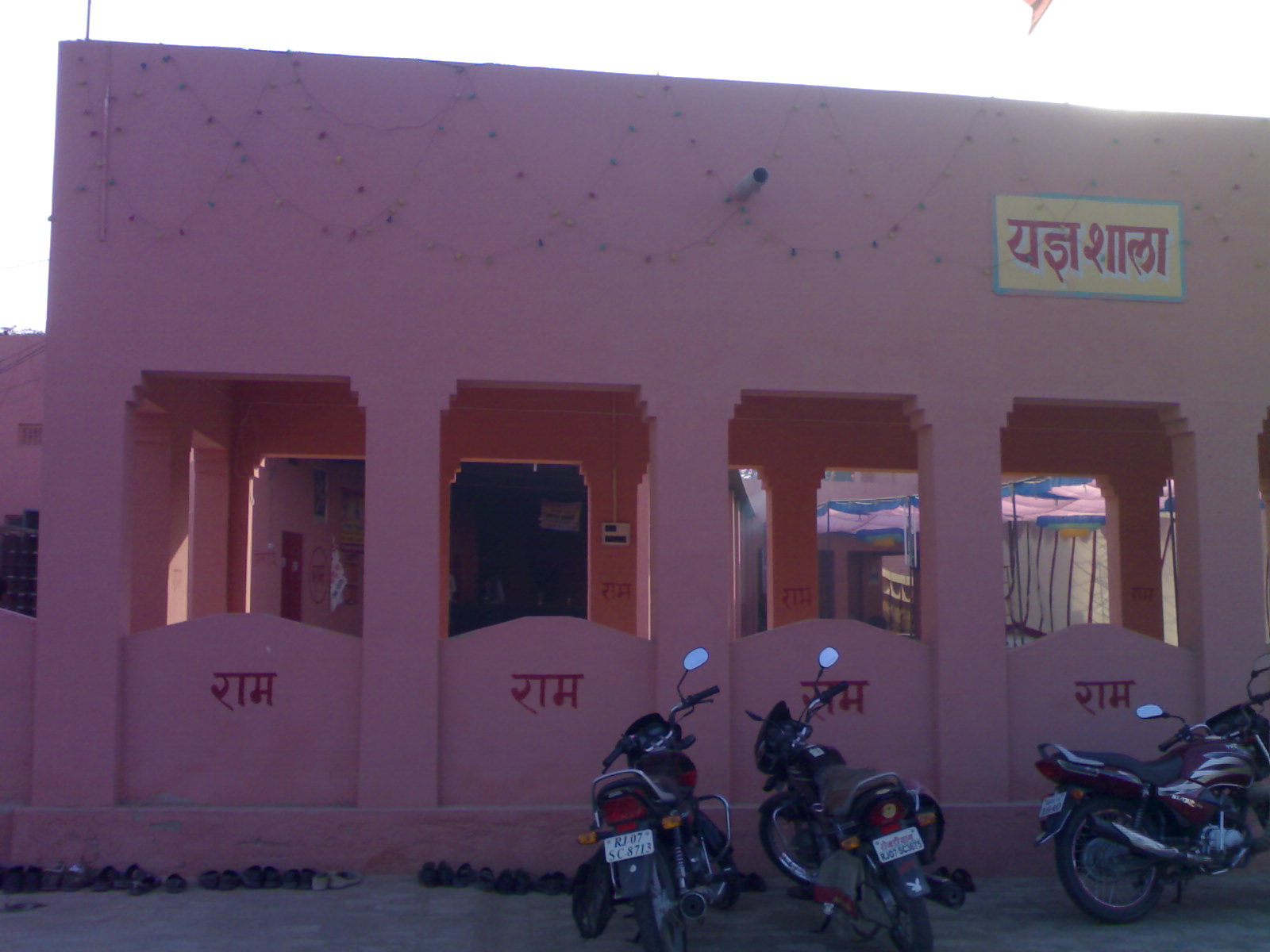
Temples near Rojhri dham
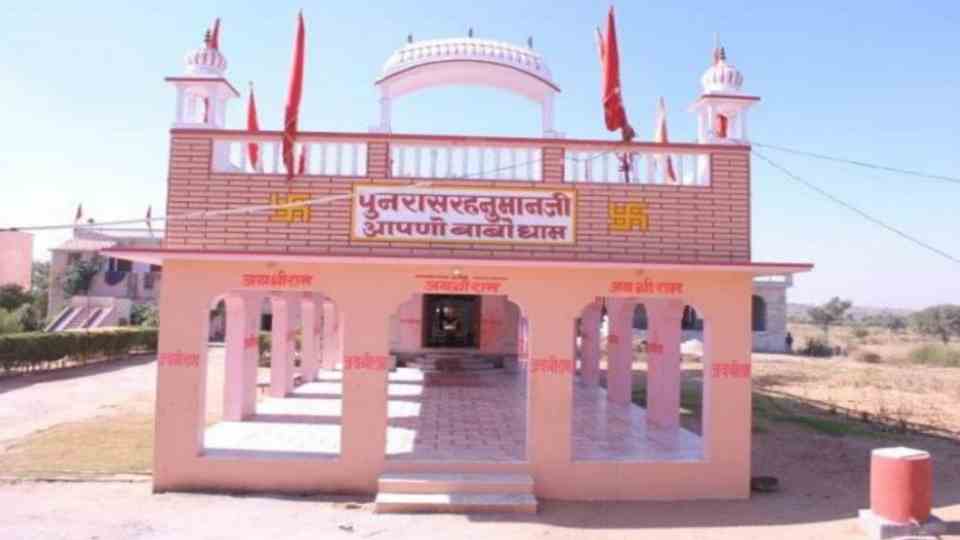
Punrasar Balaji Temple
Punrasar Balaji Temple is an ancient shrine dedicated to Hanuman located in Punrasar village, Bikaner District, Rajasthan. Founded in the 18th century, it has become a major pil…
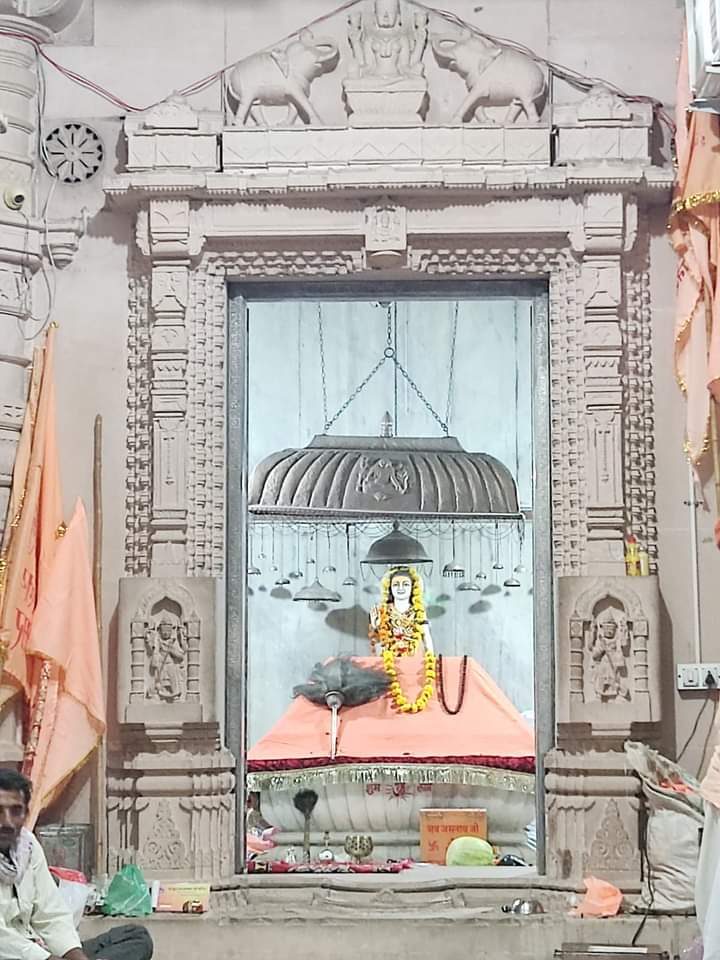
Jasnath Temple
Jasnath Temple in Katariyasar village, Bikaner district, Rajasthan, is a rural shrine representing the spiritual heritage of the region, located 45 km from Junagarh Fort.

Brahmani Mata Temple
Brahmani Mata Temple is a Hindu shrine in Pallu, Jasrasar, Rajasthan, serving as the kuladevi (clan goddess) of the Tard Jaats and Prajapati communities.
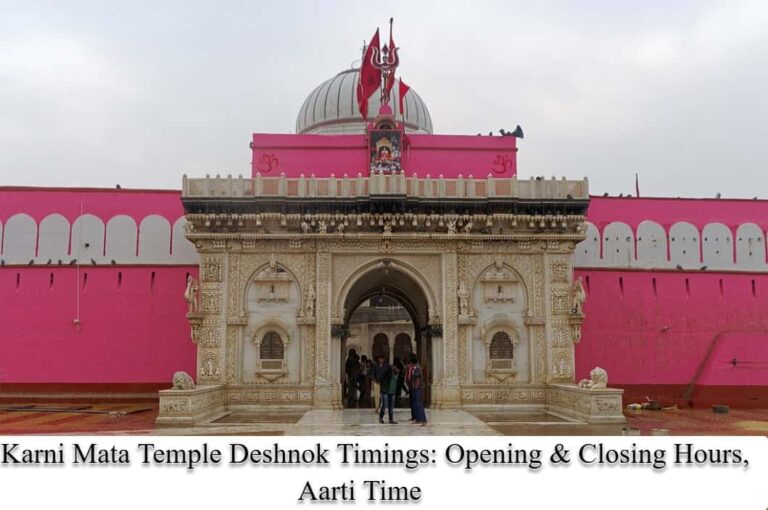
Karni Mata Temple
Karni Mata Temple in Deshnoke, 30 km south of Bikaner, is a prominent Hindu shrine dedicated to the 14th-century saint Karni Mata, revered as an incarnation of Goddess Durga. Th…
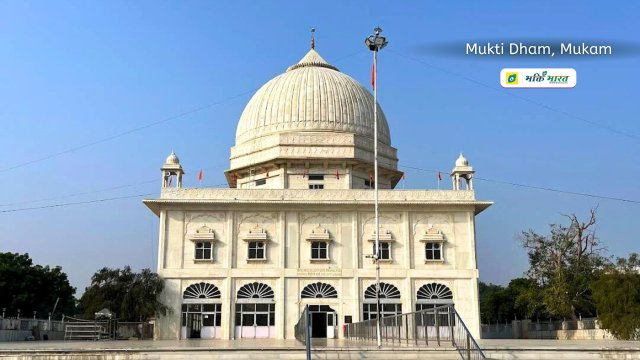
Mukti Dham Mukam
Mukti Dham Mukam is a sacred pilgrimage site in Bikaner district, Rajasthan, revered as the final resting place and samadhi of Guru Jambheshwar, the founder of the Bishnoi commu…