Kapalkundala Temple
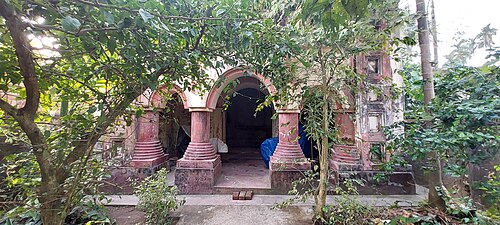
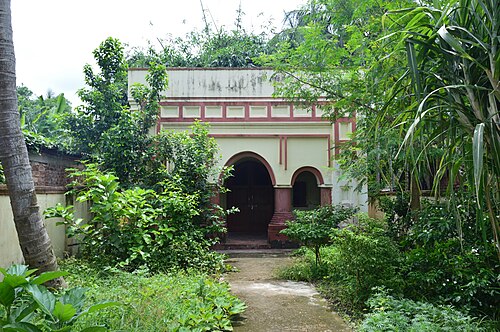
About Kapalkundala Temple
As a Kali temple, Kapalkundala follows the ritual patterns typical of shrines dedicated to this goddess. Temples of this tradition generally conduct daily worship involving offerings, prayers, and ceremonial practices centred on the deity. The specific timings of worship, the forms of ritual performed, and the festivals observed would be determined by the temple's own practices and the preferences of its managing committee, though detailed information about these aspects is not available from the sources consulted.
Devotees visiting the temple should approach with respect for ongoing worship and the sanctity of the space. Modest dress is customary when entering Hindu temples, and visitors are typically expected to remove footwear before entering the inner sanctum. It is advisable to check locally or contact the temple directly for current information about worship hours, any restrictions on entry, and the specific practices observed there.
Reaching Dariapur
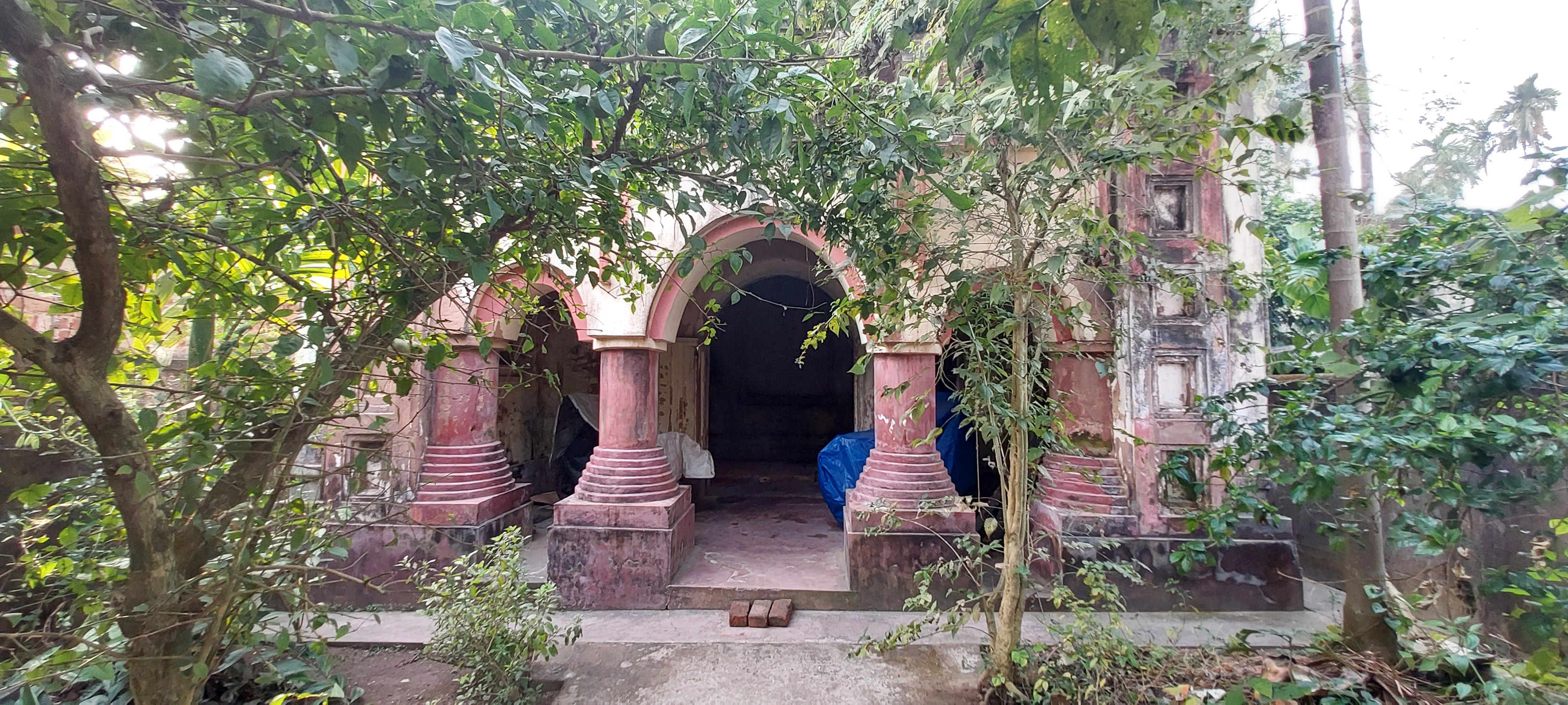
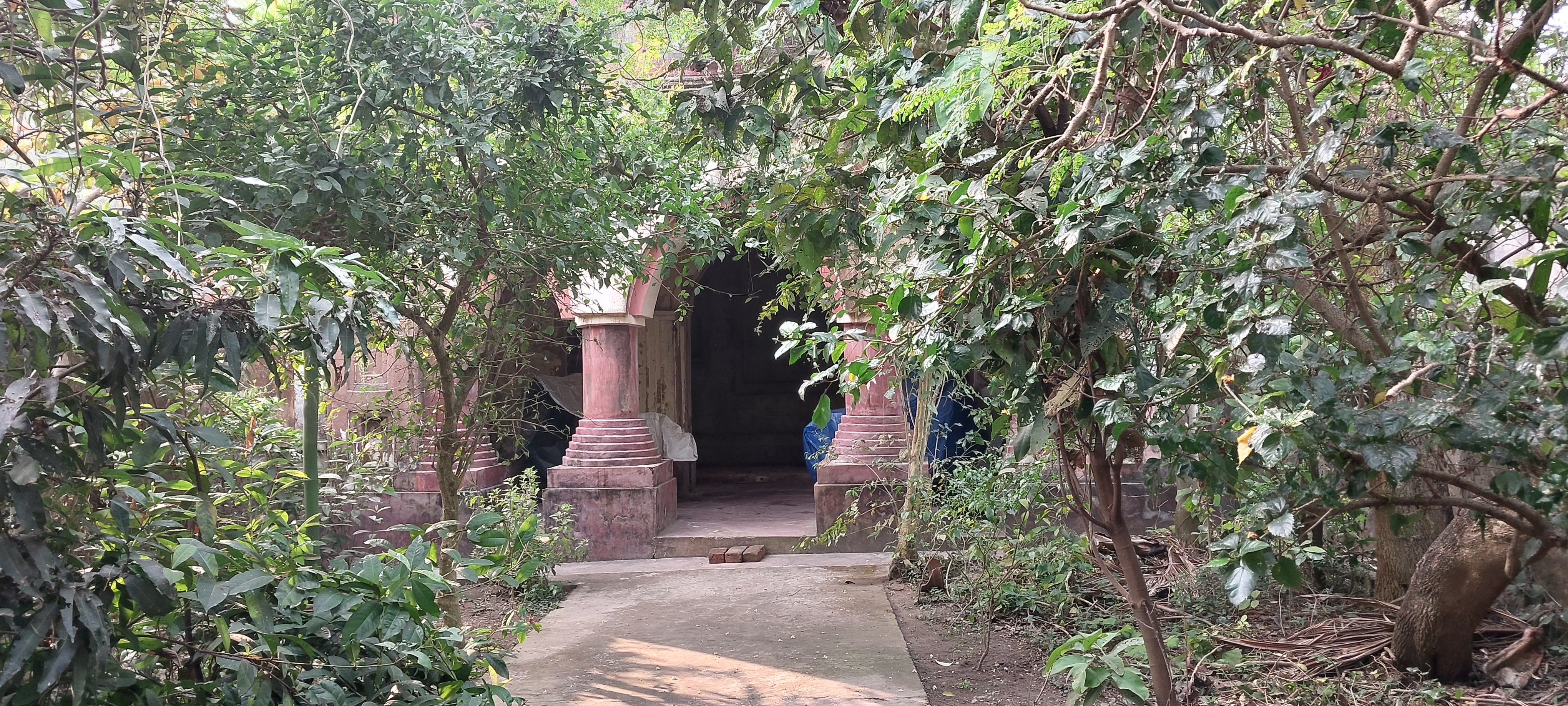
Kapalkundala Temple is situated in Dariapur village within Deshapran community development block in Purba Medinipur district. The district lies in the eastern part of West Bengal, and reaching the temple requires travel to this rural area. Visitors should plan their journey with attention to local transport options, as the temple is located in a village setting rather than an urban centre. The nearest major towns and transport hubs should be identified before travelling, and local enquiry about the most practical route is recommended.
Those planning a visit should allow time for travel and consider the seasonal conditions of rural West Bengal, which can affect road accessibility. Accommodation options in the immediate vicinity may be limited, so advance planning is advisable.
What Visitors Should Know
Before visiting, it is worth confirming current opening hours and any specific practices or restrictions with the temple directly, as detailed information about daily timings is not available from standard sources. Visitors should be prepared for a rural temple setting and approach with the reverence appropriate to an active place of worship. Photography policies vary by temple, and it is respectful to ask before taking photographs.
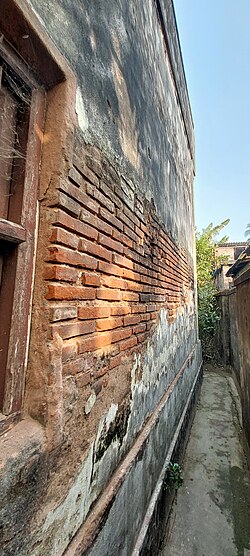
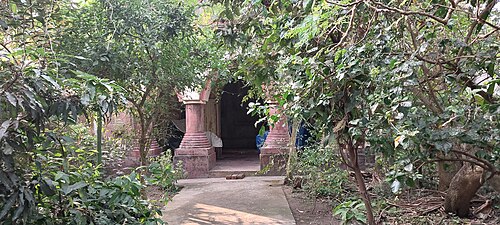
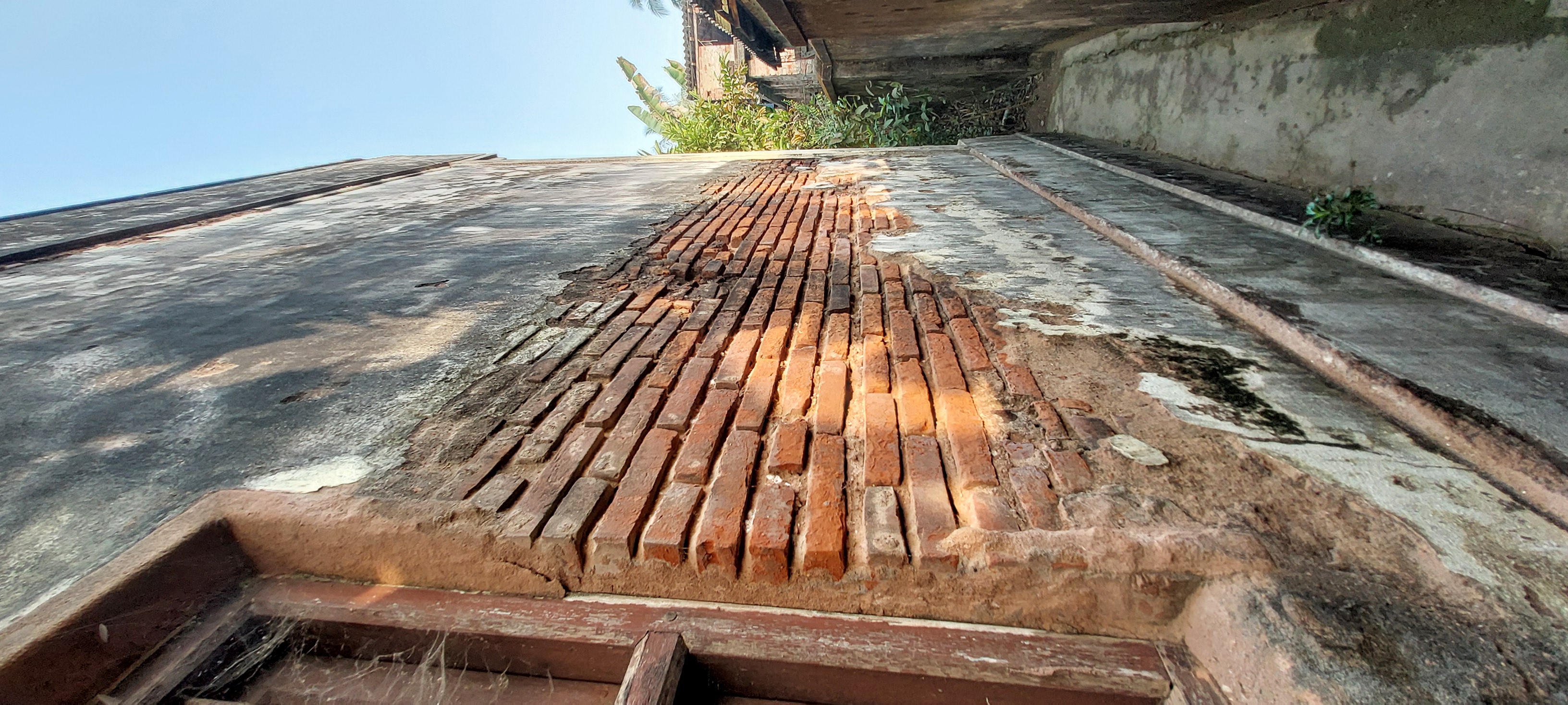
Offerings such as flowers, incense, or coconut are commonly made at Hindu temples, and the temple may have a system for such donations. Visitors unfamiliar with temple etiquette are welcome to observe and follow the lead of other worshippers. The temple's status as a heritage site means that its physical structure and surroundings merit careful attention and respect during a visit.
How to reach

You may also visit
Kalyanji Temple
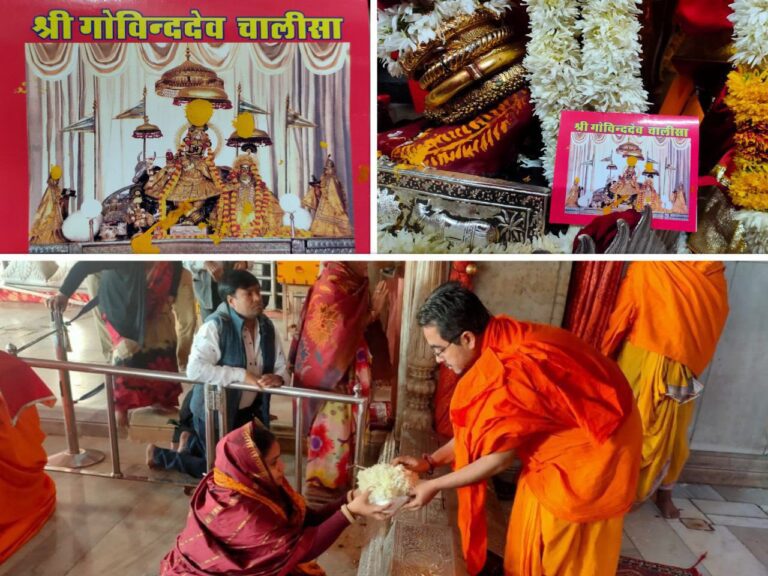
Kalyanji Temple in Jaipur's Chandpol Bazaar is approximately two centuries old and renowned for displaying the twenty-four avatars of Krishna, visible only twice yearly during Akha Teej and Patottsav festival.
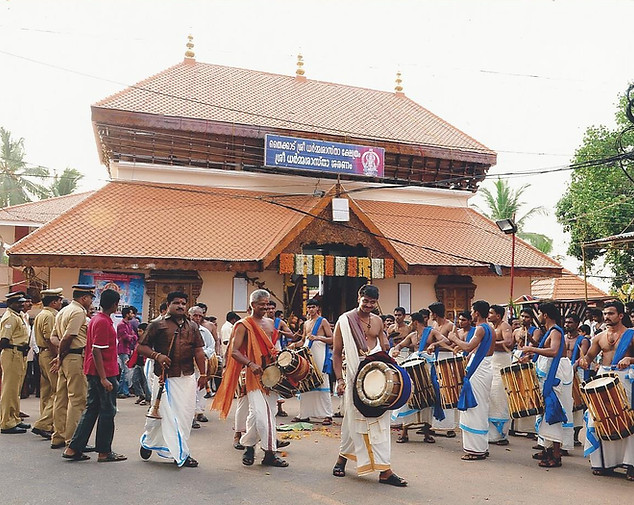
Sastha (Ayyappan) Temple
Sree Dharma Sastha Temple in Thycaud, Thiruvananthapuram, is a centuries-old shrine where the deity manifests as Dhanwanthari, the divine healer, holding the sacred blue lotus.
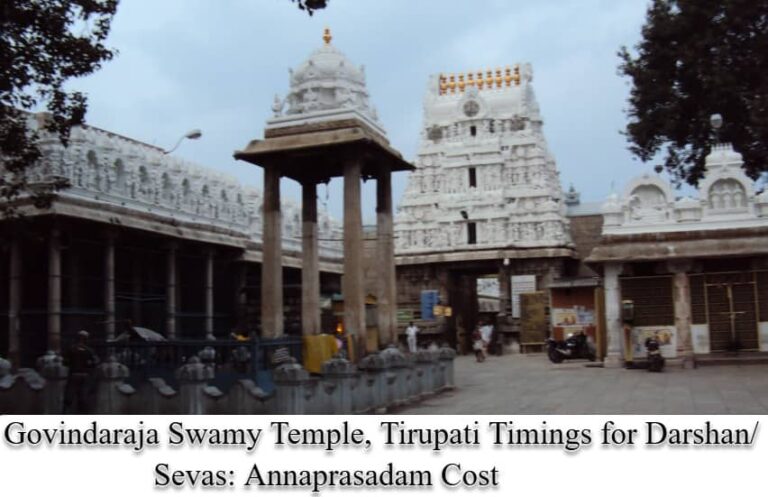
Govindarajaswamy Temple
Sri Govindarajaswamy Temple in Tirupati is an ancient Vaishnavaite shrine consecrated in 1130 AD by Saint Ramanuja, where the presiding deity rests in eternal Yoga Nidra on the serpent Adisesha.