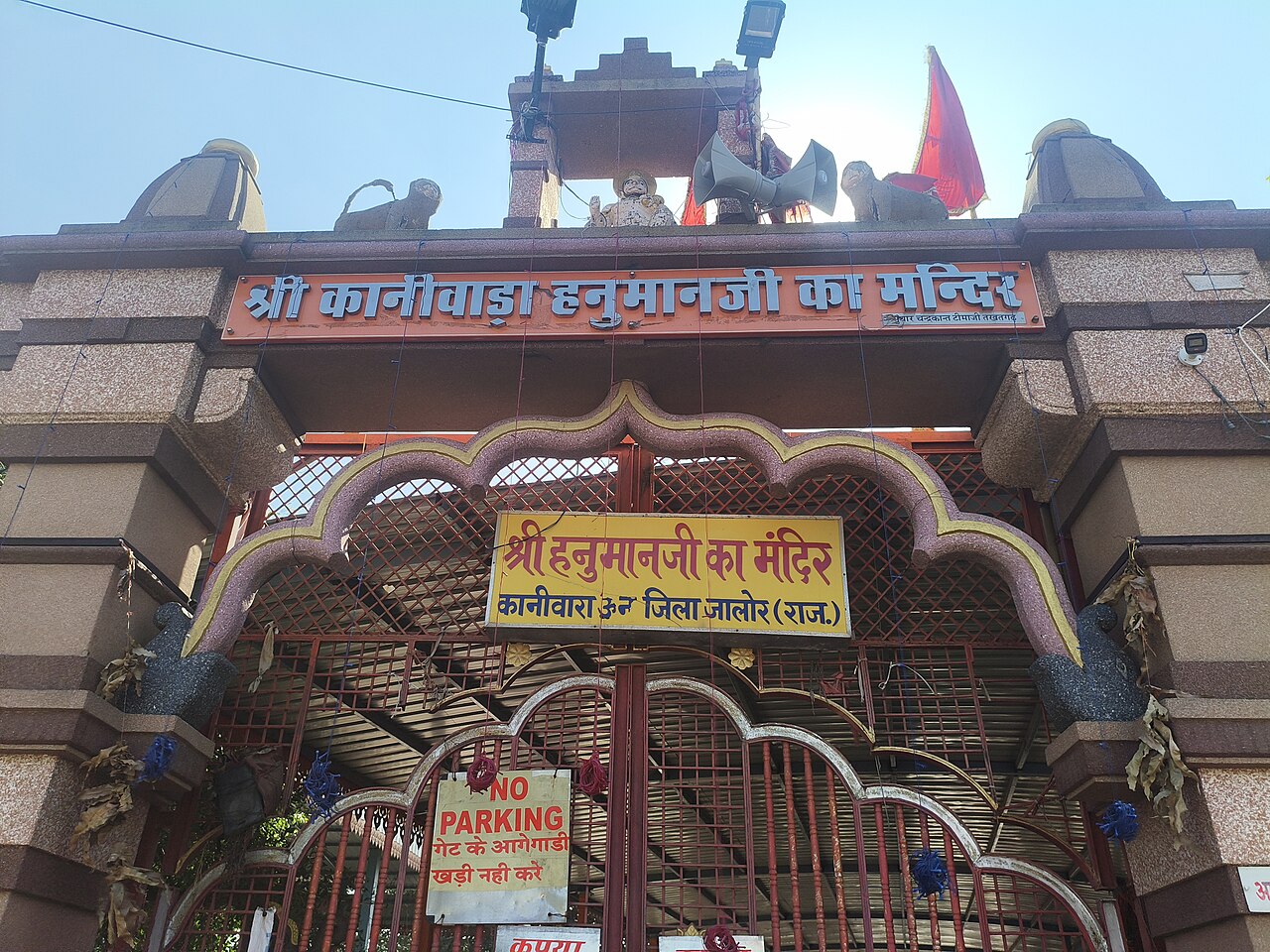
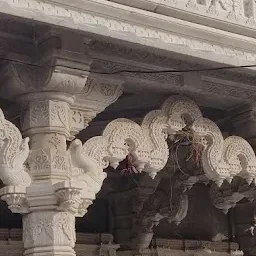

Kaniwada Hanuman Temple
About Kaniwada Hanuman Temple
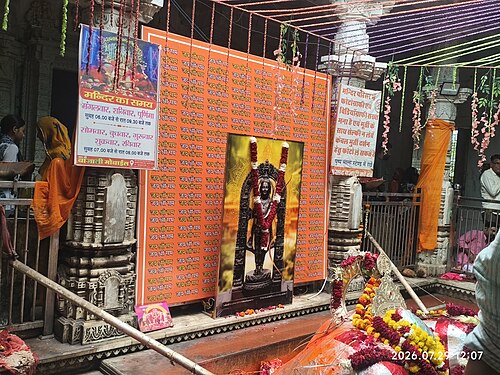
Hanuman occupies a central place in Hindu devotional practice, particularly among those who follow the path of bhakti (devotion). Temples dedicated to Hanuman typically emphasize his role as the supreme devotee of Rama, embodying qualities of courage, loyalty, and unwavering faith. At Kaniwada, this tradition continues—visitors come to offer prayers and make vows, seeking the deity's blessings for the resolution of life's difficulties and the fulfilment of sincere requests.
The open-air nature of the temple creates a distinctive atmosphere. Visitors have described the setting as peaceful and spiritually charged, with the natural surroundings contributing to the sense of calm and contemplation that characterizes the pilgrimage experience.
What to Expect and How to Prepare
As an active Hindu temple, visitors should approach with appropriate respect and reverence. Standard temple etiquette applies: remove footwear before entering the sanctum, maintain quiet and composed behaviour, and dress modestly. The open-air structure means the temple is exposed to weather conditions—visitors may wish to plan accordingly, particularly during Rajasthan's intense summer heat or monsoon season.
The temple accommodates pilgrims throughout the day and evening, though Tuesday draws substantially larger crowds. Those seeking a more intimate experience may find quieter periods on other weekdays, particularly in early morning hours. The site continues to develop its facilities gradually, so amenities may be basic; visitors should come prepared with water and any personal necessities they may require.
The Pilgrimage Experience
Devotees approach Kaniwada Hanuman Temple with specific intentions—seeking blessings for health, family matters, or the resolution of obstacles. The practice of making vows and returning to offer gratitude is common among pilgrims. The temple's reputation has grown through word of mouth within local communities and among those who travel from farther afield, creating a steady stream of visitors throughout the year.
The peaceful atmosphere noted by multiple visitors suggests that the temple offers more than ritual observance—it provides a space for personal reflection and spiritual connection. The natural setting, combined with the temple's ancient lineage, contributes to this quality.
Reaching the Temple
Kaniwara village is accessible from Jalore, the district headquarters. Those arriving by rail can use Jagannath Ji railway station as their entry point, from which local transport to the temple is available. The village location means the temple sits within a rural setting, offering visitors a sense of remove from urban centres while remaining reachable for pilgrimage purposes.
How to reach


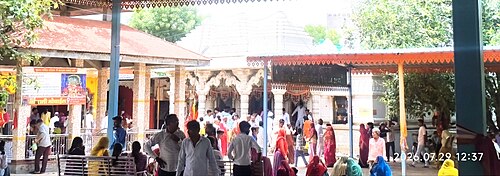
You may also visit
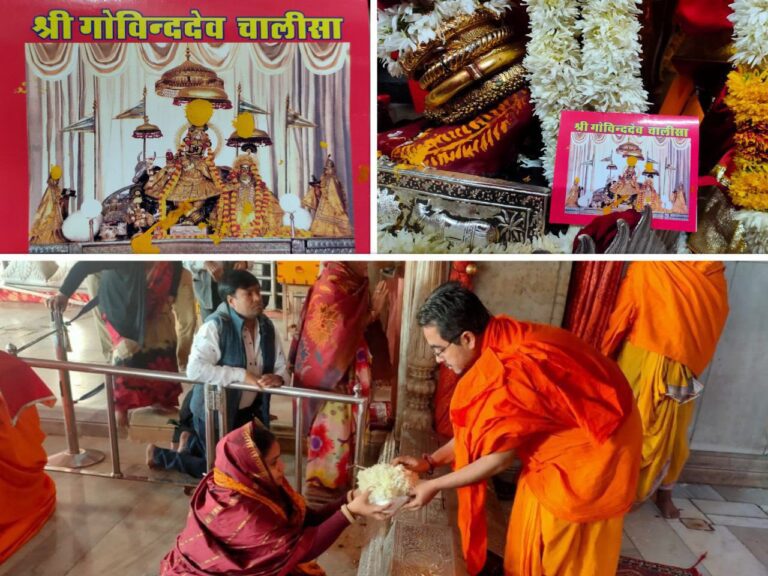
Kalyanji Temple
Kalyanji Temple in Jaipur's Chandpol Bazaar is approximately two centuries old and renowned for displaying the twenty-four avatars of Krishna, visible only twice yearly during Akha Teej and Patottsav festival.
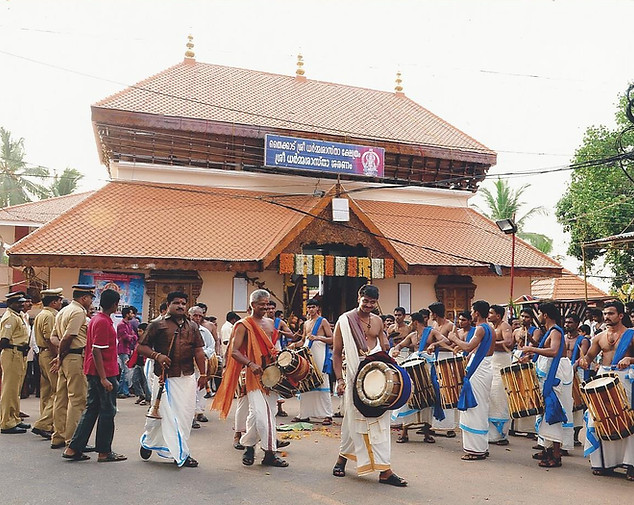
Sastha (Ayyappan) Temple
Sree Dharma Sastha Temple in Thycaud, Thiruvananthapuram, is a centuries-old shrine where the deity manifests as Dhanwanthari, the divine healer, holding the sacred blue lotus.
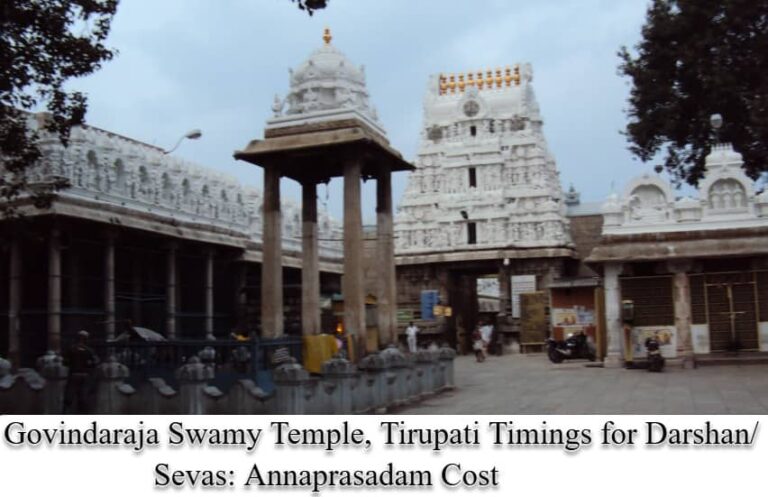
Govindarajaswamy Temple
Sri Govindarajaswamy Temple in Tirupati is an ancient Vaishnavaite shrine consecrated in 1130 AD by Saint Ramanuja, where the presiding deity rests in eternal Yoga Nidra on the serpent Adisesha.