

Kandiyoor Sree Mahadeva Temple
About Kandiyoor Sree Mahadeva Temple
The temple follows traditional Kerala architectural principles across its substantial compound. The sanctum itself adopts a rectangular form with a two-tier structure characteristic of Kerala temple design. The outer compound wall displays the Gajaprishta style—literally "elephant-back" architecture—a distinctive feature of Kerala's sacred spaces. The complex includes multiple shrines, stone inscriptions, sculptures, and sacred pathways that guide devotees through the temple grounds.
The architectural elements reflect centuries of Kerala temple craftsmanship, with intricate woodwork and ornate carvings throughout the structure. These details serve both aesthetic and spiritual functions, their traditional forms inviting contemplation as devotees move through the sacred space.
Daily Worship and Darshan
The temple maintains regular darshan hours that accommodate both early risers and evening visitors. Morning darshan runs from 5:30 a.m. to 11:00 a.m., while evening darshan operates from 5:00 p.m. to 8:00 p.m. The day begins with Usha Puja at 5:30 a.m., followed by Ucha Puja and Deeparadhana (the ritual of offering lamps). These daily rituals structure the temple's spiritual rhythm and offer devotees multiple opportunities for worship.
Specific sevas (ritual services) available to devotees include Nirmalya Darshanam (viewing the deity after ritual bathing), Shiva pujas, and Pradosham worship—the latter observed on the thirteenth lunar day, considered especially auspicious for Shiva devotion. Early morning on weekdays typically offers the most peaceful darshan experience, with fewer crowds and a quieter atmosphere for personal worship.
Festivals and Auspicious Observances
The temple calendar centres on occasions of particular significance to Shiva worship. Mahashivaratri, the great night dedicated to Lord Shiva, draws substantial numbers of devotees. Pradosham—observed twice monthly on the thirteenth lunar day—brings worshippers seeking Shiva's grace. The Dhanu Festival, along with Thiruvathira, marks the temple's annual celebrations when the sacred space becomes particularly vibrant with ritual activity and devotional gathering.
Visiting Information and Practicalities
The temple is located at Kandiyoor, Mavelikara, Alappuzha District, Kerala 690103. Mavelikara Railway Station serves as the nearest rail connection. For inquiries, the temple contact number is 0479-2301354. Parking is available on the temple grounds. Visitors should note that the rear door of the temple remains permanently closed, a historical detail reflecting the temple's past.
Dress modestly when visiting, as is customary at Hindu temples. Remove footwear before entering the sanctum. The temple welcomes visitors during posted darshan hours; arriving early in the morning typically provides a less crowded experience. Nearby places of interest include Chettikulangara Devi Temple, Haripad, and Mannarasala Nagaraja Temple, allowing visitors to structure a broader pilgrimage itinerary in the region.
How to reach
You may also visit
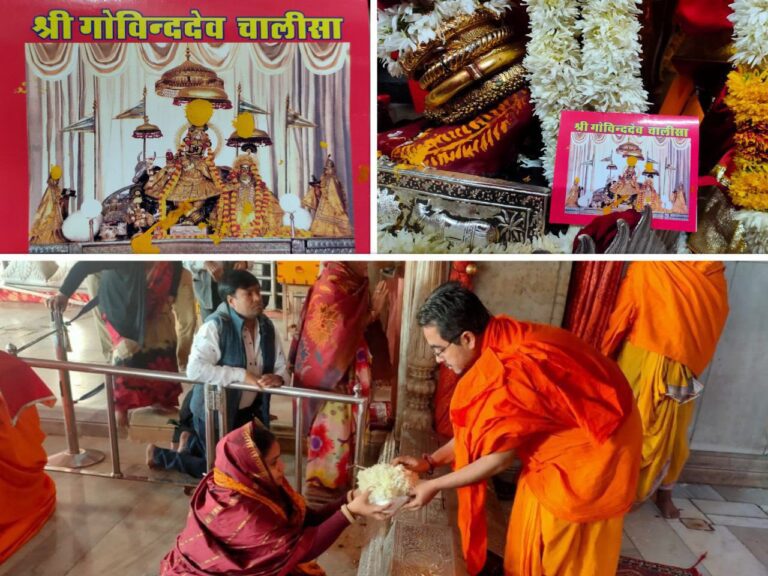
Kalyanji Temple
Kalyanji Temple in Jaipur's Chandpol Bazaar is approximately two centuries old and renowned for displaying the twenty-four avatars of Krishna, visible only twice yearly during Akha Teej and Patottsav festival.
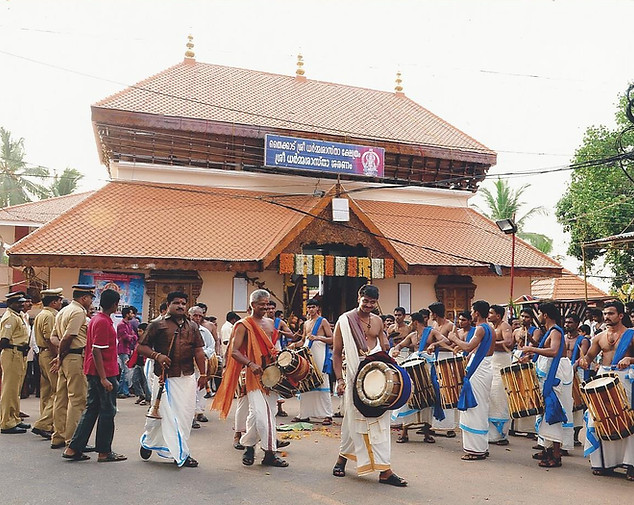
Sastha (Ayyappan) Temple
Sree Dharma Sastha Temple in Thycaud, Thiruvananthapuram, is a centuries-old shrine where the deity manifests as Dhanwanthari, the divine healer, holding the sacred blue lotus.
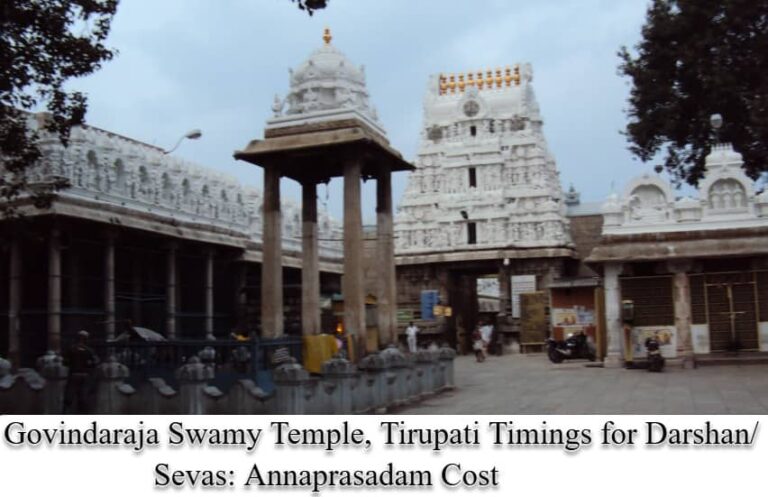
Govindarajaswamy Temple
Sri Govindarajaswamy Temple in Tirupati is an ancient Vaishnavaite shrine consecrated in 1130 AD by Saint Ramanuja, where the presiding deity rests in eternal Yoga Nidra on the serpent Adisesha.