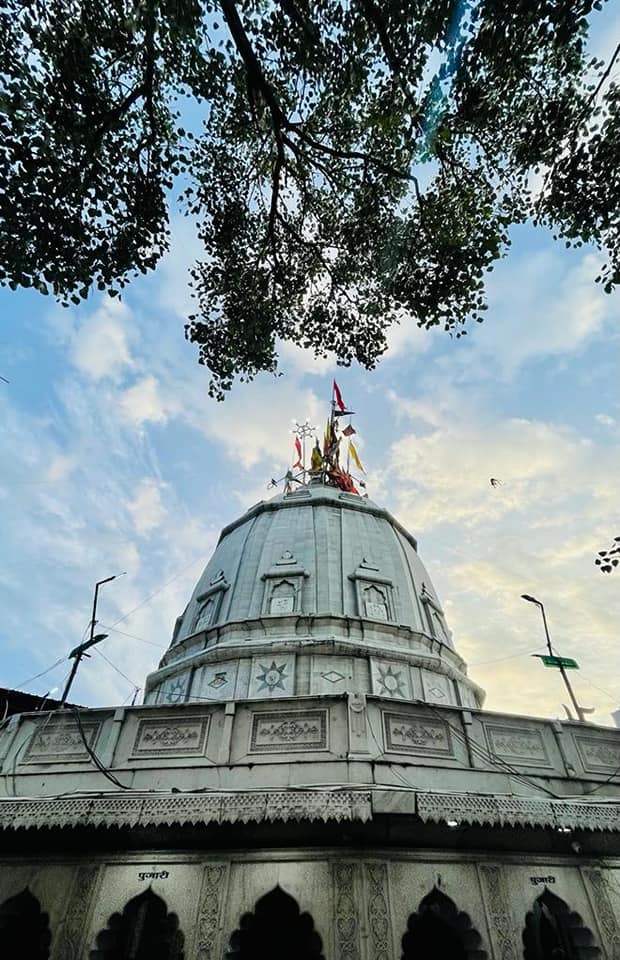

Kalkaji Mandir
About Kalkaji Mandir
The temple's origins extend into antiquity. According to the sources, Kalkaji Mandir is believed to date back over 3,000 years, traditionally associated with the Satya Yuga—the first age in Hindu cosmology. This foundational history predates the major architectural interventions that followed. The Maratha period brought expansion to the temple in 1764, and later, during the Mughal era, significant reconstruction occurred in 1816. These successive layers of building and rebuilding reflect the temple's continuous importance across different historical periods and dynasties. The 1816 reconstruction was undertaken around a structure that had already accumulated centuries of worship, indicating that the core sacred space remained active even through periods of political transition.
Daily Worship and the Four Aartis
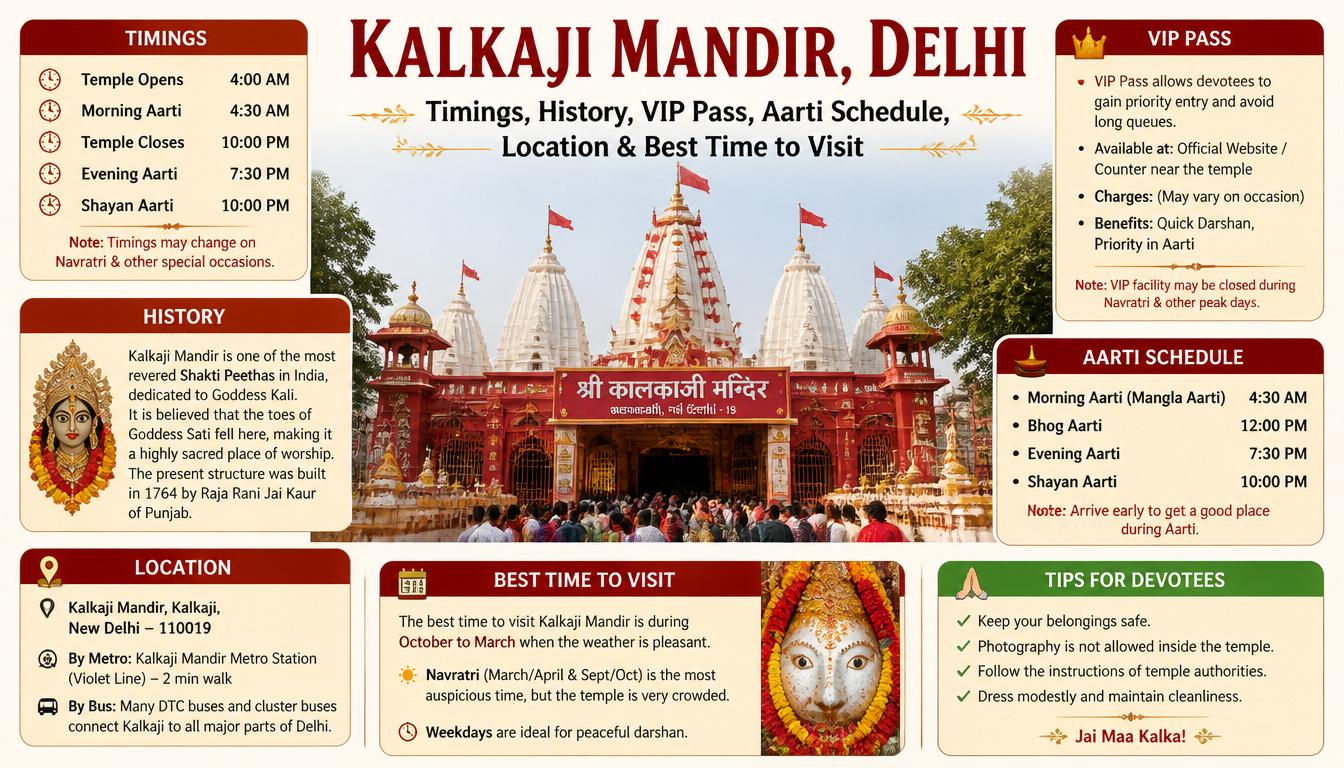
The temple maintains an open schedule throughout the year, welcoming visitors from 4:00 AM until 11:30 PM daily, with no closures for festivals or weekly breaks. This accessibility makes Kalkaji one of Delhi's most consistently available major temples for darshan.
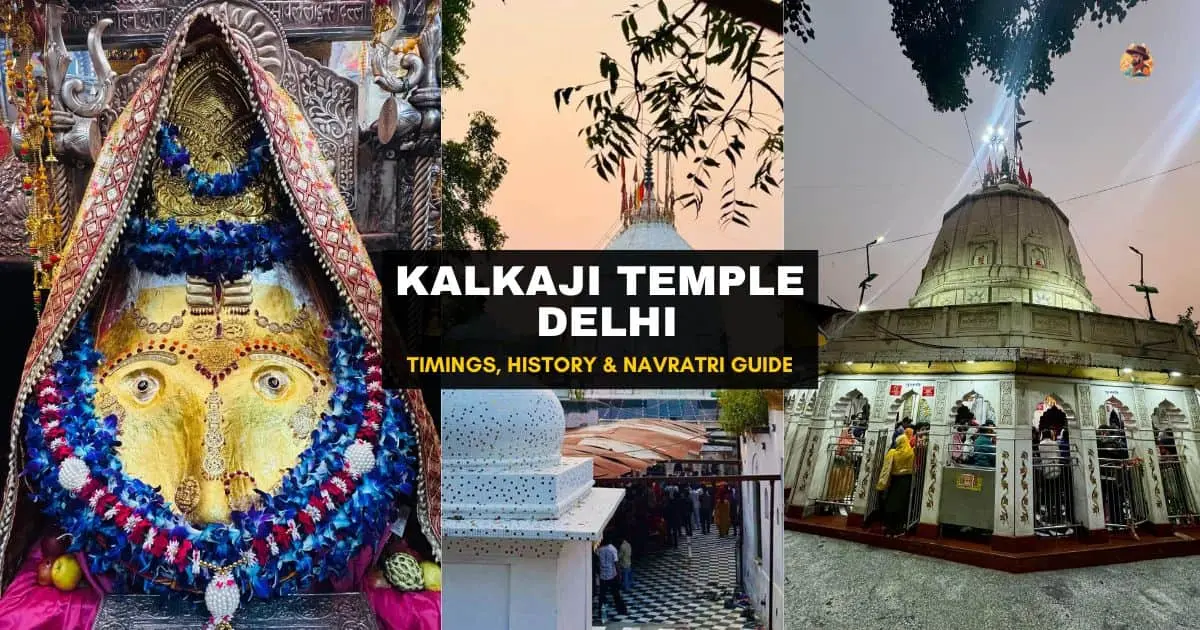
Four formal aartis structure the day's worship. The Mangala Aarti begins at 4:30 AM, marking the temple's spiritual awakening in the pre-dawn hours. The Madhyahn Aarti occurs at midday (12:00 PM), followed by the Sandhya Aarti at 7:00 PM as evening descends. The final ritual, the Shayan Aarti at 10:30 PM, concludes the day's formal worship as the deity is prepared for rest. Between the Mangala and Sandhya aartis, the idol undergoes shringar (ritual dressing) between 5:30 and 6:30 AM, adorned with fresh flowers and garments. A Ganesh Vandana (hymn to Lord Ganesha) is also performed at 5:00 AM.
Darshan—the viewing of the deity—is available throughout these hours. The early morning window between 4:00 and 6:00 AM on weekdays offers the most serene experience, with typically fewer than 100 devotees present. The main crowds build between 7:00 and 10:00 AM, particularly on weekends. Those seeking quieter evening darshan may visit after 8:30 PM on weekdays, when the temple becomes noticeably less crowded.
Visiting During Navratri
Navratri, the nine-day festival honoring the goddess in her various forms, holds special significance at Kalkaji Mandir. During this period, the temple offers overnight darshan, allowing devotees extended access to worship. The festival typically occurs in October, drawing increased numbers of pilgrims. For those planning a visit during this time, advance preparation is advisable given the heightened attendance.
Practical Information for Visitors
The temple is located at coordinates 28.5497752, 77.2606671 in Kalkaji, South Delhi, directly opposite Nehru Place. Public transport access is convenient: Kalkaji Mandir Metro Station (served by the Violet and Magenta Lines) lies approximately 500 meters away, while Okhla NSIC Station (Magenta Line) is about 340 meters distant.
A VIP darshan pass is available for ₹150–300, though this is typically sold only at the counter during festival periods and not through online booking. Standard darshan requires no fee. Visitors should dress modestly and remove footwear before entering the sanctum, following the conventions observed at Hindu temples. The temple's official website is skmpsc.org, which may provide additional current information about special events or services.
How to reach

Temples near Kalkaji Mandir
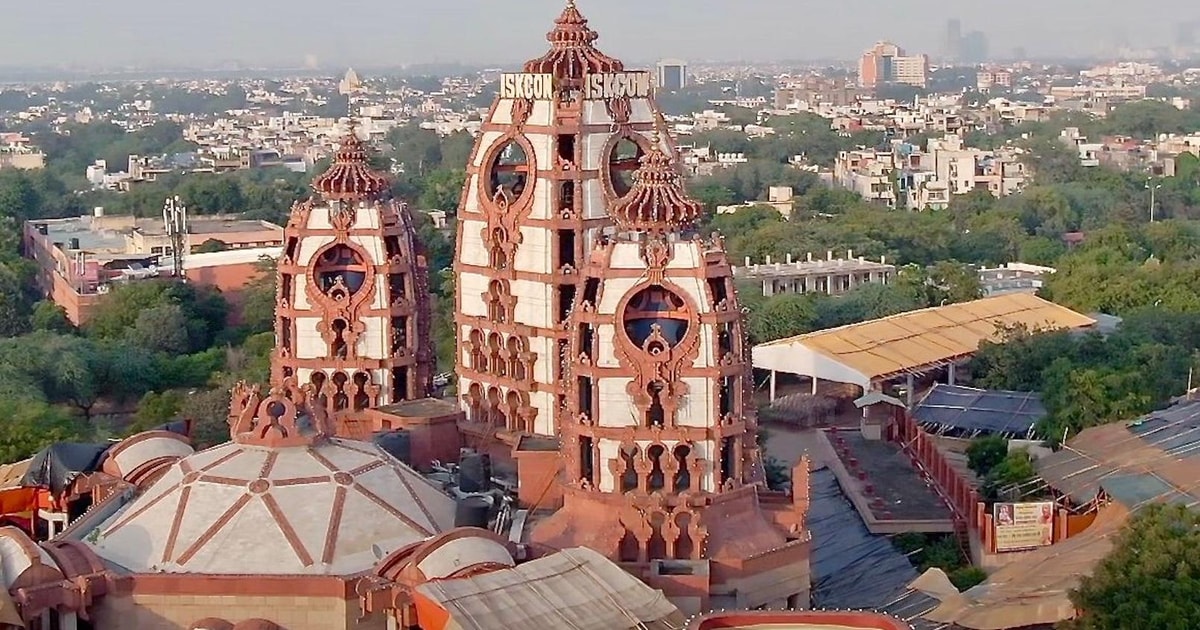
ISKCON Temple, Delhi
Sri Sri Radha Parthasarathi Mandir, the principal ISKCON temple in Delhi, was inaugurated by Prime Minister Atal Bihari Vajpayee on 5 April 1998. The temple houses the presiding…
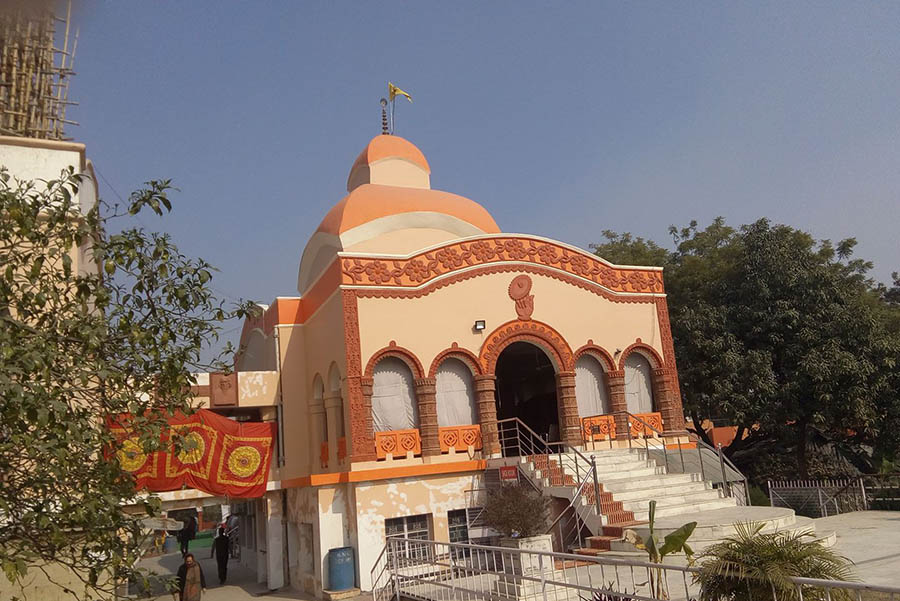
Chittaranjan Park Kali Mandir
Chittaranjan Park Kali Mandir is a revered Bengali temple in South East Delhi founded in 1973, housing shrines to Goddess Kali, Lord Shiva, and Radha-Krishna. It serves as a spi…
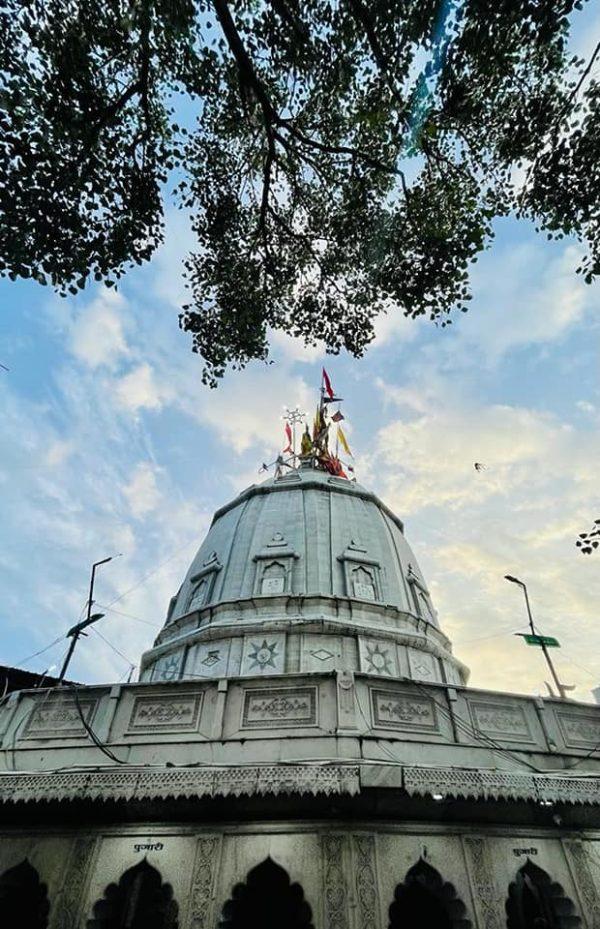
Mata Ka Mandir
Mata Ka Mandir (also known as Maa Shri Kalkaji Mandir) is an ancient South Delhi temple believed to date back over 3,000 years to the Satya Yuga, dedicated to the goddess Kali.…
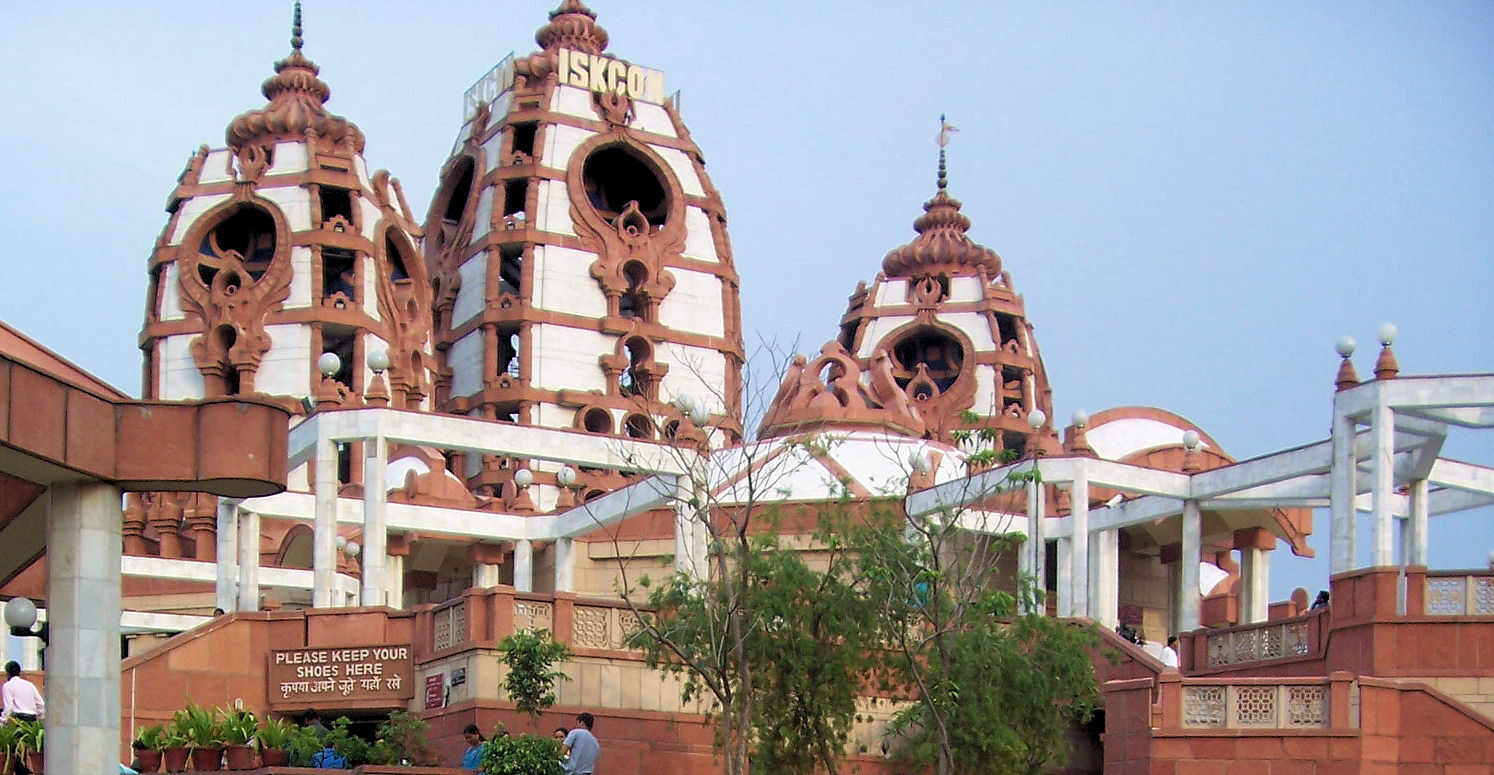
Pocket E Temple
Sri Sri Radha Parthasarathi Mandir, commonly known as Pocket E Temple, is ISKCON Delhi's principal Hare Krishna temple established in 1998. The presiding deities receive continu…
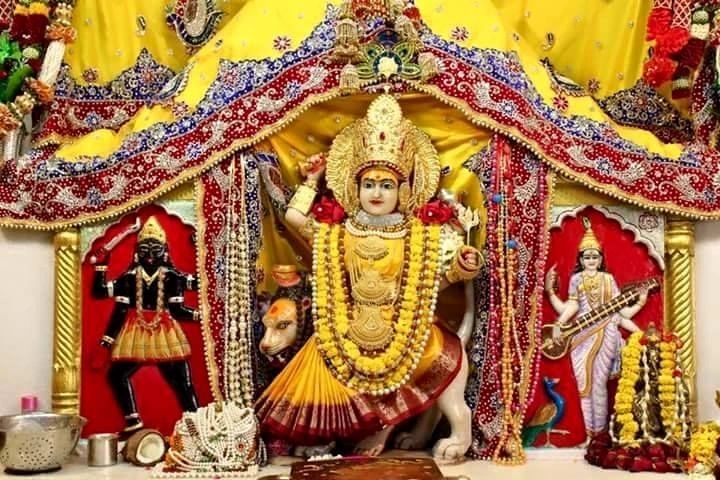
mata temple on the road
Jhandewalan Mandir is one of Delhi's oldest and most revered Shakti shrines, famous for its 108-foot Hanuman statue whose chest mechanically opens during evening Aarti to reveal…
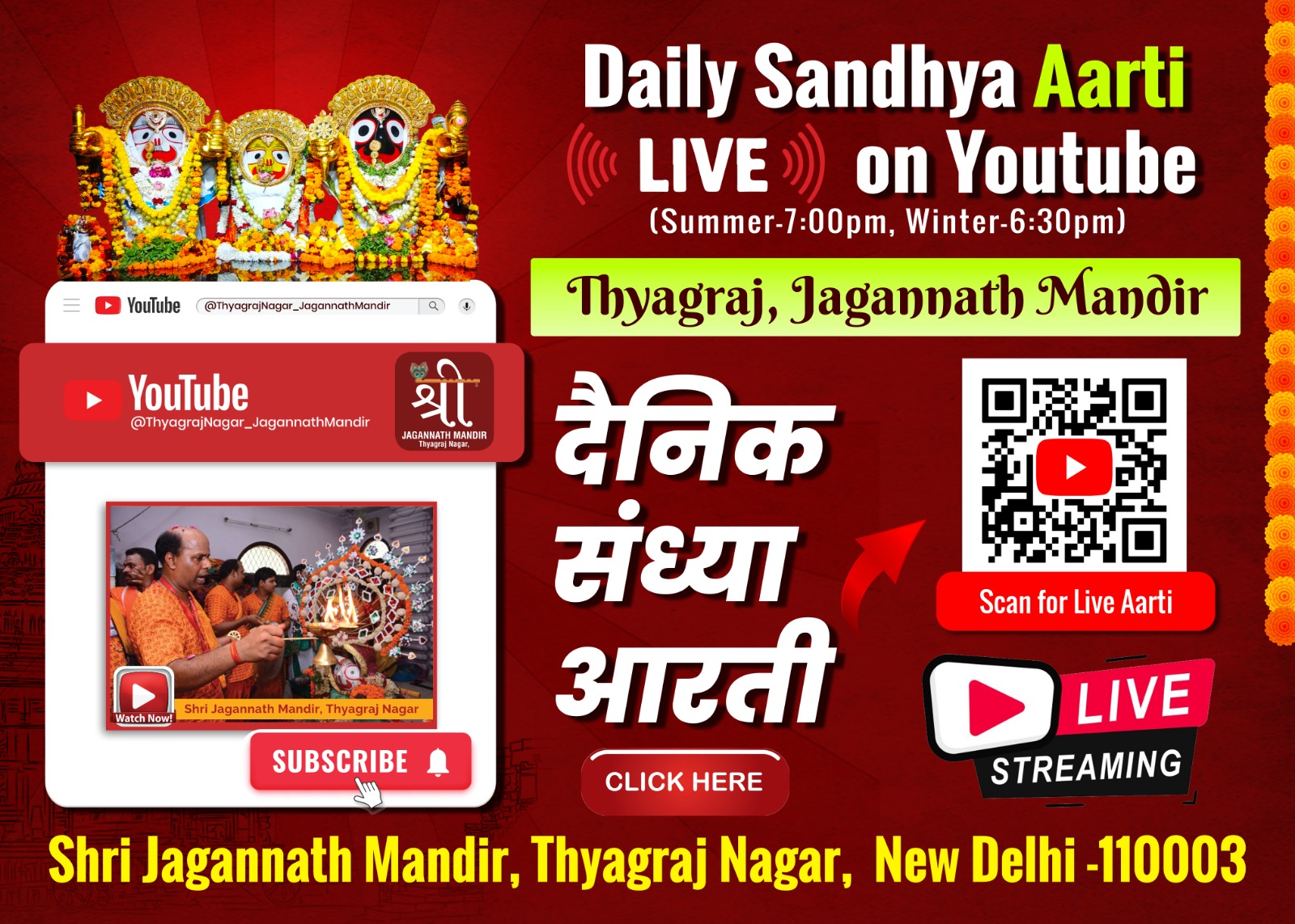
Jagannath Temple, Delhi
The Jagannath Temple in Hauz Khas, Delhi is a modern shrine established in 1968 by the Odia community, renowned for its annual Rathyatra festival that draws thousands of devotees.