ISKCON Temple, Delhi
About ISKCON Temple, Delhi
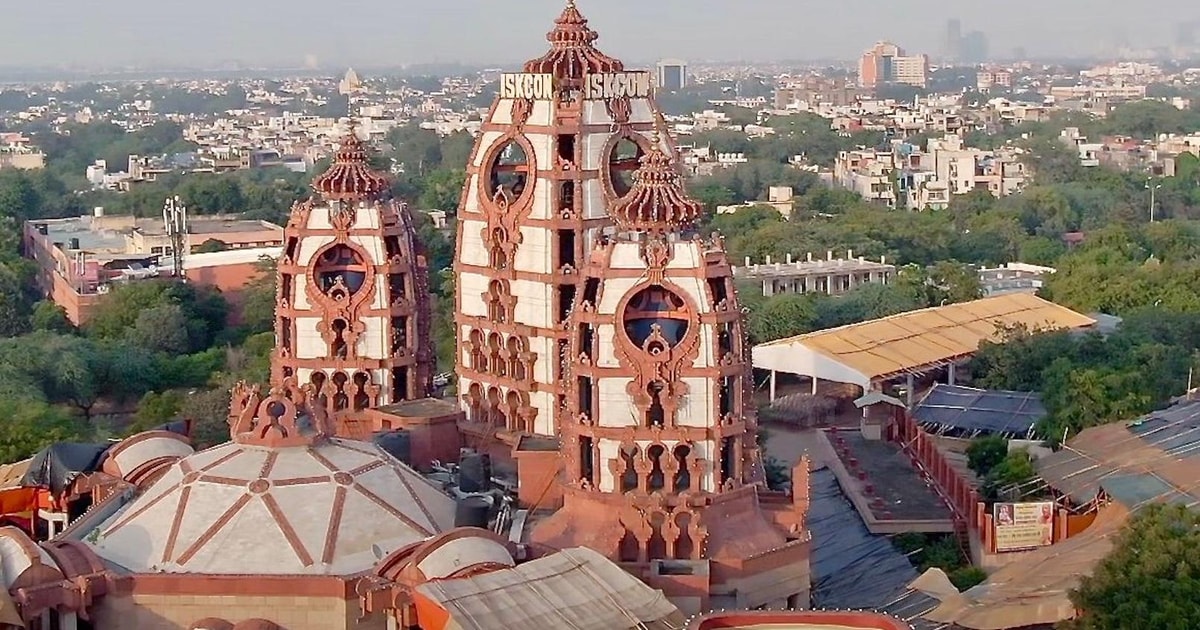
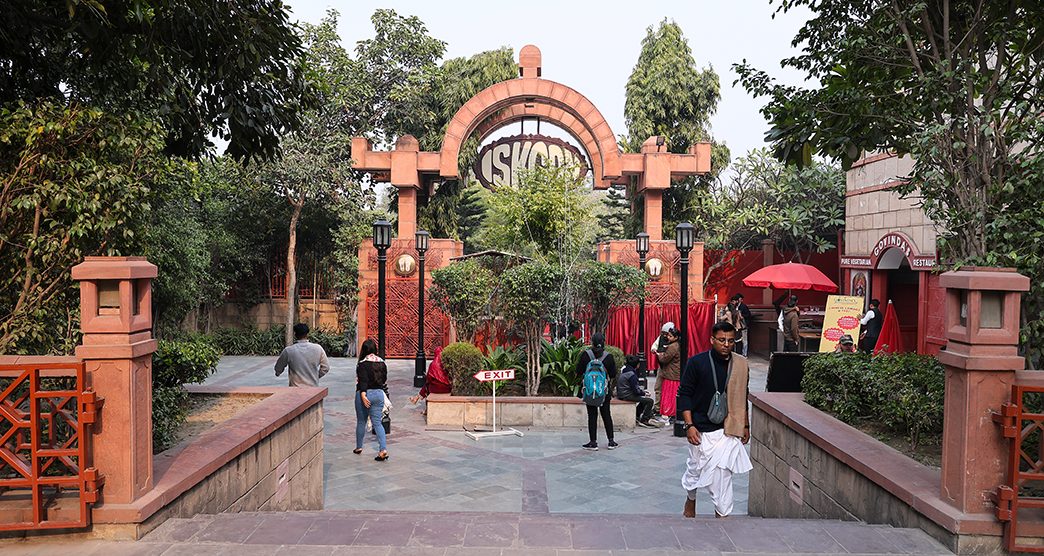
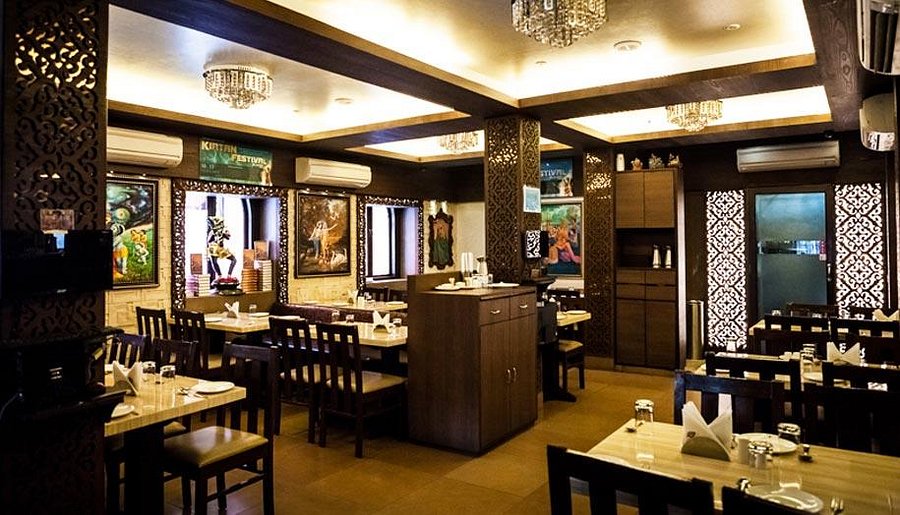
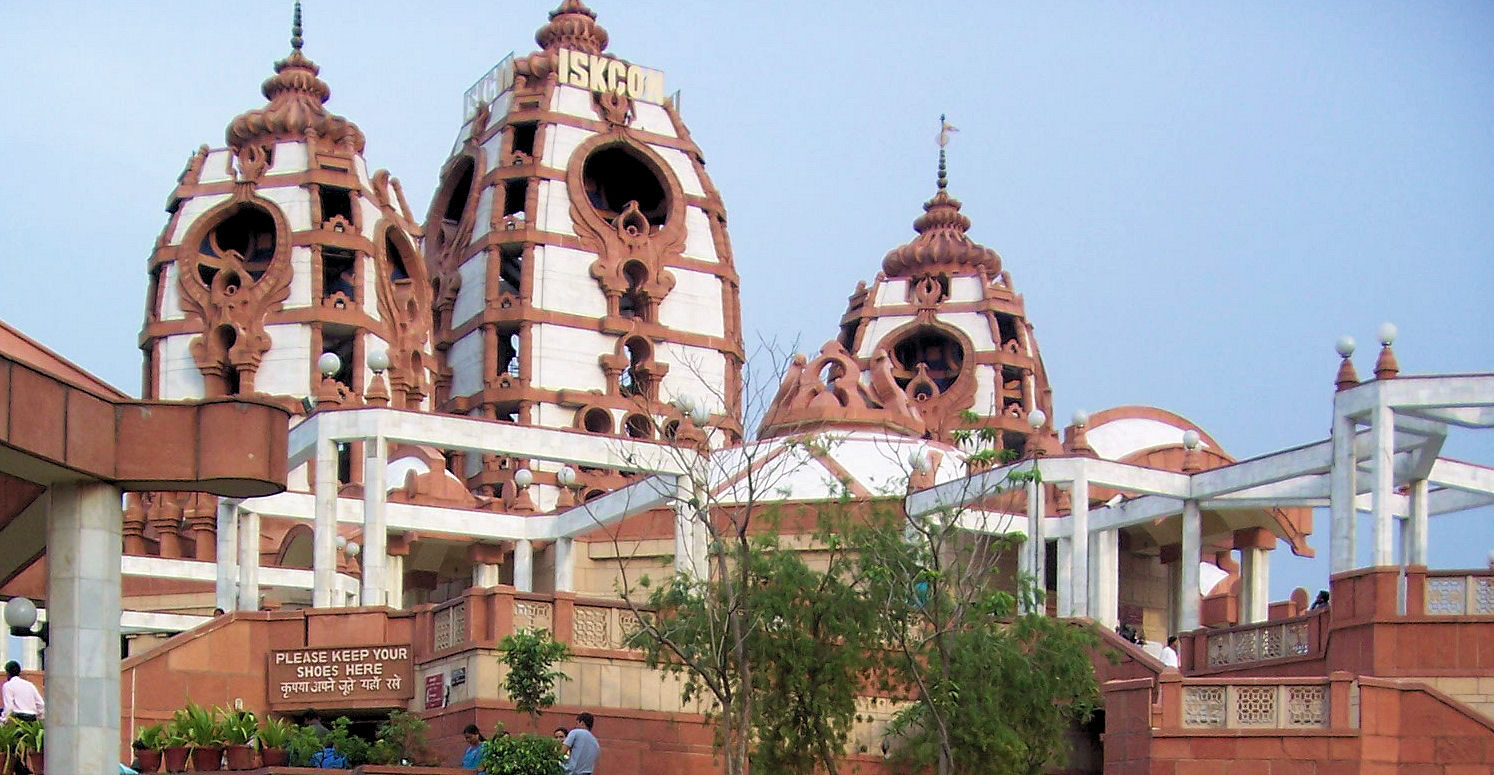
Established in 1998, the temple was inaugurated on 5 April by then Prime Minister Atal Bihari Vajpayee, with the former Chief Minister of Delhi Sahib Singh Verma and Sushma Swaraj in attendance. The architect Achyut Kanvinde designed the structure as an offering, declining any fee for his work. The complex sits on Hare Krishna Hills in the East of Kailash area and encompasses not only the main temple hall but also Govinda's vegetarian restaurant, a devotee ashram, and the Glory of India Vedic Cultural Centre, creating a comprehensive spiritual and cultural space.
Daily Worship and Aarti Schedule
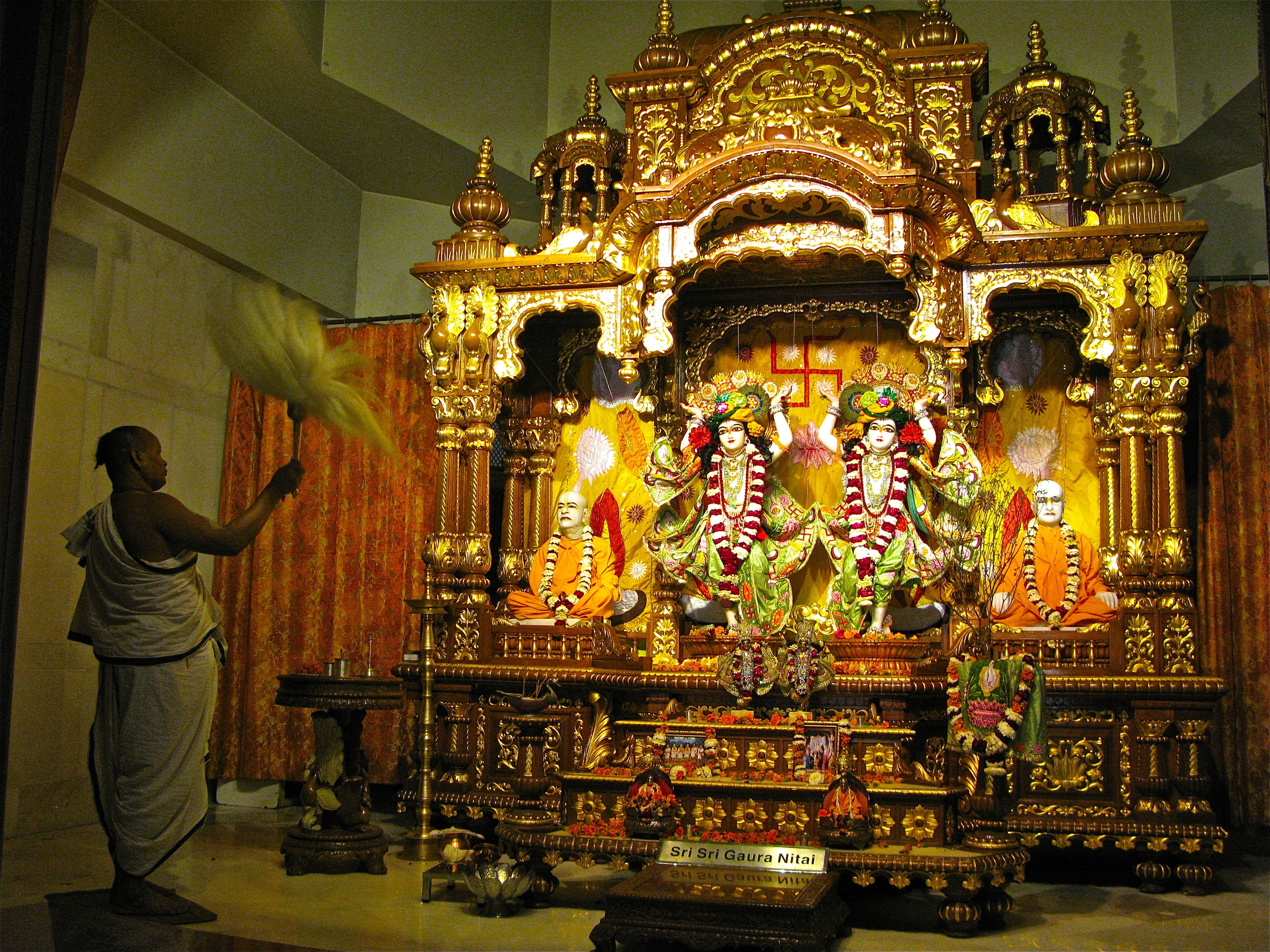
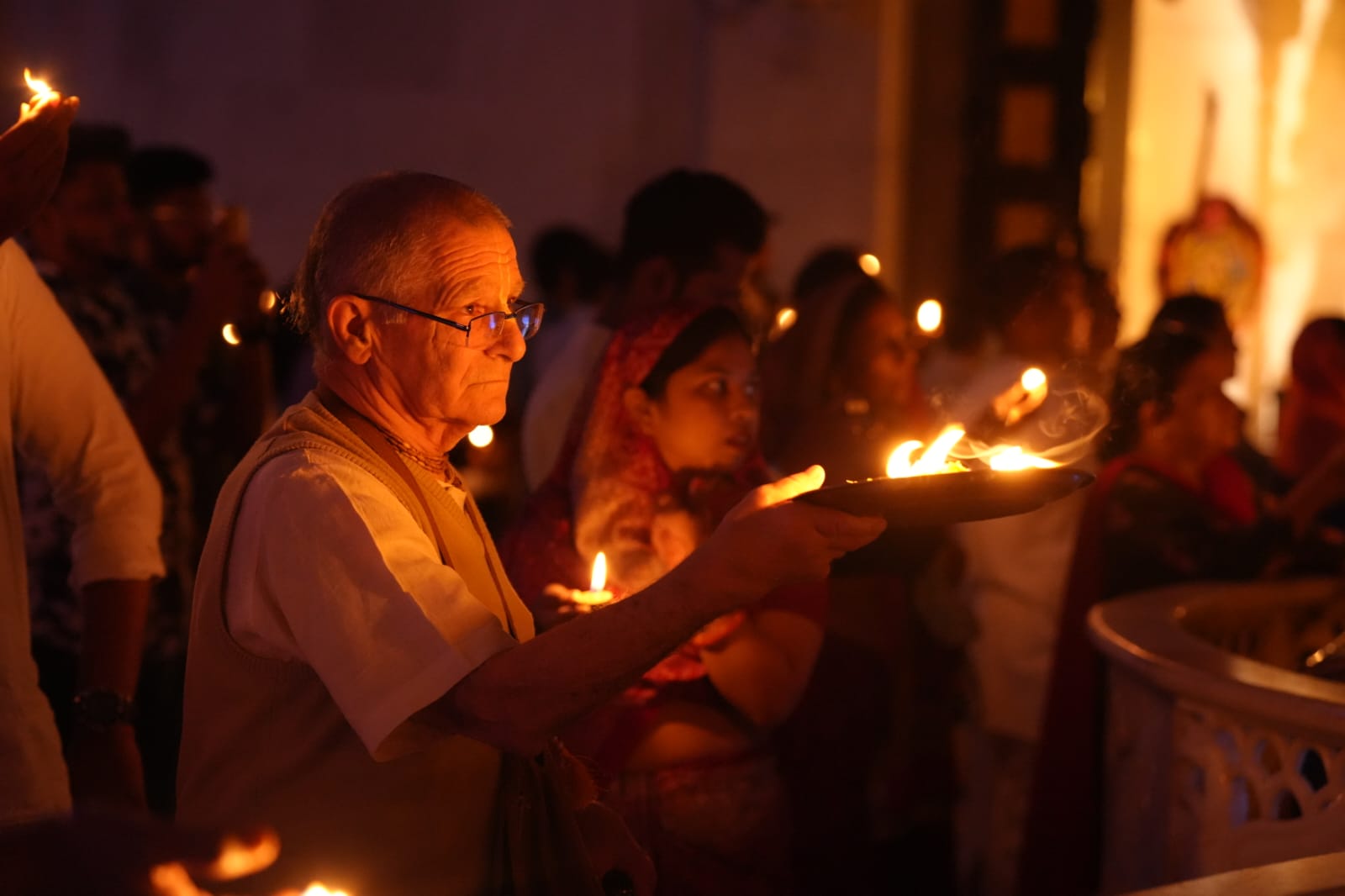
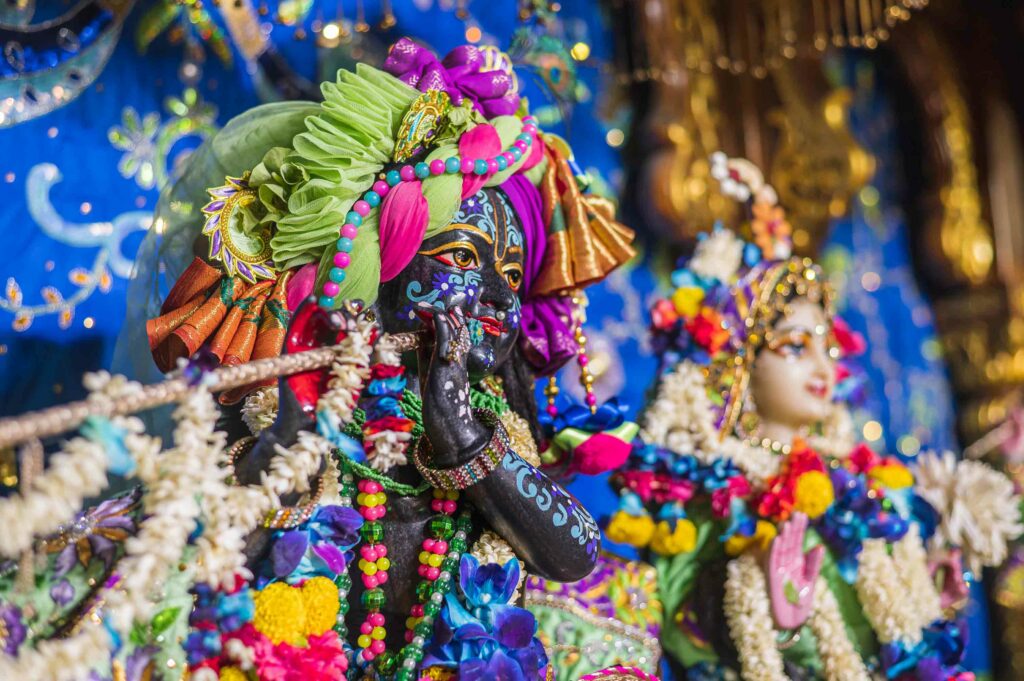
The temple follows the Pancharatrika system of worship, a formal liturgical tradition for deity service. Seven aartis (ritual worship ceremonies with lamps) structure the day, beginning before dawn and continuing into the evening. The Mangala Aarti at 4:30 AM marks the first worship in near darkness, followed by the Sringar Aarti at 7:15 AM when the deities are dressed for the day. A Srimad Bhagavatam class is held at 8:00 AM. The Raj Bhog Aarti at 12:30 PM precedes a closure of the sanctum from 1:00 PM to 4:00 PM. The Dhup Aarti begins at 4:15 PM as the sanctum reopens. The Sandhya Aarti at 7:00 PM draws the largest gathering and features vigorous kirtan (devotional chanting). The day concludes with the Shayana Aarti at 8:30 PM, when the Lord is laid to rest. The temple remains open daily from 4:30 AM to 9:00 PM, though exact timings for some aartis may shift seasonally.
Janmashtami and Festival Observance
Janmashtami, celebrating Krishna's birth, is observed with particular grandeur at the temple. The celebration includes 108 Kalasha Maha Abhisheka (ritual bathing ceremonies using sacred vessels) and 108 Maha Aartis. Midnight celebrations mark Krishna's appearance, and jhanki darshan—elaborate devotional tableaux depicting Krishna's pastimes—are displayed for viewing. Mahaprasadam (sanctified food offerings) is distributed to thousands of devotees. The temple invites participation through various forms of seva, or service, including sponsorship of rituals, decorations, and prasadam distribution.
Dining and Facilities
Govinda's, the temple's pure vegetarian restaurant, operates within the complex and offers dining to visitors. The temple also runs Food for Life programmes that distribute meals across Delhi, extending the principle of prasadam beyond the temple walls. Various forms of seva are available to those wishing to support the temple's work, including Sadhu Seva (support for resident saints), online puja bookings, and contributions toward deity worship and scripture distribution. Donations carry 80G tax deductibility where applicable.
Visiting Information
Entry to the temple is free for all visitors. The best times to visit depend on your preference: the Mangala Aarti at 4:30 AM offers a peaceful atmosphere in near-solitude, while the Sandhya Aarti at 7:00 PM provides the most vibrant kirtan energy and the largest gathering of devotees. Visitors should be aware that the sanctum closes between 1:00 PM and 4:00 PM. Modest dress is customary when visiting Hindu temples. The temple is located at Hare Krishna Hills, Sant Nagar, East of Kailash, New Delhi – 110065. For those unable to visit in person, online darshan is available, allowing remote participation in worship.
How to reach
Temples near ISKCON Temple, Delhi
Mata Ka Mandir
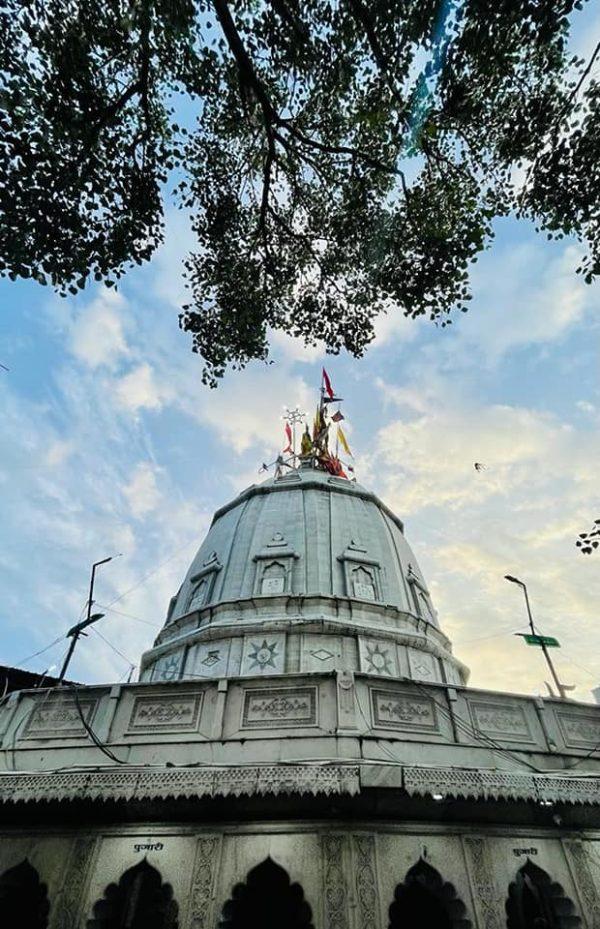
Mata Ka Mandir (also known as Maa Shri Kalkaji Mandir) is an ancient South Delhi temple believed to date back over 3,000 years to the Satya Yuga, dedicated to the goddess Kali.…
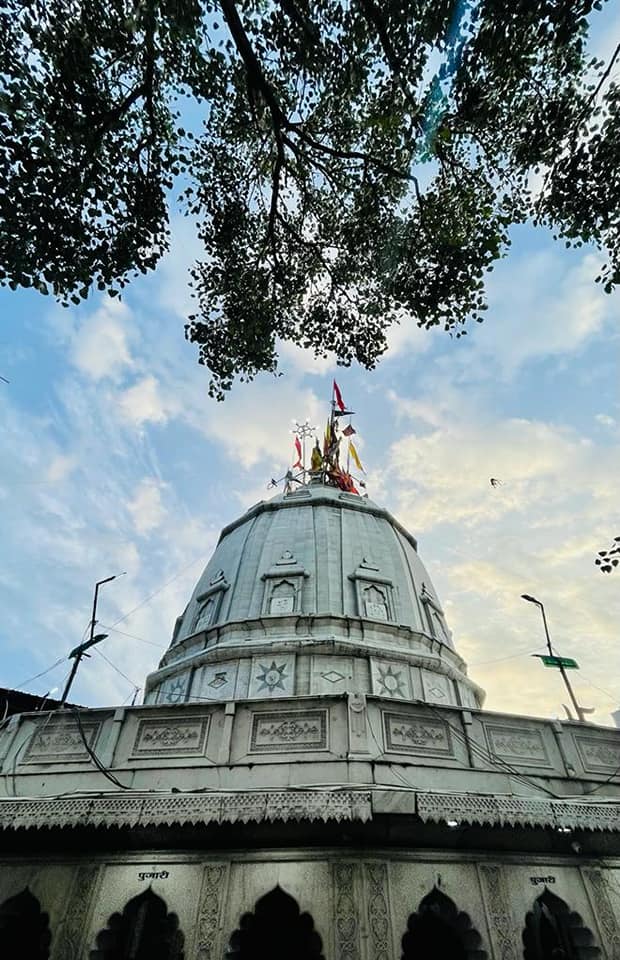
Kalkaji Mandir
Kalkaji Mandir is an ancient Hindu temple in South Delhi dedicated to Maa Kali, believed to date back over 3,000 years to the Satya Yuga. The locality of Kalkaji takes its name…
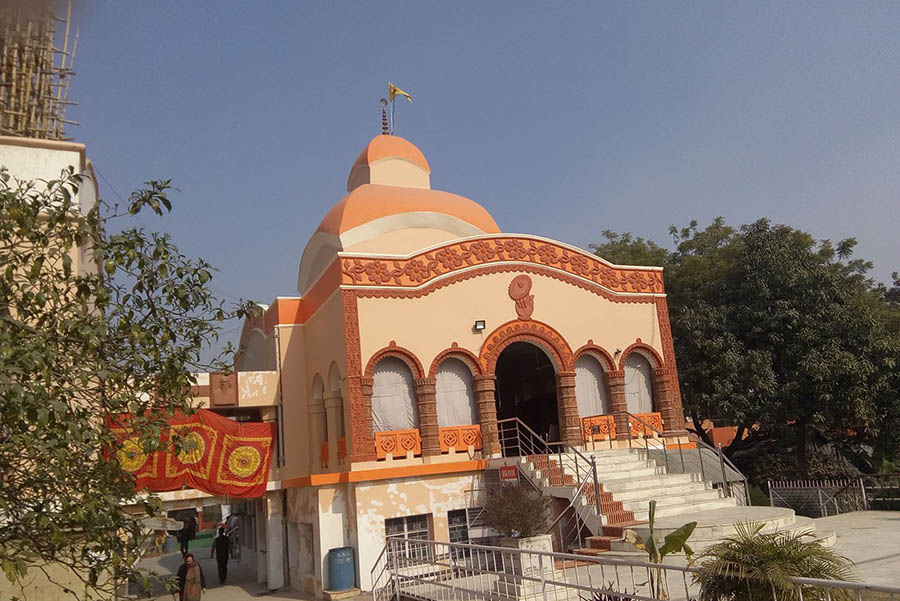
Chittaranjan Park Kali Mandir
Chittaranjan Park Kali Mandir is a revered Bengali temple in South East Delhi founded in 1973, housing shrines to Goddess Kali, Lord Shiva, and Radha-Krishna. It serves as a spi…
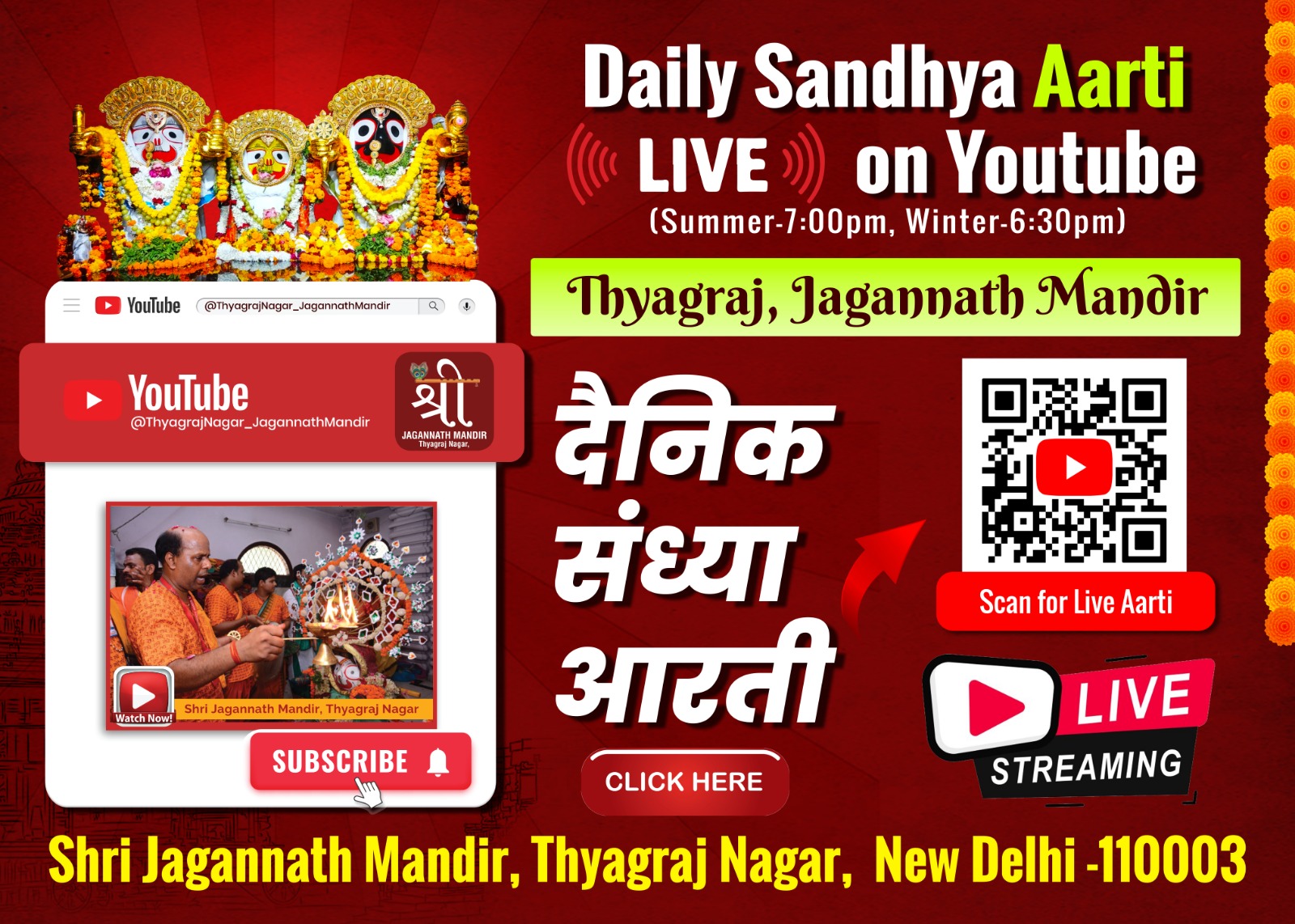
Jagannath Temple, Delhi
The Jagannath Temple in Hauz Khas, Delhi is a modern shrine established in 1968 by the Odia community, renowned for its annual Rathyatra festival that draws thousands of devotees.
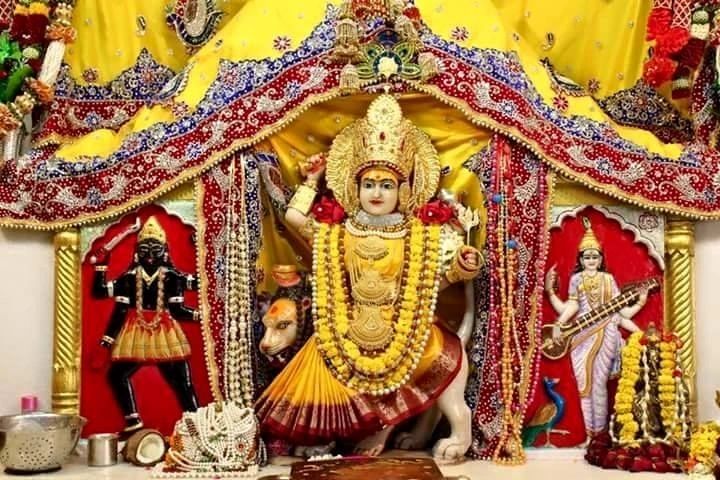
mata temple on the road
Jhandewalan Mandir is one of Delhi's oldest and most revered Shakti shrines, famous for its 108-foot Hanuman statue whose chest mechanically opens during evening Aarti to reveal…
Pocket E Temple
Sri Sri Radha Parthasarathi Mandir, commonly known as Pocket E Temple, is ISKCON Delhi's principal Hare Krishna temple established in 1998. The presiding deities receive continu…