
Kali Paltan Mandir
About Kali Paltan Mandir
Kali Paltan Mandir holds a distinctive place in India's struggle for independence. The temple grounds became a gathering point for Indian sepoys and freedom fighters during the Revolt of 1857. The site's peaceful setting made it an ideal location for secret meetings and planning among those who opposed British rule. A water well within the temple complex is historically associated with the sepoys who participated in the uprising, marking the temple as a witness to pivotal moments in India's freedom movement.
The temple's connection to this period deepened when new cartridges arrived in 1856 that soldiers were required to open with their mouths—cartridges reportedly containing cow fat, which violated the religious beliefs of Hindu soldiers. This incident became a catalyst for the rebellion that erupted on 10 May 1857. The temple thus stands as a physical reminder of the intersection between spiritual devotion and the struggle for independence.
Architecture and Layout
The temple reflects traditional construction methods, built with bricks and stone in a simple yet distinctive design. The modern temple complex took its current form following the laying of the foundation stone in 1968, though the sacred site itself dates back to 1844. The temple's architecture balances its historical roots with later development, creating a space that honors both its ancient spiritual origins and its role in more recent history.
The temple grounds are noted for their serene environment, with old banyan trees contributing to the calm atmosphere that draws both pilgrims and visitors seeking spiritual reflection.
Daily Worship and Darshan
The temple opens daily from 05:00 to 22:00, allowing devotees flexibility in timing their visits. Morning and evening aartis (ritual worship ceremonies) are performed regularly, with the evening aarti typically drawing larger congregations. During peak seasons, darshan—the viewing of the deity—may involve waiting periods of 30 minutes to an hour, so visitors should plan accordingly.
Prasad (blessed food offerings) is distributed to devotees following worship, a common practice in Hindu temples. Visitors should be prepared for modest facilities and should dress respectfully, covering shoulders and knees as is customary when entering Hindu temples.
Best Times to Visit
The winter season from October to March offers the most comfortable conditions for visiting, as Meerut experiences extreme heat during other months. Beyond seasonal considerations, the temple observes Mahashivratri and the month of Sawan as particularly auspicious times for worship and pilgrimage. These periods, significant in the Shiva tradition, typically draw increased numbers of devotees to the temple.
Practical Information for Visitors
Augharnath Mandir is located in Sadar Bazar near Westend Road in Meerut Cantonment, Uttar Pradesh. Parking is available at the temple. Visitors should note that photography is not permitted within the temple premises, a restriction intended to maintain the sanctity of the worship space. The temple's proximity to the old cantonment area makes it accessible within Meerut's urban landscape, though specific public transportation details should be confirmed locally before visiting.
Devotees visit this temple seeking courage, protection, and peace—qualities traditionally associated with Shiva worship. The combination of spiritual significance and historical resonance makes it a destination for both religious pilgrims and those interested in India's heritage.
How to reach
You may also visit
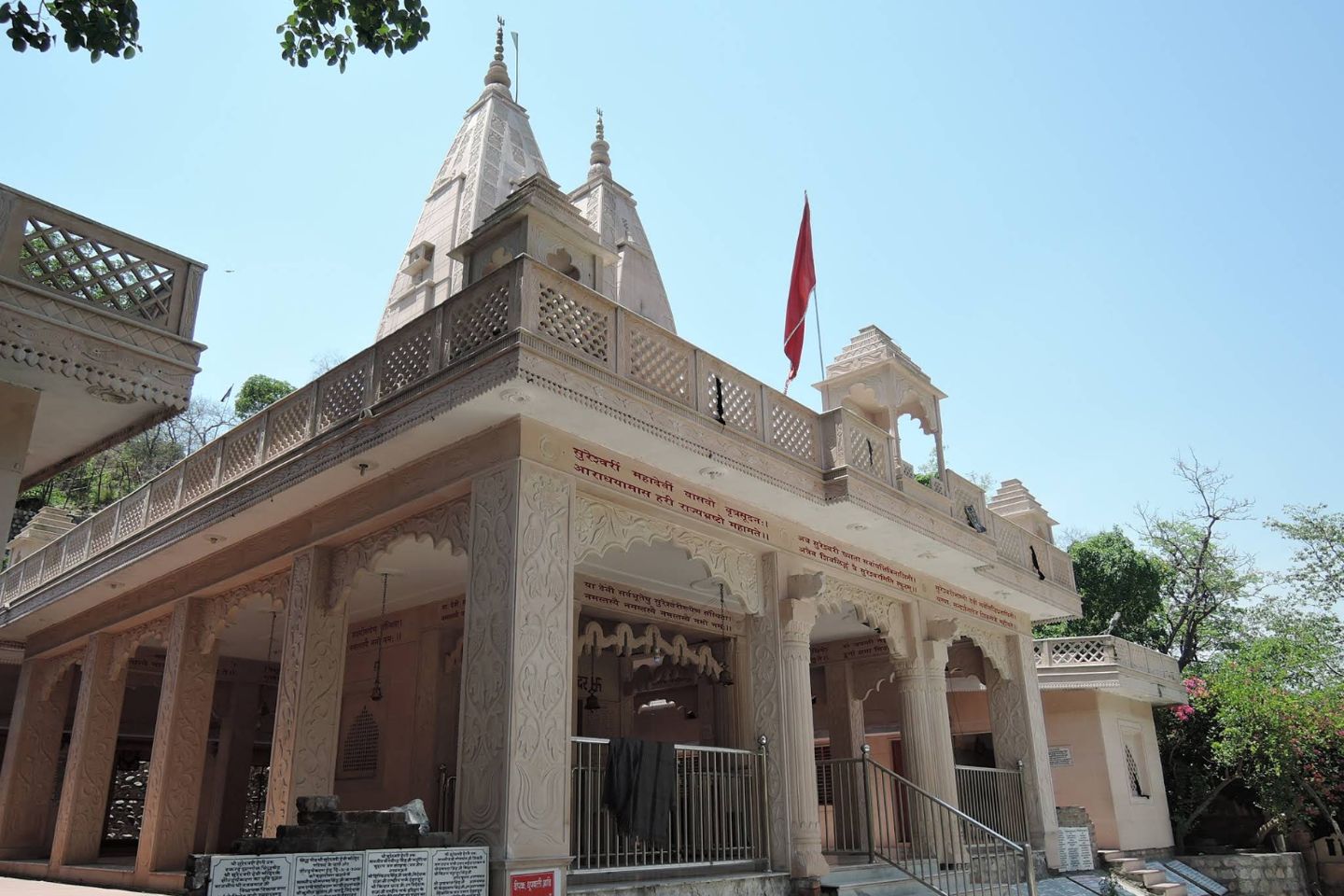
Sureshwari Devi Temple
Sureshwari Devi Temple in Haridwar is a forest shrine dedicated to the goddess, situated within the Ranipur Range area near Rajaji National Park, offering a secluded spiritual e…
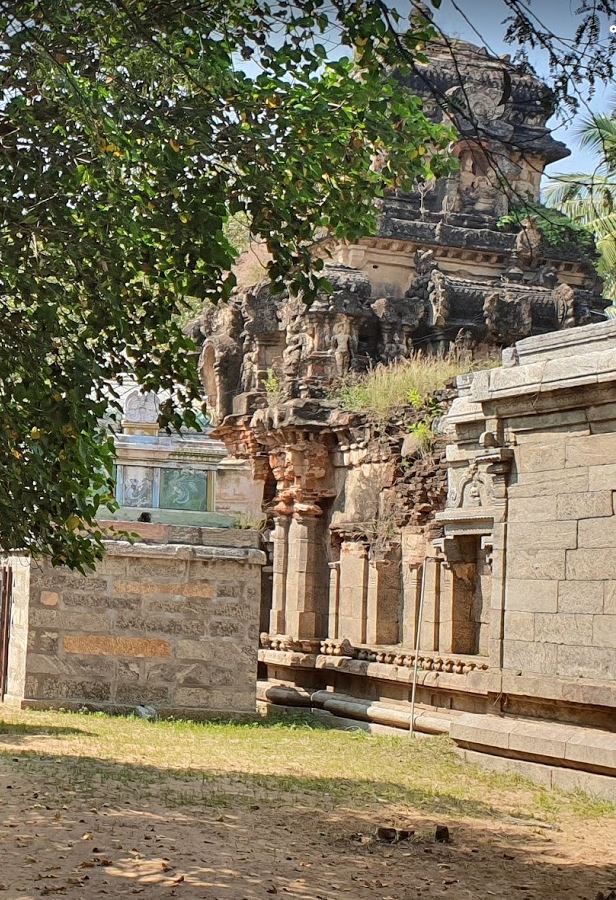
Agatheeswarar Temple, Karur
Agatheeswarar Temple in Thirumukkudalur, Karur district, is an ancient Hindu shrine dedicated to Shiva, situated at the sacred confluence of three rivers and believed to be over…

Shani Shingnapur
Shani Shingnapur is a renowned temple in Maharashtra dedicated to Lord Shani, featuring a self-emerged black stone idol worshipped under open sky. The temple is located in a uni…
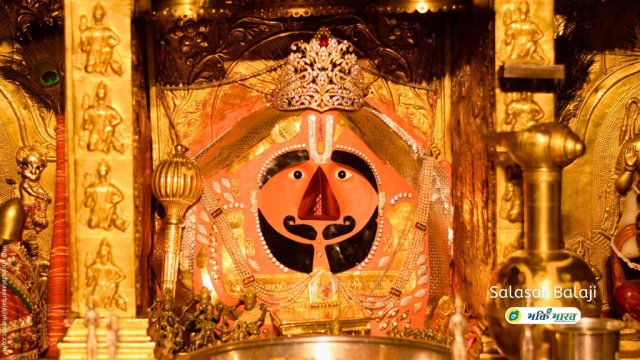
Salasar Balaji Temple
Salasar Balaji Temple in Churu district, Rajasthan, is a revered shrine dedicated to Lord Hanuman, distinguished by its unique depiction of the deity with a round face, beard, a…
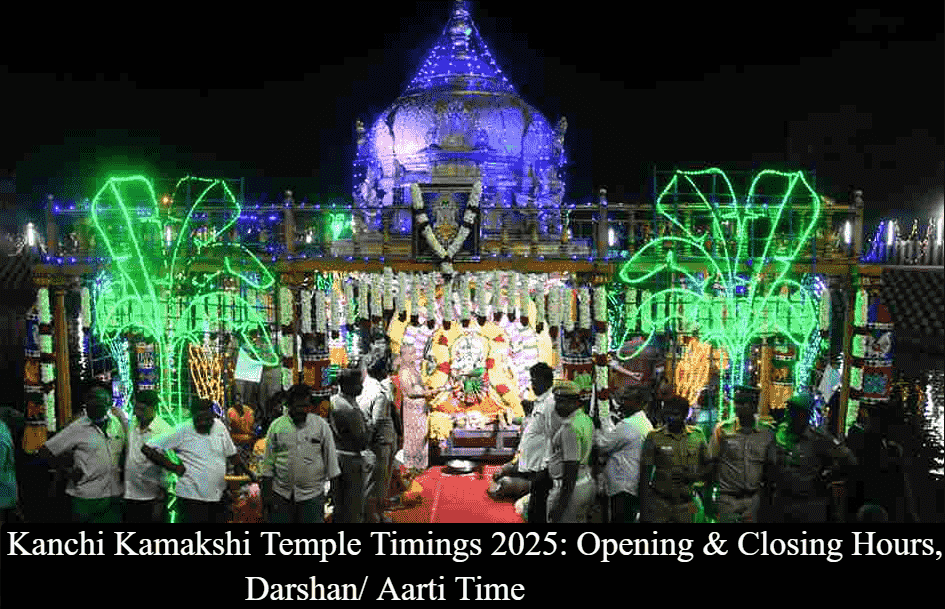
Kamaksha
Arulmigu Kamakshi Amman Temple in Mangadu, near Chennai, is dedicated to the goddess Kamakshi, an aspect of Adi Parashakti. According to legend, the goddess performed austeritie…
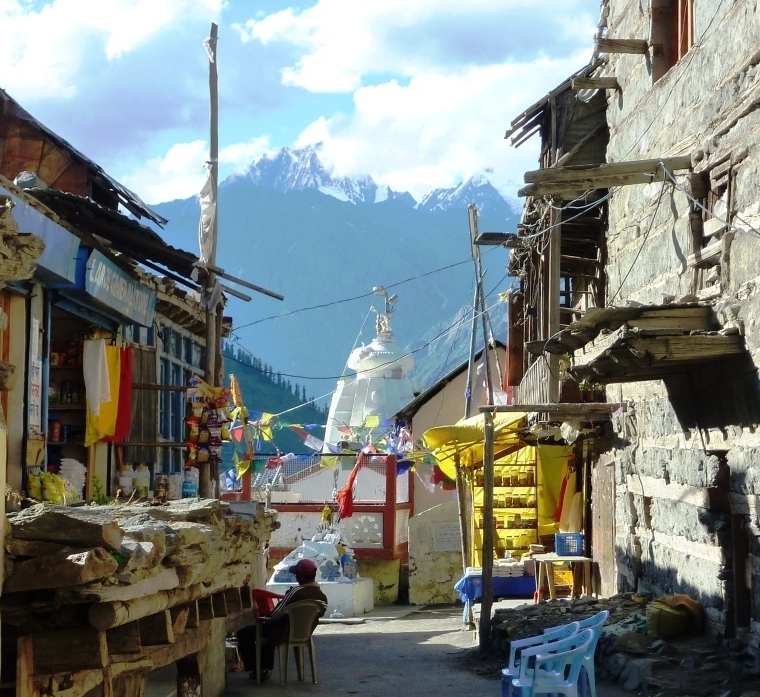
Trilokinath Temple at Tunde
The Trilokinath Temple in Tunde is an ancient shrine venerated by both Hindus and Buddhists, situated at 2,760 metres in the Lahul and Spiti District of Himachal Pradesh. Hindus…