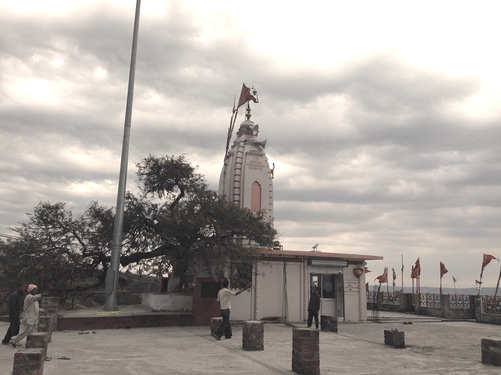
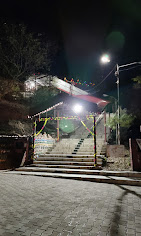

Julfa Mata Temple
About Julfa Mata Temple
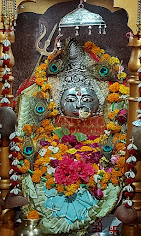
The temple is dedicated to Goddess Parvati, known also as Sati in her earlier manifestation. According to the tradition preserved at this shrine, the goddess emerged from a cosmic flame born of the combined spiritual power of the gods, who had united their strength to combat demonic forces threatening the celestial realms. She was raised in the household of Prajapati Daksha and later became the consort of Lord Shiva. When Daksha insulted Shiva, Parvati's devotion to her husband led her to take her own life in protest. Shiva's grief-stricken response—carrying her body across the three worlds—prompted the other deities to seek Lord Vishnu's intervention. Vishnu's arrows fragmented the goddess's form, and the fifty-one pieces fell at different locations, each becoming a Shakti Peetha. At Julfa Mata, tradition holds that the goddess's hair came to rest, making this site a focal point for those honouring the divine feminine principle.
Daily Worship and Visitor Experience
The temple opens daily from 6:00 AM to 9:00 PM, accommodating both early morning and evening darshan. Priests conduct pujas, yagnas, and homams according to Vedic protocols, maintaining the ritual life of the shrine throughout the day. The temple functions as an active place of worship rather than a historical monument, and visitors should approach with awareness of ongoing devotional activities and the sacred atmosphere they create.
Modest dress is customary when visiting Hindu temples; covering shoulders and knees shows appropriate respect. Shoes are typically removed before entering the inner sanctum, though practices may vary—observing the behaviour of other visitors upon arrival provides practical guidance. One source notes that photography is not permitted within the temple, so visitors should refrain from taking photographs. Those wishing to make offerings can carry flowers, incense, or sweets, though the temple may provide these items as well. Arriving during quieter hours allows for a more contemplative experience, while visiting during peak times offers the opportunity to participate in communal worship.
Accessibility and Practical Information
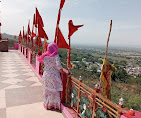
Nangal is well-connected by road, making the temple accessible to visitors travelling by car or taxi. The precise address—99PW+6F8, Nangal, Rupnagar, Punjab, India, 140124—can be used with navigation applications to reach the site. Those relying on public transport should make local inquiries about bus services to Nangal, as schedules vary. Chandigarh, the nearest major city, serves as a regional transport hub for visitors arriving from further distances and can provide onward connections to Nangal.
The temple welcomes visitors throughout the year, with no particular season being more auspicious than another for a visit. The Shivalik Hills setting means the climate remains generally accessible across all seasons, though local conditions should be checked before travelling.
Approaching the Sacred Space
Visitors to Shakti Peethas should approach with reverence for the sacred space and sensitivity to the devotees present. The temple is a living centre of worship, not a museum, and the rhythms of ritual and prayer shape the experience within its walls. Observing silence during active pujas, moving respectfully through the shrine, and following the lead of temple staff and other worshippers ensures a harmonious visit. Those unfamiliar with temple protocols should not hesitate to ask staff for guidance on appropriate conduct or the timing of particular rituals.
How to reach
You may also visit
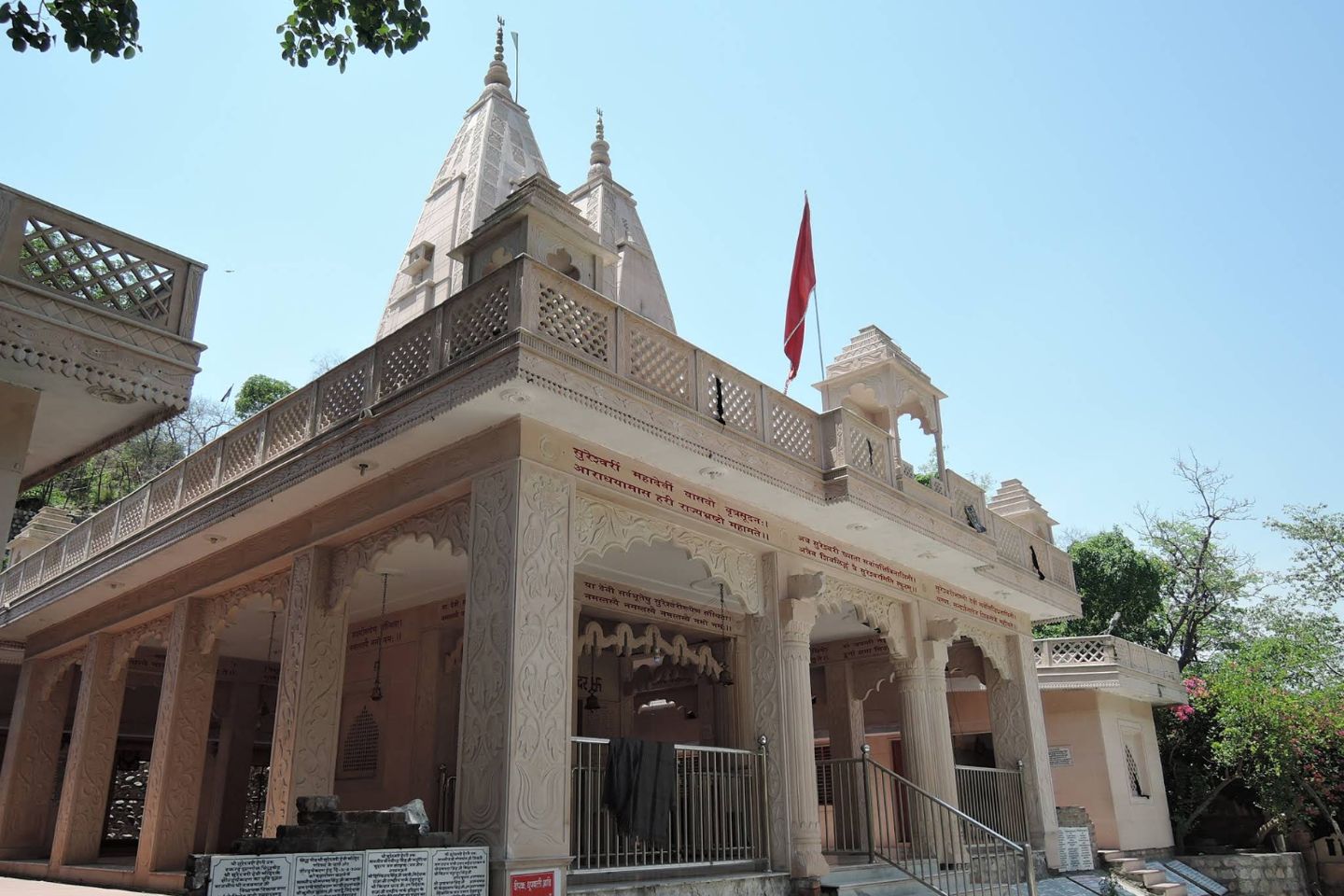
Sureshwari Devi Temple
Sureshwari Devi Temple in Haridwar is a forest shrine dedicated to the goddess, situated within the Ranipur Range area near Rajaji National Park, offering a secluded spiritual e…
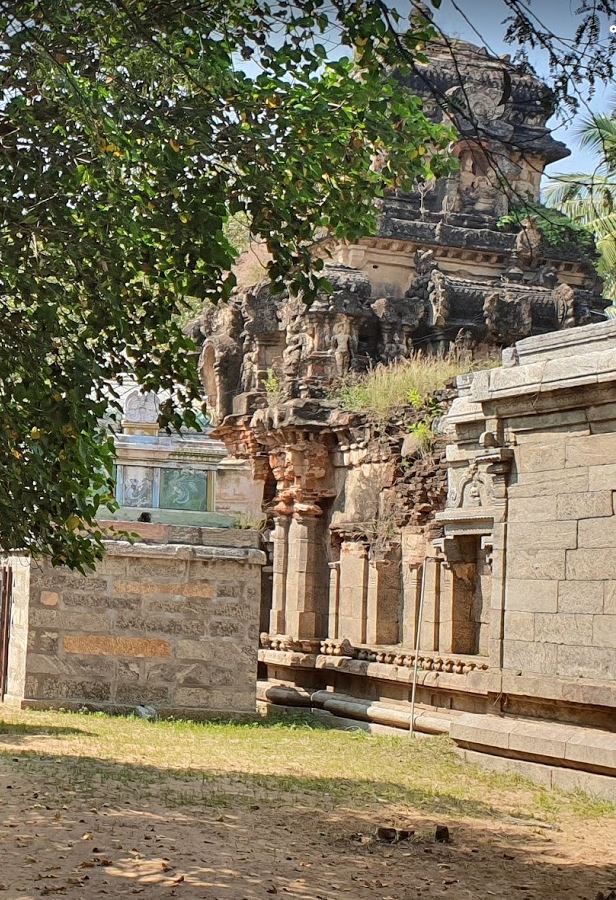
Agatheeswarar Temple, Karur
Agatheeswarar Temple in Thirumukkudalur, Karur district, is an ancient Hindu shrine dedicated to Shiva, situated at the sacred confluence of three rivers and believed to be over…

Shani Shingnapur
Shani Shingnapur is a renowned temple in Maharashtra dedicated to Lord Shani, featuring a self-emerged black stone idol worshipped under open sky. The temple is located in a uni…
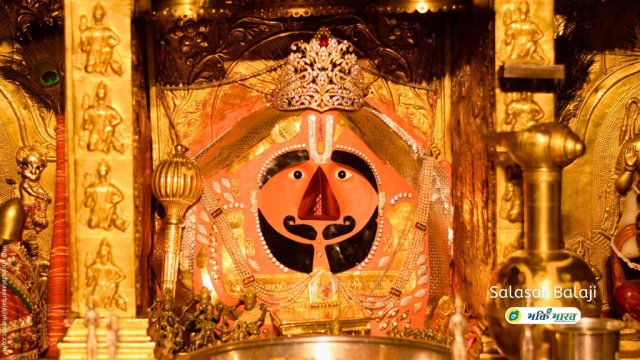
Salasar Balaji Temple
Salasar Balaji Temple in Churu district, Rajasthan, is a revered shrine dedicated to Lord Hanuman, distinguished by its unique depiction of the deity with a round face, beard, a…
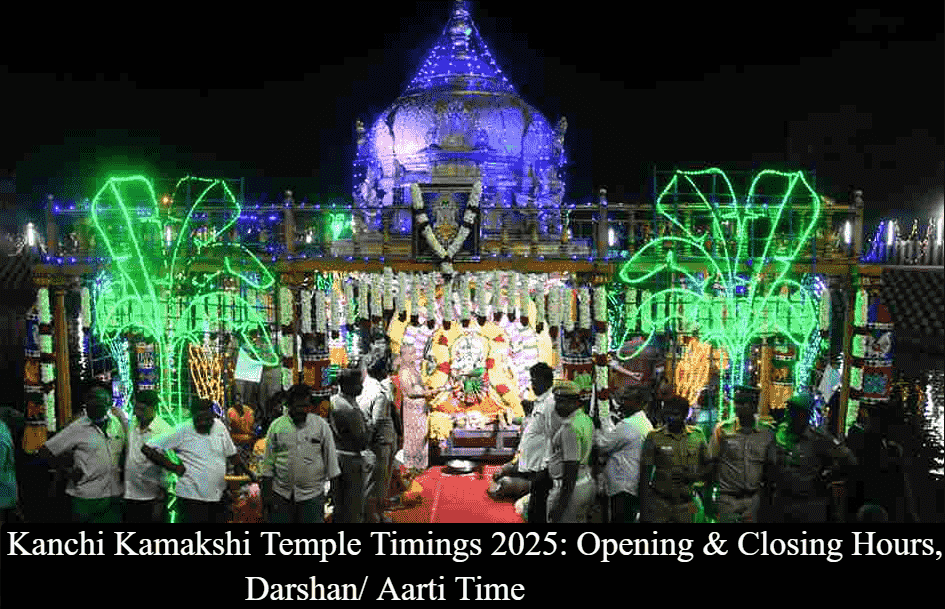
Kamaksha
Arulmigu Kamakshi Amman Temple in Mangadu, near Chennai, is dedicated to the goddess Kamakshi, an aspect of Adi Parashakti. According to legend, the goddess performed austeritie…
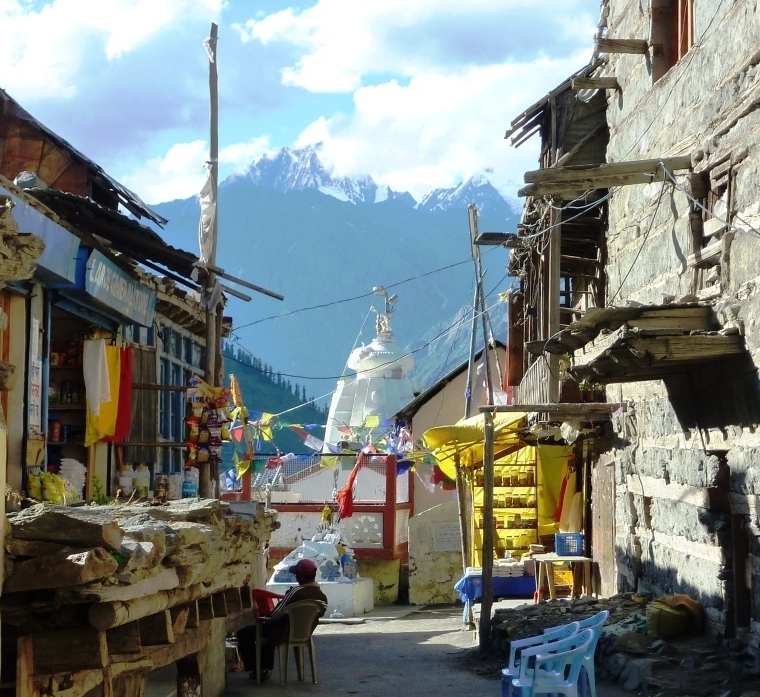
Trilokinath Temple at Tunde
The Trilokinath Temple in Tunde is an ancient shrine venerated by both Hindus and Buddhists, situated at 2,760 metres in the Lahul and Spiti District of Himachal Pradesh. Hindus…