Jatmai Mata Mandir
About Jatmai Mata Mandir
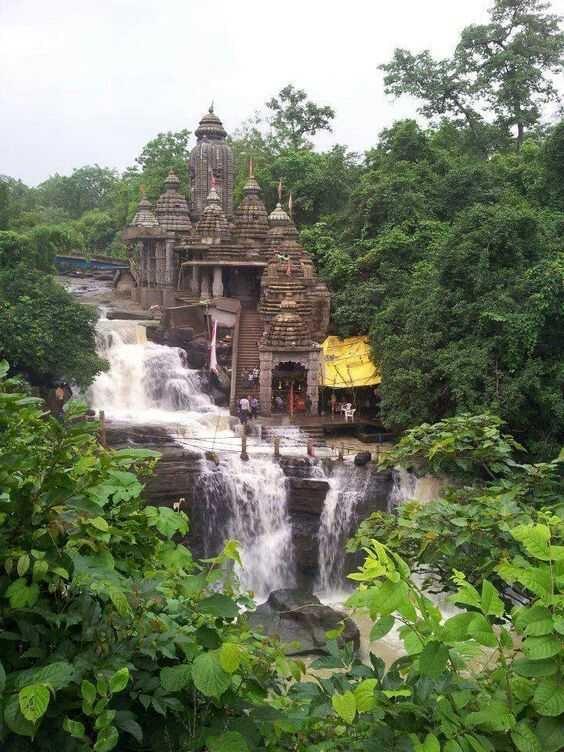
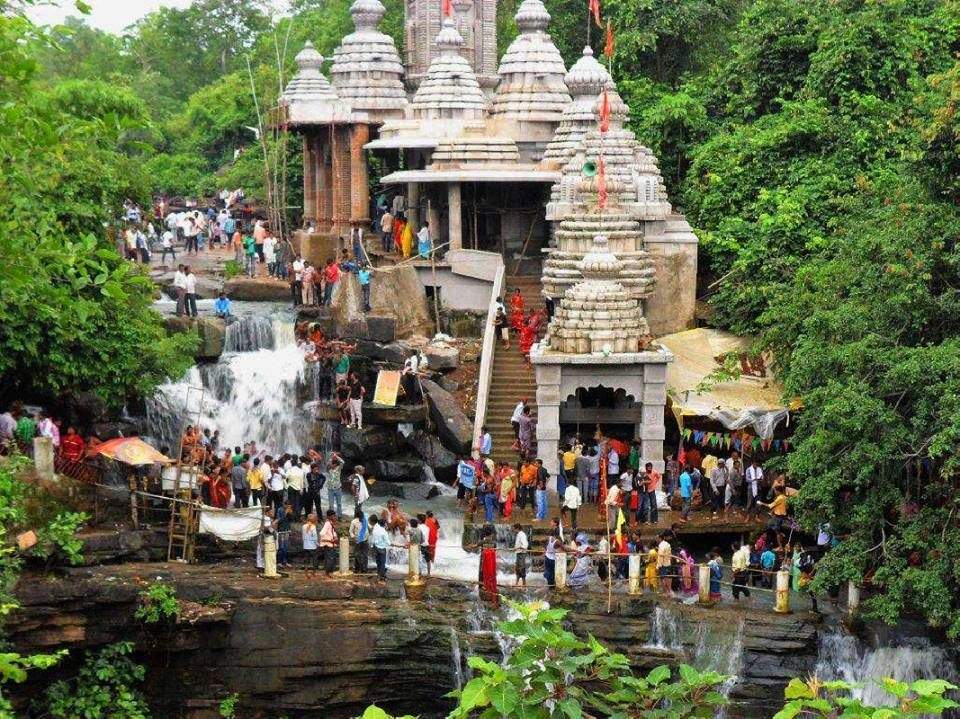
Water streams flow adjacent to the temple, originating from where local tradition holds that the goddess touched her feet before descending from the rocks above. These water flows are understood within local belief as manifestations of the mother's servants. The waterfall creates a natural feature that distinguishes the site, particularly during monsoon months when water volume increases dramatically. Visitors drawn to the temple often experience the interplay between the granite structures and the flowing water as integral to the sacred landscape.
Architecture and Temple Structure
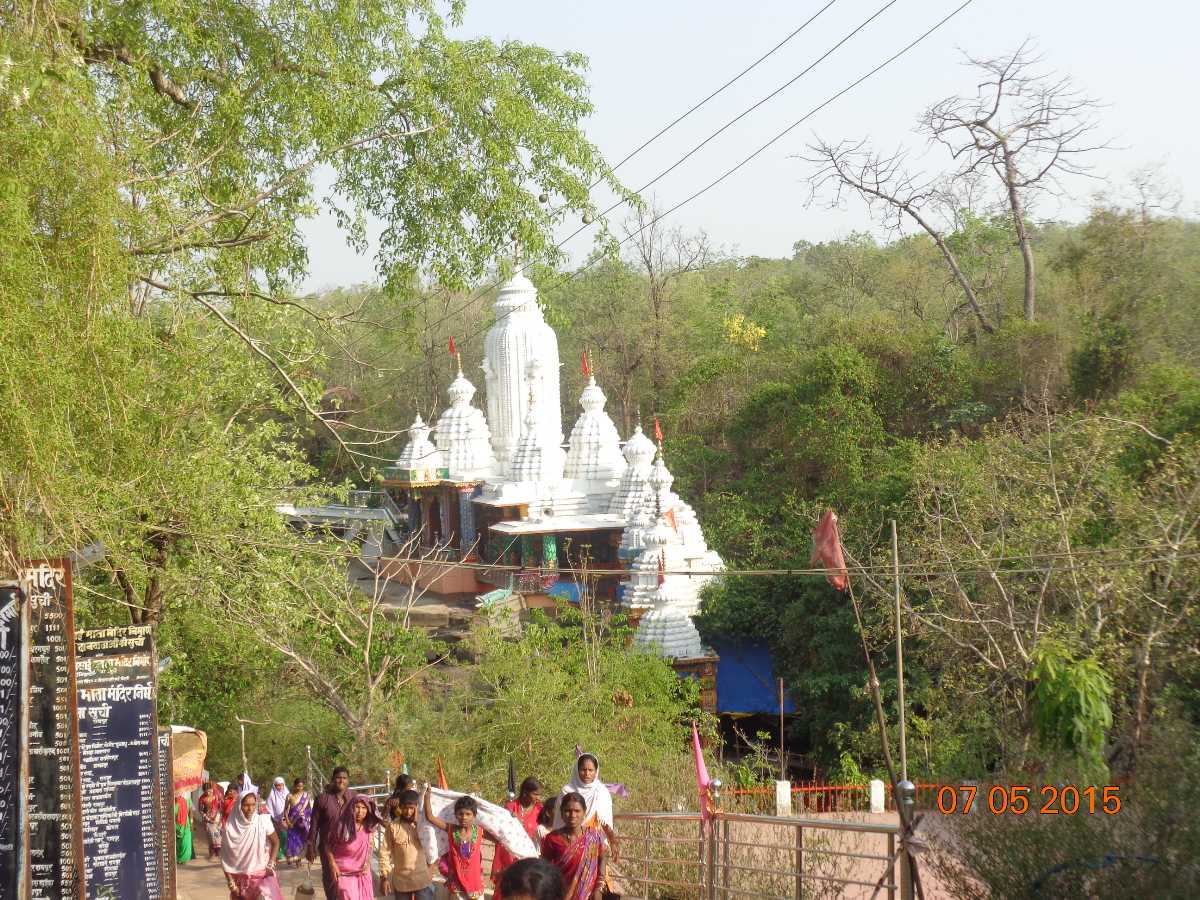
The temple is constructed of granite, giving it a distinctive appearance set against the forested surroundings. The main structure features one large tower with several smaller ones forming the shikhara. Mythological murals decorate the entrance, and a flight of stairs leads upward to the sanctum where the main idol is housed. Along the pathway, a Shivalinga occupies a separate small shrine. Water collected from the hillside flows into a reservoir on one side of the temple, while dense forest vegetation surrounds the other side. Photography is permitted throughout the temple grounds.
Daily Worship and Darshan
The temple operates daily from 5:00 AM to 7:00 PM. Regular worship follows a structured schedule: morning pooja at 5:00 AM, noon pooja at 12:00 PM, and evening pooja at 7:00 PM. The morning aarti occurs at 5:30 AM and the evening aarti at 6:30 PM, with darshan available from 5:30 AM to 6:45 PM. Priests perform aarti and chant mantras during these times, and devotees may arrange archana (ritual worship) according to individual requests. Timings may vary on festival occasions and special days, so confirmation before visiting is advisable.
Navratri Festivals and Annual Fairs
The temple observes Navratri celebrations twice yearly—during Chaitra (spring) and Kunwar (autumn) seasons. Annual fairs are organized at the temple during both Navratri periods, drawing significant numbers of devotees. The goddess receives particularly intense worship during these nine-day festivals, with elaborate decoration and lighting throughout the temple. These seasons represent the most vibrant times to experience the site, though visitors should expect larger crowds during these periods.
Planning Your Visit
The most comfortable time to visit is October through March, when the climate is cooler and more suitable for travel. Monsoon months offer the most dramatic waterfall views, though access may be affected by weather conditions. There is no entry fee for any visitor, and photography—both still and video—is permitted without charge. The temple can be reached from Raipur, the state capital, located approximately 80 to 85 kilometers away. A visit typically requires one to two hours. Standard temple etiquette applies: remove footwear before entering the sanctum, dress modestly, and approach the deity with respect during worship times.
Nearby Attractions
The Ghatarani waterfalls lie approximately 7.4 kilometers from the temple, accessible as an extension to a temple visit. A large statue of Lord Hanuman, standing over 150 feet tall, is located just meters from the temple entrance. The Sitanadi Wildlife Sanctuary, situated about 60 kilometers away, offers a more distant but significant natural attraction for those with additional time.
How to reach
You may also visit
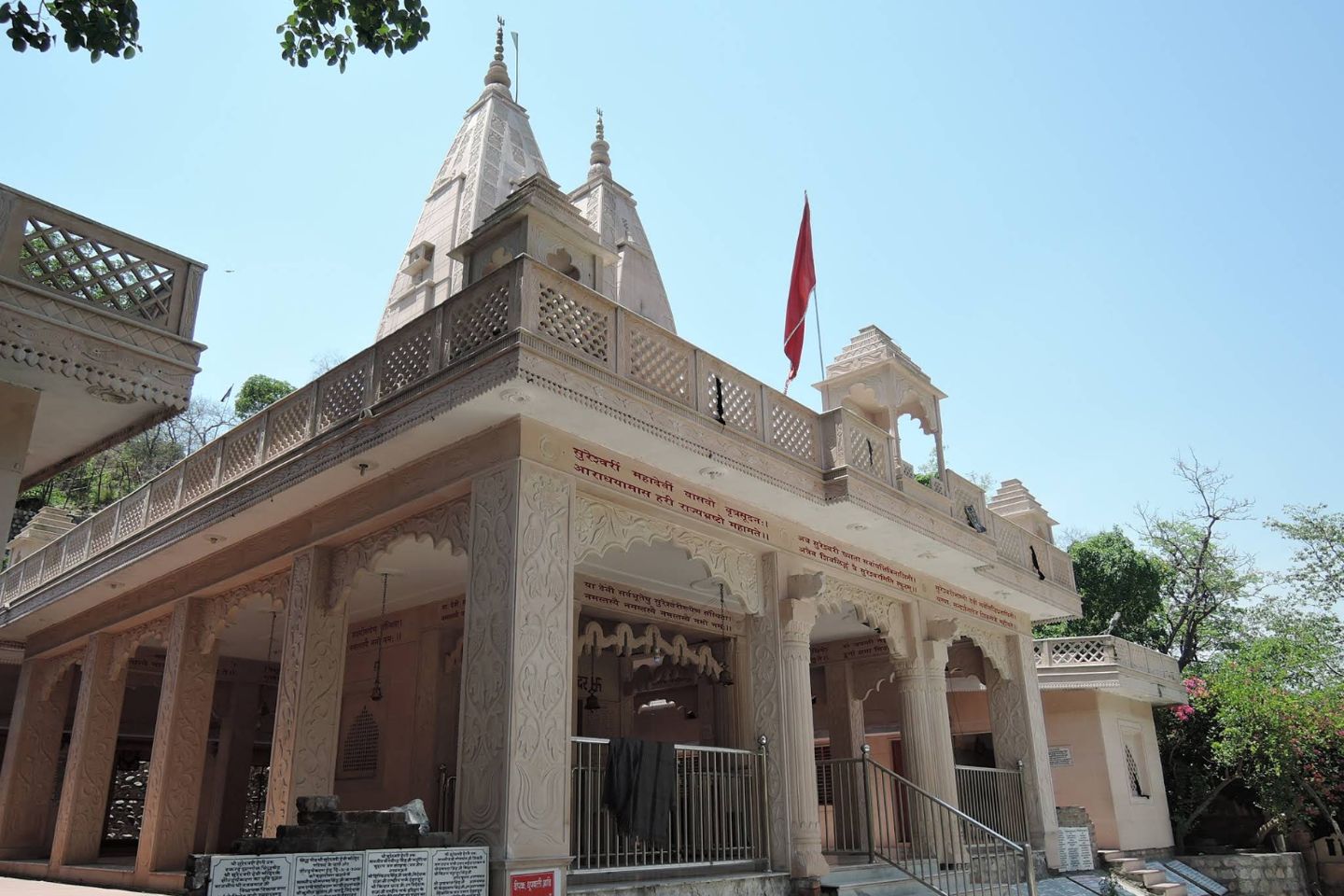
Sureshwari Devi Temple
Sureshwari Devi Temple in Haridwar is a forest shrine dedicated to the goddess, situated within the Ranipur Range area near Rajaji National Park, offering a secluded spiritual e…
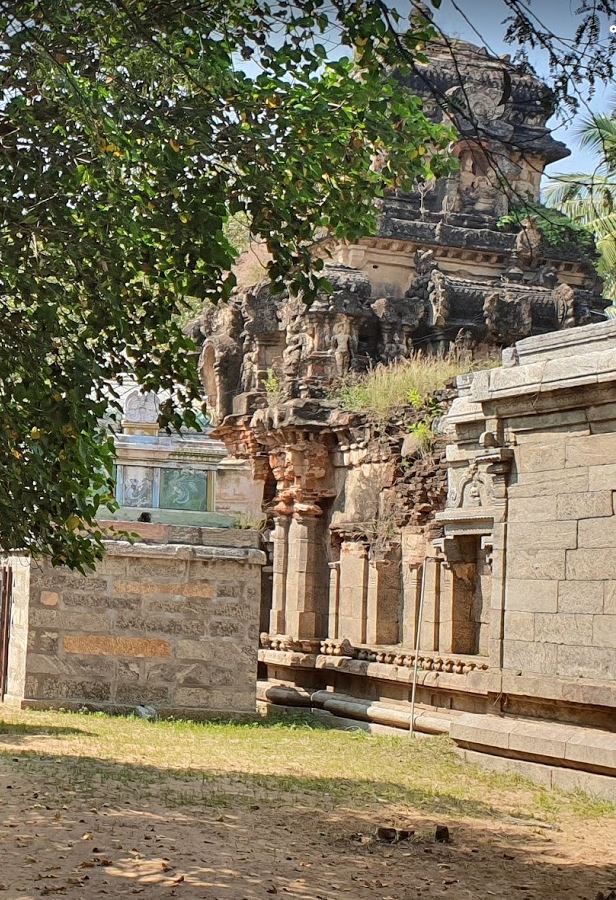
Agatheeswarar Temple, Karur
Agatheeswarar Temple in Thirumukkudalur, Karur district, is an ancient Hindu shrine dedicated to Shiva, situated at the sacred confluence of three rivers and believed to be over…

Shani Shingnapur
Shani Shingnapur is a renowned temple in Maharashtra dedicated to Lord Shani, featuring a self-emerged black stone idol worshipped under open sky. The temple is located in a uni…
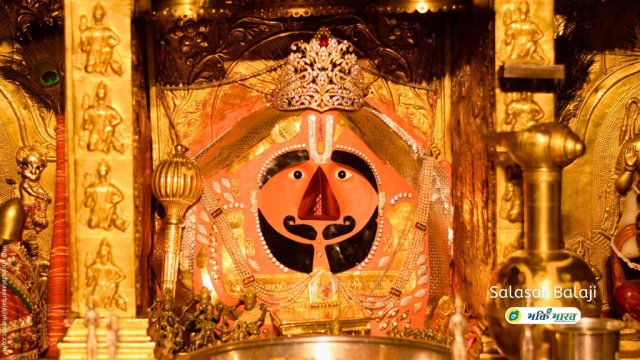
Salasar Balaji Temple
Salasar Balaji Temple in Churu district, Rajasthan, is a revered shrine dedicated to Lord Hanuman, distinguished by its unique depiction of the deity with a round face, beard, a…
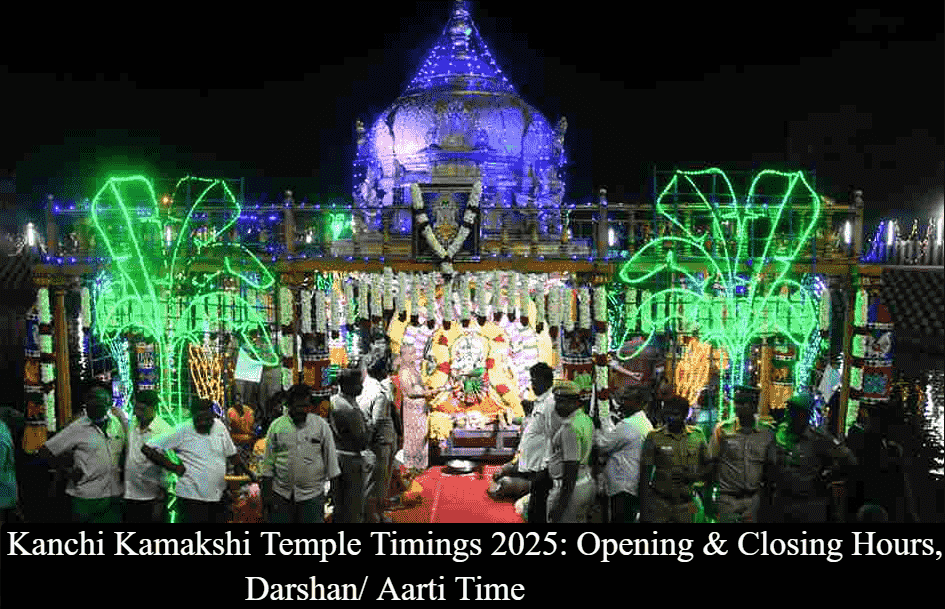
Kamaksha
Arulmigu Kamakshi Amman Temple in Mangadu, near Chennai, is dedicated to the goddess Kamakshi, an aspect of Adi Parashakti. According to legend, the goddess performed austeritie…
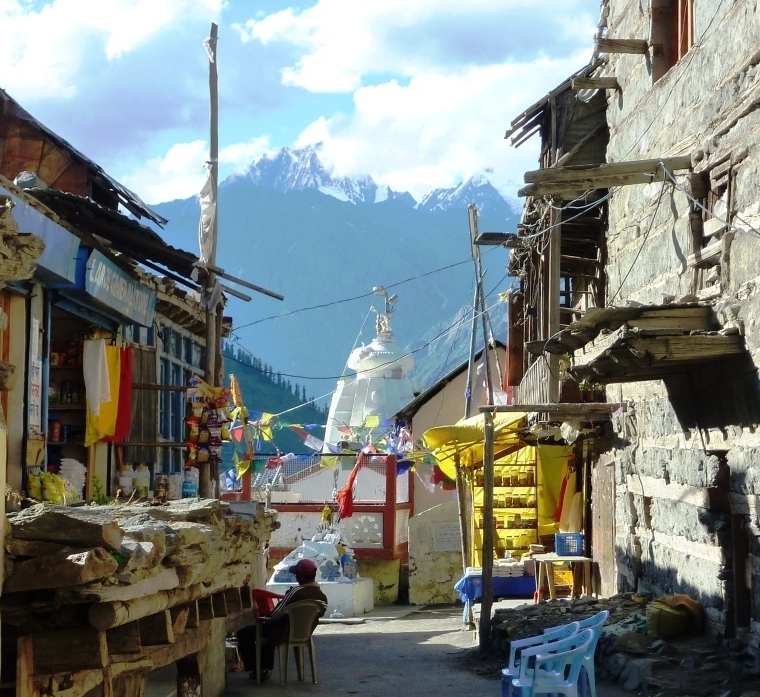
Trilokinath Temple at Tunde
The Trilokinath Temple in Tunde is an ancient shrine venerated by both Hindus and Buddhists, situated at 2,760 metres in the Lahul and Spiti District of Himachal Pradesh. Hindus…