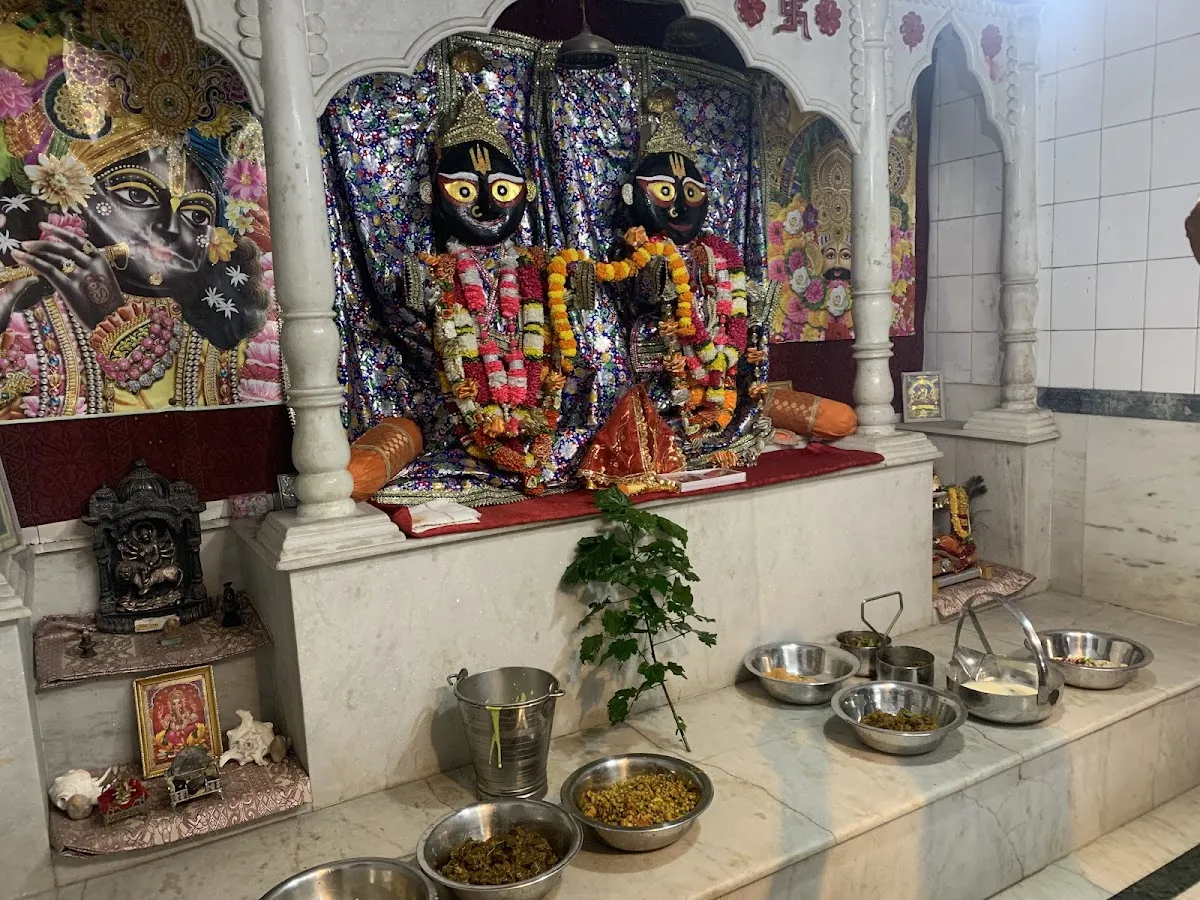
Jagdish Mandir Kurseong
About Jagdish Mandir Kurseong
The temple was established approximately 300 years ago by the Purohit (Pareek) brothers, a Brahmin family who migrated to Kurseong from Mokalpur, a town in Rajasthan. The Pareeks were devoted followers of Lord Krishna, and the family undertook a significant mission: they carved statues of Lord Jagannath from neem wood and established temples in multiple locations across India. Beyond Kurseong, Jagannath temples bearing the Pareek family's legacy exist in cities including Bhavnagar and Ahmedabad in Gujarat, Bundi and Kota in Rajasthan, and other towns across central and western India. This dispersal of temples represents a remarkable chapter in the family's spiritual work, spreading Krishna worship across the subcontinent over generations.
Location and Access
The temple stands on J M Goenka Road, also known as Bank Road, in Kurseong town within Darjeeling District, West Bengal. Its position offers convenient access—it lies within walking distance of both the main bus station and railway station, making it accessible to visitors arriving by public transport. Kurseong itself is situated in the Darjeeling hills, a region known for its tea gardens and mountain scenery.
Worship and Darshan
The temple functions as a place of worship for devotees seeking darshan of Lord Jagannath. While specific daily darshan timings are not documented in available sources, temples dedicated to Krishna typically maintain regular hours for worship and viewing of the deity. Visitors should inquire locally upon arrival for current timings and any restrictions on entry. As with most Hindu temples, modest dress is customary—covering shoulders and knees shows respect to the sacred space.
Janmashtami Observance
The temple observes Janmashtami, the festival celebrating Lord Krishna's birth. This is the primary festival marked at Jagdish Mandir, with special aartis (ritual worship ceremonies) performed on this occasion. Janmashtami typically falls in August or September according to the lunar calendar, and devotees gather to commemorate Krishna's arrival. The festival draws both regular worshippers and visitors interested in experiencing Krishna bhakti traditions.
Visiting Practicalities
Visitors should remove footwear before entering the inner sanctum, a standard practice in Hindu temples. Photography policies vary by temple; it is respectful to ask permission before photographing the deity or ritual spaces. The temple's location near Kurseong's transport hub means visitors can reach it easily as part of exploring the town. Given the hill station setting, weather can be cool, particularly during monsoon and winter months—appropriate clothing is advisable. No specific information about facilities such as prasad (blessed food offerings) distribution or accommodation is documented, so visitors should check locally or contact the temple directly for such details.
A Living Tradition
Jagdish Mandir represents three centuries of continuous Krishna worship in Kurseong, maintained through the lineage established by the Pareek family. Its presence in the Darjeeling hills reflects how devotional Hinduism took root and flourished across diverse regions of India, carried by families committed to spreading Krishna's worship. For devotees and visitors alike, the temple offers a connection to this enduring tradition.
How to reach
You may also visit
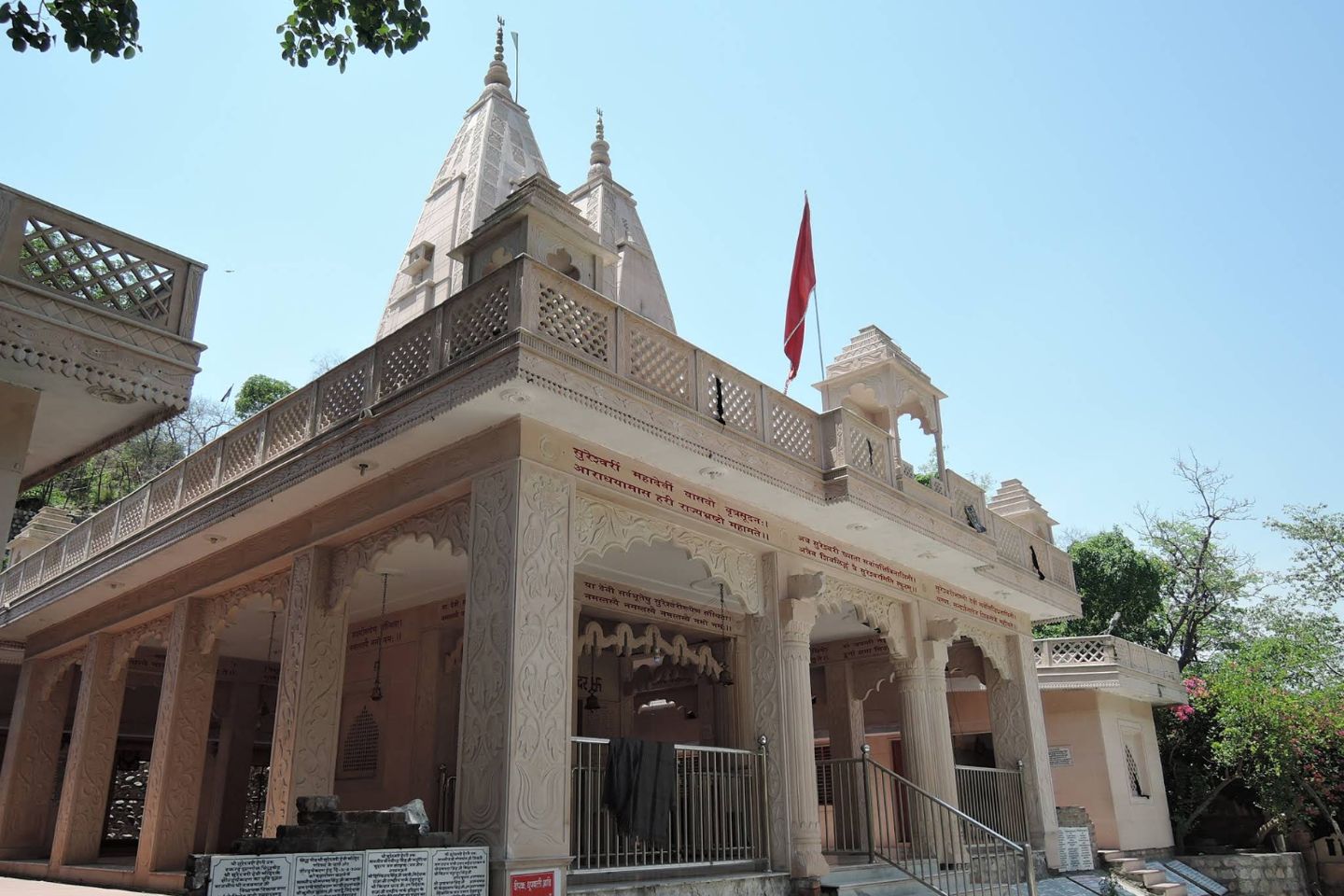
Sureshwari Devi Temple
Sureshwari Devi Temple in Haridwar is a forest shrine dedicated to the goddess, situated within the Ranipur Range area near Rajaji National Park, offering a secluded spiritual e…
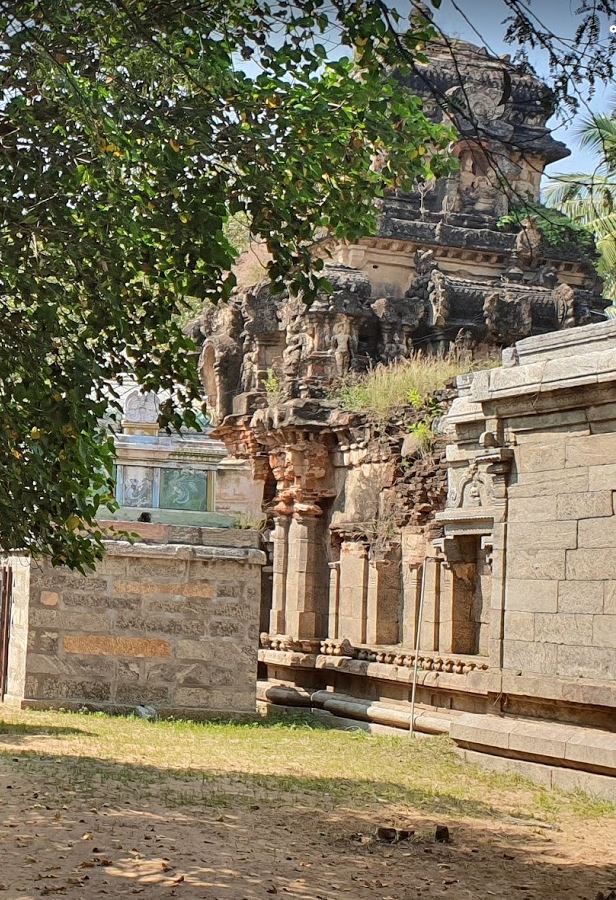
Agatheeswarar Temple, Karur
Agatheeswarar Temple in Thirumukkudalur, Karur district, is an ancient Hindu shrine dedicated to Shiva, situated at the sacred confluence of three rivers and believed to be over…

Shani Shingnapur
Shani Shingnapur is a renowned temple in Maharashtra dedicated to Lord Shani, featuring a self-emerged black stone idol worshipped under open sky. The temple is located in a uni…
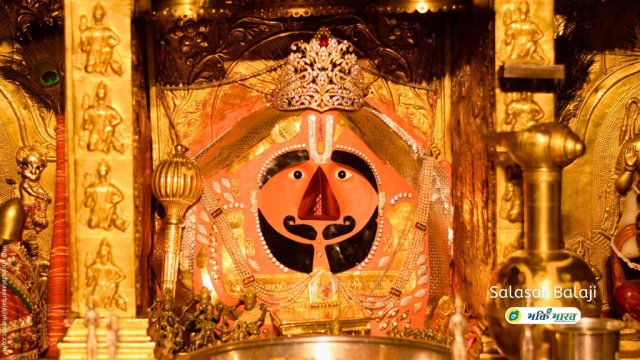
Salasar Balaji Temple
Salasar Balaji Temple in Churu district, Rajasthan, is a revered shrine dedicated to Lord Hanuman, distinguished by its unique depiction of the deity with a round face, beard, a…
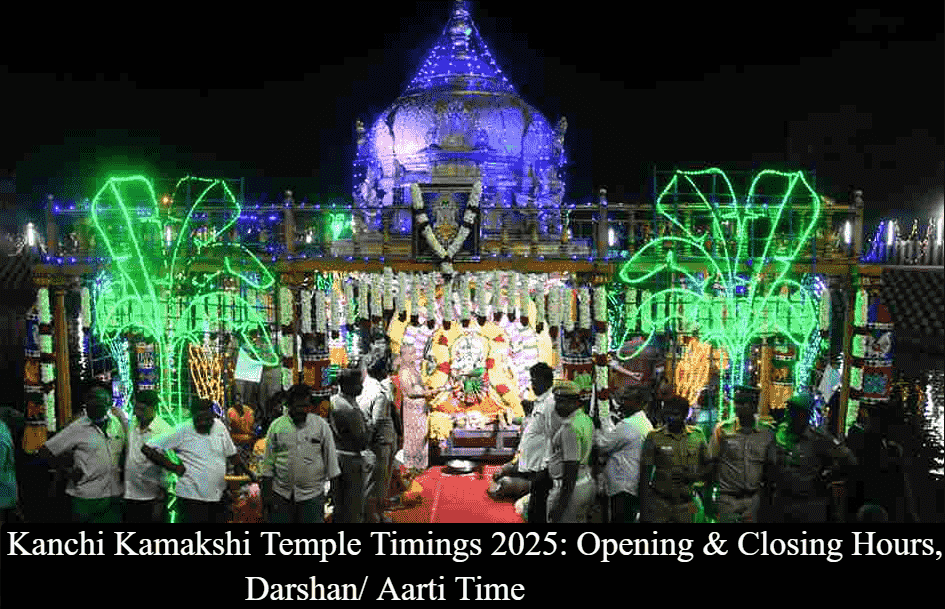
Kamaksha
Arulmigu Kamakshi Amman Temple in Mangadu, near Chennai, is dedicated to the goddess Kamakshi, an aspect of Adi Parashakti. According to legend, the goddess performed austeritie…
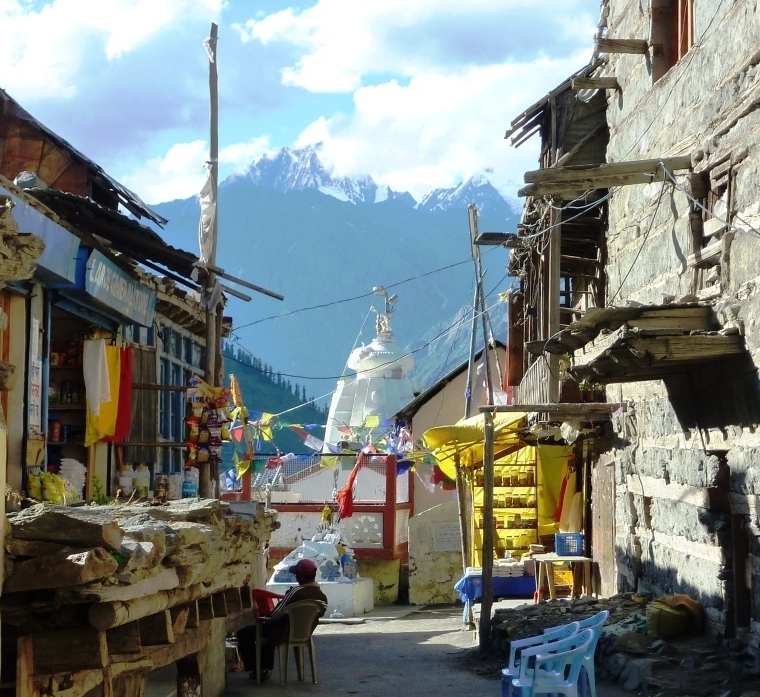
Trilokinath Temple at Tunde
The Trilokinath Temple in Tunde is an ancient shrine venerated by both Hindus and Buddhists, situated at 2,760 metres in the Lahul and Spiti District of Himachal Pradesh. Hindus…