Hajari Mahadev Temple
About Hajari Mahadev Temple
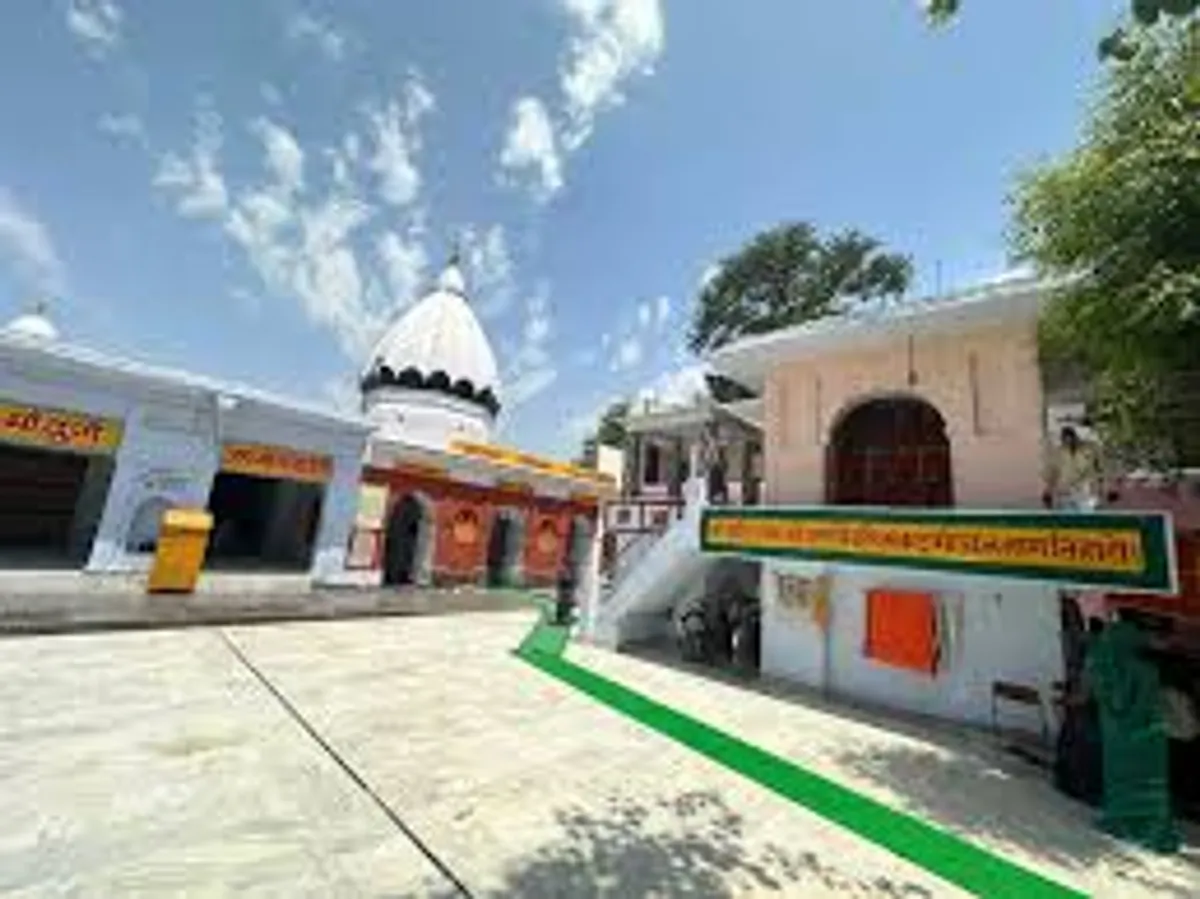
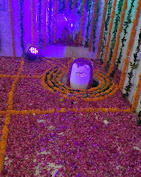
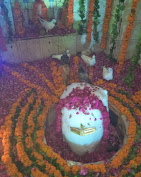
The most significant gathering at the temple occurs on the day following Raksha Bandhan, when a fair (mela) is held. This event represents a longstanding community tradition, with residents preparing throughout the year for the occasion. The temple and its surroundings are decorated with large quantities of flowers, transforming the space to mark the spiritual importance of the day.
Beyond the Raksha Bandhan fair, the temple experiences heightened visitation during Mahashivratri and throughout the month of Shravan—periods that align with broader Hindu observances dedicated to Lord Shiva. Devotees undertake special prayers and rituals during these times, reflecting the temple's role within the wider calendar of Shiva worship.
Daily Worship and Visiting Hours
The temple remains open daily from 05:30 to 22:00, with no closure days during the week. This schedule accommodates both early morning visitors who prefer dawn worship and those seeking evening darshan. The continuous opening allows devotees flexibility in timing their visits according to personal practice and circumstance.
Temples of the Shiva tradition typically involve visitors offering prayers and performing rituals according to individual devotional custom. As is standard practice at Hindu temples, footwear should be removed before entering the sanctum, and modest dress is customary. The temple's location within a residential neighbourhood means it functions as an active place of worship rather than a major pilgrimage site, and visitors should be respectful of ongoing religious practice and the domestic setting in which the shrine operates.
Location and Access
The temple is situated at Chhipaiti, Etawah, Uttar Pradesh 206001, approximately 2.9 kilometres from Etawah railway station. Those arriving by train can reach the station and then travel by local transport through the town to reach Chhipaiti in the old city. The postal address can be used for navigation by those travelling by road.
The temple occupies a narrow street within a residential area, which means visitors may need to navigate confined spaces to locate the entrance. Seeking local directions once in the neighbourhood can be helpful. The journey from the railway station is manageable but requires allowing time to find the exact location.
What to Bring and Practical Considerations
Beyond the shrine itself, detailed information about facilities at the temple is not available from current sources. Visitors should plan accordingly and may wish to carry water and other necessities. The temple's neighbourhood setting means that amenities typical of larger pilgrimage sites may not be present.
Photography policies are not specified in available information, so visitors should inquire locally or observe the practices of other worshippers before taking photographs. As with any active place of worship, respectful behaviour and awareness of ongoing rituals are important.
Community Significance
The temple represents a place of genuine devotional practice for the Chhipaiti community rather than a major regional pilgrimage destination. Local residents maintain strong spiritual connections to the shrine, and the temple plays a meaningful role in the religious life of the neighbourhood. Visitor reviews consistently note its importance to the community and the sincere devotional atmosphere that characterises worship there.
How to reach
You may also visit
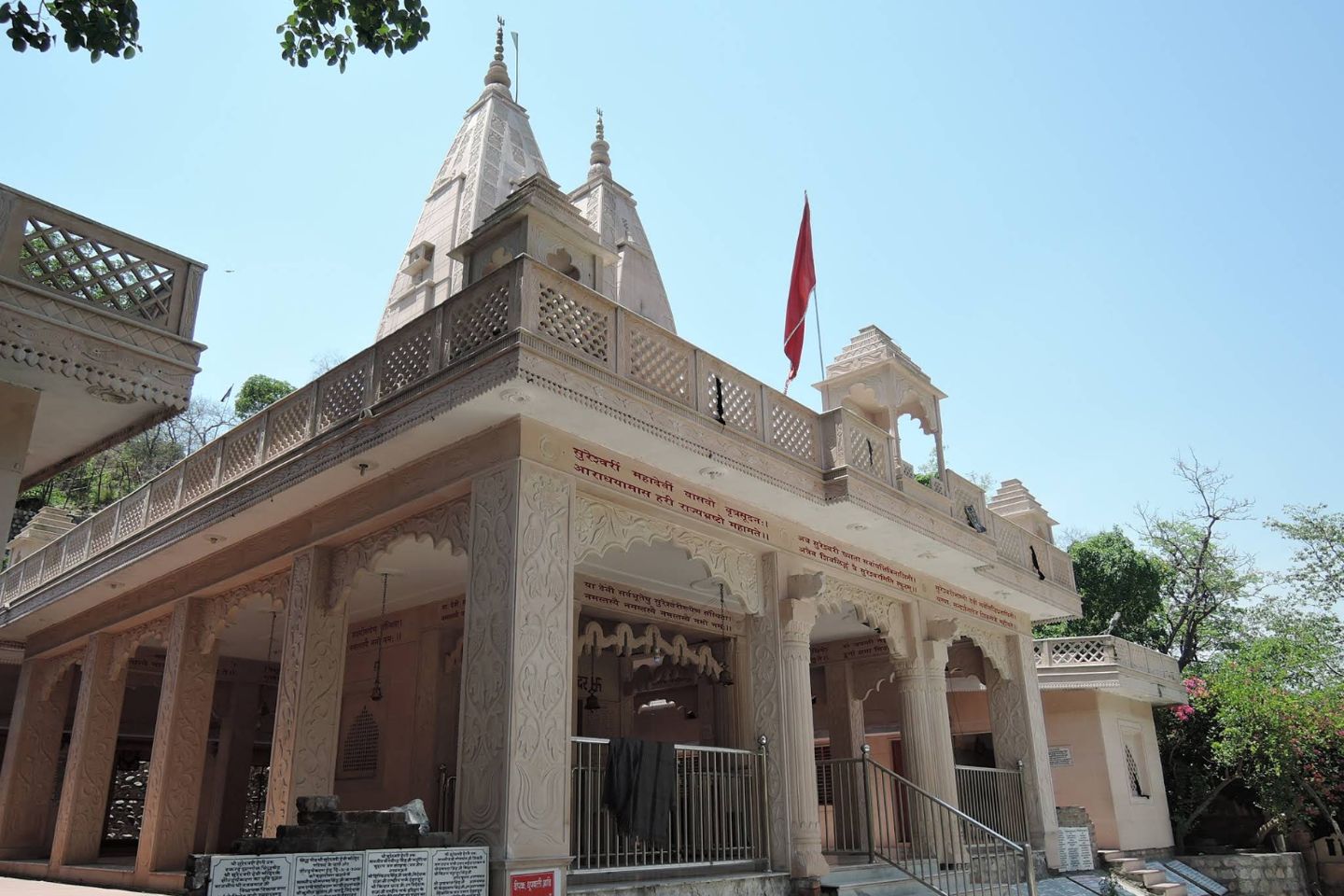
Sureshwari Devi Temple
Sureshwari Devi Temple in Haridwar is a forest shrine dedicated to the goddess, situated within the Ranipur Range area near Rajaji National Park, offering a secluded spiritual e…
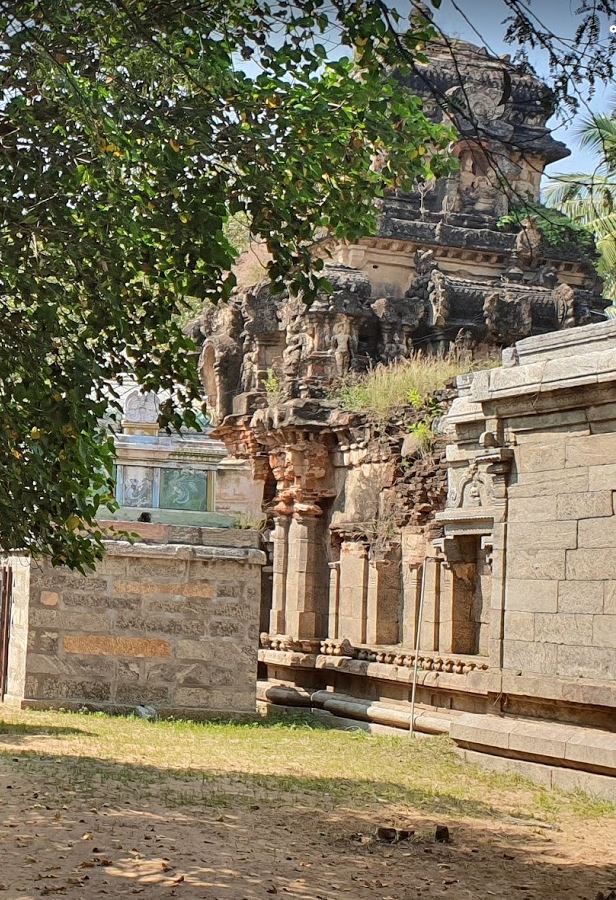
Agatheeswarar Temple, Karur
Agatheeswarar Temple in Thirumukkudalur, Karur district, is an ancient Hindu shrine dedicated to Shiva, situated at the sacred confluence of three rivers and believed to be over…

Shani Shingnapur
Shani Shingnapur is a renowned temple in Maharashtra dedicated to Lord Shani, featuring a self-emerged black stone idol worshipped under open sky. The temple is located in a uni…
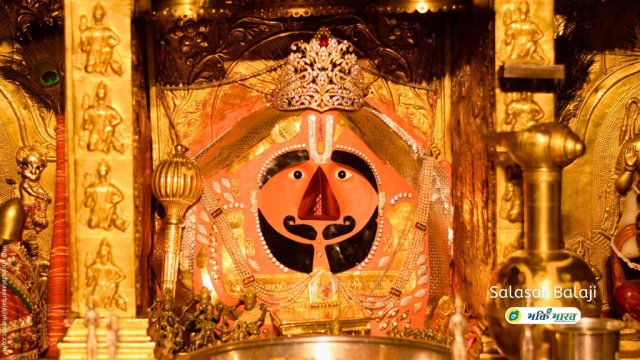
Salasar Balaji Temple
Salasar Balaji Temple in Churu district, Rajasthan, is a revered shrine dedicated to Lord Hanuman, distinguished by its unique depiction of the deity with a round face, beard, a…
Kamaksha
Arulmigu Kamakshi Amman Temple in Mangadu, near Chennai, is dedicated to the goddess Kamakshi, an aspect of Adi Parashakti. According to legend, the goddess performed austeritie…
Trilokinath Temple at Tunde
The Trilokinath Temple in Tunde is an ancient shrine venerated by both Hindus and Buddhists, situated at 2,760 metres in the Lahul and Spiti District of Himachal Pradesh. Hindus…