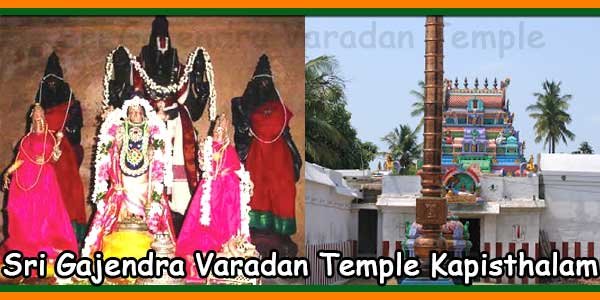
Gajendra Varadha Temple
About Gajendra Varadha Temple
The temple's origins trace to the Pallava era, with significant expansion during the Chola period. Its enduring significance rests on the narrative of Gajendra Moksha—the liberation of an elephant—which remains central to the temple's spiritual identity.
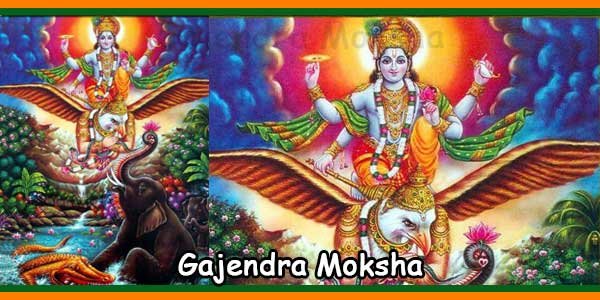
According to tradition, King Indrajuman, devoted to Vishnu but negligent in his duties, failed to acknowledge the sage Durvasa passing through his kingdom. Angered, the sage cursed the king to be reborn as an elephant. The king's sincere apology moved the sage, who blessed him to retain his devotion to Vishnu even in animal form. In his next life, as the elephant Gajendra, the king continued his worship. One day, while drinking from the temple tank, a crocodile—itself a cursed demon named Koohoo—seized his leg. Crying out to Vishnu, Gajendra was rescued by the deity's divine discus. Both the elephant and crocodile were liberated and returned to human form through Vishnu's grace. The temple tank remains part of the complex and continues to hold religious significance for worshippers.
The name Kabisthalam itself derives from the presence of Hanuman, the monkey devotee of Rama (an avatar of Vishnu), who is said to have worshipped at this site. In Tamil, "kabi" refers to monkey, and the village name preserves this connection.
Architecture and Temple Layout
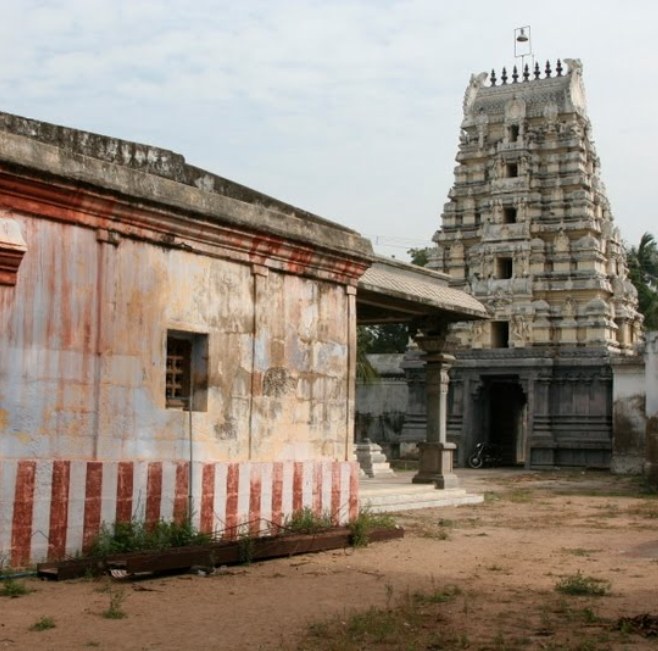
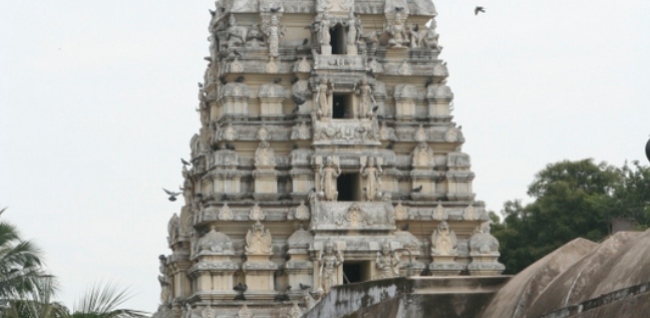
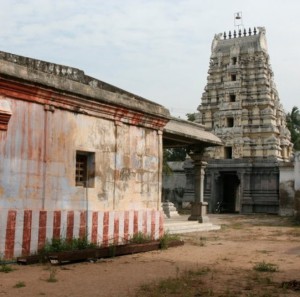
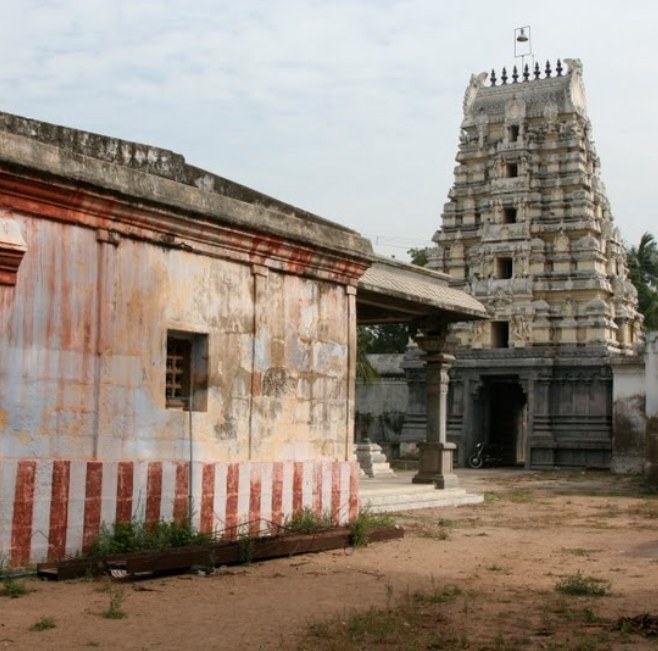
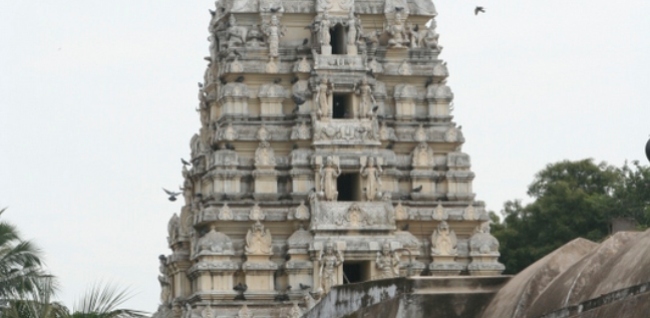
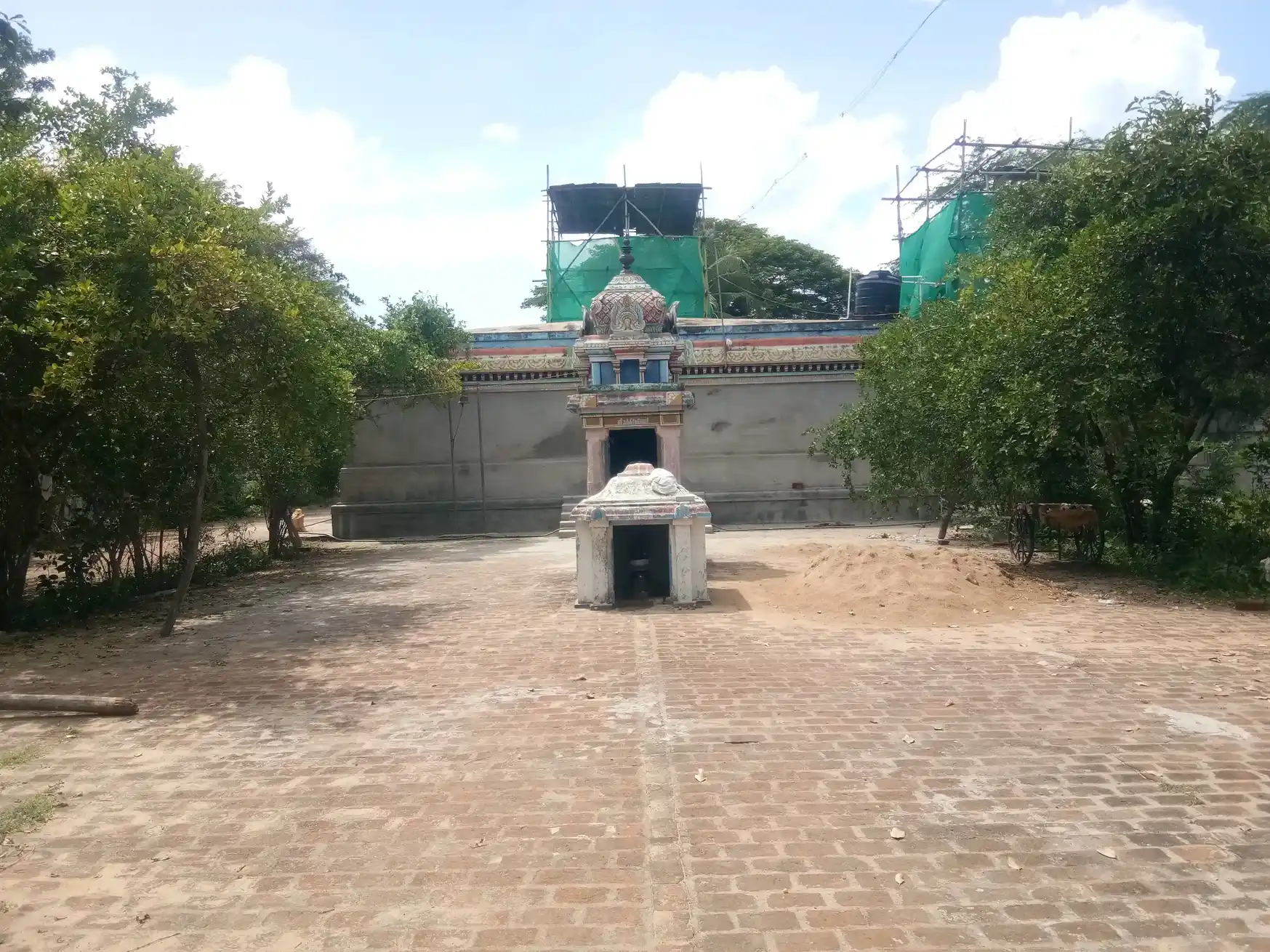
The temple exemplifies Dravidian architectural style, the classical tradition of South Indian Hindu temples. This design emphasizes gopurams (towering gateways), columned halls, and intricate stone carving developed over centuries. The sanctuary houses the primary deity, surrounded by structures dedicated to worship and ritual. The temple tank, integral to the Gajendra Moksha narrative, remains a functional part of the complex.
Daily Worship and Darshan
The temple opens for darshan (viewing of the deity) twice daily: from 7:00 a.m. to 12:00 noon, and from 5:00 p.m. to 8:00 p.m. Four principal aartis structure the day's worship cycle. Suprabhatham, the dawn ritual, begins at 7:00 a.m., marking the deity's awakening. Madhyana Pooja occurs at 11:30 a.m. during the midday rest period. Sandhya Aarati takes place at 6:30 p.m. as evening prayers commence, and Ardha Jamam at 8:00 p.m. concludes the day's formal worship.
Visitors should be aware that photography is not permitted within the temple. Modest dress is customary; visitors typically remove footwear before entering the inner sanctum. Worship is conducted in Tamil and English.
Festivals
The temple is particularly vibrant during the Gajendra Moksha Festival, which celebrates the liberation narrative central to the temple's identity. Vaikunta Ekadasi, observed across Vaishnava temples, is also observed here with special significance. These occasions draw devotees seeking to commemorate the deity's grace and the themes of divine rescue and liberation.
Visiting Information
The temple is located at coordinates 10.94527778, 79.27527778 in Thirukkavithalam, Thanjavur district, Tamil Nadu 609107. The nearest significant city is Kumbakonam. The temple welcomes visitors throughout the year; all seasons are suitable for a visit. Darshan timings are 7:00 a.m. to 12:00 noon and 5:00 p.m. to 8:00 p.m. Visitors should plan their visit around these hours and the four daily aartis if they wish to participate in worship rituals. Modest dress and respectful conduct are expected. The temple conducts services in Tamil and English.
How to reach
Temples near Gajendra Varadha Temple

Palaivananathar Temple
Palaivananathar Temple is an ancient Shiva shrine in Papanasam, Thanjavur district, revered as one of the 275 Paadal Petra Sthalams and celebrated in the 7th-century Tevaram hym…
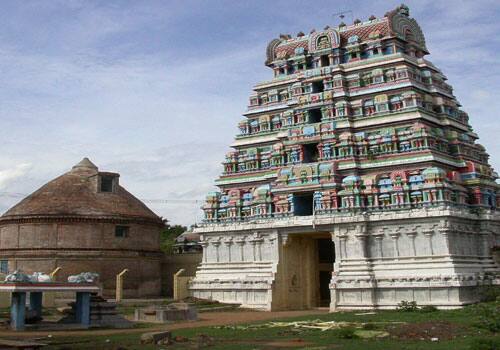
Papanasam Palaivaneswarar Temple
Palaivananathar Swamy Temple in Papanasam is a significant Shiva shrine showcasing Dravidian architecture with roots in the Chola period, enhanced by Vijayanagar craftsmanship.
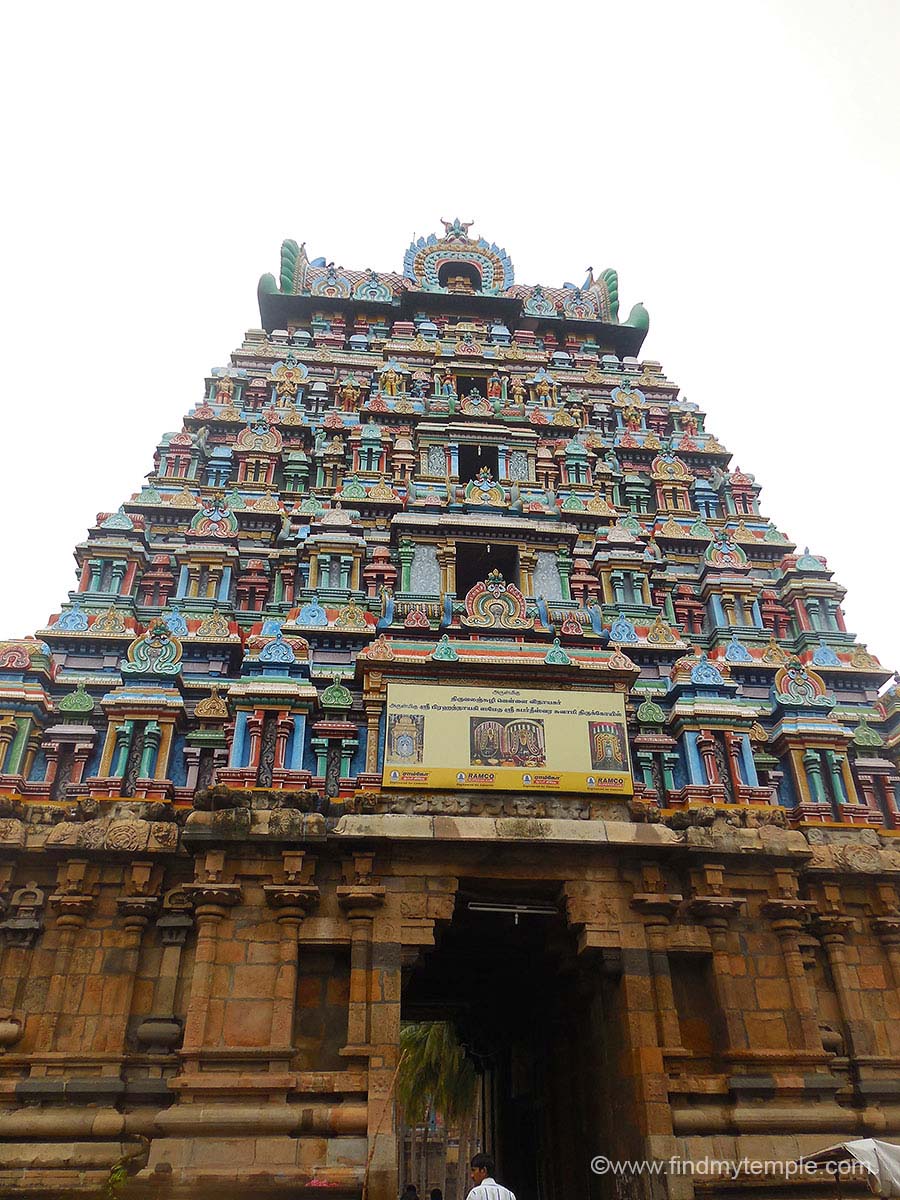
Swetha Vinayagar Temple
Swetha Vinayagar Temple in Thiruvalanjuli, Tamil Nadu, is renowned for its unique white Ganesha idol believed to be crafted from sea foam, making it one of the world's rarest re…
Kalyanasundaresar Temple, Nallur
Kalyanasundaresar Temple in Nallur is an ancient Shiva sanctuary renowned for its deity Kalyanasundareswarar, who manifests in five divine colours and is venerated as Panchavarn…
Macchapurisvarar Temple, Koyildevarayanpettai
Macchapurisvarar Temple is an ancient Shaivite shrine in Thanjavur district dedicated to Shiva, originally constructed in the 9th century by Aditya Chola I and rebuilt in stone…
Vijayamangai Vijayanatheswarar Temple
Vijayamangai Vijayanatheswarar Temple is a Hindu shrine dedicated to Shiva, located in Thanjavur district, Tamil Nadu. Established during the Chola period in the 9th century, it…