Ekambaranathar Temple, Tiruvekambathur
About Ekambaranathar Temple, Tiruvekambathur
The temple's most prominent architectural feature is the large Raja Gopuram at its southern gate, constructed by the Vijayanagara king Krishna Devaraya in 1509 CE. This gopuram represents the distinctive style of Vijayanagara-period temple architecture, characterized by elaborate sculptural detail and monumental scale. The gateway stands as a visible marker of royal support for the temple during a period of significant architectural expansion across South India.
Beyond the gopuram, the temple complex includes several mandapams (halls), including the Ayrangal Mandapam, which once bore a different name. These structures reflect the accumulated patronage of multiple rulers and periods, each contributing to the temple's physical form. The architectural layers visible in the complex tell a story of continuous renovation and expansion, from the earliest brick structures of the Pallava period to the stone construction of later centuries.
Daily Worship and Darshan
The temple opens for darshan in two sessions each day. Morning worship runs from 6:00 AM to 12:30 PM, followed by a closure period from 12:30 PM to 4:00 PM. Evening darshan resumes at 4:00 PM and continues until 8:30 PM. Visitors planning their visit should note these timings, as the midday closure is strictly observed.
Early morning hours offer the quietest experience for darshan, with fewer crowds and a more contemplative atmosphere. Devotees seeking a peaceful encounter with the temple should plan to arrive shortly after opening. The temple follows standard protocols for Hindu worship spaces, and visitors should dress modestly and observe the customary practices of removing footwear before entering sanctified areas.
Festivals and Sacred Seasons
The temple observes significant festivals throughout the year, with Panguni Uthiram and Shivaratri drawing particular numbers of devotees. These festivals align with the broader Tamil and Hindu calendar, marking auspicious occasions in the Shaivite tradition. Panguni Uthiram, celebrated in the Tamil month of Panguni (March-April), and Shivaratri, dedicated to Shiva, are times when the temple experiences heightened ritual activity and pilgrimage.
Visitors interested in experiencing the temple during these festivals should plan accordingly, as crowds increase substantially. The temple administration coordinates special pujas and ceremonies during these periods, offering devotees opportunities for enhanced worship experiences.
Practical Information for Visitors
The temple is located in Kanchipuram, Tamil Nadu, at coordinates 9.8316, 78.7833, with the postal code 631502. Kanchipuram is accessible by road and rail from Chennai and other major cities in Tamil Nadu. The town itself is known for its concentration of ancient temples and silk weaving traditions, making it a natural destination for those interested in South Indian religious heritage.
Visitors should carry water and wear comfortable footwear for the walk to the temple, as the surrounding area involves some walking. The temple provides standard facilities for worship, though amenities may be basic. Photography policies should be confirmed upon arrival, as many temples restrict image capture in sanctified areas. Those wishing to perform specific pujas or rituals should inquire at the temple office about procedures and any associated fees.
How to reach
Temples near Ekambaranathar Temple, Tiruvekambathur

Devakottai Meenakshi Sundareswarar Temple
The Arulmigu Meenakshi Sundareswarar Temple at Thirukokarnam in Pudukkottai District is a small shrine dedicated to Meenakshi and Sundareswarar, situated on the eastern bank of…

Adhi Ratneswarar Temple
Adhi Ratneswarar Temple is an ancient Shiva shrine in Tiruvadanai, Tamil Nadu, revered as one of the 275 Paadal Petra Sthalams praised in Thevaram hymns. The temple is particula…
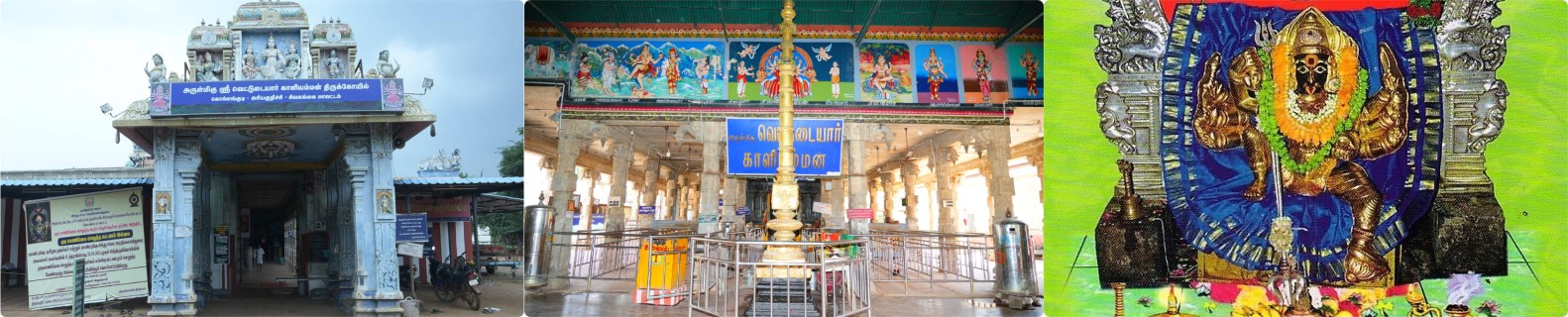
Kollangudi Vettudaiyar Kaliamman Temple
Arulmigu Vettudaiyar Kaliamman Temple in Ariyakurichi near Kollangudi, Sivagangai district, is a revered Shakti shrine dedicated to Sri Vettudaiyar Kaliamman, worshipped as a po…
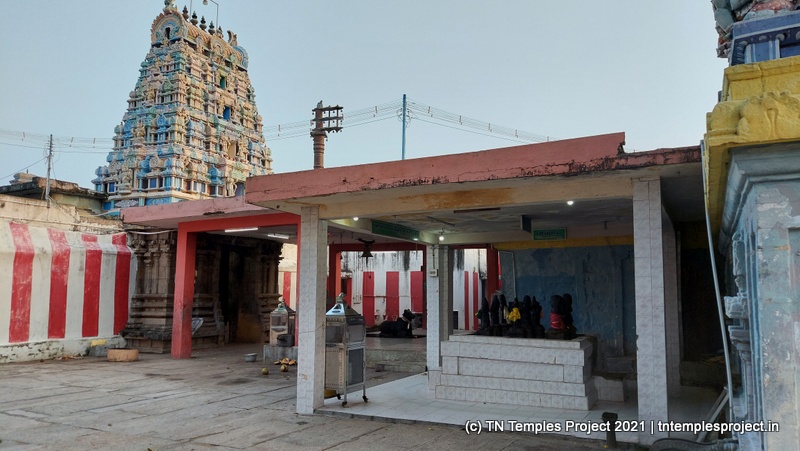
Vanmeekanathar Temple, Tiruvetriyur
Vanmeekanathar Temple is a Siva temple located in Tiruvetriyur, Sivagangai district, Tamil Nadu, serving as a healing sanctuary and pilgrimage site for devotees seeking blessing…
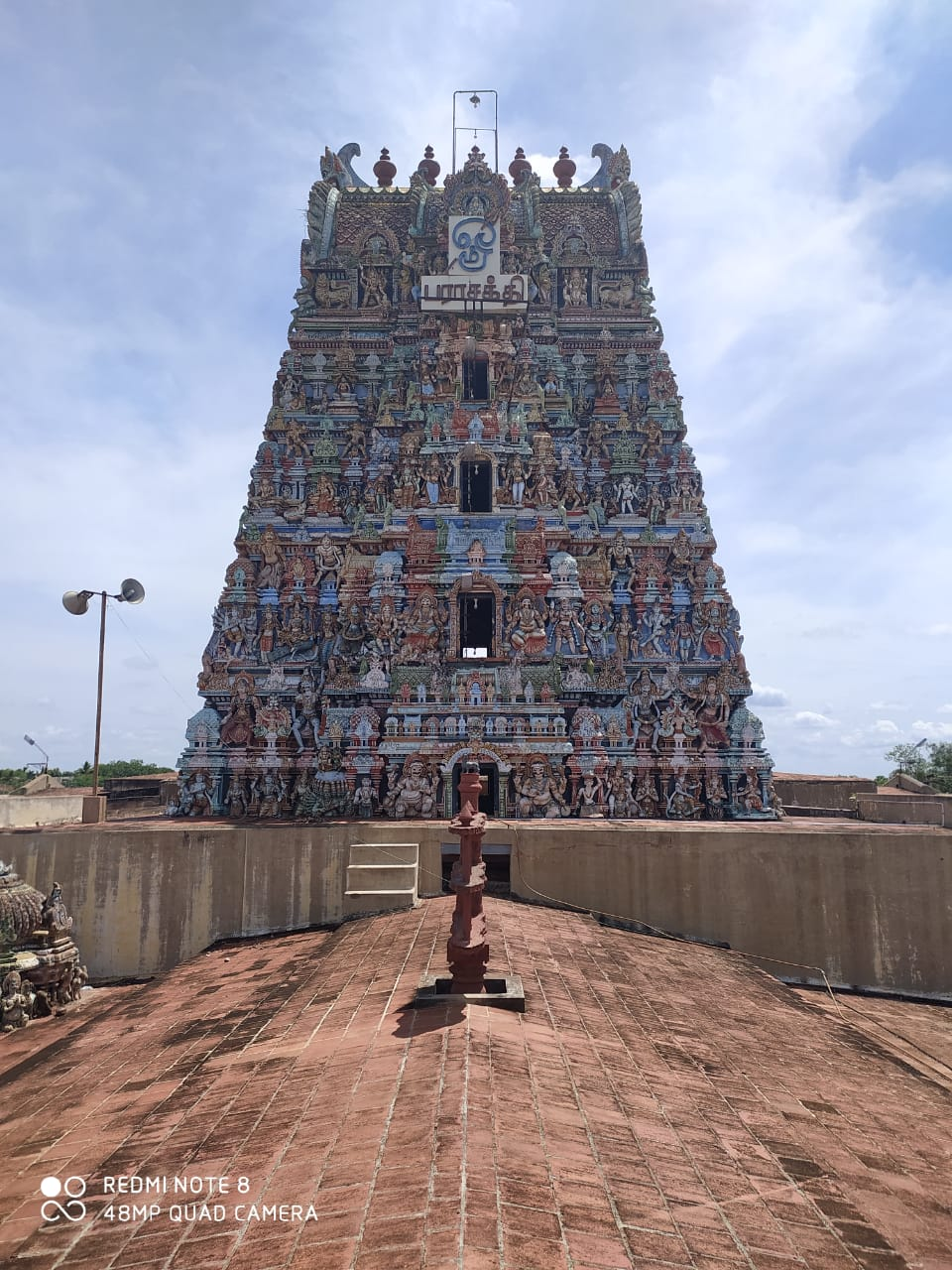
Natarasankoṭṭai Kannathal Temple
Arulmigu Kannudaya Nayagi Amman Temple in Nattarasankottai, Sivagangai district, is a revered Shakti shrine dedicated to Goddess Kannudaya Nayagi, believed to be a self-manifest…
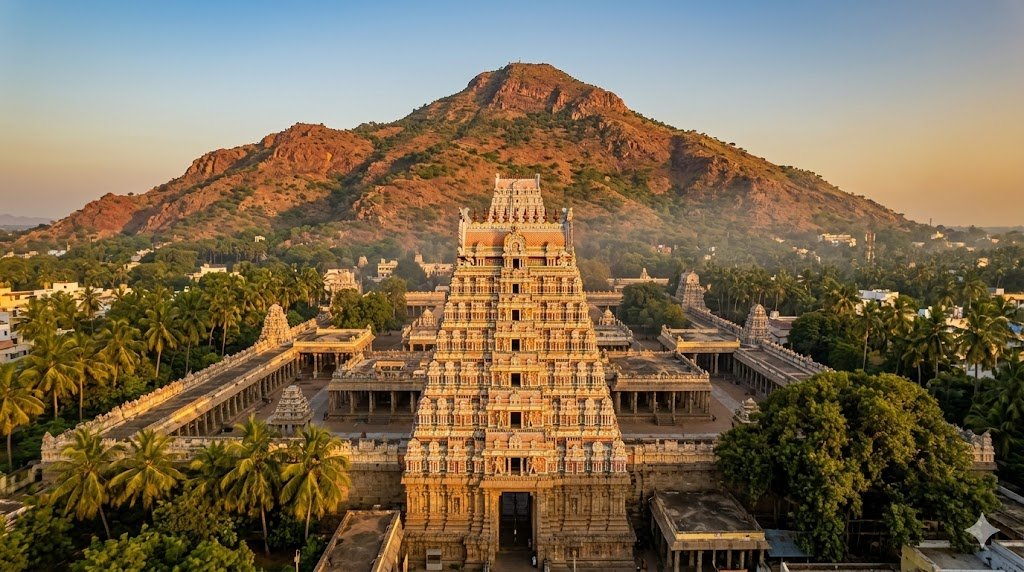
Thiruppunavayil
Arunachaleswarar Temple at Tiruvannamalai is one of the five Pancha Bhoota Sthalams representing the fire element, where Lord Shiva manifested as an infinite column of fire acco…