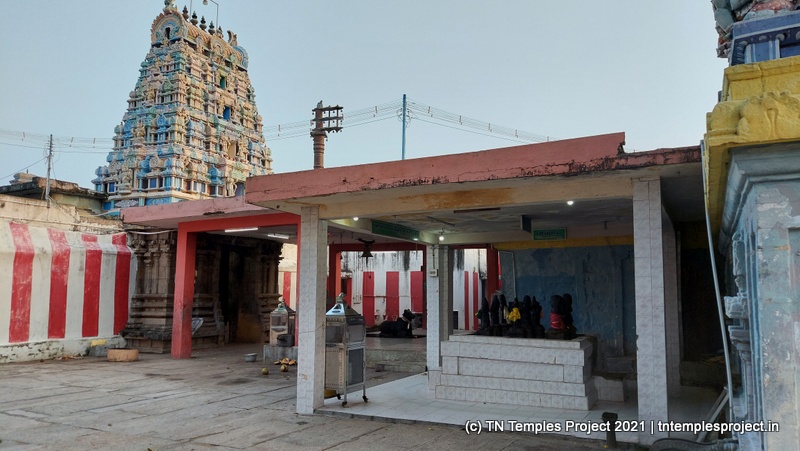
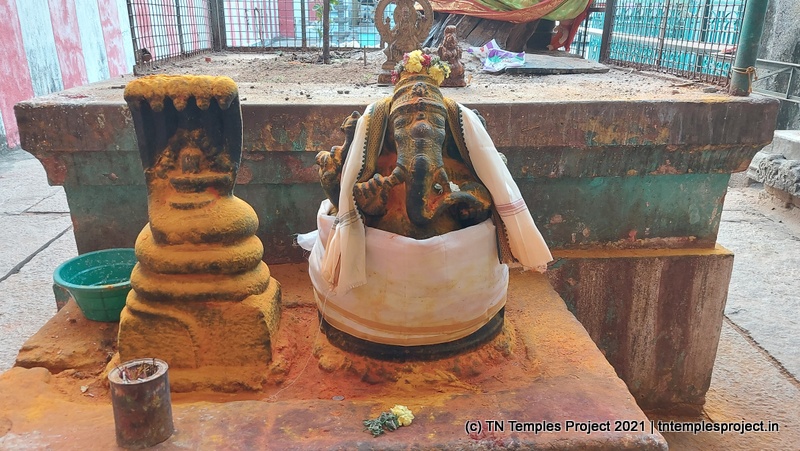
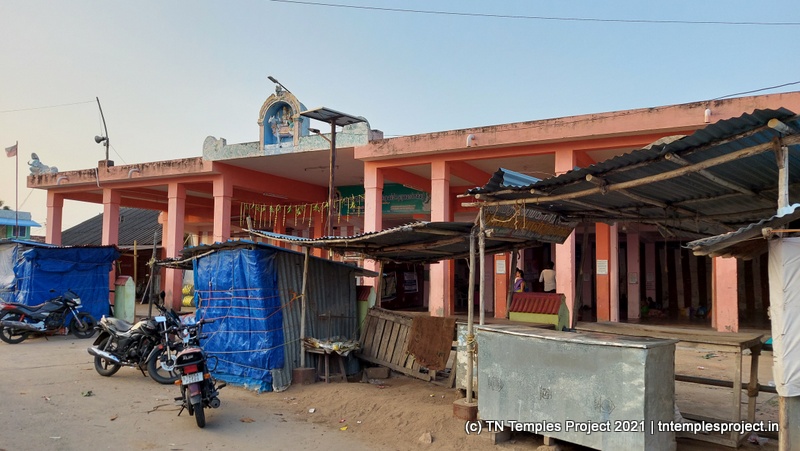
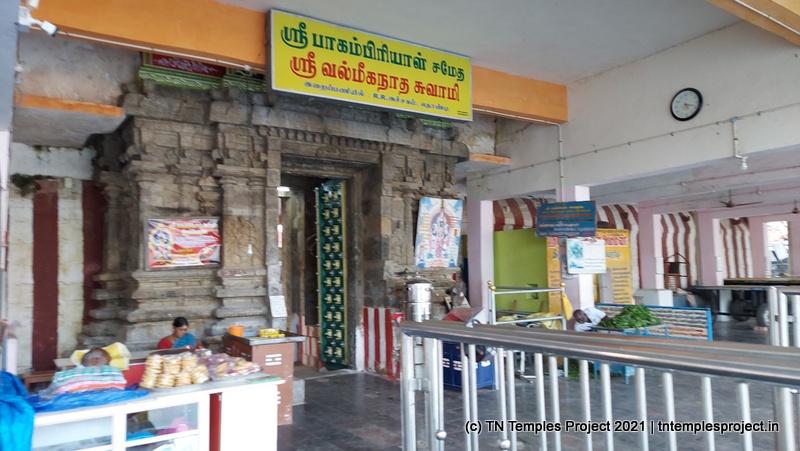
Vanmeekanathar Temple, Tiruvetriyur
About Vanmeekanathar Temple, Tiruvetriyur
The temple is open to visitors during two daily periods: morning hours from 6:00 to 11:00 and evening hours from 4:00 to 8:00. Visitors should plan their visit within these windows. The temple is located at coordinates 9.708186, 78.9468018 in Tiruvetriyur, accessible from the district town of Ramanathapuram, approximately 50 kilometres away.
As a functioning Siva temple, standard practices of Hindu temple etiquette apply. Visitors should dress modestly and remove footwear before entering the inner sanctum. Many temples in this tradition welcome visitors of all backgrounds, though it is respectful to observe the customs of worship and avoid disturbing those engaged in prayer. Photography policies vary; it is wise to ask permission before photographing within the temple.
The Temple's Sacred Elements
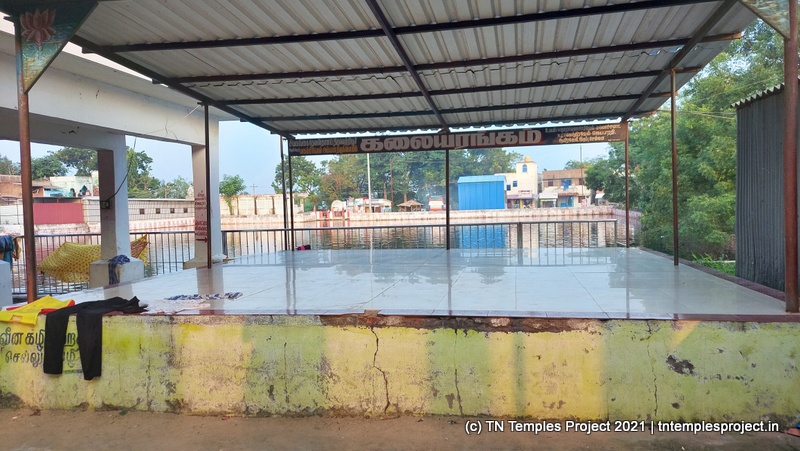
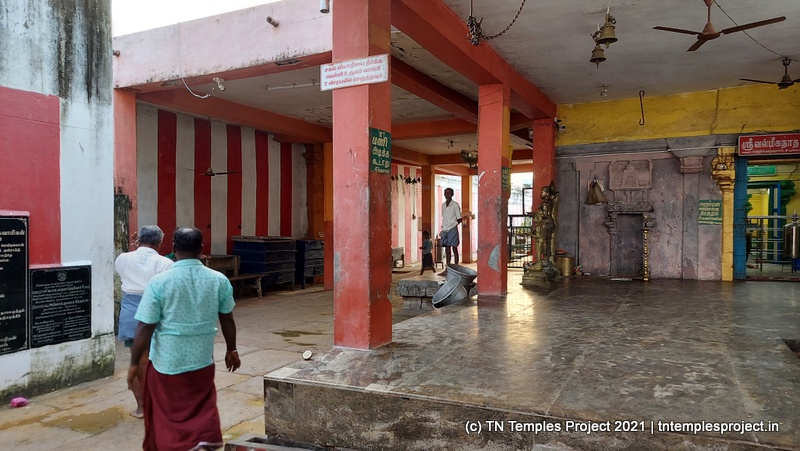
The temple contains a sacred tank known as Vasuki Teertham, a feature common to many South Indian temples where devotees ritually bathe or collect water for purification. The presence of such water sources reflects the Hindu understanding of certain natural or constructed waters as spiritually significant. The temple grounds are oriented according to principles of Hindu temple architecture, with the sanctum housing the primary deity at its centre.
The temple is recognized as a healing sanctuary and a site where devotees seek blessings for marriage. These associations suggest the temple has long served the spiritual and personal needs of the surrounding community, though specific details about particular rituals or practices dedicated to these purposes are not documented in available sources.
Practical Information for Visitors
The nearest significant town is Ramanathapuram, located about 50 kilometres away. Visitors travelling from further afield may use Karaikudi (56 kilometres) or Pudukkottai (94 kilometres) as reference points for journey planning. The temple's location in rural Tamil Nadu means that visitors should arrange transport in advance, as public transport options may be limited.
No specific information about facilities such as accommodation, food, or parking is available from the sources consulted. Visitors are advised to make enquiries locally or contact the temple administration directly regarding amenities. It is prudent to carry water and be prepared for the climate of the region, particularly during the warmer months.
How to reach
You may also visit
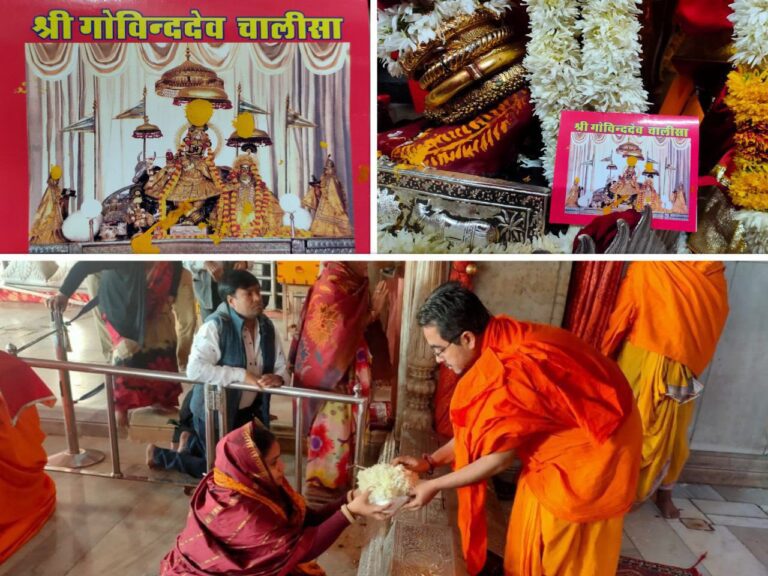
Kalyanji Temple
Kalyanji Temple in Jaipur's Chandpol Bazaar is approximately two centuries old and renowned for displaying the twenty-four avatars of Krishna, visible only twice yearly during Akha Teej and Patottsav festival.
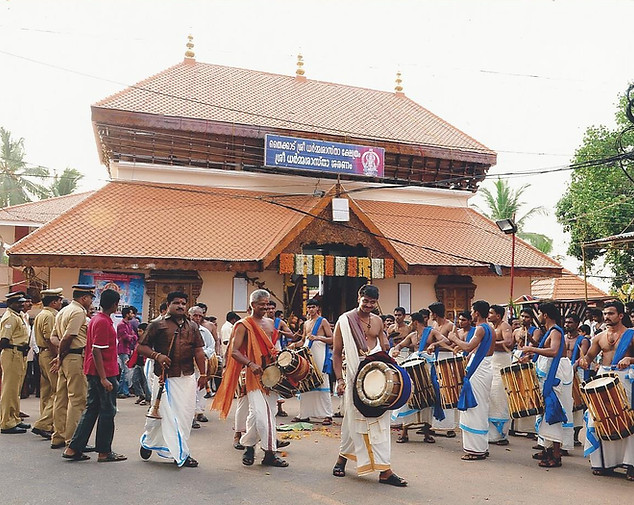
Sastha (Ayyappan) Temple
Sree Dharma Sastha Temple in Thycaud, Thiruvananthapuram, is a centuries-old shrine where the deity manifests as Dhanwanthari, the divine healer, holding the sacred blue lotus.
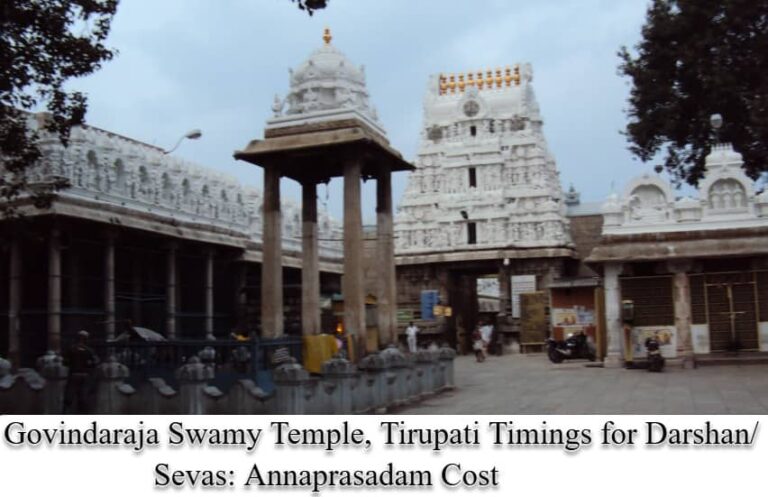
Govindarajaswamy Temple
Sri Govindarajaswamy Temple in Tirupati is an ancient Vaishnavaite shrine consecrated in 1130 AD by Saint Ramanuja, where the presiding deity rests in eternal Yoga Nidra on the serpent Adisesha.