Edaganathar temple
About Edaganathar temple
The temple was established in the 7th century, making it a site of continuous worship for over a thousand years. Its location in Thiruvedagam, a village in Madurai district, positions it on the banks of the Vaigai River, a geography that has likely shaped both the temple's spiritual identity and its practical role in the community across the centuries.
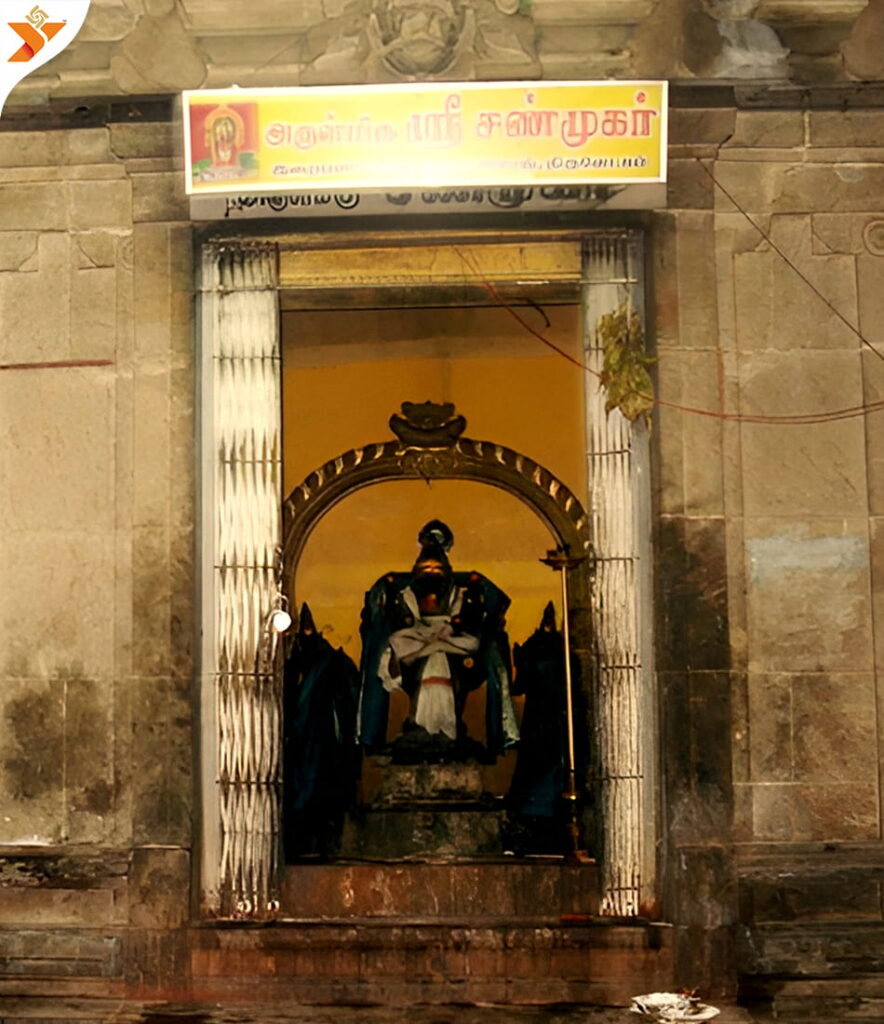
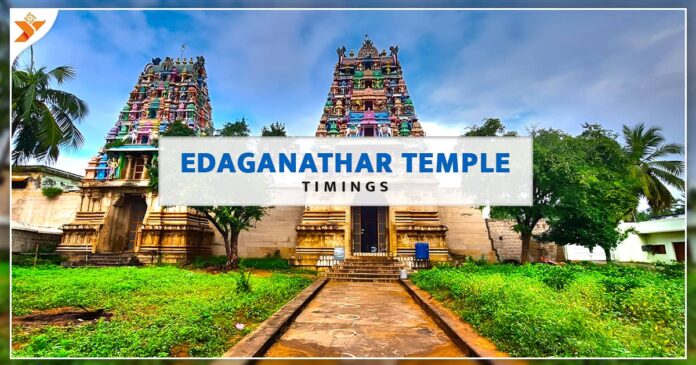
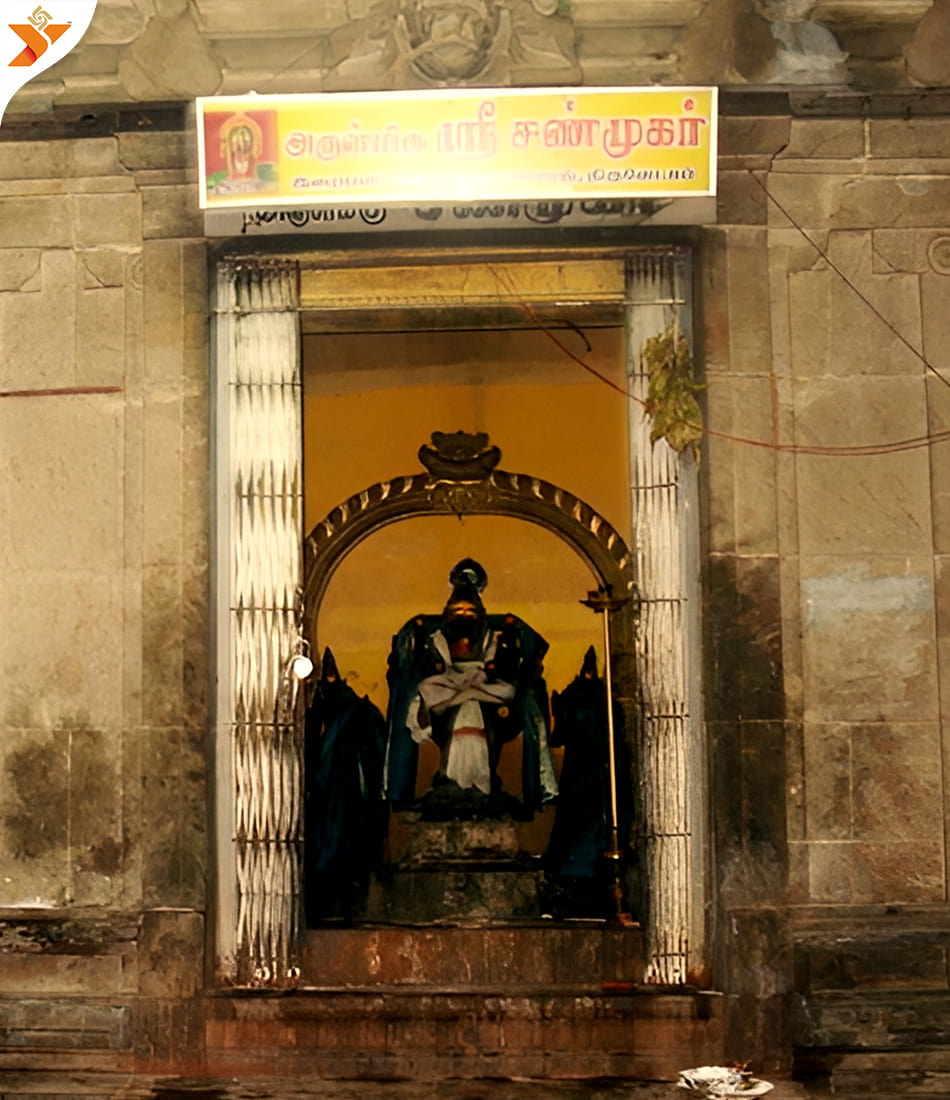
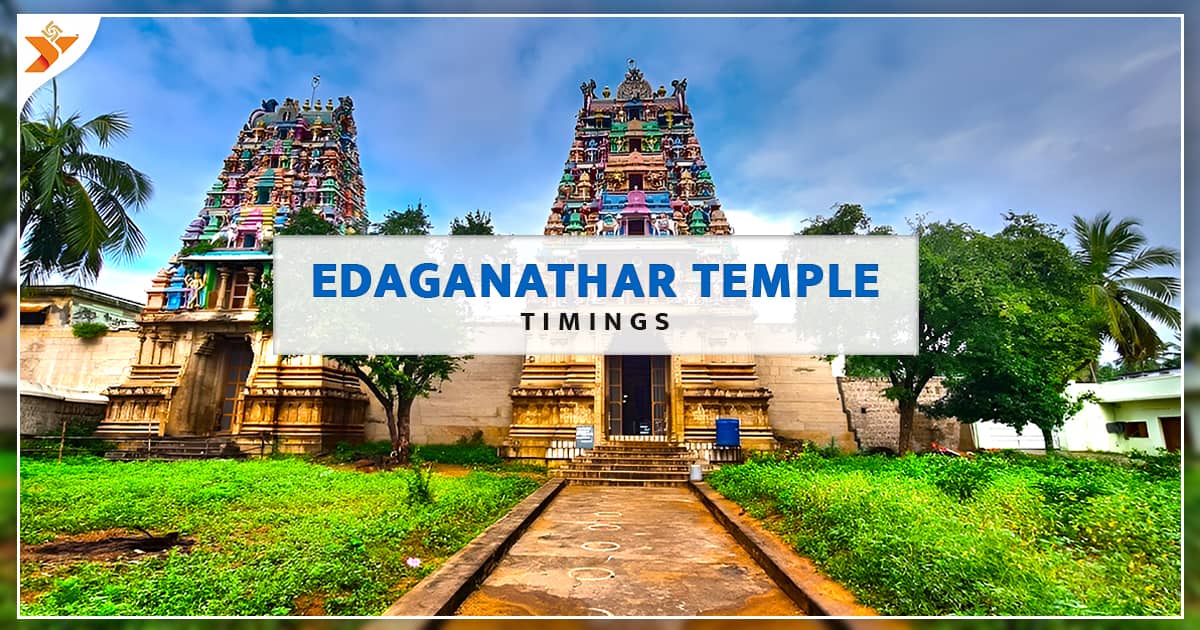
The architectural layout reflects traditional South Indian temple design principles. The complex spans five acres and contains multiple shrines arranged within its grounds. Two Raj Gopurams—the ornamental gateway towers characteristic of South Indian temples—mark the entrances to the principal sanctums: one leads to the shrine of Edaganathar, the other to Parvati's shrine. This paired arrangement honors both Shiva and his consort within a unified sacred space, allowing devotees to make offerings to both deities during a single visit.
The Daily Rhythm of Worship
The temple maintains six daily pujas that structure worship throughout the day. These rituals occur at Kalasanthi (6:00 AM), Irandam Kalam (9:00 AM), Uchikalam (12:00 PM), Sayarakshai (6:00 PM), Irandam Kalam (7:30 PM), and Arthajaman (9:00 PM). Each puja follows the traditional sequence of Abhishekam (ritual bathing), Alangaram (adorning the deity), Naivedyam (offering of food), and Deep Aradhana (lighting of lamps). Witnessing these rituals offers insight into the continuous cycle of worship that has characterized this site for over a millennium.
Darshan—the viewing of the deity—is available during two windows: 6:30 AM to 12:00 PM in the morning, and 4:30 PM to 8:00 PM in the evening. Early morning hours, particularly between 6:30 and 8:00 AM, offer a more peaceful experience, as fewer visitors arrive before the day's heat intensifies. This timing also allows devotees to witness the Kalasanthi puja, the first ritual of the day.
Festivals and Celebrations
Three major festivals draw larger numbers of devotees and see the temple elaborately decorated. Ganesh Chaturthi, celebrated in September, honors Ganesha, the remover of obstacles. Ram Navami, observed in March, commemorates the birth of Rama. Makar Sankranti, celebrated in January, marks the sun's transition into the zodiac sign of Capricorn and is observed across Hindu tradition as an auspicious occasion. On these festival days, the temple becomes a focal point for community celebration and worship.
Visiting the Temple
The temple is located at Thiruvedagam, Madurai district, Tamil Nadu 625234, India (coordinates 9.59, 77.59). Visitors should plan their visit according to the darshan timings noted above. As with temples of this tradition, modest dress is typically expected—covering shoulders and knees is standard practice. Shoes are generally removed before entering the inner sanctum. Photography policies may vary; it is advisable to inquire with temple staff before photographing rituals or the sanctum.
The temple complex occupies five acres, allowing space for unhurried darshan and circumambulation. Facilities within the complex may be limited, so visitors should plan accordingly, particularly during peak hours or festival days. The Vaigai River location provides a natural setting but also means the area can be warm; early morning visits offer both spiritual and practical advantages.
How to reach
Temples near Edaganathar temple
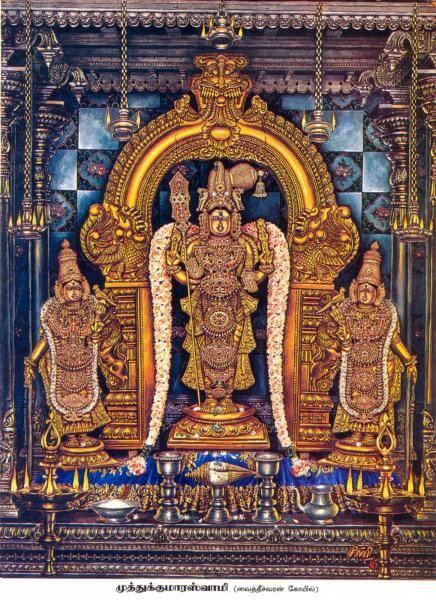
Madavar Vilagam Vaidyanathar temple
Madavar Vilagam Vaidyanathar temple is a Dravidian-style Shiva temple near Srivilliputhur in Tamil Nadu, where Shiva is worshipped as Vaidyanathar, the God of healing, and the s…
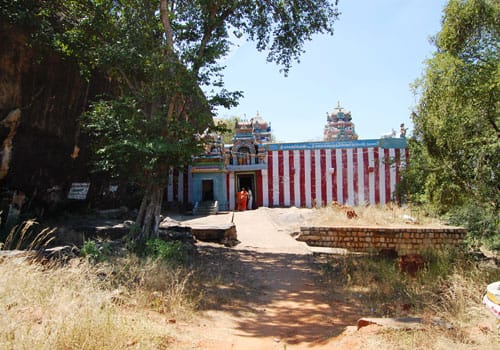
Malai Kozhundeeswarar Cave Temple, Muvaraivenran
Malai Kozhundeeswarar Temple is a rock-carved Shiva shrine built during the Pallava period, located on a hill in Tirumalai with panoramic views and sacred natural springs.
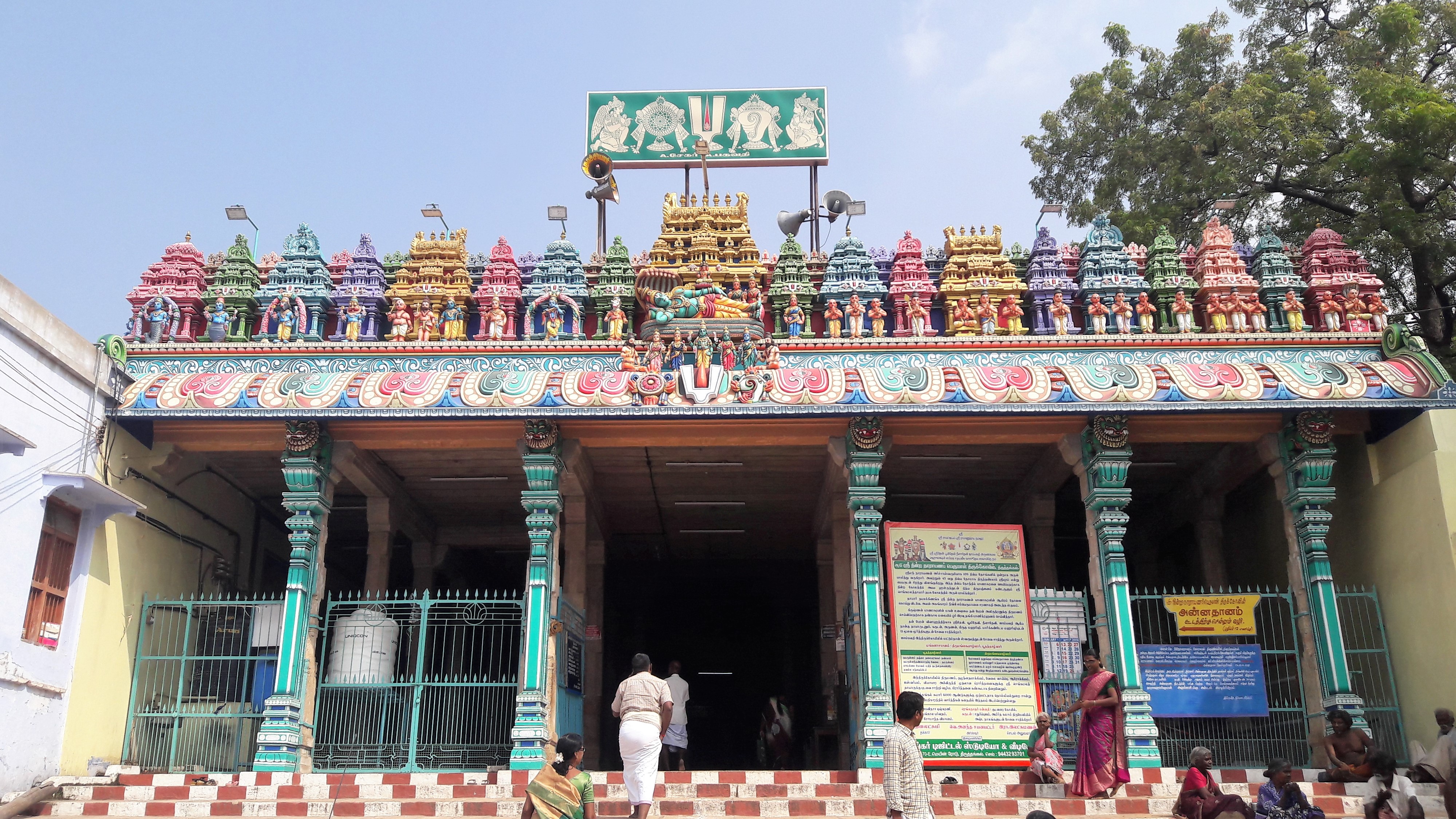
Karunellinathar temple
Karunellinathar temple in Thiruthangal, Tamil Nadu, is a Shaiva shrine where Lord Shiva is worshipped as Karunellinathar through the lingam, accompanied by his consort Parvati a…
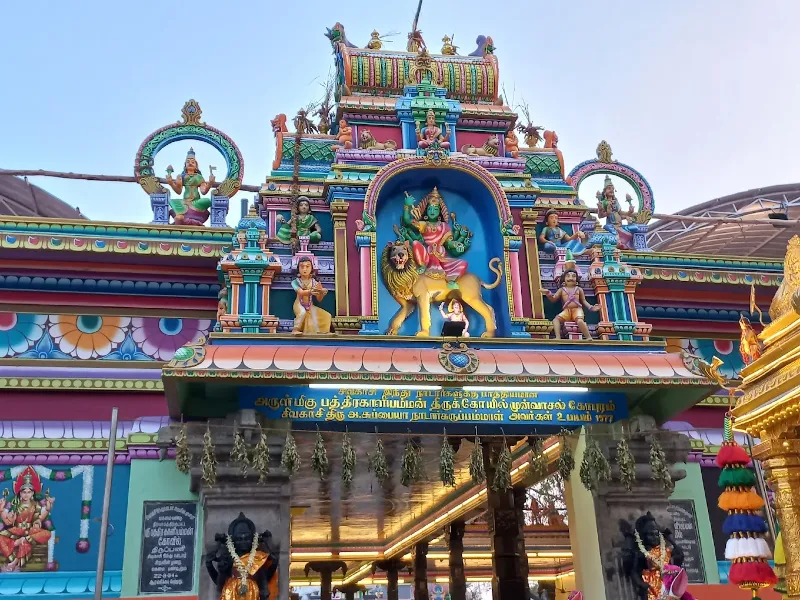
Badrakali Amman temple, Sivakasi
Badrakali Amman Temple in Sivakasi is dedicated to Goddess Badrakali, a fierce manifestation of Parvati. Built in the 18th century with Dravidian architecture, it features a dis…
Ninra Narayana Perumal temple
Ninra Narayana Perumal Temple in Thiruthangal, Tamil Nadu, is one of the 108 Divya Desams dedicated to Vishnu, celebrated in the devotional hymns of Alvar saints from the 6th–9t…
Kasi Viswanathar temple, Sivakasi
Kasi Viswanathar Temple in Sivakasi, Tamil Nadu, is a South Indian-style Shiva shrine believed constructed by Pandyan ruler Harikesari Parakkirama Pandian in the 16th century, w…