Madavar Vilagam Vaidyanathar temple
About Madavar Vilagam Vaidyanathar temple
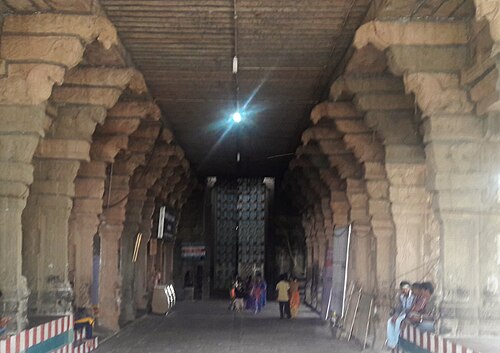
The temple was constructed during the 16th century under Thirumalai Nayak. According to local tradition, the Nayak king himself suffered from stomach ailments and came to Madavar Vilagam seeking a cure. After remaining for 48 days, he recovered completely and commissioned the construction of a Natarajar hall modelled on the design found in the Meenakshi temple at Madurai, as an expression of gratitude. He also reportedly built drum halls extending from the temple toward Madurai so that he could time his midday meal to the sound of the noon pooja drums from the temple.
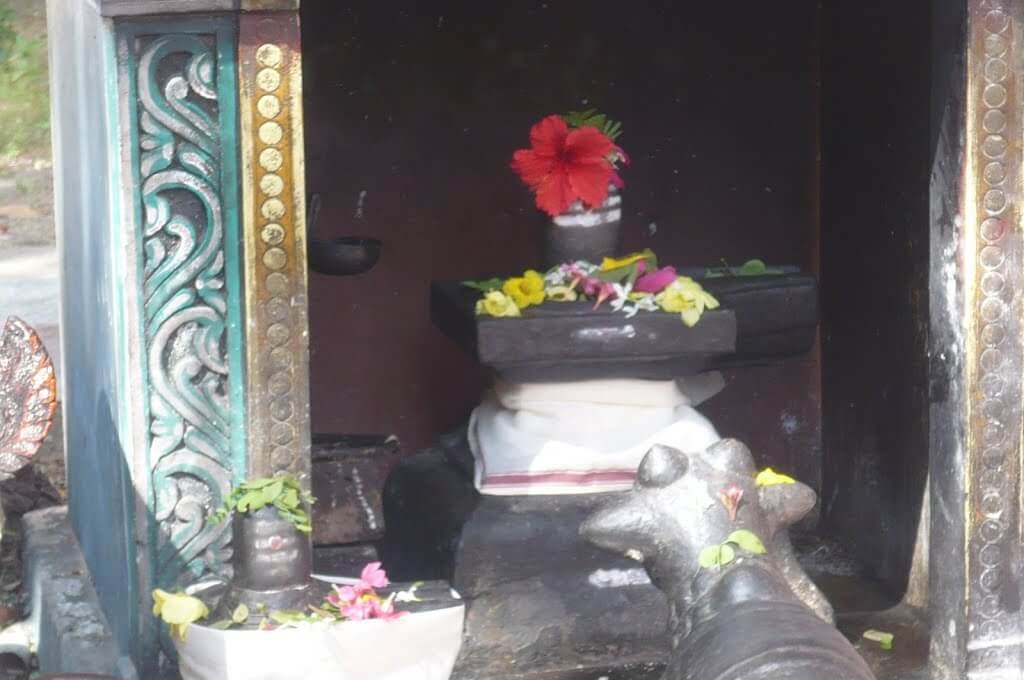
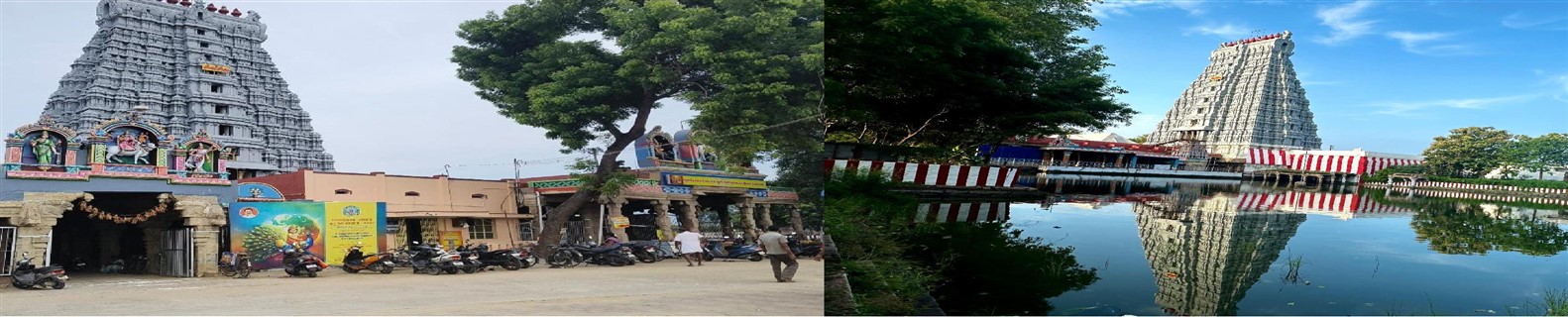
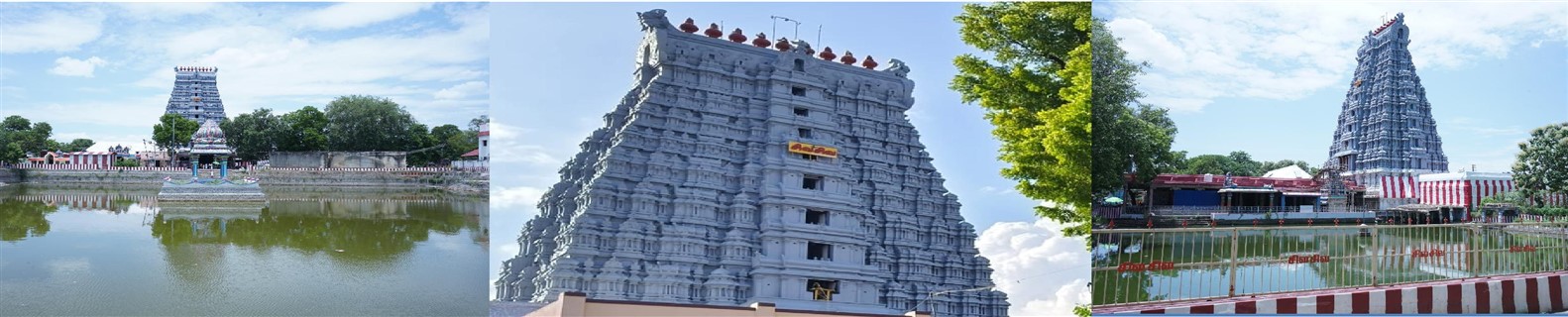
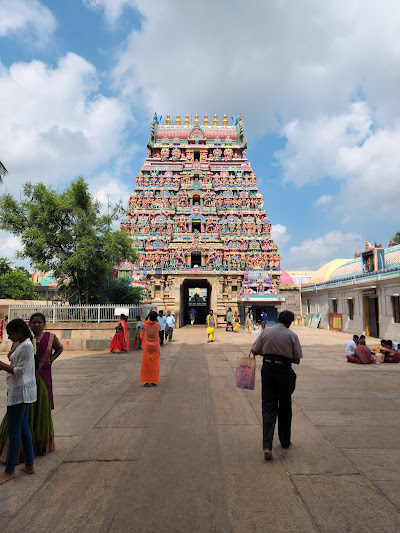
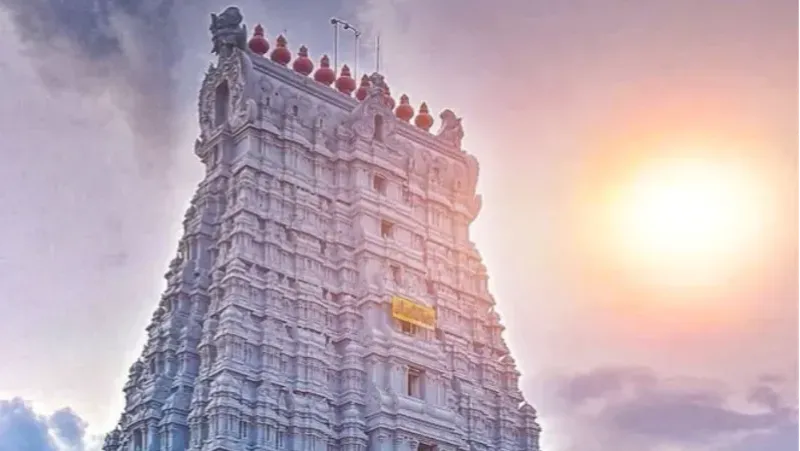
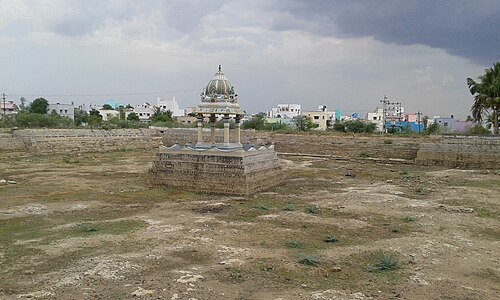
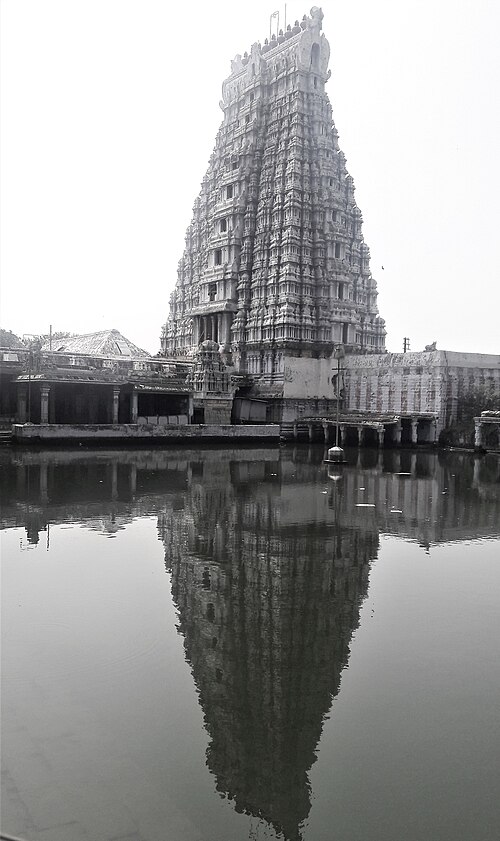
The structure follows Dravidian architectural principles and comprises two precincts. A five-tiered gopuram (tower) rises above the complex. The inner sanctum houses the lingam form of Vaidyanathar. The first precinct surrounding the sanctum contains metal images of Somaskanda and stone sculptures depicting Nataraja, Durga, Dakshinamoorthy, and Surya. Paintings from the Nayak period decorate the ceiling of the hall leading to the sanctum. A Kalayana Mahal (marriage hall) stands in front of the Sivakami shrine, where a sculpture of the Nayak king can be seen. The temple grounds include two water tanks—one opposite the main temple and another to the right of the main gate. The Sthala Vriksha (temple tree) is a margosa tree, valued in traditional medicine for its healing properties.
Daily Worship and Darshan
The temple opens for darshan twice daily: from 6:00 to 12:00 in the morning and from 16:00 to 20:00 in the evening. Devotees typically visit during early morning or late evening hours to avoid crowds. The temple conducts standard worship practices including archana (ritual offerings), deeparadhana (lamp offerings), and bilva leaf offerings to Shiva. Monday worship holds particular significance in Shaiva tradition, as does Pradosham (the twilight period on new and full moon days). Visitors seeking blessings for health and recovery form a significant part of the worshipping community, reflecting the temple's primary spiritual purpose.
Festivals and Auspicious Days
Festivals observed at the temple include Maha Shivaratri, Karthigai Deepam, and Tamil New Year celebrations. The sources identify full moon days (Pournami) in the Tamil months of Adi and Thai as particularly auspicious for worship. Amavasya (new moon) days also draw devotees. These lunar observances align with broader Shaiva temple traditions where the rhythms of the moon guide the devotional calendar. Local festival days are observed as well, though specific dates and details of local celebrations should be confirmed directly with the temple before planning a visit.
Practical Information for Visitors
The temple is located in Madavar Vilagam, approximately one kilometre south of Srivilliputhur in Virudhunagar district, Tamil Nadu (coordinates: 9.50138889, 77.62638889). The nearest railway station is Srivilliputhur. Visitors should confirm current darshan timings before arrival, as schedules may vary. Modest dress is customary when visiting Hindu temples; remove footwear before entering the sanctum. The temple has a Kalayana Mahal available for ceremonies. Two gates provide access to the temple, with separate entrances leading to the Vaidyanathar and Sivakami shrines. A contact number for the temple is available for inquiries regarding specific pujas, vow offerings, or thanksgiving worship arrangements.
Planning Your Visit
The best times to visit are early morning or late evening to experience the temple with fewer crowds and in the cooler hours. If you plan to visit during Pradosham, Maha Shivaratri, or local festival days, it is advisable to confirm arrangements in advance with the temple authorities. The sacred tank offers the opportunity for ritual bathing, which is central to the temple's healing tradition. Allow time to observe the sculptures and architectural details throughout the complex, particularly the Nayak-period paintings and the stone carvings in the first precinct. Nearby Srivilliputhur offers other temples of note, including the Andal temple and various Vinayagar and Murugan shrines, should you wish to extend your visit to the area.
How to reach
You may also visit
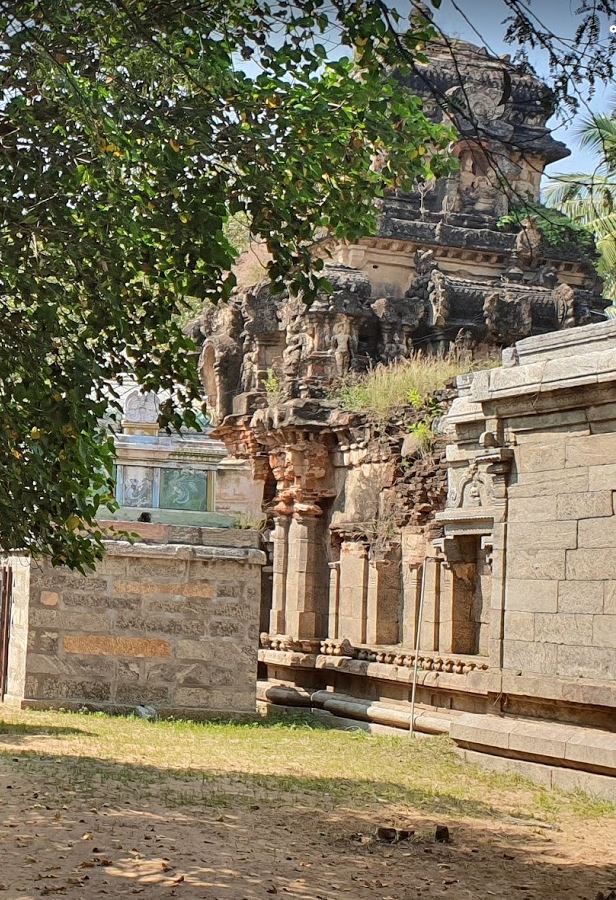
Agatheeswarar Temple, Karur
Agatheeswarar Temple in Thirumukkudalur, Karur district, is an ancient Hindu shrine dedicated to Shiva, situated at the sacred confluence of three rivers and believed to be over 1000 years old.
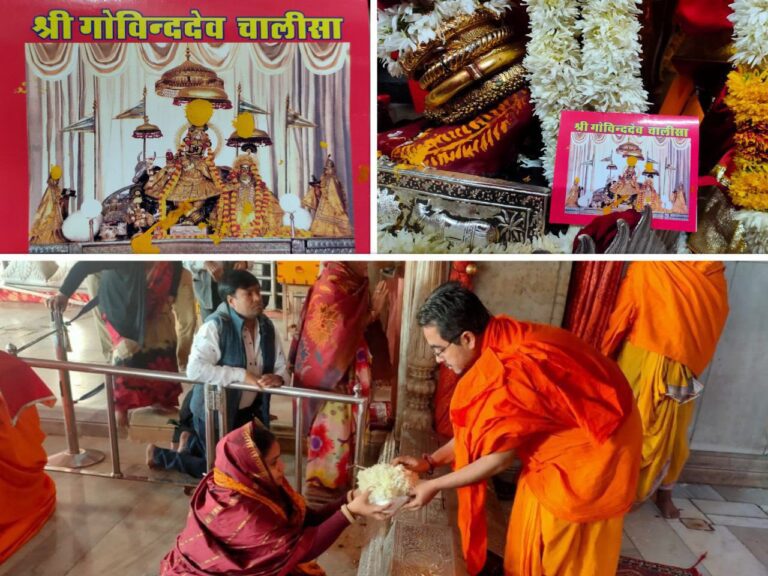
Kalyanji Temple
Kalyanji Temple in Jaipur's Chandpol Bazaar is an ancient Krishna shrine established in the 1820s, renowned for its seven daily aartis and special avatar darshan ceremonies during Akha Teej and Patottsav festivals.
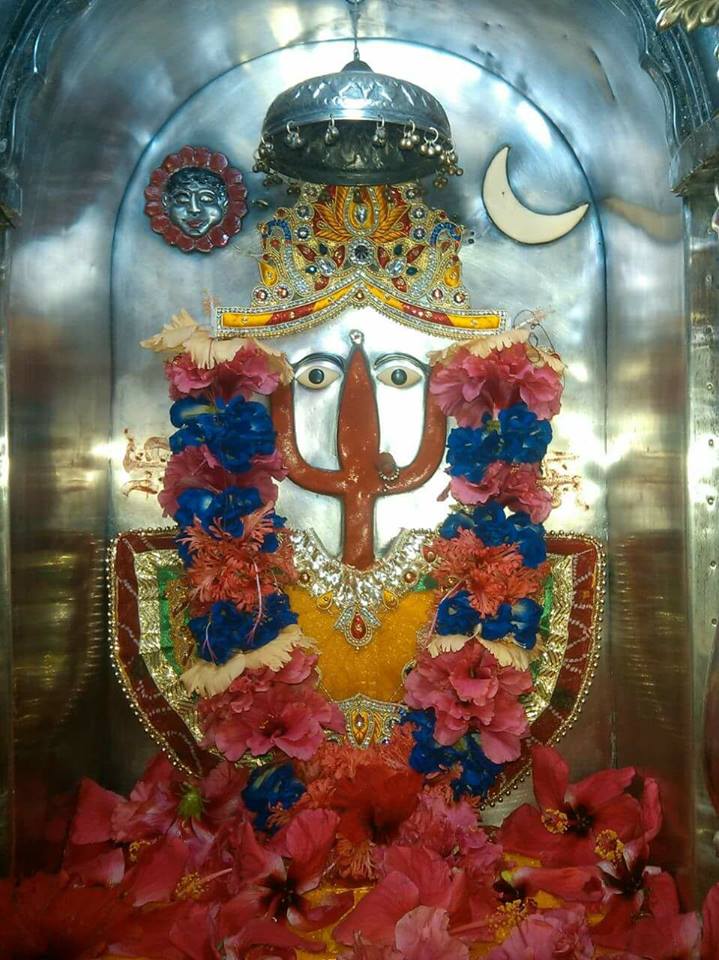
Rani Sati Mandir Mahuda
Rani Sati Mandir in Mahuda, Dhanbad District, is a Hindu temple established in 1992 that serves as a spiritual center for the local community and attracts devotees seeking blessings.