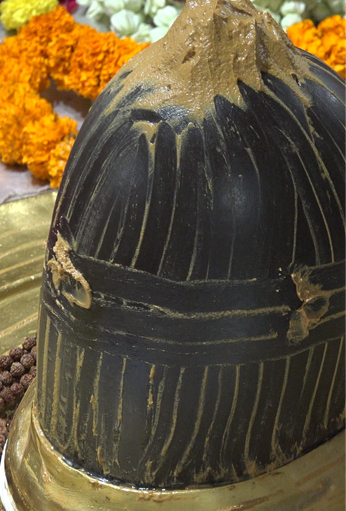
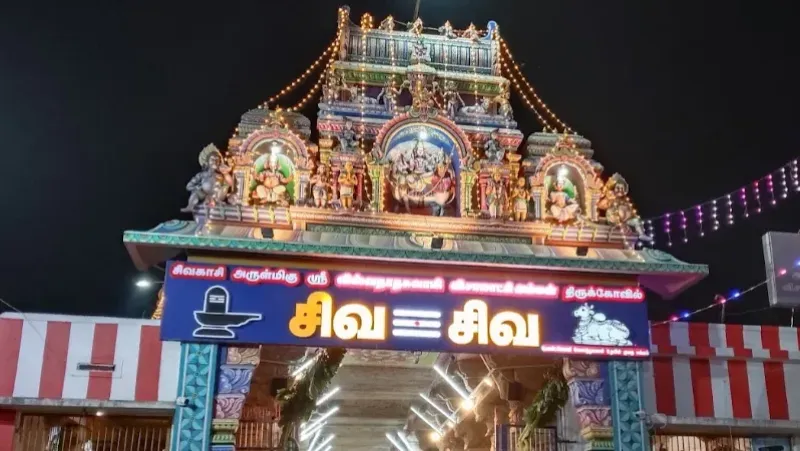

Kasi Viswanathar temple, Sivakasi
About Kasi Viswanathar temple, Sivakasi
The temple was constructed during the 16th century under the patronage of Pandyan ruler Harikesari Parakkirama Pandian, with later architectural additions made by the Madurai Nayaks. Built in the South Indian style characteristic of Tamil Nadu temples, the structure reflects the religious and artistic conventions of its period. The temple holds historical importance beyond its spiritual role: it was the site of a temple entry movement in 1899, a significant moment in the social history of Tamil Nadu, followed by events that marked the town's modern era.
Daily Worship and Darshan
The temple opens for darshan from 06:00 to 12:00 in the morning and from 16:00 to 21:00 in the evening. Three principal aartis (ritual offerings) structure the day: Mangala Aarti at 03:00, Bhog Aarti at 11:15, and Sandhya Aarti at 19:00. Devotees typically visit during morning or evening hours when the temple is most active. Common forms of worship include Shiva Abhishekam (ritual bathing of the deity), Archana (flower offerings), Deeparadhana (lamp worship), and the offering of vilva leaves, which hold particular significance in Shiva worship. Mondays and the fortnightly observance of Pradosham are especially auspicious days for worship at this temple.
Festivals and Auspicious Days
The temple observes several significant occasions throughout the year. Maha Shivaratri, the great night dedicated to Shiva, draws special devotion. Karthigai Deepam, celebrated with the lighting of lamps, is observed with particular reverence. The Tamil New Year also marks an important time for worship and community gathering at the temple. Beyond these major festivals, Mondays attract additional devotees, as do Pradosham days (the fortnightly twilight period dedicated to Shiva), full moons (Pournami), and new moons (Amavasya). Friday worship is also observed, particularly in connection with Visalakshi Amman.
Visiting the Temple: Practical Information
Visitors should confirm current darshan timings before arrival, as schedules may vary. The temple is located in Sivakasi, Virudhunagar district, and is accessible via Sivakasi Railway Station. Modest dress is customary when entering Hindu temples; remove footwear before entering the sanctum. Photography policies vary; it is respectful to ask before photographing. The temple phone number is 04562 272 411 for inquiries about current timings or specific worship arrangements. Visitors seeking particular blessings or wishing to perform specific rituals may contact the temple in advance to arrange appropriate offerings or ceremonies.
Worship Practices and Spiritual Significance
Devotees visit Kasi Viswanathar Temple for various spiritual purposes: seeking divine grace, requesting forgiveness, praying for good health and protection, and making vows or offerings of thanksgiving. The temple accommodates both routine darshan and more elaborate worship services. Archana (personalized flower offerings) and Abhishekam (ritual bathing of the deity) can typically be arranged, allowing devotees to participate more directly in the worship. The association with the Pancha Kasi tradition connects this temple to a larger sacred geography within Tamil Nadu, making it part of a pilgrimage circuit for those devoted to Shiva worship across the region.
How to reach


You may also visit
Agatheeswarar Temple, Karur
Agatheeswarar Temple in Thirumukkudalur, Karur district, is an ancient Hindu shrine dedicated to Shiva, situated at the sacred confluence of three rivers and believed to be over 1000 years old.
Kalyanji Temple
Kalyanji Temple in Jaipur's Chandpol Bazaar is an ancient Krishna shrine established in the 1820s, renowned for its seven daily aartis and special avatar darshan ceremonies during Akha Teej and Patottsav festivals.
Rani Sati Mandir Mahuda
Rani Sati Mandir in Mahuda, Dhanbad District, is a Hindu temple established in 1992 that serves as a spiritual center for the local community and attracts devotees seeking blessings.