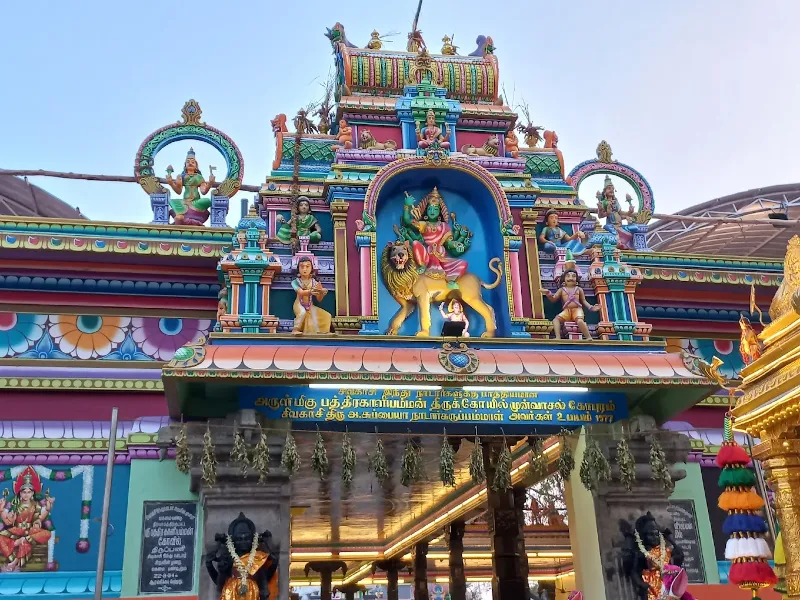
Badrakali Amman temple, Sivakasi
About Badrakali Amman temple, Sivakasi
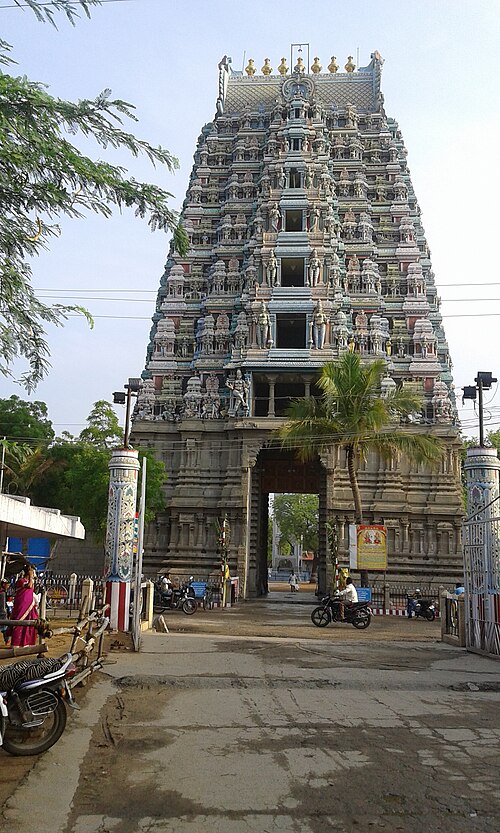
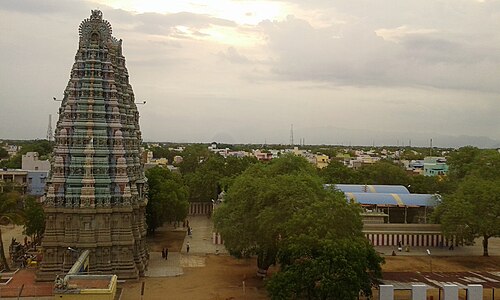
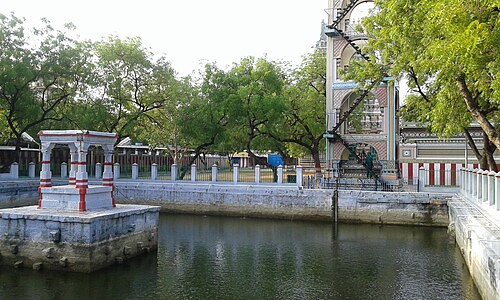
The temple follows traditional Tamil Amman shrine design, with the sanctum housing the main deity as the spiritual heart of the space. Visitors to the temple note that it has been well maintained and recently renovated, with a notably tall gopuram (temple tower) that stands as a distinctive feature of the structure. The temple grounds include a pond and accommodate various shrines to other deities including Ganesha, Naga Raja, Ayyappan, Hanuman, the nine planets (Nava Graha), and other forms of the divine worshipped in Tamil tradition such as Karuppasamy, Pechiyamma, Murugan, and Bhairava.
Daily Worship and Darshan
The temple maintains complex opening hours that vary by day of the week. Sunday, Tuesday and Friday mornings open early at 05:30, while other days typically begin afternoon or evening sessions. Evening hours extend into the night on several days, with Monday, Wednesday and Thursday remaining open past midnight. Before visiting, it is advisable to confirm current darshan timings, as these may change seasonally or for special observances.
Worship at the temple takes several forms. Devotees offer flowers, turmeric, kumkum (vermillion), neem leaves, coconut, fruits, lamps and camphor according to temple custom. The main ritual practices include archana (ritual worship), deeparadhana (lamp offering), and vow prayers. Friday worship holds particular significance, as do observances during the Aadi month (mid-July to mid-August in the Tamil calendar). Devotees also gather during new moon (Amavasya) and full moon (Pournami) days, which are traditionally considered auspicious for worship.
Auspicious Times and Festivals
Fridays and Tuesdays are especially significant for worship at this temple. The Aadi month, which falls in the Tamil calendar's monsoon season, draws increased devotion. Navaratri, the nine-day festival honouring the Goddess in her various forms, is observed with special poojas and heightened activity. The Chithirai Pongal festival, celebrated in April-May, attracts large crowds to the temple. Tamil New Year and local annual festival days also bring worshippers to the shrine. Morning or evening hours are generally considered the best times for darshan, though visitors should check current schedules before planning their visit.
Visitor Information
The temple is located at Parasakthi Colony, Sivakasi, Virudhunagar district, Tamil Nadu, at coordinates 9.45638889, 77.79777778. Sivakasi Railway Station serves as the nearest railway connection for those travelling by train. Visitors should confirm current darshan timings and local route details before visiting, particularly during Fridays, the Aadi month, Navaratri and local festival days when crowds are larger and schedules may be adjusted.
Standard temple etiquette applies: remove footwear before entering the sanctum, dress modestly, and approach the deity with respect. The temple environment is designed to support regular worship, vow prayers, and festival rituals according to Tamil devotional custom. Nearby places of worship in the Virudhunagar district include Sivakasi Kasi Viswanathar Temple, local Vinayagar temples, Mariamman temples, Murugan shrines, and Srivilliputhur Andal Temple, should visitors wish to explore other sacred sites in the region.
How to reach
You may also visit
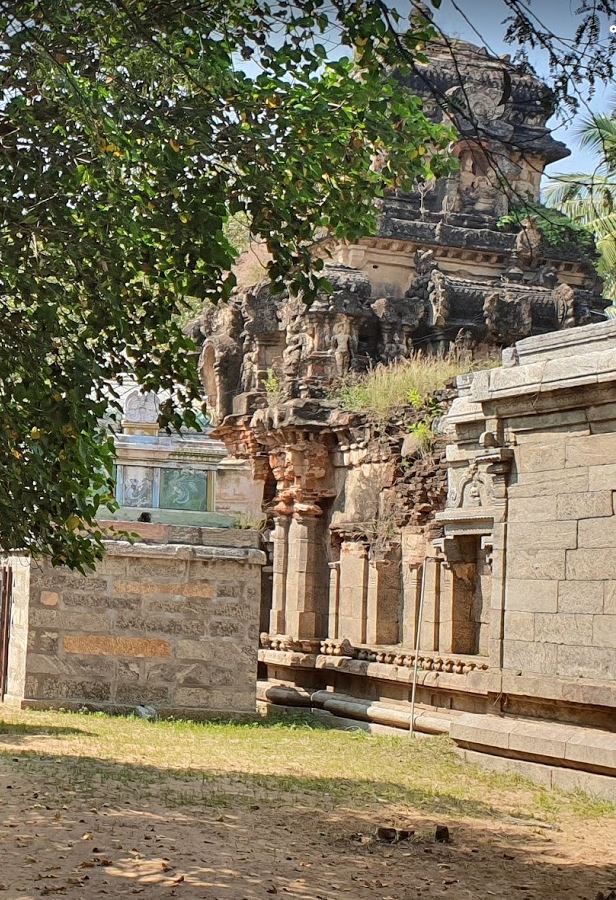
Agatheeswarar Temple, Karur
Agatheeswarar Temple in Thirumukkudalur, Karur district, is an ancient Hindu shrine dedicated to Shiva, situated at the sacred confluence of three rivers and believed to be over 1000 years old.
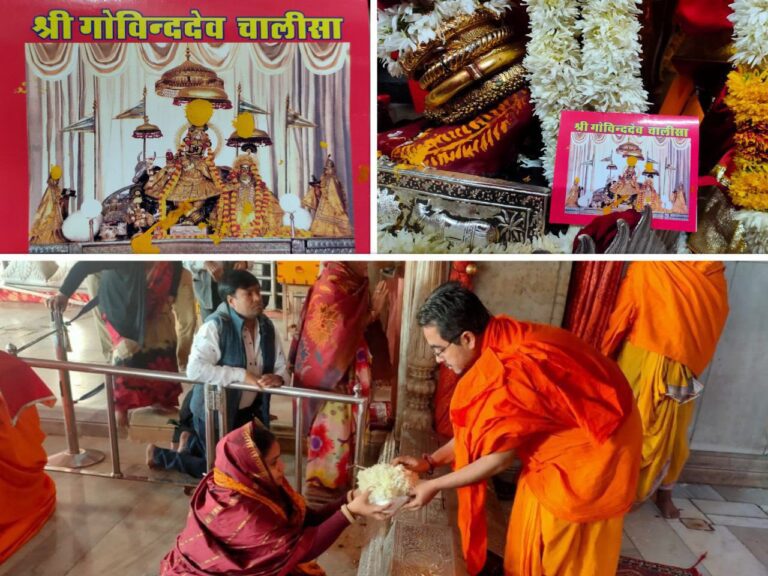
Kalyanji Temple
Kalyanji Temple in Jaipur's Chandpol Bazaar is an ancient Krishna shrine established in the 1820s, renowned for its seven daily aartis and special avatar darshan ceremonies during Akha Teej and Patottsav festivals.
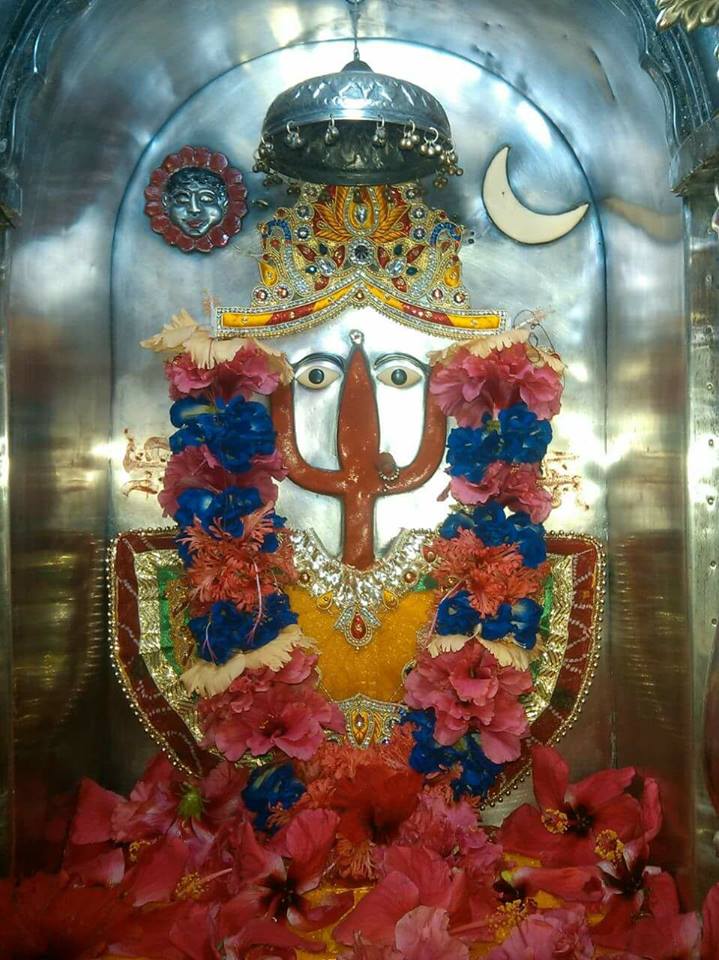
Rani Sati Mandir Mahuda
Rani Sati Mandir in Mahuda, Dhanbad District, is a Hindu temple established in 1992 that serves as a spiritual center for the local community and attracts devotees seeking blessings.