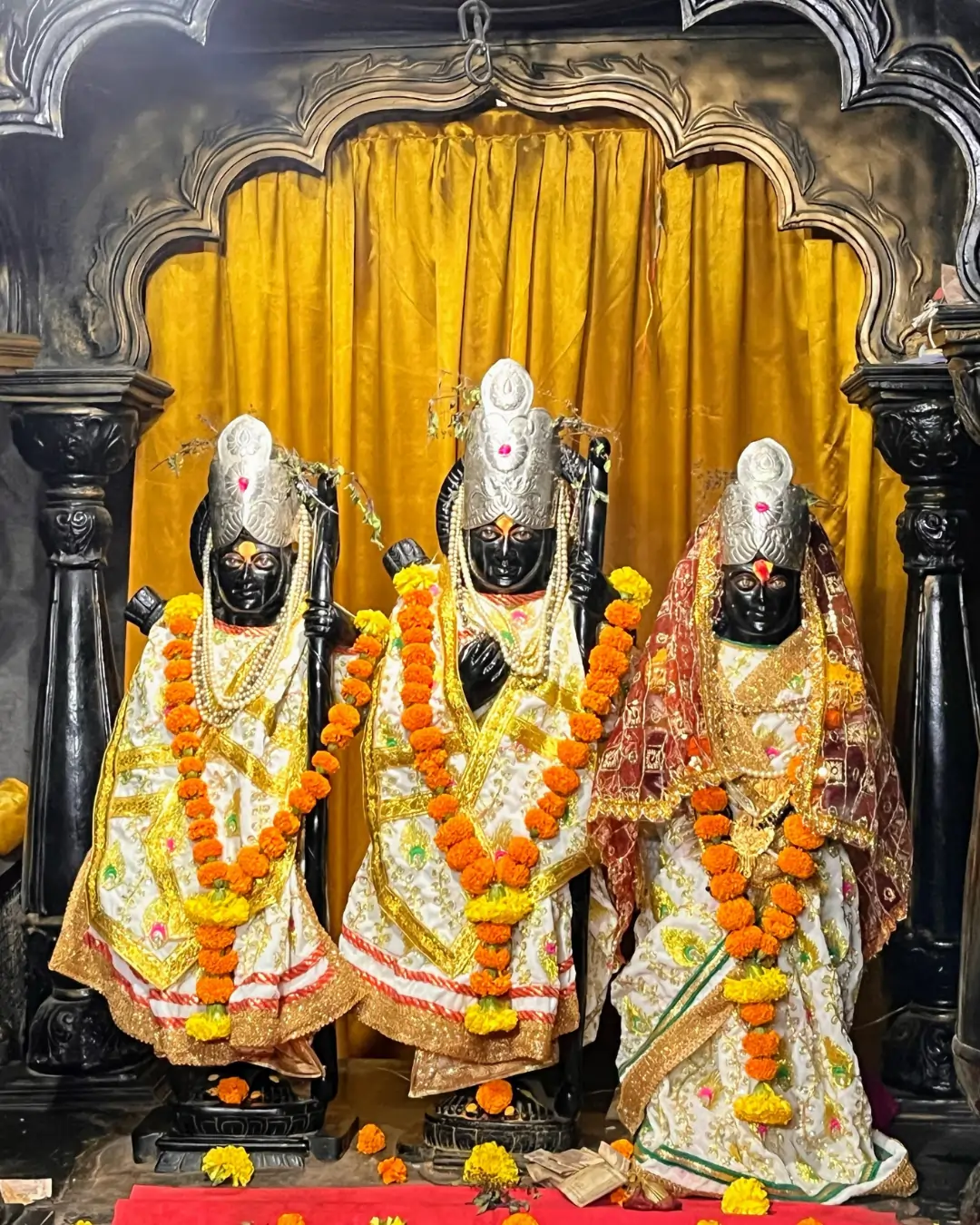


Sita Gufa
About Sita Gufa
The site is associated with a pivotal moment in the Ramayana narrative. When the demoness Shurpanakha, sister of Ravana, encountered Sita in Panchavati and became consumed with jealous rage, Lakshmana intervened to protect Sita by cutting off Shurpanakha's nose and ears. This event is said to have given the city of Nashik its name, derived from "Nasika," meaning nose. Following this incident, Shurpanakha's brother Khara, a demon king of the Janasthana region, sent a vast army to attack Rama and Lakshmana. Rama, seeking to protect Sita from the impending conflict, instructed Lakshmana to take her to shelter in a mountain cave—a refuge traditionally identified with this location.
Daily Worship and Rituals
The cave remains open daily from 6:00 AM to 9:00 PM. Two formal aartis are performed each day: the morning aarti at 6:30 AM and the evening aarti (Sandhya) at 7:00 PM. Devotees visit throughout the day for darshan, though the early morning hours between 6:30 and 8:00 AM offer a more peaceful experience, coinciding with the morning aarti when crowds are lighter. The site is associated with both Ramayana reverence and Shiva worship, reflecting the layered devotional traditions that have developed around this sacred location.
Festivals and Observances
The temple is notably decorated and draws increased devotion during several festivals throughout the year. Karwa Chauth, observed in October, brings devotees who fast for the wellbeing of their spouses—a practice that resonates particularly at a site associated with Sita's devotion and protection. Vasant Panchami in January marks the onset of spring with Saraswati puja, while Ganesh Chaturthi in September brings the ten-day Ganpati festival celebrations typical to Maharashtra. Guru Purnima, Dhanteras, and Diwali are also observed at the site. Visitors should confirm timings before travelling, as schedules may vary on festival days.
Visiting Information and Etiquette
Modest dress is appropriate when visiting this sacred space. Photography is strictly prohibited inside the cave and should be respected as a mark of reverence for the site and the devotional practices of others. The cave's natural coolness makes it accessible in most weather conditions, though visitors should be prepared for the physical demands of navigating low ceilings and confined passages. No specific facilities are documented at the site, so visitors should plan accordingly and carry water if visiting during warmer months.
How to Reach
Sita Gufa is situated in the Panchavati area of Nashik at coordinates 20.0077°N, 73.7962°E, near Kalaram Mandir. The location is accessible via Google Maps using these coordinates. The cave forms part of a broader pilgrimage circuit in Panchavati; visitors planning to explore multiple sacred sites in the area should allow time for travel between locations. The site lies on the banks of the Godavari river, within the forest region that holds significance in Hindu tradition as the place of exile for Rama, Sita, and Lakshmana.
How to reach
Temples near Sita Gufa

Namdeo Vitthal Temple
Namdeo Vitthal Temple is a Hindu place of worship located in Nashik, Maharashtra, situated on College Road in the Canada Corner area.

Dakshin Mukhi Maruti Mandir
Dakshin Mukhi Maruti Mandir in Nashik is a south-facing temple dedicated to Hanuman, featuring a garden sanctuary setting with daily worship and traditional rituals.
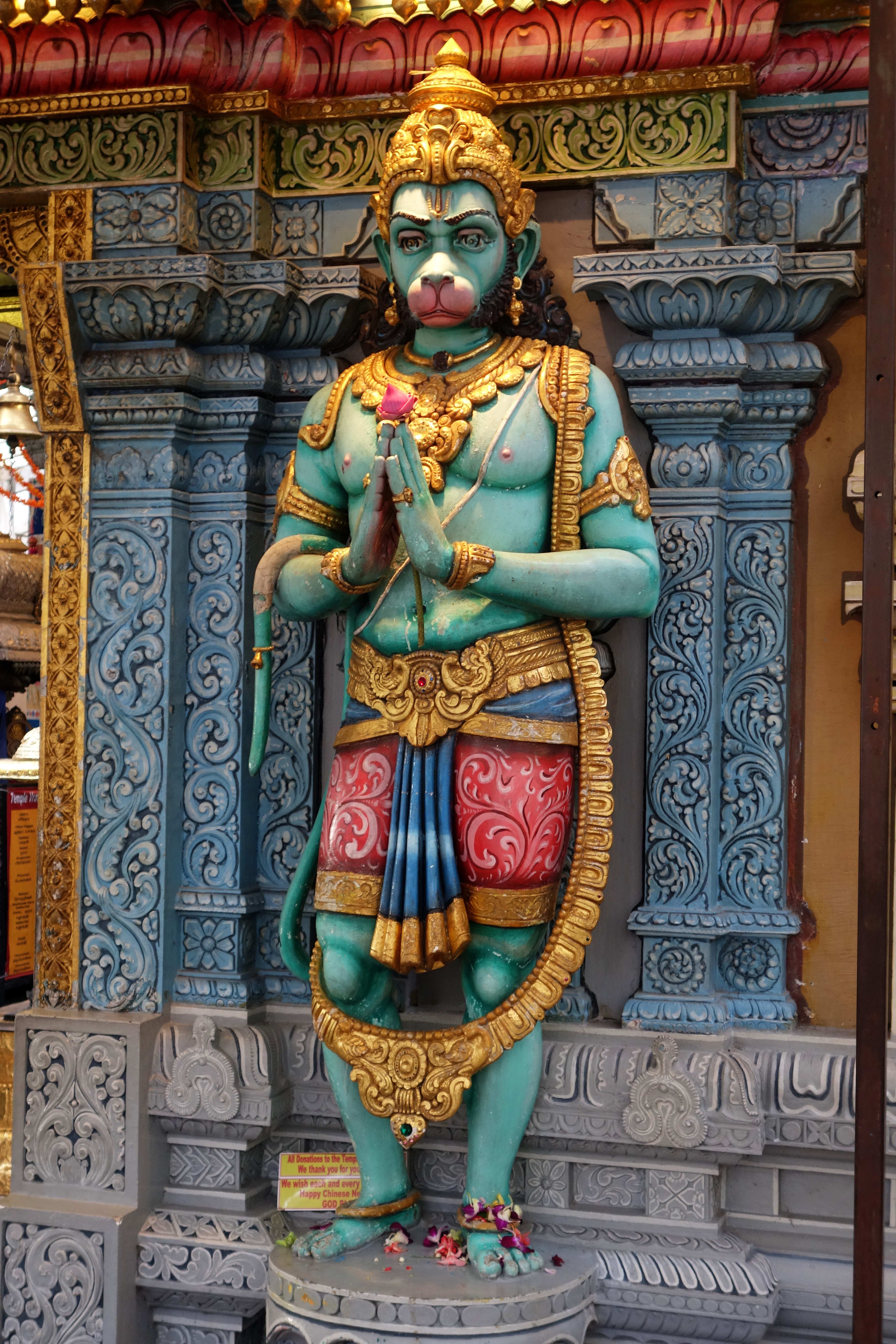
Sankat Mochan Veer Hanuman Mandir
Sankat Mochan Veer Hanuman Mandir in Nashik is a 16th-century temple dedicated to Lord Hanuman, revered as the reliever of troubles and liberator from difficulties.

Laxmi Temple
The Shri Laxmi Narayan Mandir in Tapovan, Nashik, is a serene temple dedicated to Lord Narayan (Vishnu) and Goddess Lakshmi, rebuilt in the 1700s after Mughal destruction and re…

Ganapati Mandir
Shree Navshya Ganapati Mandir in Nashik is an 18th-century temple dedicated to Lord Ganesha, situated on the banks of the Godavari River and revered for its enchanting idol and…
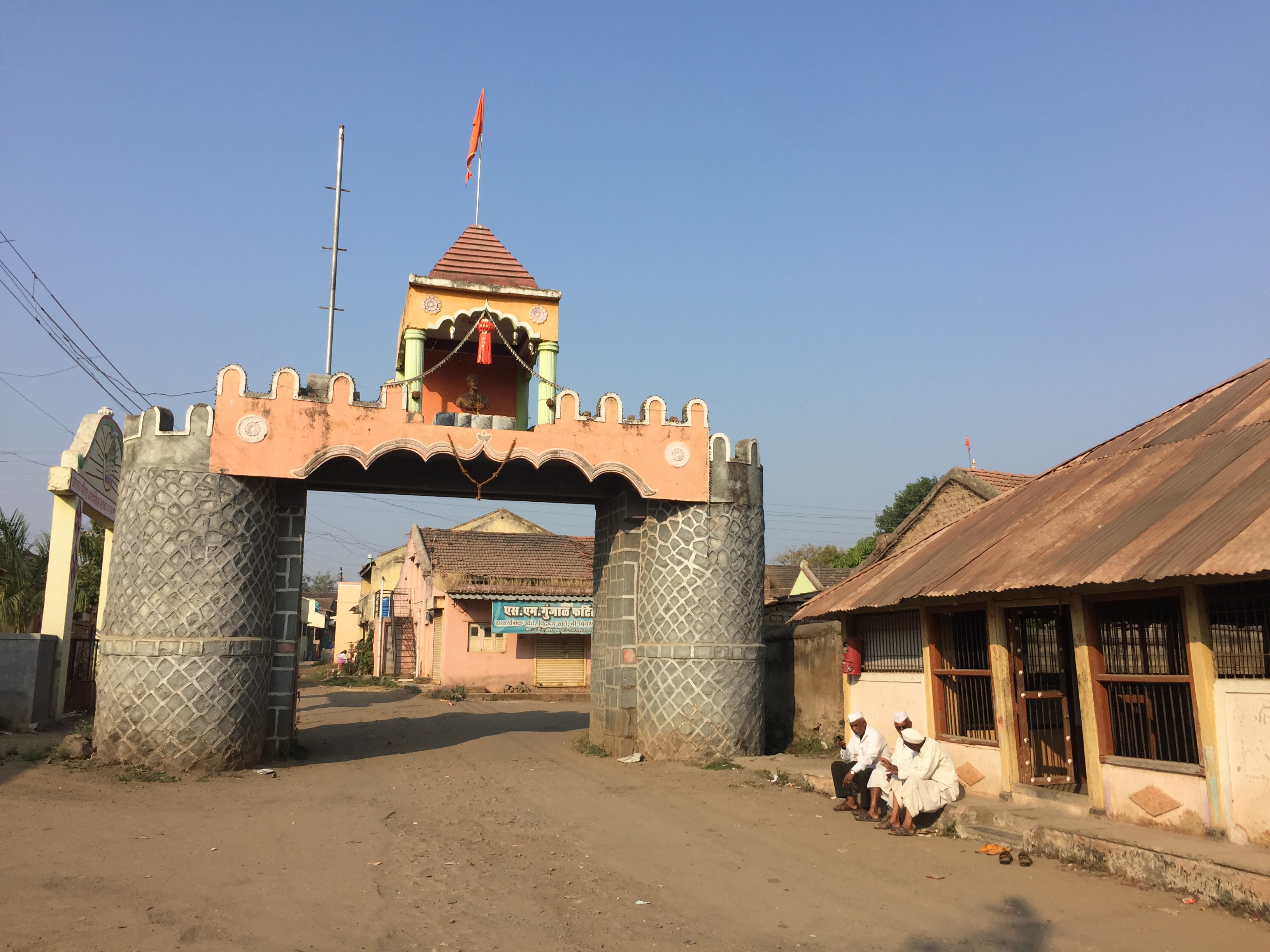
Sant Dnyaneshwar Mauli Mandir
Sant Dnyaneshwar Mauli Mandir in Nashik honors the bhakti saint-poet Dnyaneshwar. The temple operates daily from 6 AM to 9 PM with evening aarti at 7 PM.