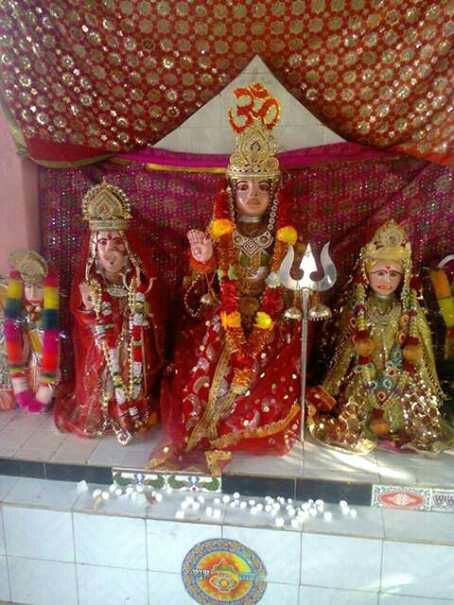


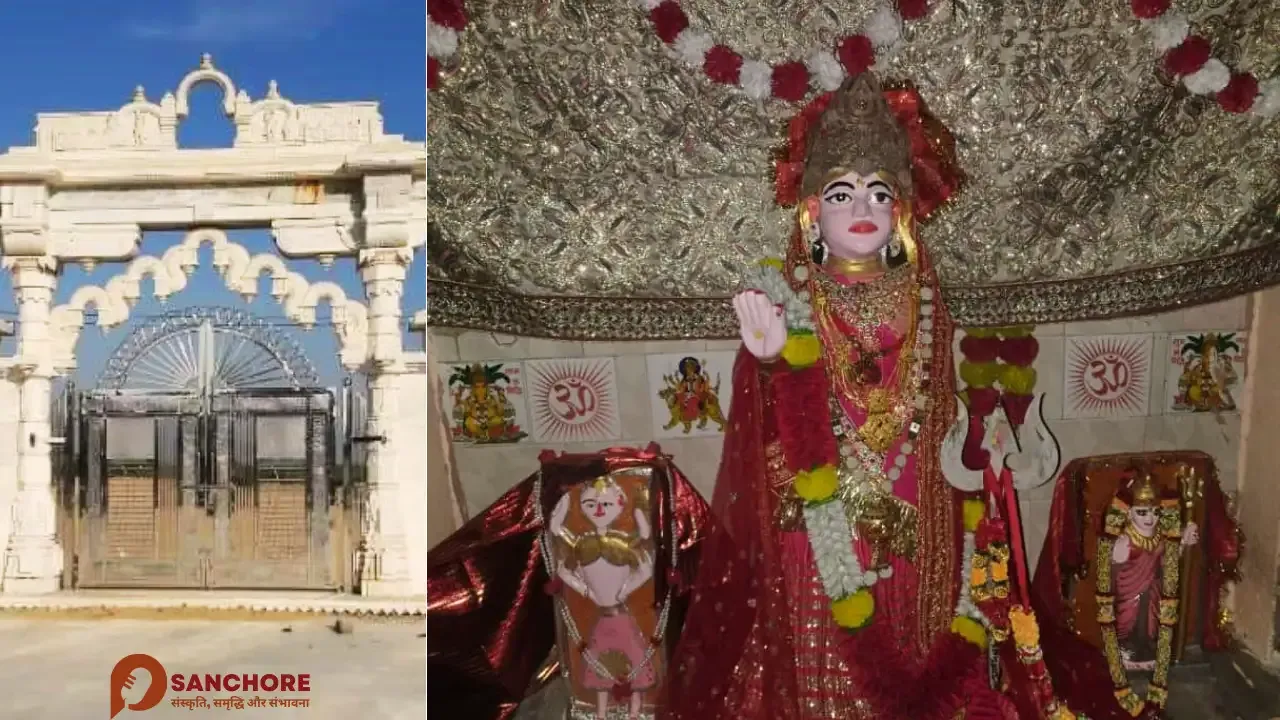
Dhabbawali Mata Temple
About Dhabbawali Mata Temple
The idol installed in this temple represents Dhabbawali Mata in her ancient form. According to local tradition preserved in the temple's history, a devoted worshipper named Dhabbaji performed regular worship and ritual service at this sacred site. The goddess, pleased with this devotion, is said to have granted Dhabbaji a vision of herself. Following this divine encounter, the temple became known by the name of the devoted worshipper, and the goddess herself became identified with Dhabbawali—literally, the goddess associated with Dhabbaji's devotion.
This naming tradition reflects a common pattern in Hindu worship, where the identity of a deity becomes intertwined with the stories of those who served her with particular dedication. The temple thus preserves both the goddess's presence and the memory of the faithful who recognised her.
The Monthly Fair
The most significant gathering at this temple occurs on the full moon day of each month, when a fair is held at the shrine. During these occasions, thousands of devotees arrive to offer their respects at the temple. The full moon gatherings draw worshippers seeking blessings, fulfilling vows, and participating in the collective devotion that characterises these monthly assemblies.
A distinctive practice associated with this temple is that prasad—the blessed food offering distributed to devotees—cannot be taken outside the Khasarvi area. This restriction is particular to this shrine and reflects local custom regarding the sanctity of offerings made within the temple's sacred geography.
Visiting the Temple
The best time to visit Dhabbawali Mata Temple is on the full moon days when the monthly fair takes place. These gatherings offer the most vibrant atmosphere and the opportunity to participate in collective worship alongside other pilgrims. However, the temple remains open to visitors throughout the month for individual darshan.
Visitors should be prepared for the terrain and climate of rural Rajasthan. The village setting means that facilities may be limited compared to larger urban temples. Modest dress is appropriate when visiting any Hindu temple; women typically wear salwar kameez or sarees, while men wear simple clothing. Shoes should be removed before entering the inner sanctum. As with most Hindu temples, it is customary to approach the deity with respect, circumambulate the shrine if permitted, and accept any prasad offered by temple attendants.
Reaching Khasarvi
The temple is located in Khasarvi village in Sanchore district. Visitors travelling from Sanchore town should plan for approximately 35 kilometres of travel north-west. The journey requires private transport, as public connectivity to this rural location may be limited. Those planning to visit during the full moon fair should allow extra time for travel, as the roads may be congested with other pilgrims during these gatherings.
Visitors from Gujarat and other neighbouring states have historically made this journey, indicating that the temple is accessible to those willing to undertake regional travel. Planning the visit in advance, particularly if travelling during a full moon fair, will ensure a smoother pilgrimage experience.
How to reach
You may also visit
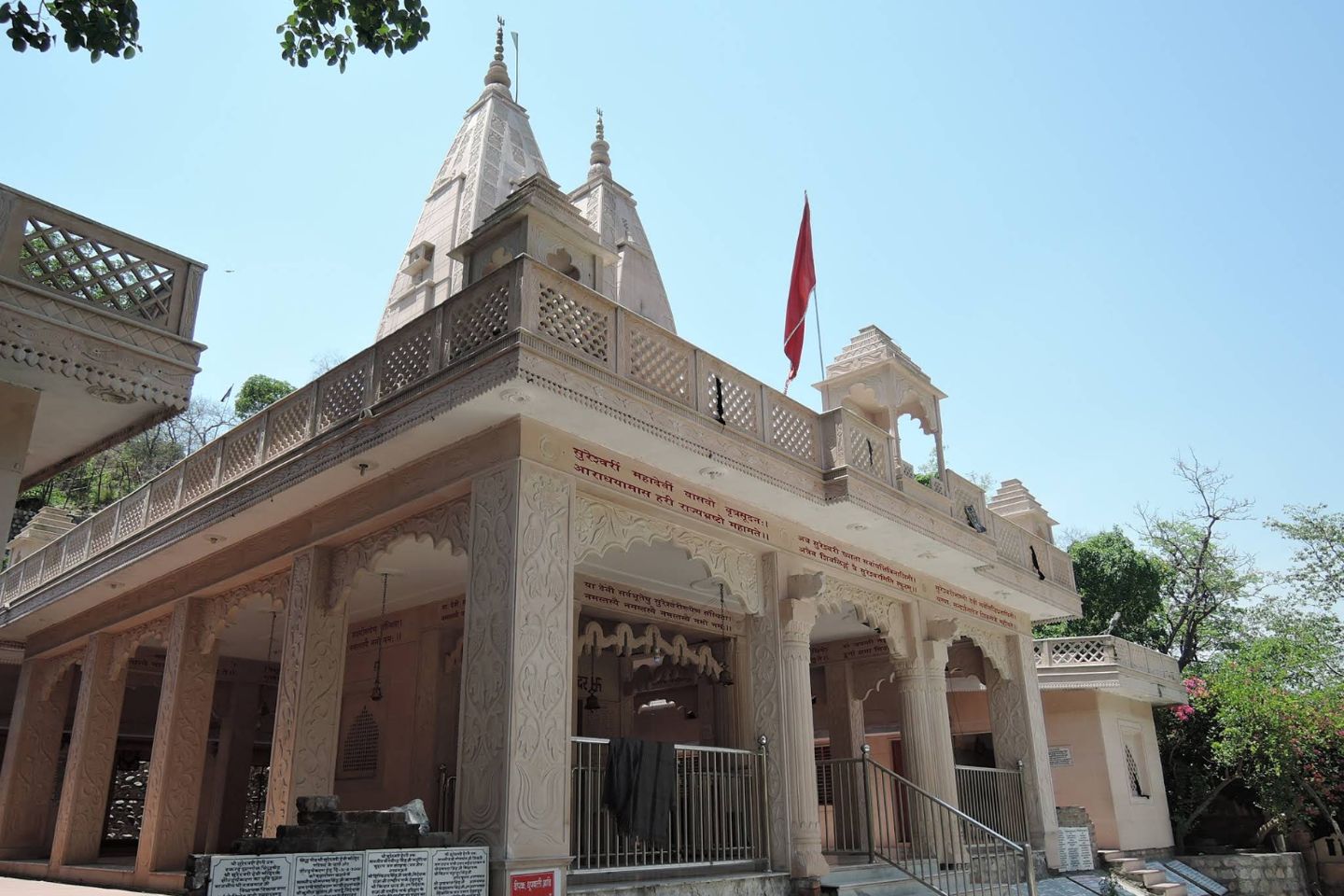
Sureshwari Devi Temple
Sureshwari Devi Temple in Haridwar is a forest shrine dedicated to the goddess, situated within the Ranipur Range area near Rajaji National Park, offering a secluded spiritual e…
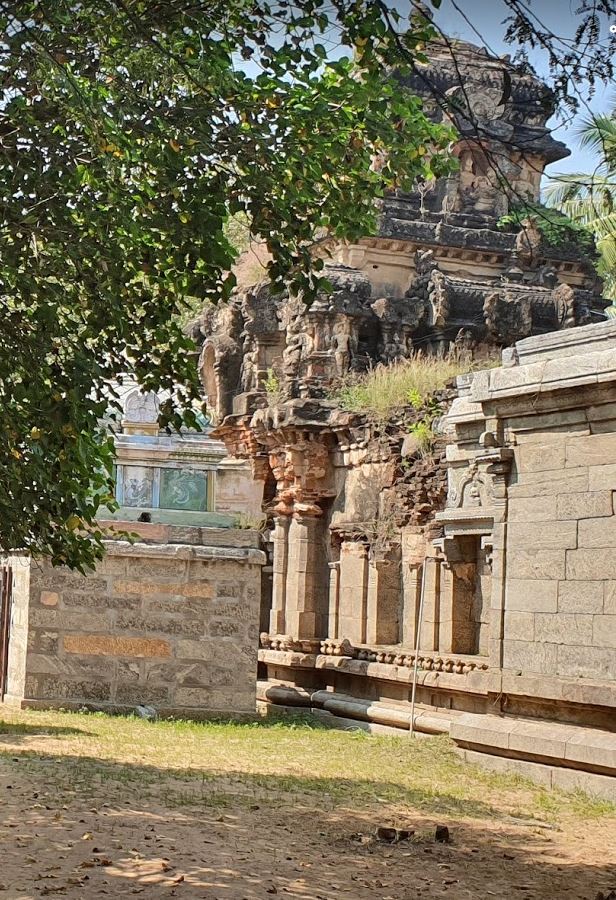
Agatheeswarar Temple, Karur
Agatheeswarar Temple in Thirumukkudalur, Karur district, is an ancient Hindu shrine dedicated to Shiva, situated at the sacred confluence of three rivers and believed to be over…

Shani Shingnapur
Shani Shingnapur is a renowned temple in Maharashtra dedicated to Lord Shani, featuring a self-emerged black stone idol worshipped under open sky. The temple is located in a uni…
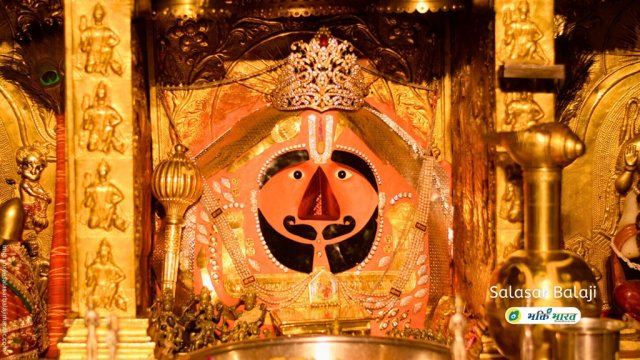
Salasar Balaji Temple
Salasar Balaji Temple in Churu district, Rajasthan, is a revered shrine dedicated to Lord Hanuman, distinguished by its unique depiction of the deity with a round face, beard, a…
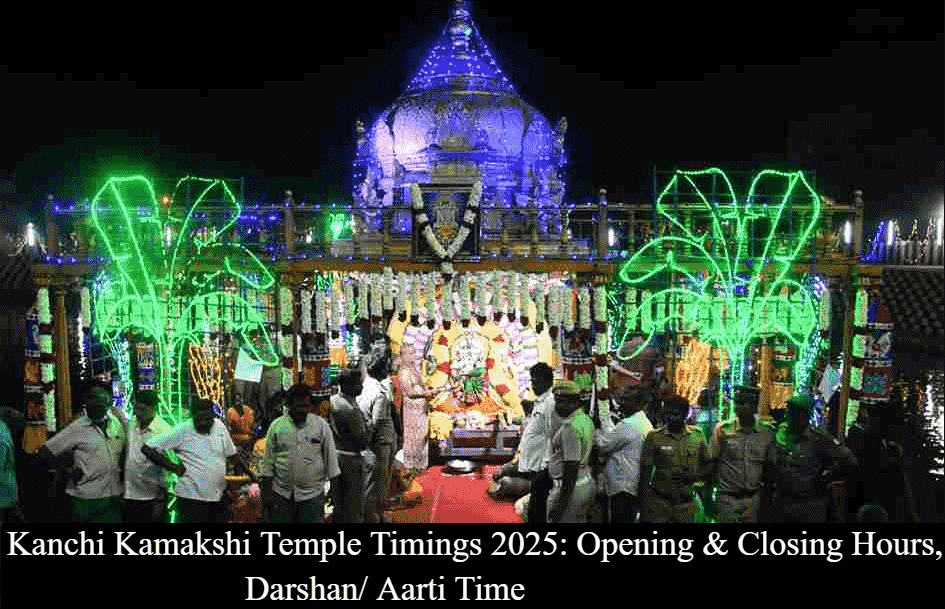
Kamaksha
Arulmigu Kamakshi Amman Temple in Mangadu, near Chennai, is dedicated to the goddess Kamakshi, an aspect of Adi Parashakti. According to legend, the goddess performed austeritie…
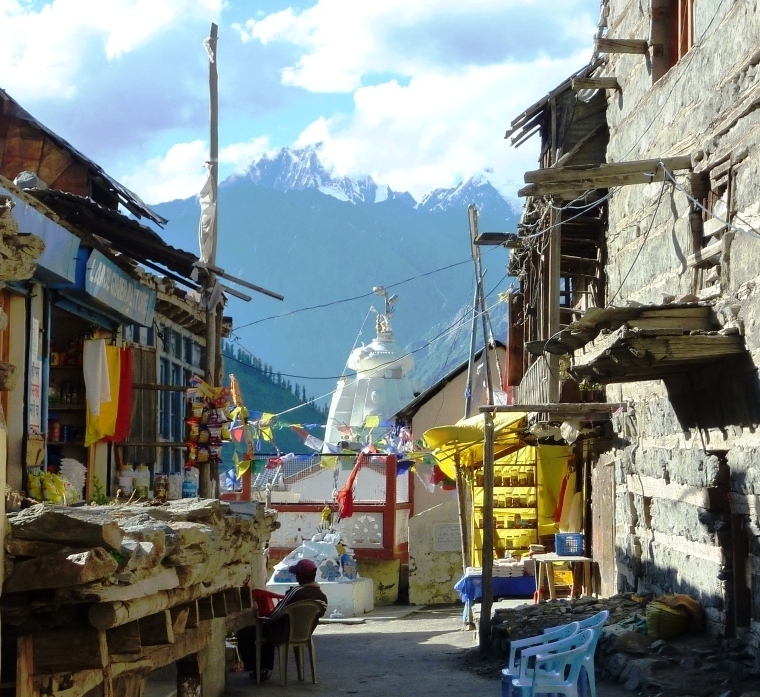
Trilokinath Temple at Tunde
The Trilokinath Temple in Tunde is an ancient shrine venerated by both Hindus and Buddhists, situated at 2,760 metres in the Lahul and Spiti District of Himachal Pradesh. Hindus…