Dakshinkali Temple
About Dakshinkali Temple
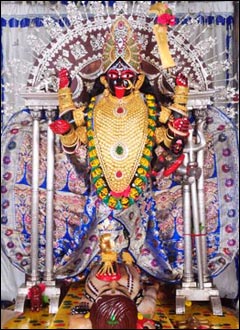
The defining characteristic of worship at Dakshinkali Temple is animal sacrifice, which forms the primary means through which devotees honor the goddess. Cockerels and uncastrated male goats are the animals most commonly offered, though other creatures are also brought by worshippers. This practice is not peripheral to the temple's religious life but central to it, reflecting ancient Tantric and Shakta traditions of goddess worship found across the Hindu world.
Visitors should understand that this is active, ongoing religious practice rather than a historical or symbolic element. Those who find animal sacrifice philosophically or emotionally difficult should carefully consider whether a visit aligns with their comfort level. The practice becomes especially visible and intensive during the Dashain festival, when the volume of offerings increases substantially and the ritual atmosphere intensifies.
Dashain and Peak Pilgrimage Times
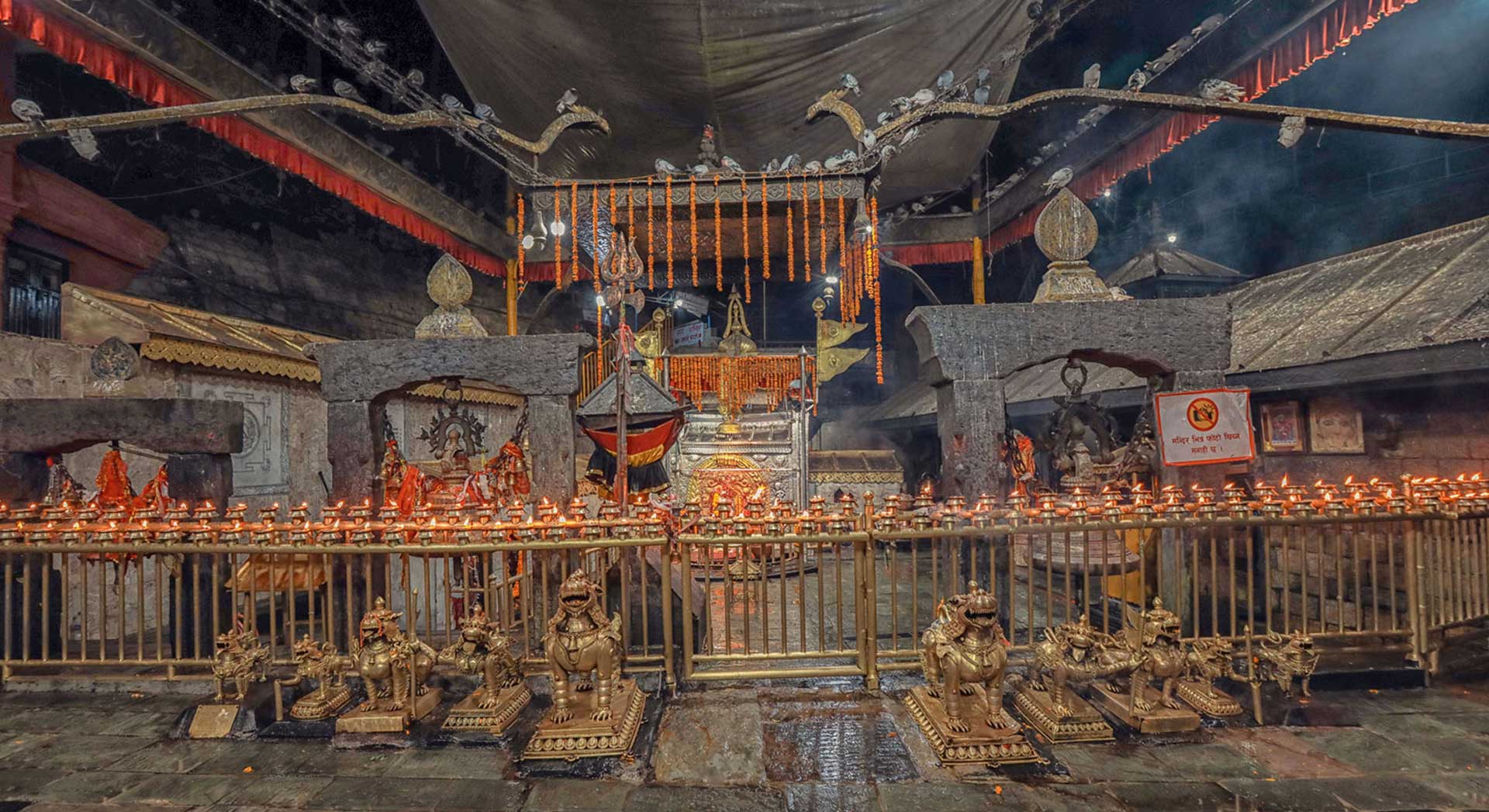
Dashain festival represents the most significant occasion in the temple's annual cycle. During this period, the shrine receives its largest gatherings of devotees, the temple receives special decoration, and the full ceremonial life of the sanctuary becomes most visible. The festival transforms the temple into a center of intense devotional activity, making it the ideal time for those seeking to experience the temple's religious significance at its fullest.
Beyond Dashain, Saturdays and Tuesdays draw notably larger numbers of worshippers than other days of the week, making these days secondary peaks for pilgrimage. Visitors planning a trip should factor these patterns into their scheduling, as crowds and the availability of priest attention will vary accordingly.
Daily Worship and Ritual Schedule
The temple opens at 06:00 each morning for darshan, the viewing and worship of the deity. This early opening aligns with Hindu temple tradition, which considers dawn hours especially auspicious for spiritual practice. The morning darshan window remains open until 11:30, at which point the temple closes for daily rituals and does not reopen until the following morning.
A noon ritual takes place at 12:00, and the evening aarti—the ceremonial waving of lights before the deity—occurs at 18:00. Visitors should plan their visits within the 06:00 to 11:30 morning window if they wish to enter the sanctum. Those interested in witnessing the evening aarti should note that this ritual occurs outside the main darshan hours and may have different access arrangements; local inquiry is advisable.
What to Bring and How to Prepare
Specific information about dress codes or photography policies at Dakshinkali Temple is not detailed in available sources, so visitors should seek current guidance from temple staff or local contacts before arrival. Standard Hindu temple etiquette applies: shoes are removed before entering sacred spaces, and respectful behavior during active worship is essential. Visitors should be prepared for the reality of animal sacrifice and the sights, sounds, and smells associated with it.
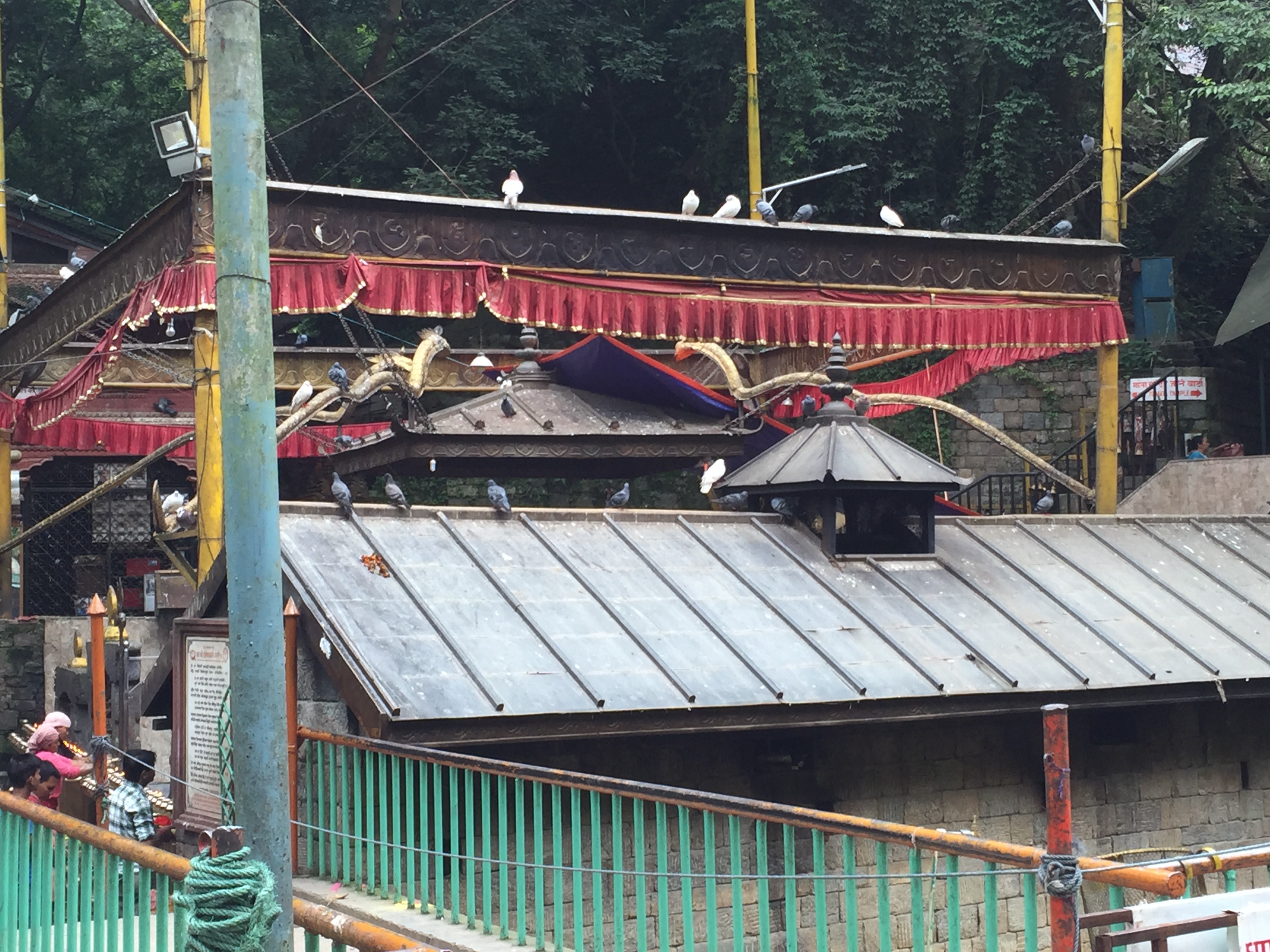
The temple grounds include facilities for parking vehicles and picnic areas, suggesting that the site accommodates day visitors and families. However, detailed information about amenities, refreshment options, or other visitor services is not available from current sources. Travelers are advised to contact the temple directly or seek local guidance about what facilities exist and what visitors should bring.
Reaching Pharping and the Temple
Dakshinkali Temple is located in Pharping village at coordinates 27.58333333, 85.25, accessible via the Pharping-Kulekhani Road. The temple's contact information is available through the Dakshinkali Religious and Cultural Development Committee: telephone 01-4710618 or email dakshinkalicbs@gmail.com. Current sources do not provide detailed transportation directions from major cities or specific information about bus routes, taxi services, or walking routes to the temple. Visitors should contact the temple directly or seek guidance from local tourism resources in Nepal for current travel information and the most practical route from their starting point.
How to reach
Temples near Dakshinkali Temple
Sheshnarayan Temple
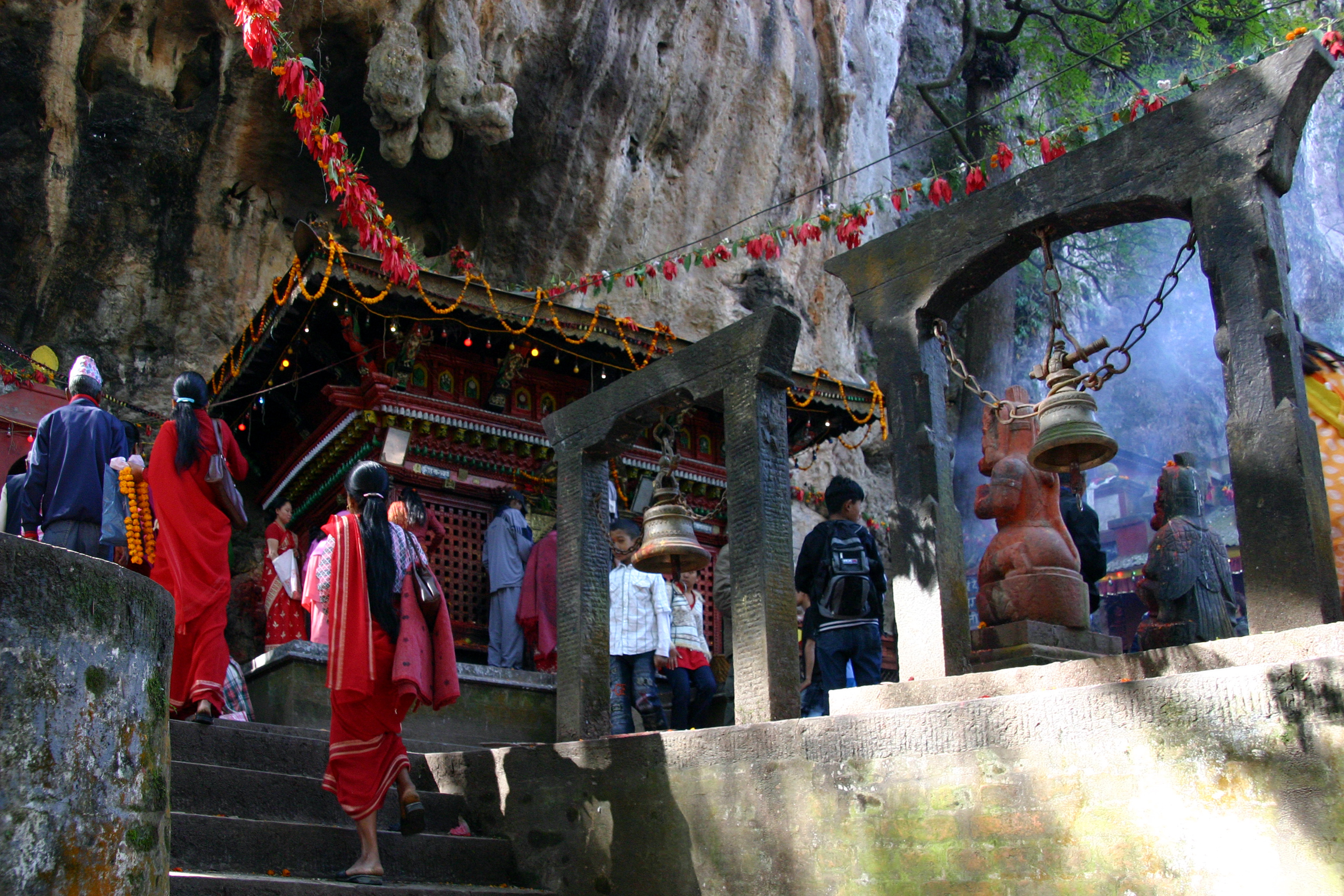
Sheshnarayan Temple is an ancient Hindu temple complex located near Pharping in the Kathmandu Valley, approximately 20 kilometers southwest of Kathmandu, Nepal.
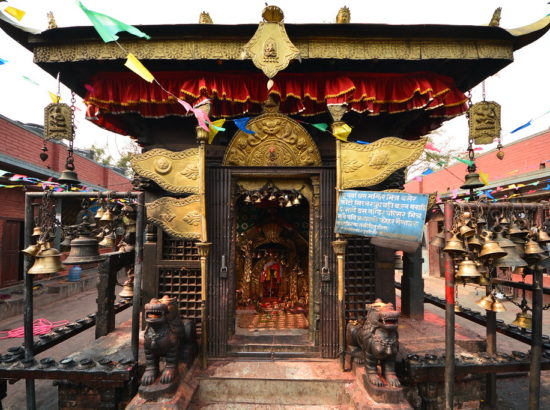
Karya Binayak Temple
Karya Binayak Temple is a Hindu shrine dedicated to Lord Ganesh located in Lalitpur District, approximately 10 kilometres south of Kathmandu. Devotees worship here before beginn…
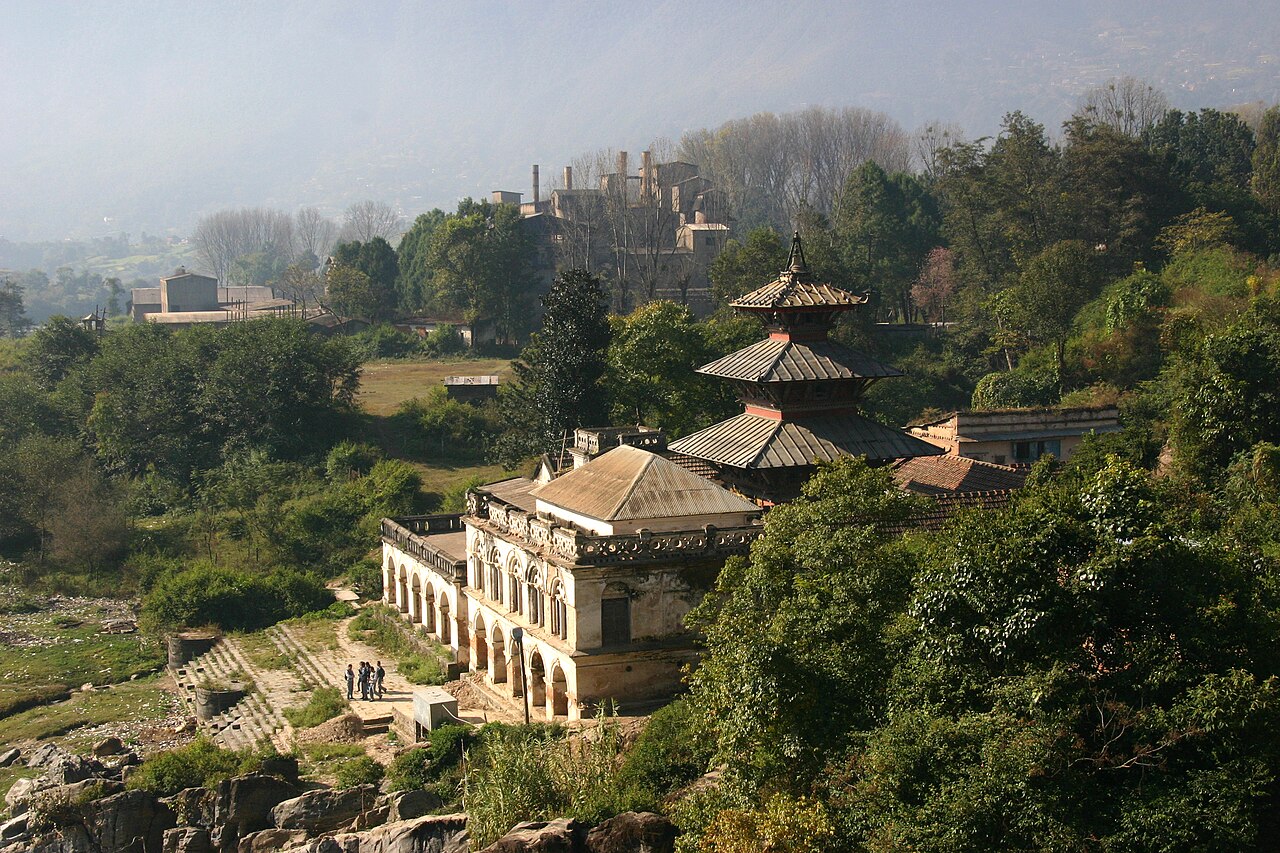
Jal Binayak Temple
Jal Binayak Temple is a sacred Hindu shrine dedicated to Lord Ganesh located in Chobhar, Kathmandu Valley, Nepal. It stands as one of the four principal Ganesh temples of the va…
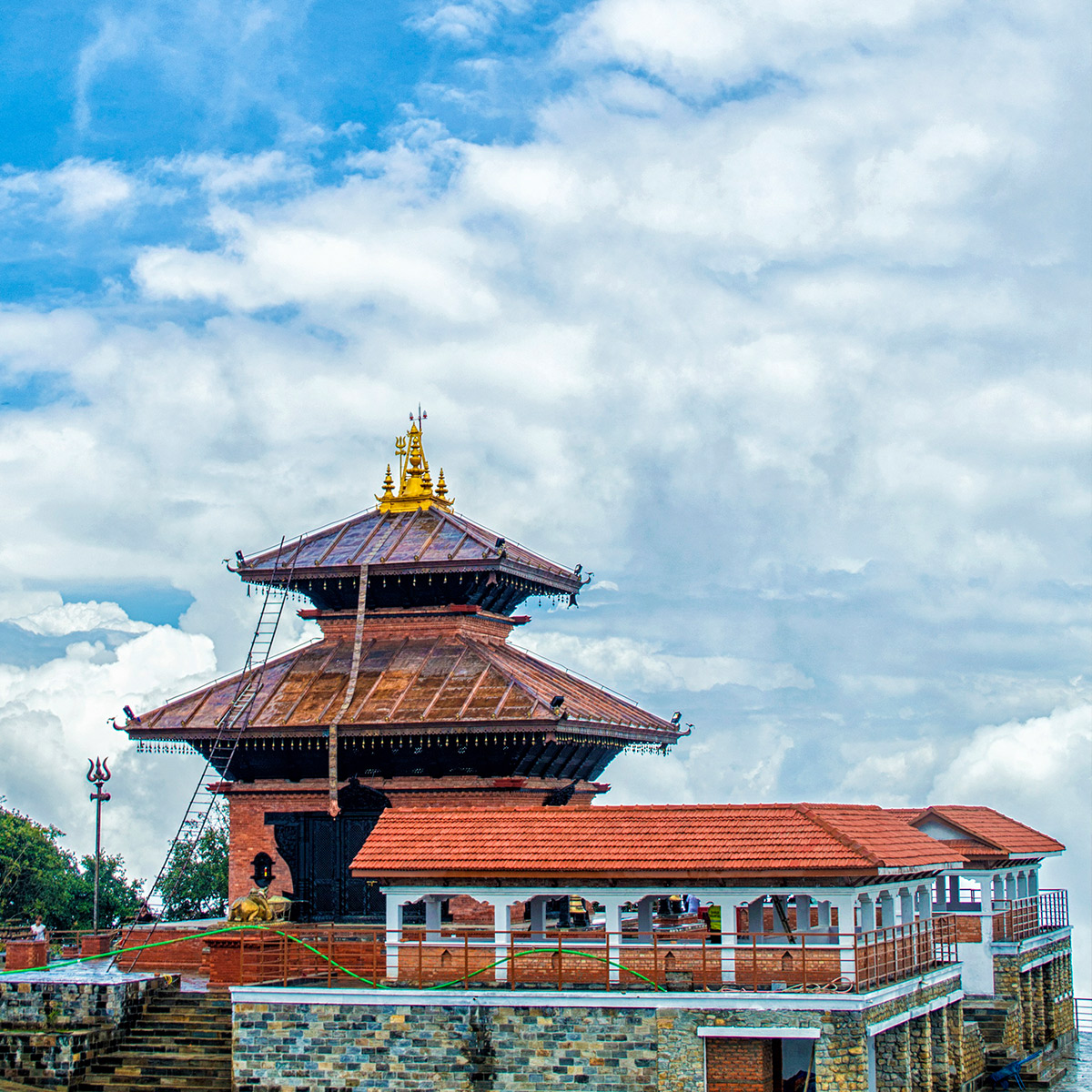
Bhaleshwor Mahadev Temple
Bhaleshwor Mahadev Temple, perched at 2,551 meters on Chandragiri Hill southwest of Kathmandu, is a sacred Hindu shrine dedicated to Lord Shiva believed to mark where the goddes…
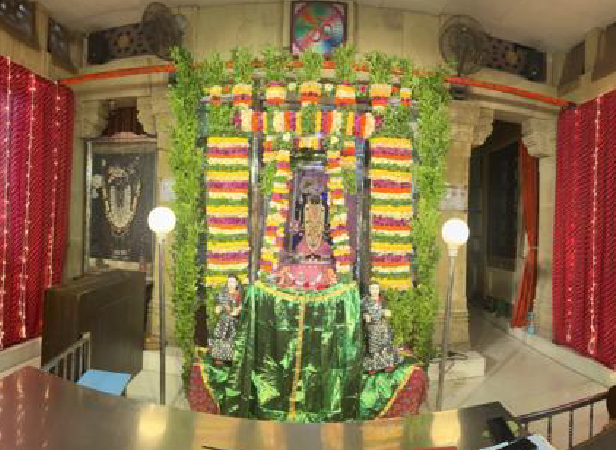
Krishna Mandir
Shree Dwarkadhishji Mandir in Mumbai is a historic Hindu temple dedicated to Lord Krishna, worshipped as Dwarkadhish ('King of Dwarka'), standing for over 150 years as a promine…

Kumbheshwar Temple
Kumbheshwar Temple is one of Patan's oldest Hindu temples, a five-story structure built in the 14th century by King Jayasthiti Malla and dedicated to Shiva, distinguished by its…