Daitya Sudan Temple
About Daitya Sudan Temple
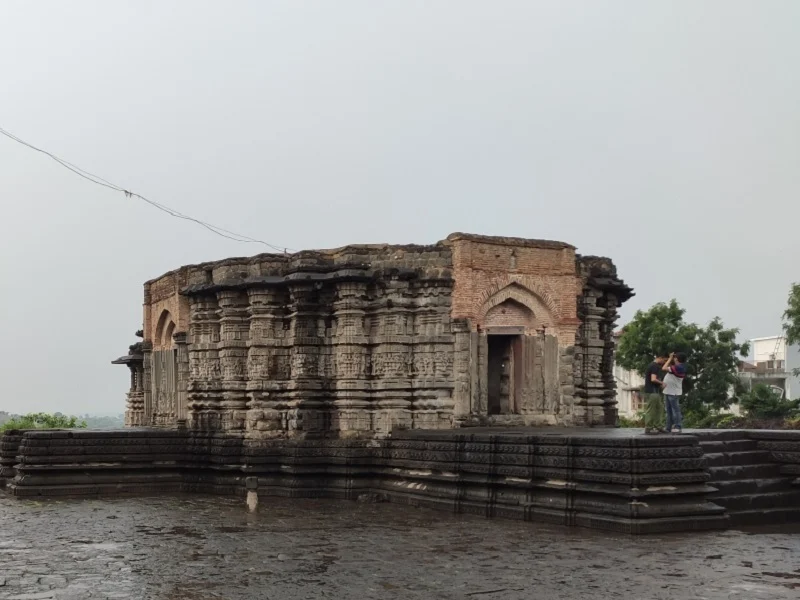
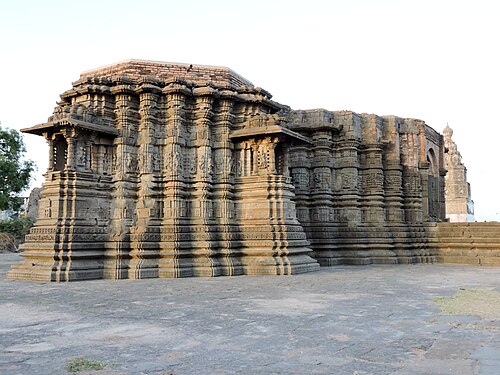
The temple occupies a location near Lonar Lake, a crater lake that forms the geographical and cultural heart of the region. This lakeside setting places the temple within a landscape of geological and historical significance. The broader Lonar area contains other monuments and religious sites, making the temple part of a larger heritage landscape rather than an isolated structure. Visitors typically explore the temple as part of a wider visit to the Lonar region.
Visiting Practicalities
The temple opens daily from 07:00 to 20:30. Entry is free. The site lies approximately 140 kilometres from Chhatrapati Sambhajinagar (formerly Aurangabad) by road. Within Lonar itself, the temple is accessible by car or auto-rickshaw through local streets, followed by a short walk. Limited parking exists in surrounding streets rather than in a dedicated area. The walk to the temple is generally easy, though visitors should expect uneven historic stone surfaces underfoot. The visit typically requires 30 to 60 minutes.
Early morning and late afternoon offer the most pleasant conditions for exploration. Crowd levels remain low to moderate on most days, though weekends and religious occasions may see increased visitors. The site suits visitors of various ages—children may visit with supervision, and seniors comfortable with short walks on uneven surfaces will manage the terrain. Wheelchair access is not feasible due to the historic stone surfaces and structural constraints.
What to Bring and Know
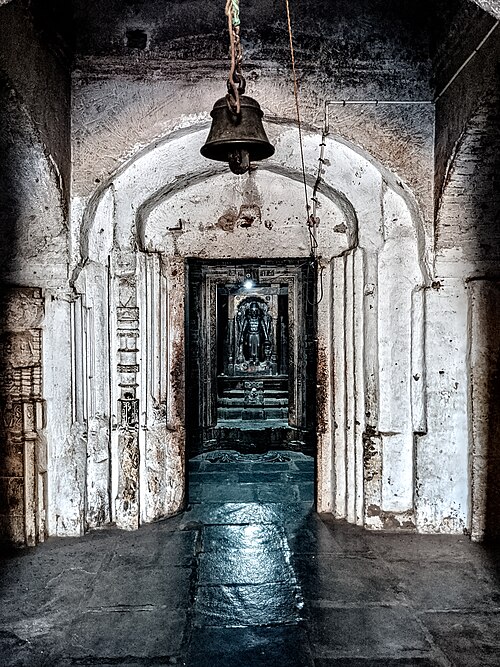
Visitors should carry a torch or flashlight to view the interior carvings and architectural details, as natural light penetrates poorly into the temple's inner spaces. Comfortable walking shoes with good grip are advisable given the uneven stone surfaces. Standard temple etiquette applies: remove footwear before entering sacred spaces, and dress respectfully—loose, modest clothing that covers shoulders and knees aligns with temple conventions. Photography policies should be confirmed locally before visiting, as practices may vary.
The temple's age means some surfaces are fragile; visitors should move carefully and avoid touching carved surfaces unnecessarily. The site has no large facilities such as restaurants or shops immediately adjacent, so visitors should plan accordingly and bring water, particularly if visiting during warmer months.
Best Times to Visit
Early morning and late afternoon provide optimal conditions for both comfort and photography. These times also tend to coincide with lower visitor numbers, allowing for quieter exploration. The cooler temperatures of early morning make the walk more pleasant. The site remains open year-round, though local conditions and occasional closures should be confirmed before planning a special visit.
How to reach

You may also visit
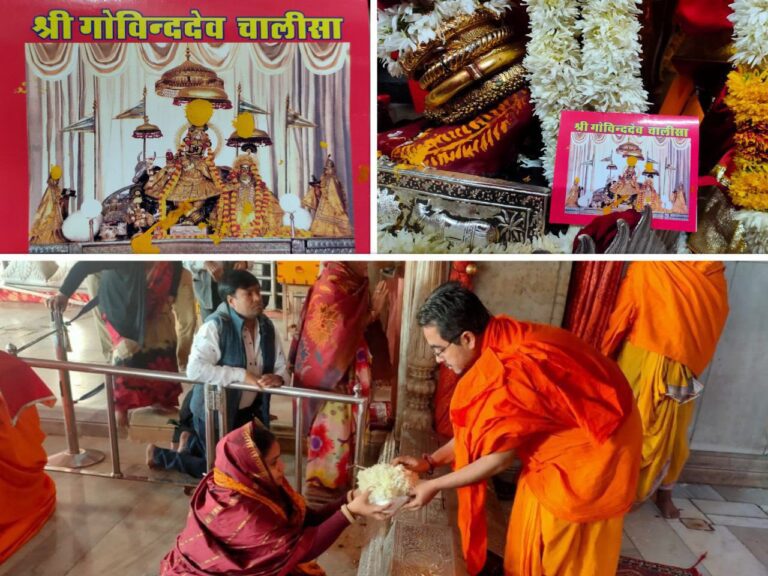
Kalyanji Temple
Kalyanji Temple in Jaipur's Chandpol Bazaar is approximately two centuries old and renowned for displaying the twenty-four avatars of Krishna, visible only twice yearly during Akha Teej and Patottsav festival.
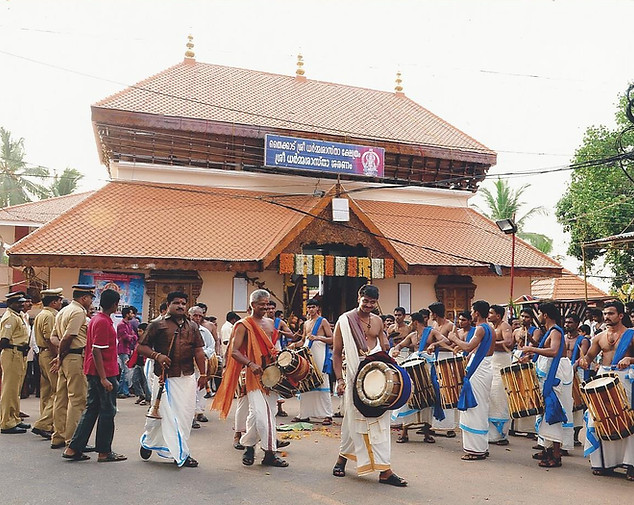
Sastha (Ayyappan) Temple
Sree Dharma Sastha Temple in Thycaud, Thiruvananthapuram, is a centuries-old shrine where the deity manifests as Dhanwanthari, the divine healer, holding the sacred blue lotus.
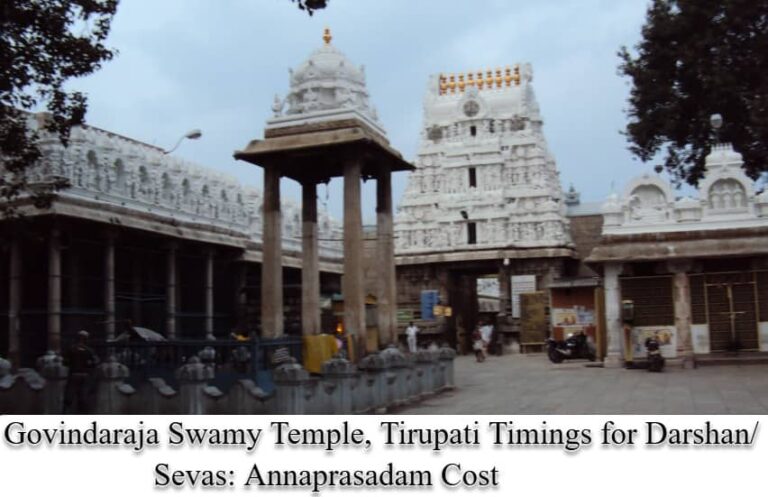
Govindarajaswamy Temple
Sri Govindarajaswamy Temple in Tirupati is an ancient Vaishnavaite shrine consecrated in 1130 AD by Saint Ramanuja, where the presiding deity rests in eternal Yoga Nidra on the serpent Adisesha.