Chota Char Dham
About Chota Char Dham
Each temple maintains its own schedule of darshan and ritual observances, reflecting the distinct practices at each site. Yamunotri opens for darshan from 06:30 to 12:00 and again from 14:00 to 21:00, with morning aarti at 06:30 and evening aarti at 20:15. Gangotri's darshan runs from 06:15 to 14:00 and 15:00 to 21:30, accompanied by morning aarti at 06:15 and evening aarti at 20:00.
Kedarnath operates on a slightly different schedule, with darshan from 06:00 to 15:00 and 17:00 to 21:00. The morning ritual here takes the form of an abhishek at 04:00, followed by evening sandhya aarti at 19:30. Badrinath, the most visited of the four temples, begins its day earliest with a maha abhishek at 04:30, offers darshan until 13:00, resumes from 15:00 to 21:00, and concludes with shayan aarti at 20:30.
Early morning visits align with traditional Hindu practice and typically offer quieter darshan experiences before midday crowds accumulate. Pilgrims planning their visits should note the afternoon closures at some temples, which allow time for ritual preparations and maintenance.
Seasonal Access and Weather
The Himalayan location creates a strict seasonal pattern governing temple access. Heavy snow closes all four sites from November through April, making these months inaccessible to pilgrims. The pilgrimage season divides into two optimal periods, each with distinct advantages.
May and June offer ideal weather conditions and fully open mountain roads, allowing all facilities to operate at full capacity. However, these months attract the largest concentrations of pilgrims and tourists. September and October provide an excellent alternative for those seeking to avoid peak crowds. The post-monsoon season brings clear skies and exceptional visibility of the surrounding Himalayan peaks, while visitor numbers remain considerably lower than in early summer. Pilgrims should plan their visits within these windows and check road conditions before departure, as mountain weather can change rapidly.
Visiting the Circuit
Pilgrims undertaking the Chota Char Dham should prepare for high-altitude mountain travel and variable conditions. The circuit requires substantial time—visiting all four temples cannot be accomplished in a single day, and most devotees allocate several days to the pilgrimage. Accommodation and food facilities exist at each site, though availability varies seasonally and can be limited during peak months.
Modest dress is appropriate at all four temples, following standard Hindu temple etiquette. Visitors should remove footwear before entering sanctums and follow any specific instructions from temple staff regarding photography or ritual participation. The high altitude and mountain terrain demand physical fitness; those with health concerns should consult medical advice before undertaking the journey. Carrying sufficient water, sun protection, and warm clothing is essential, even during the warmer months, as temperatures drop significantly at elevation and weather can shift unexpectedly.
Planning Your Visit
The choice between May–June and September–October depends on individual preferences regarding crowds and weather. Early summer offers the most reliable conditions but requires patience with larger pilgrim numbers and advance booking of accommodation. Autumn provides clearer skies and fewer visitors, making it ideal for those seeking a more contemplative experience.
Visitors should arrive with realistic expectations about travel times between sites and the physical demands of mountain pilgrimage. The journey rewards careful preparation and flexibility, as mountain conditions can necessitate changes to planned itineraries. Consulting current road reports and weather forecasts before departure helps ensure a safe and fulfilling pilgrimage.
How to reach
You may also visit
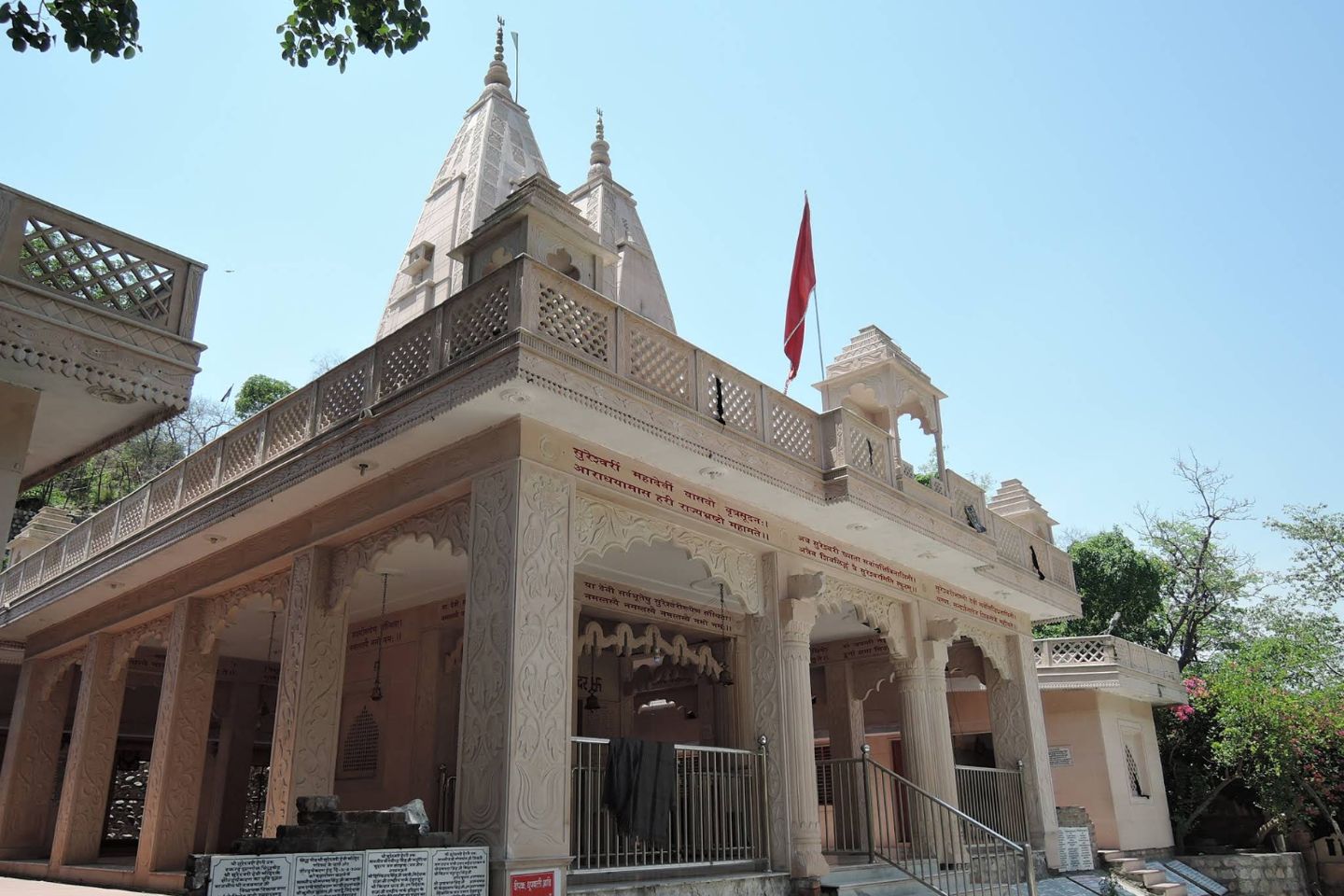
Sureshwari Devi Temple
Sureshwari Devi Temple in Haridwar is a forest shrine dedicated to the goddess, situated within the Ranipur Range area near Rajaji National Park, offering a secluded spiritual e…
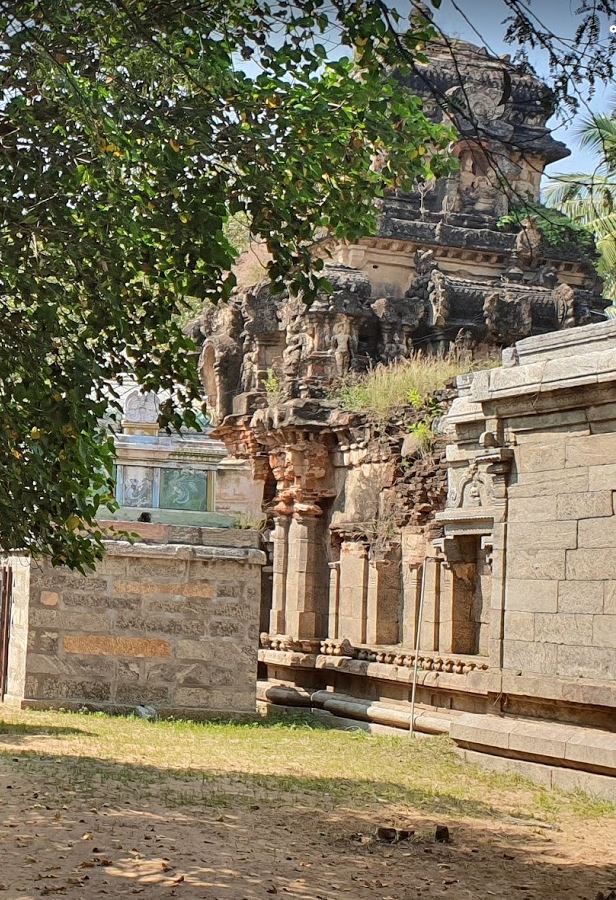
Agatheeswarar Temple, Karur
Agatheeswarar Temple in Thirumukkudalur, Karur district, is an ancient Hindu shrine dedicated to Shiva, situated at the sacred confluence of three rivers and believed to be over…

Shani Shingnapur
Shani Shingnapur is a renowned temple in Maharashtra dedicated to Lord Shani, featuring a self-emerged black stone idol worshipped under open sky. The temple is located in a uni…
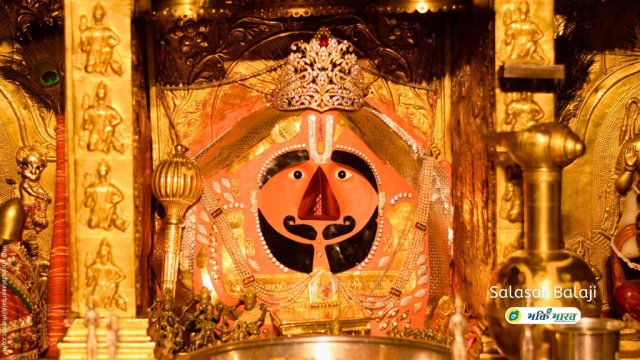
Salasar Balaji Temple
Salasar Balaji Temple in Churu district, Rajasthan, is a revered shrine dedicated to Lord Hanuman, distinguished by its unique depiction of the deity with a round face, beard, a…
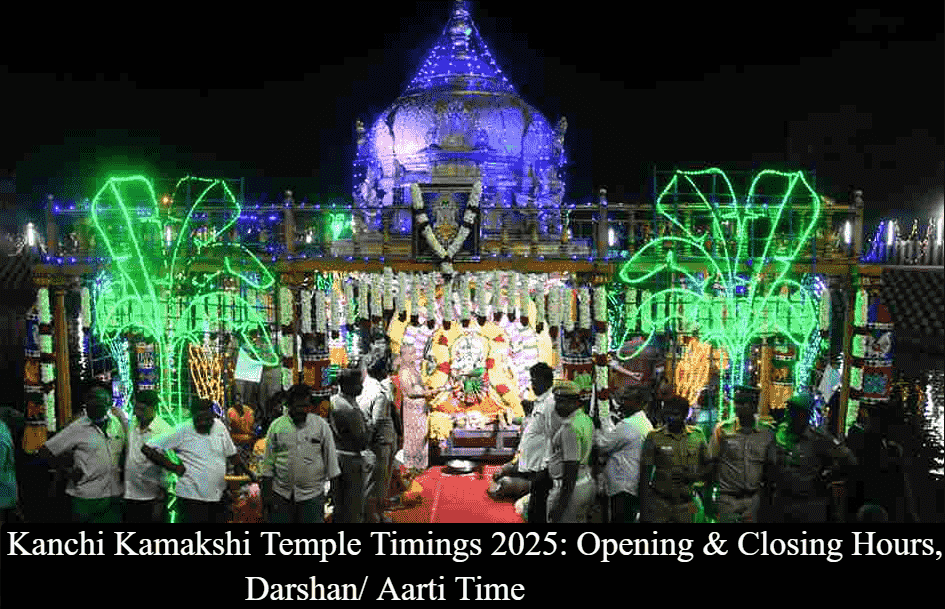
Kamaksha
Arulmigu Kamakshi Amman Temple in Mangadu, near Chennai, is dedicated to the goddess Kamakshi, an aspect of Adi Parashakti. According to legend, the goddess performed austeritie…
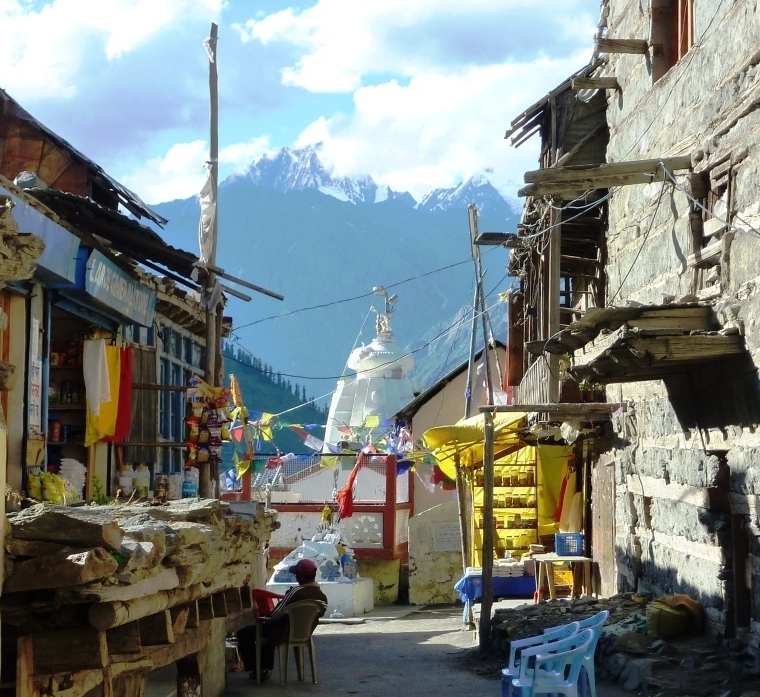
Trilokinath Temple at Tunde
The Trilokinath Temple in Tunde is an ancient shrine venerated by both Hindus and Buddhists, situated at 2,760 metres in the Lahul and Spiti District of Himachal Pradesh. Hindus…