Chhapadeshwar Mahadev Mandir
About Chhapadeshwar Mahadev Mandir
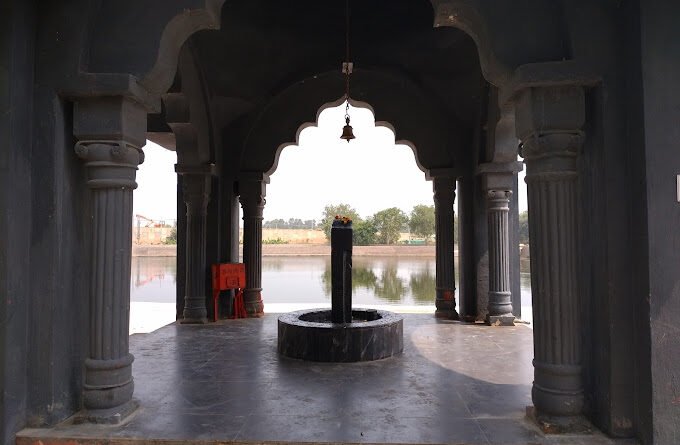
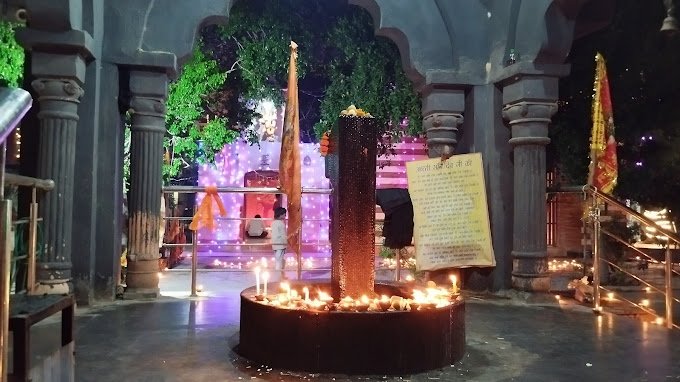
The temple as it exists today owes much to restoration work undertaken in 1991. Before that year, the shrine had fallen into neglect, and both the temple structure and an associated pond faced the risk of being lost entirely. Brahmalin Mahant Shri Krishnadas Maharaj undertook the task of reviving this ancient heritage, constructing a large cave-like temple structure that became the focal point for renewed devotion in the area. This restoration reconnected local communities with their historical and spiritual inheritance, transforming the site into an active place of worship once more.
Worship and Darshan
As a Shiva temple, Chhapadeshwar Mahadev follows the worship practices typical of shrines dedicated to this deity. Devotees perform rituals including jalabhishek—the ritual bathing of the Shiva linga with water—which forms a central act of veneration at the site. The temple management has made arrangements to accommodate worshippers, particularly during periods of high visitation. While specific daily darshan timings are not detailed in available sources, temples of this tradition typically open early in the morning and remain accessible through the day, with evening worship being common practice.
Mahashivratri and Sawan Observances
The temple draws its largest gatherings during Mahashivratri, the festival honouring Shiva, when a substantial fair takes place at the site. Large numbers of kanwariyas—devotees undertaking ritual journeys, often carrying water for jalabhishek—arrive to perform their worship. The month of Sawan (the monsoon season in the Hindu calendar) is also identified as an auspicious time for visiting, as Shiva worship intensifies during this period across Hindu tradition. During Sawan, the temple management arranges special facilities for devotees who wish to stay and participate in extended worship.
Visiting the Temple
Chhapadeshwar Mahadev Mandir is located in Kharkhoda on the Sonipat road, making it accessible to visitors from the surrounding district and state. The best times to visit are during Mahashivratri and throughout the month of Sawan, when the temple is most active and facilities are in place. Visitors should be prepared for crowds during these peak periods. As with most Hindu temples, modest dress is appropriate—covering shoulders and knees is customary. Shoes are typically removed before entering the inner sanctum. The temple management has made efforts to ensure that facilities are available for visiting devotees, though visitors should confirm current arrangements before travelling, particularly if planning an extended stay.
The Sacred Landscape
The temple's location within what was historically the Khandava Forest adds a layer of significance beyond the shrine itself. This forest holds a place in the Mahabharata narrative, and the temple's presence there connects contemporary worship to ancient textual tradition. The associated pond mentioned in historical accounts remains part of the site's geography, linking the physical landscape to the stories and practices that have drawn devotees across centuries. For those interested in both spiritual practice and the historical dimensions of Hindu tradition, this convergence of temple, forest memory, and Mahabharata heritage offers a distinctive context for worship.
How to reach
You may also visit
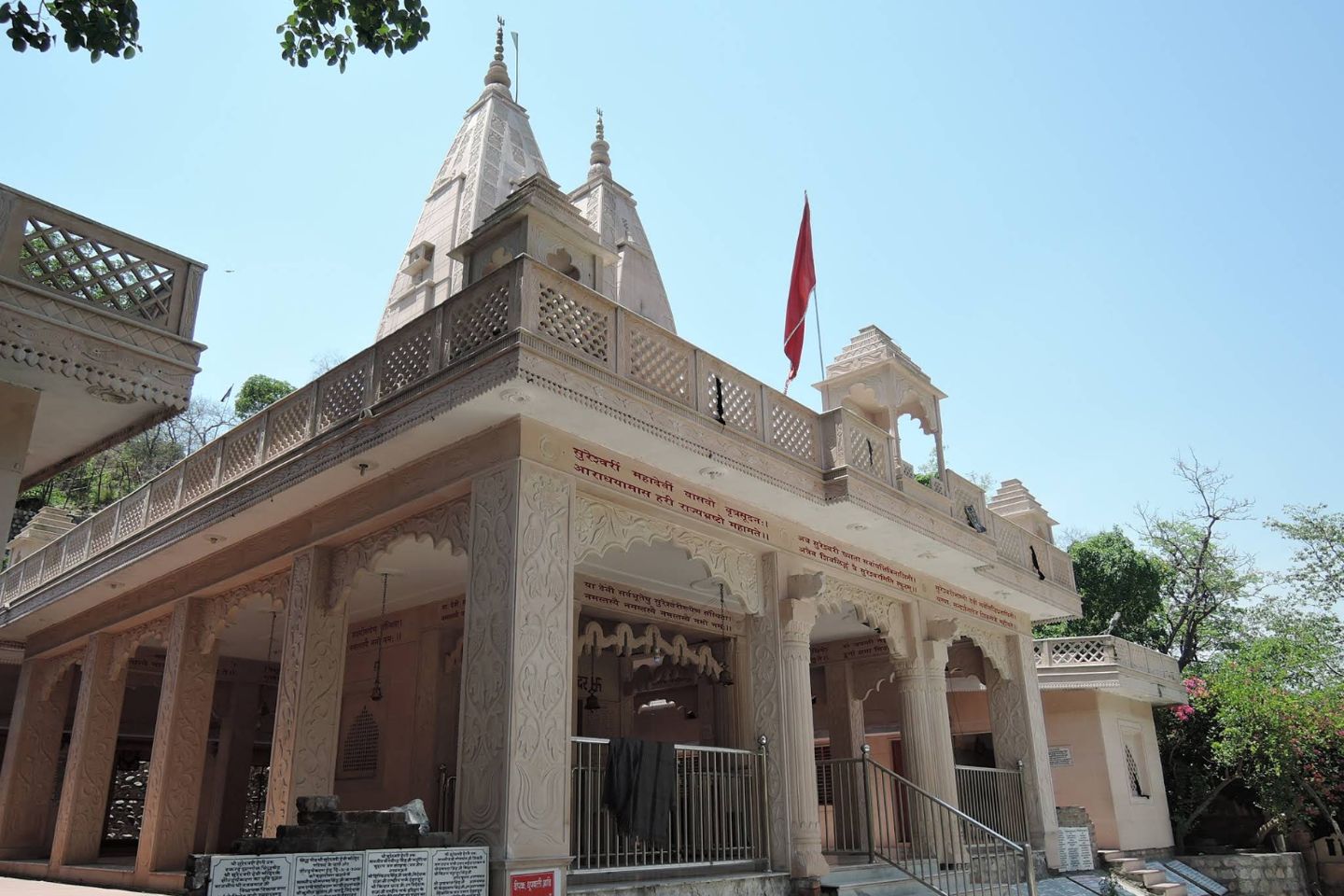
Sureshwari Devi Temple
Sureshwari Devi Temple in Haridwar is a forest shrine dedicated to the goddess, situated within the Ranipur Range area near Rajaji National Park, offering a secluded spiritual e…
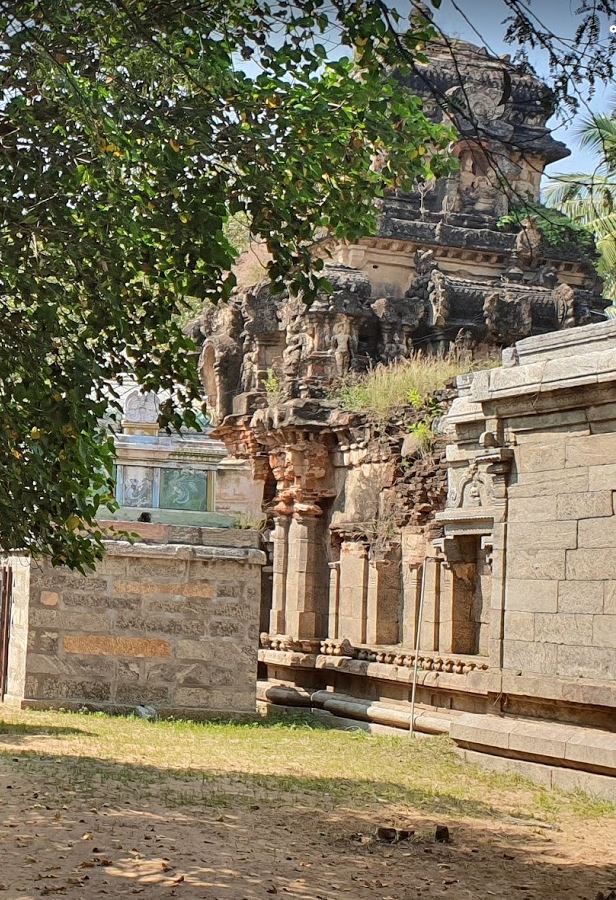
Agatheeswarar Temple, Karur
Agatheeswarar Temple in Thirumukkudalur, Karur district, is an ancient Hindu shrine dedicated to Shiva, situated at the sacred confluence of three rivers and believed to be over…

Shani Shingnapur
Shani Shingnapur is a renowned temple in Maharashtra dedicated to Lord Shani, featuring a self-emerged black stone idol worshipped under open sky. The temple is located in a uni…
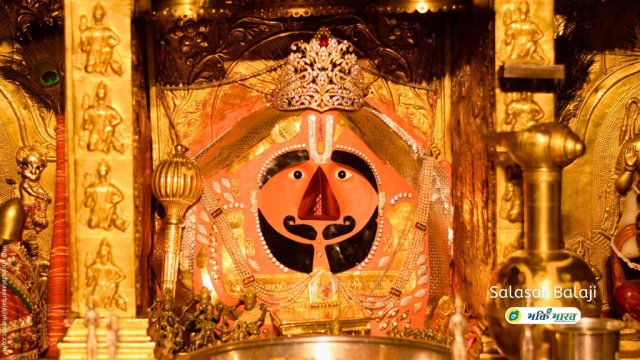
Salasar Balaji Temple
Salasar Balaji Temple in Churu district, Rajasthan, is a revered shrine dedicated to Lord Hanuman, distinguished by its unique depiction of the deity with a round face, beard, a…
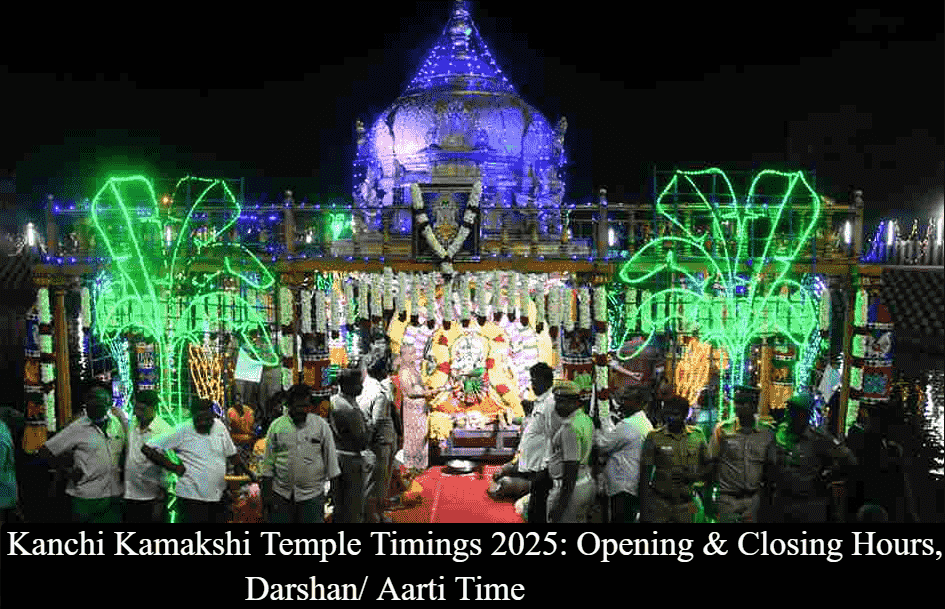
Kamaksha
Arulmigu Kamakshi Amman Temple in Mangadu, near Chennai, is dedicated to the goddess Kamakshi, an aspect of Adi Parashakti. According to legend, the goddess performed austeritie…
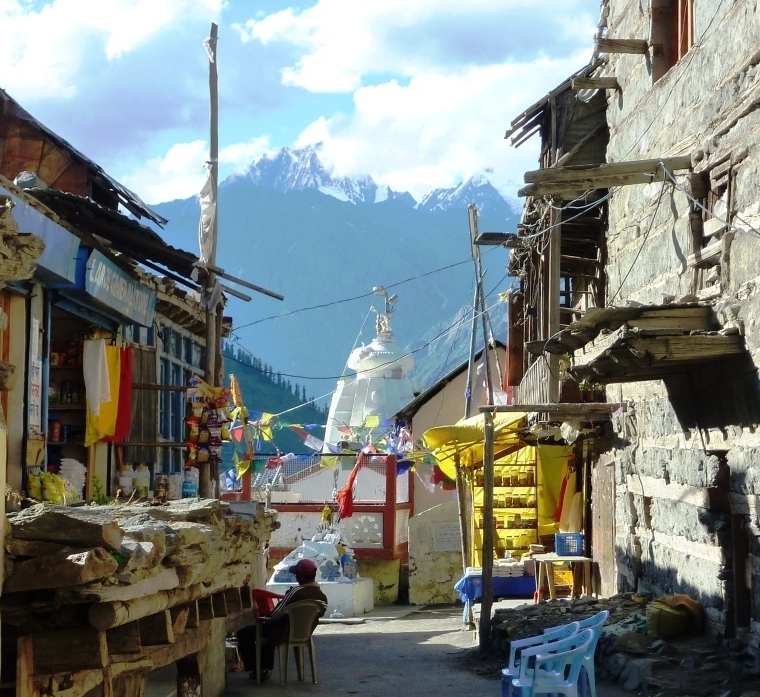
Trilokinath Temple at Tunde
The Trilokinath Temple in Tunde is an ancient shrine venerated by both Hindus and Buddhists, situated at 2,760 metres in the Lahul and Spiti District of Himachal Pradesh. Hindus…