Chausath Yogini Temple, Ranipur Jharial
About Chausath Yogini Temple, Ranipur Jharial
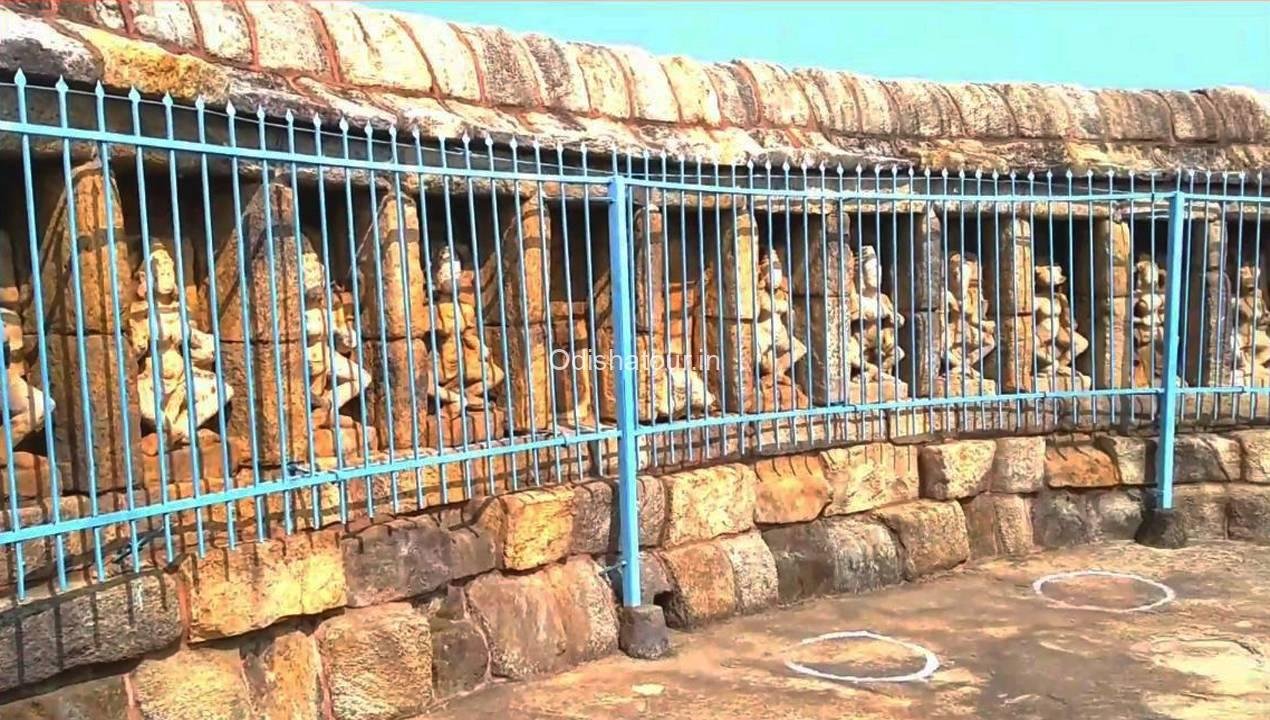
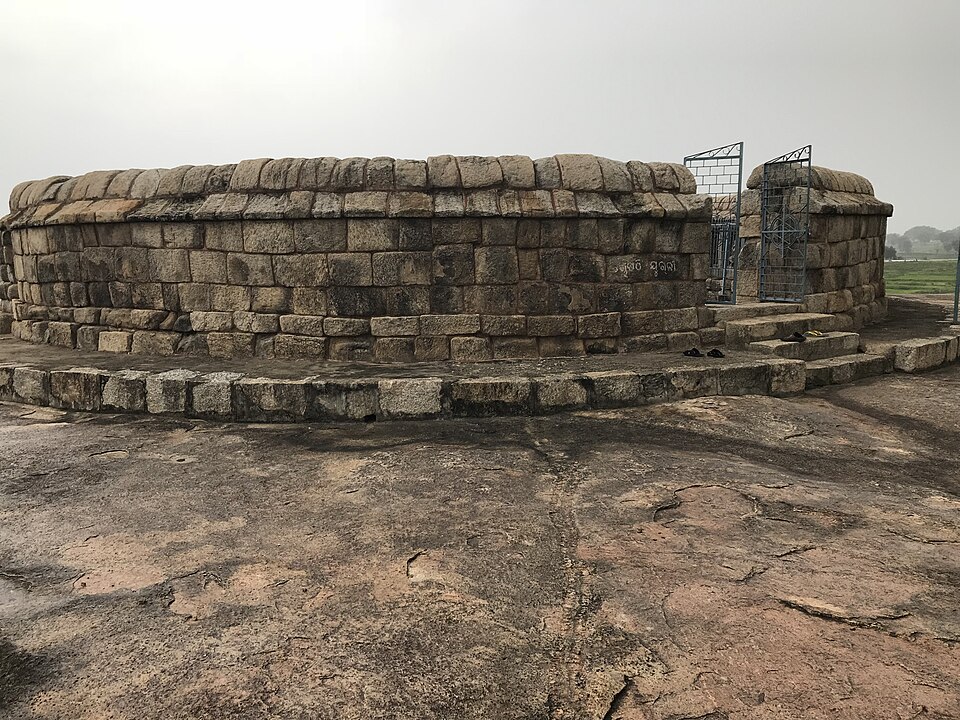
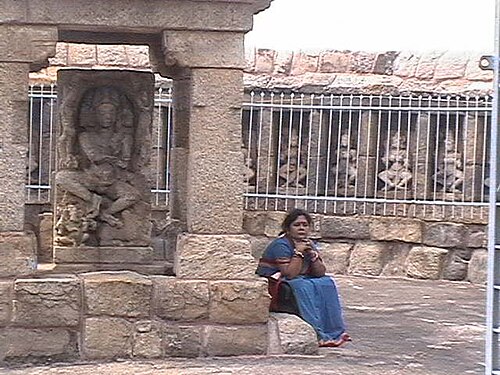
The temple is dedicated to the 64 Yoginis, celestial female beings central to certain tantric traditions within Hinduism. Of the original 64 Yogini images that once ringed the circular wall, 62 survive today. What distinguishes the Ranipur Jharial temple from other Yogini temples across India is the unique depiction of all its Yoginis in the karana pose—a posture of Indian classical dance that suggests movement about to begin. This dancing pose appears across the entire assembly of goddesses, creating a distinctive visual character. Fourteen of the Yoginis are depicted with animal heads, including those of a cat, elephant, snake, horse, buffalo, antelope, leopard, and sow. One leopard-headed figure holds a human corpse, a motif connected to ritual practices within the Yogini tradition.
The Central Shrine and Shiva Worship
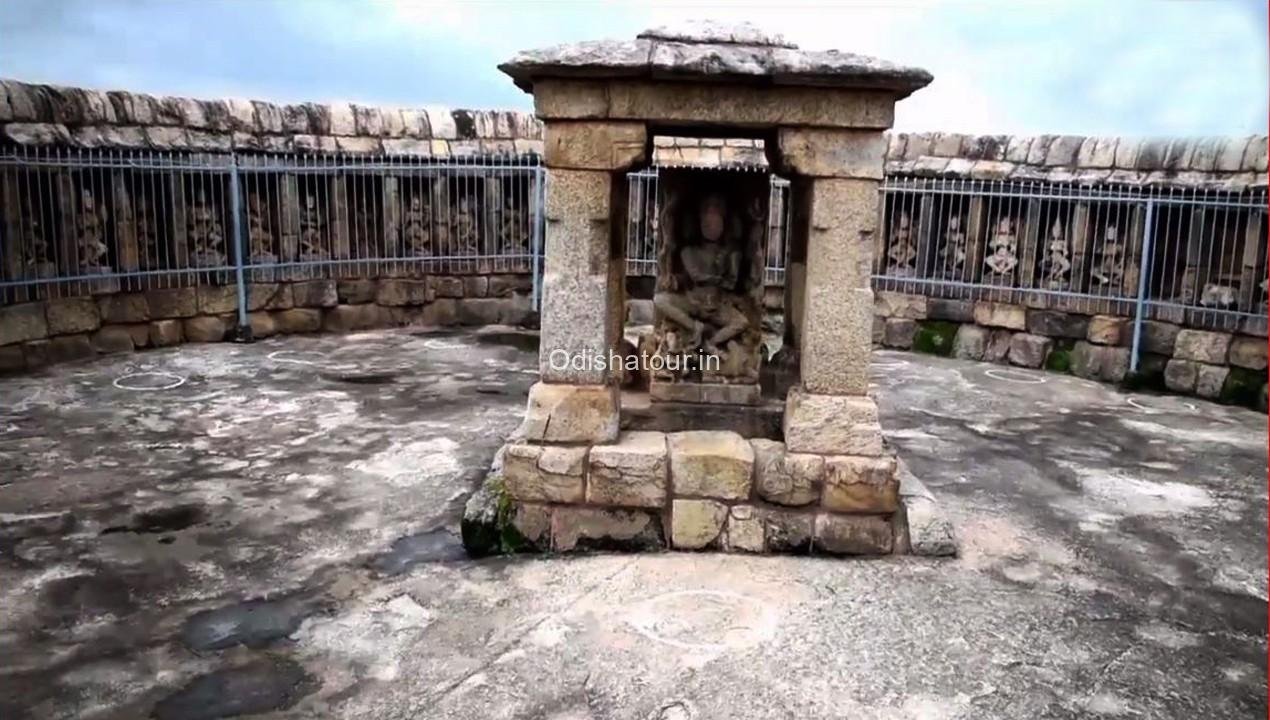
At the heart of the temple stands a simple four-pillared shrine housing the primary deity: Nateshwar, Shiva in his form as Lord of Dance. The image is three-faced and eight-armed, depicted in an erect state (urdhva linga). The base of the sculpture includes representations of Ganesh, the elephant-headed deity, and Nandi, the bull associated with Shiva. An image of Chamunda, a powerful goddess form, also resides within the temple and may once have been housed alongside Shiva in the central shrine. Unlike some other Yogini temples, this site contains no images of the Matrikas, the mother goddesses.
Architecture and Design
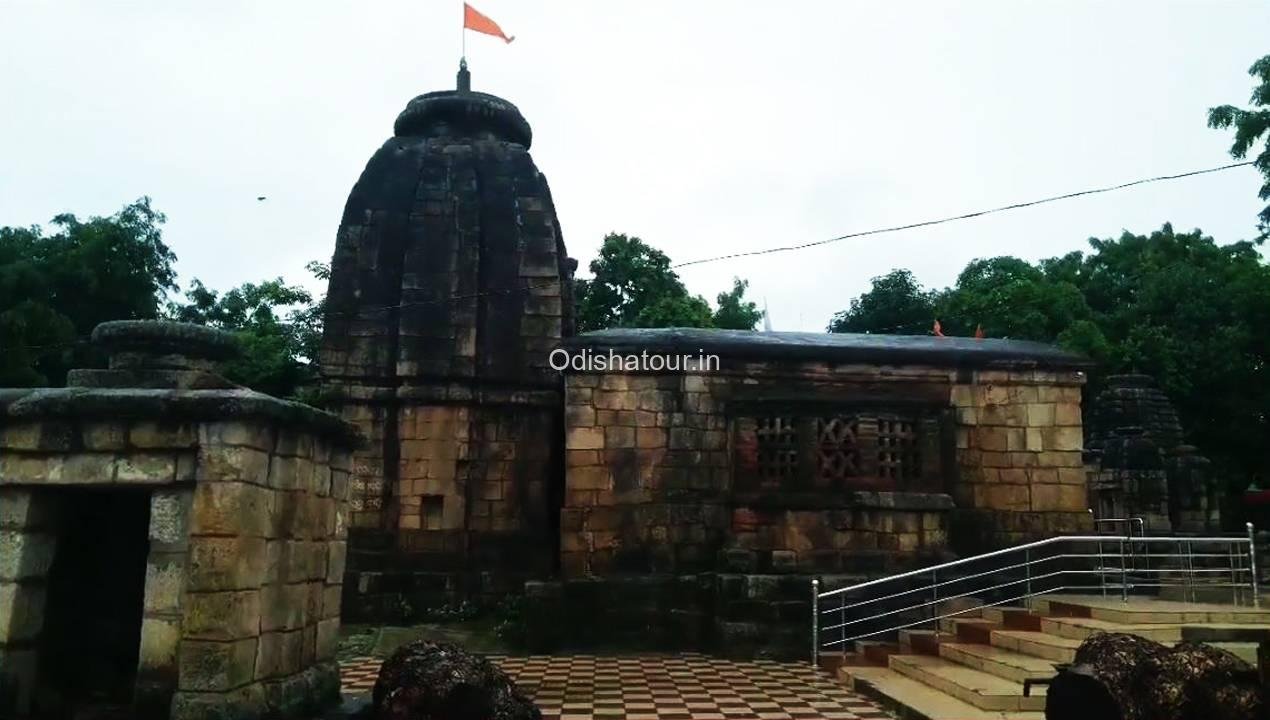
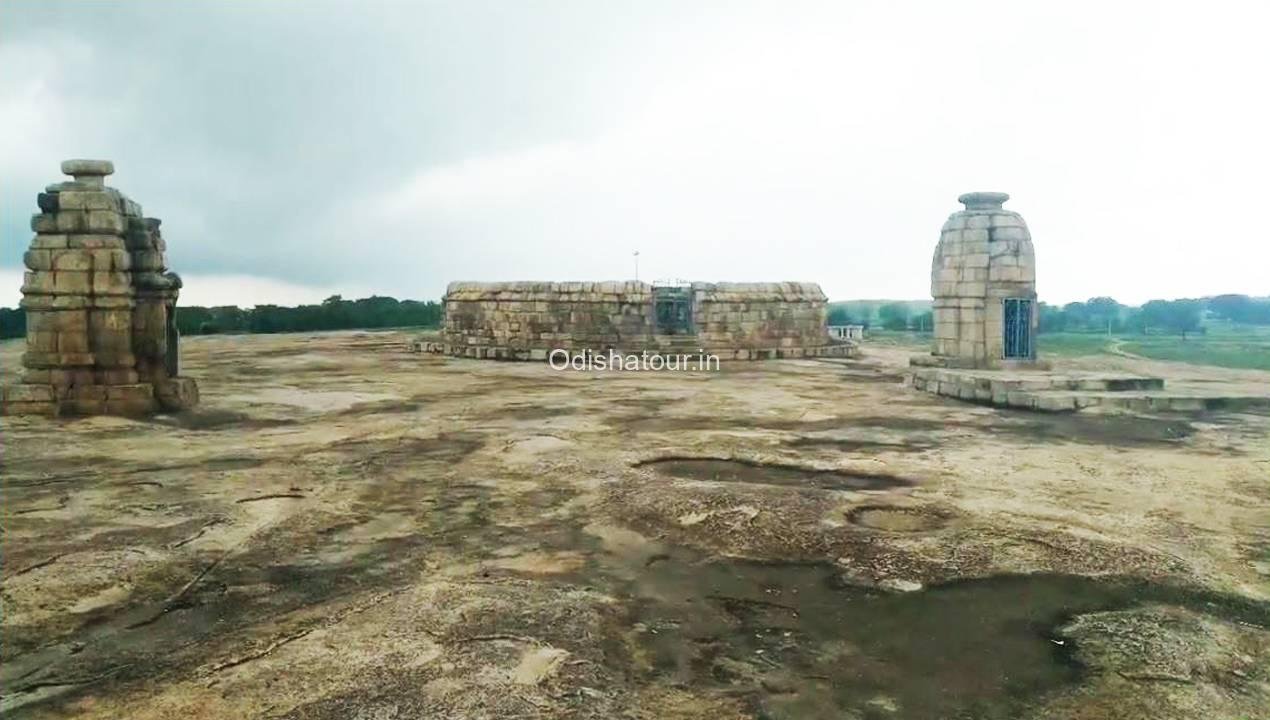
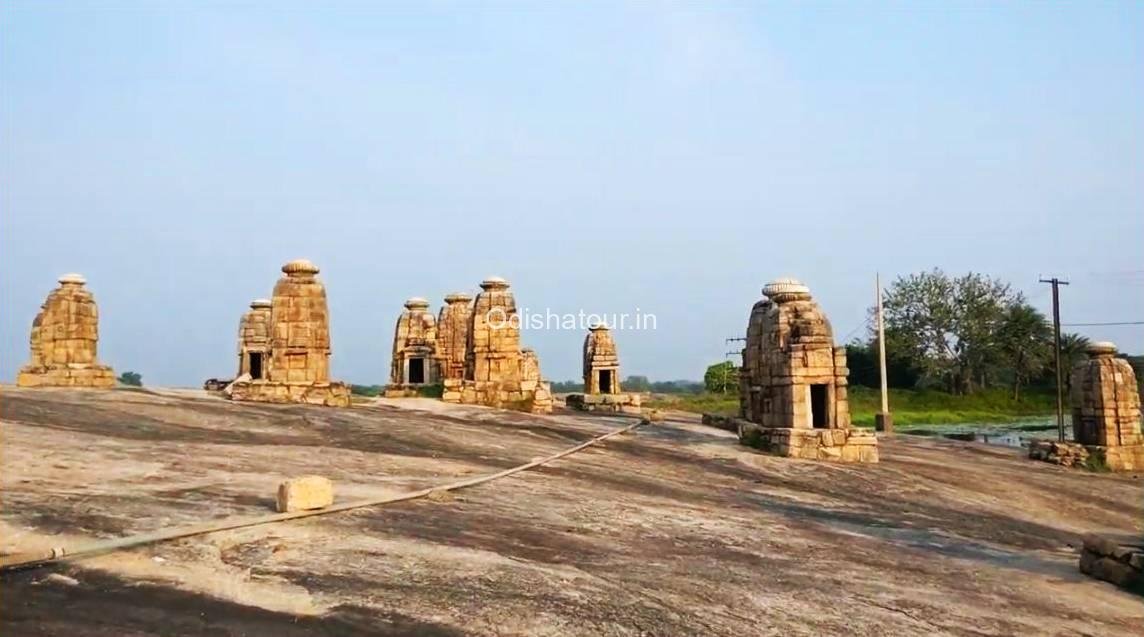
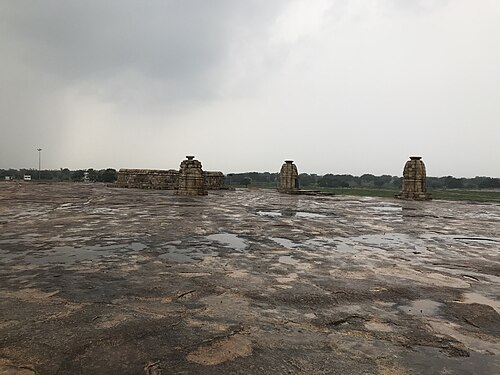
The temple's circular, hypaethral (open-air) design is fundamental to its character. The primary entrance opens toward the east in the circular wall; a southern opening that once existed has been filled in. The entire structure, including both the outer wall and the Yogini figures, was carved from coarse sandstone. The weathering of this material over more than a millennium has softened the fine carving that once adorned the figures, yet the temple remains visually coherent and archaeologically significant as an example of early medieval religious architecture in Odisha.
Visiting the Temple
The temple's remote location requires planning. Visitors should allow time to reach Ranipur Jharial from the nearby towns of Titilagarh or Kantabanjhi. As a Hindu sacred site, respectful dress is appropriate—covering shoulders and knees is customary. The open-air nature of the temple means it is accessible during daylight hours; there are no recorded fixed timings for darshan. The rocky outcrop setting means visitors should wear sturdy footwear. No major facilities such as shops, restaurants, or accommodation are recorded at the site itself; visitors should arrange supplies in advance from nearby towns. The temple has no recorded priesthood or daily ritual schedule; it functions primarily as an archaeological and pilgrimage site rather than an active worship centre with regular ceremonies.
Historical Significance
Ranipur Jharial represents an important phase in medieval Odisha's religious life. The concentration of temples on the rocky outcrop indicates this was a significant pilgrimage or ritual centre around the 10th century. The temple's survival, despite the weathering of its sandstone and the loss of some architectural elements, makes it a valuable record of Yogini worship and tantric practice in early medieval India. Its documentation by Campbell in the 19th century helped establish awareness of Yogini temples as a distinct architectural and religious category.
How to reach
You may also visit
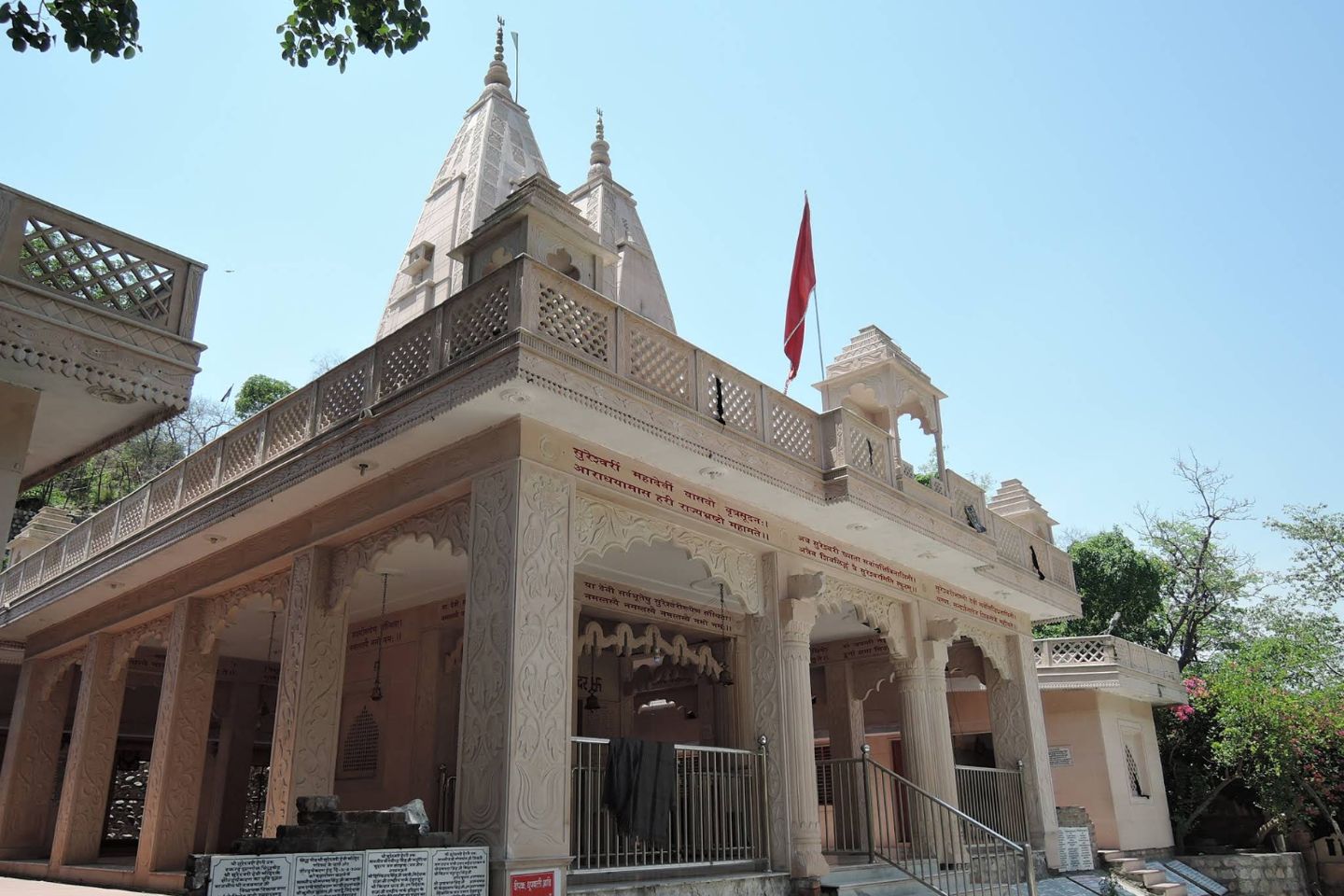
Sureshwari Devi Temple
Sureshwari Devi Temple in Haridwar is a forest shrine dedicated to the goddess, situated within the Ranipur Range area near Rajaji National Park, offering a secluded spiritual e…
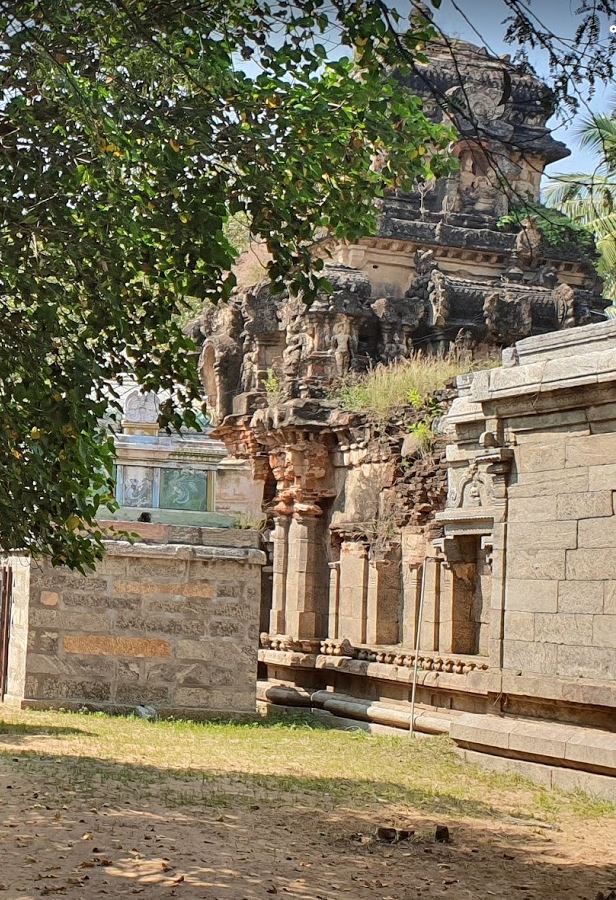
Agatheeswarar Temple, Karur
Agatheeswarar Temple in Thirumukkudalur, Karur district, is an ancient Hindu shrine dedicated to Shiva, situated at the sacred confluence of three rivers and believed to be over…

Shani Shingnapur
Shani Shingnapur is a renowned temple in Maharashtra dedicated to Lord Shani, featuring a self-emerged black stone idol worshipped under open sky. The temple is located in a uni…
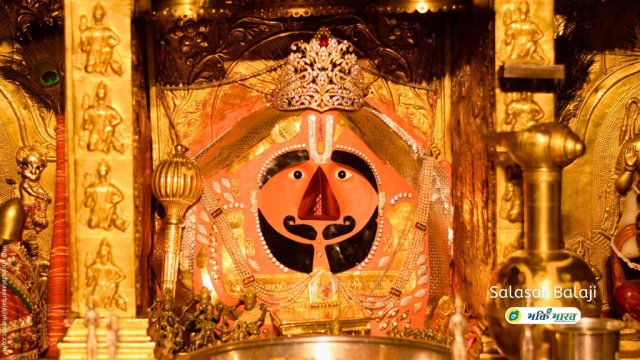
Salasar Balaji Temple
Salasar Balaji Temple in Churu district, Rajasthan, is a revered shrine dedicated to Lord Hanuman, distinguished by its unique depiction of the deity with a round face, beard, a…
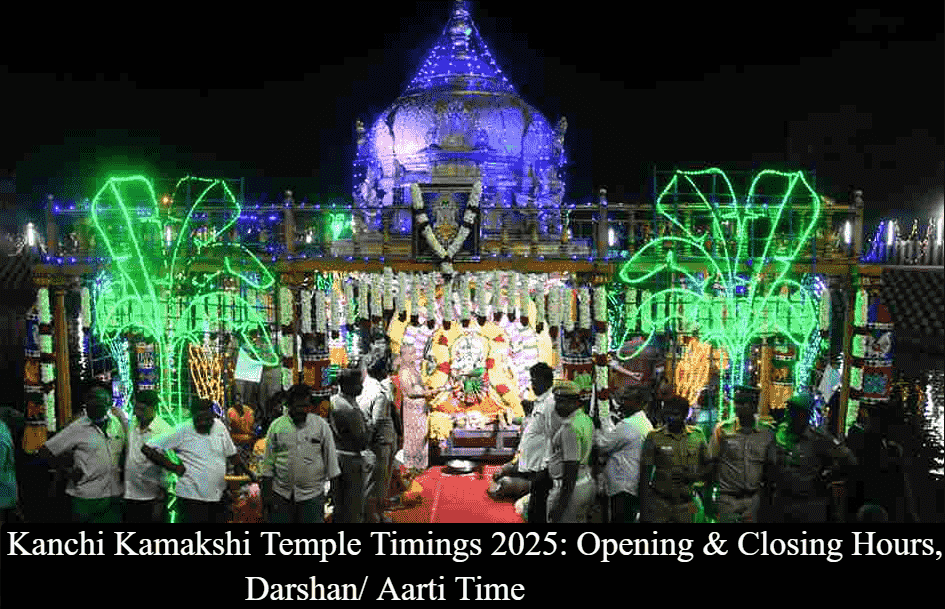
Kamaksha
Arulmigu Kamakshi Amman Temple in Mangadu, near Chennai, is dedicated to the goddess Kamakshi, an aspect of Adi Parashakti. According to legend, the goddess performed austeritie…
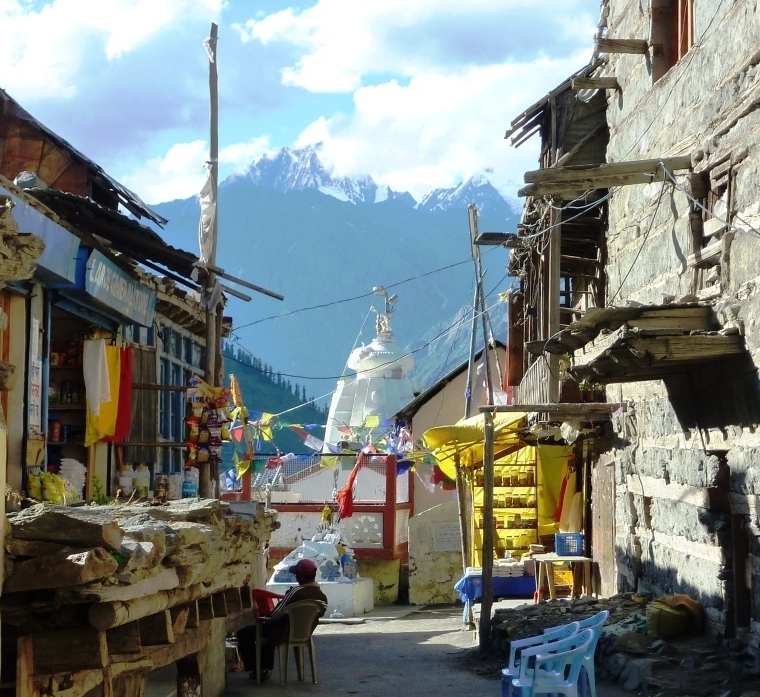
Trilokinath Temple at Tunde
The Trilokinath Temple in Tunde is an ancient shrine venerated by both Hindus and Buddhists, situated at 2,760 metres in the Lahul and Spiti District of Himachal Pradesh. Hindus…