
Char Dham, Nepal
About Char Dham, Nepal
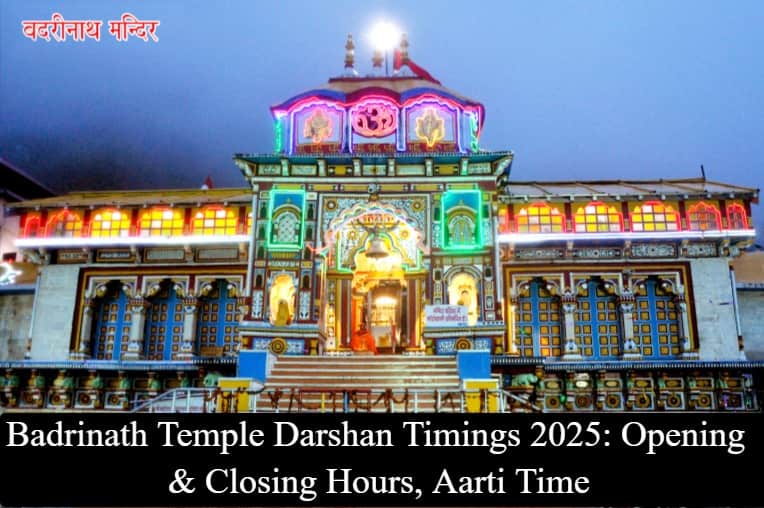
Badrinath Temple stands at 3,133 metres elevation in the Garhwal Division of Uttarakhand, dedicated to Lord Vishnu. The temple forms part of the Char Dham pilgrimage circuit, a set of four sacred sites that hold central importance in Hindu devotional practice. According to tradition, the temple was established by Adi Guru Shankaracharya, though its origins trace to the 8th century. The high-altitude location places the shrine deep within the Himalayan landscape, making the journey itself a significant aspect of the pilgrimage experience.
Darshan and Daily Worship
The temple opens for darshan twice daily: from 04:30 to 13:00 in the morning, and from 15:00 to 21:00 in the evening. Two principal aartis structure the day's worship. The Maha Abhishek, or morning aarti, begins at 04:30, while the Shayan Aarti, the evening ritual, takes place at 20:30. These ceremonies follow the rhythms of Hindu temple worship, with the morning aarti marking the deity's awakening and the evening aarti preceding the deity's rest. Visitors should plan their visit around these timings, as darshan windows close between the morning and afternoon sessions.
Best Times to Visit
Two seasons offer optimal conditions for pilgrimage. May and June provide ideal weather with open roads and full facility availability, though these months draw substantial crowds. September and October present an excellent alternative: the post-monsoon period brings clear skies and expansive Himalayan views with noticeably fewer visitors than the peak season. The monsoon months of July and August remain open but carry significant risk from landslides, road closures, and flash floods—unsuitable for first-time pilgrims. From November through April, the temple closes entirely due to heavy snowfall and extreme temperatures that make access impossible.
Pilgrimage Formalities and Registration
Visitors intending to undertake the Char Dham yatra, which includes Badrinath, must complete registration before beginning their journey. The Shri Badarinath Kedarnath Temple Committee manages these requirements through an official portal. Vehicle permits and green cards are necessary for those traveling by road. Pilgrims should note that the high altitude exposes visitors to extreme cold, low humidity, increased ultraviolet radiation, and reduced oxygen pressure—conditions that demand physical preparation. Current health advisories and weather forecasts are available through official Uttarakhand tourism channels and should be consulted before travel.
Practical Information for Visitors
The temple sits at a significant elevation, and visitors should dress warmly regardless of season, as mountain temperatures drop sharply, particularly in early morning and evening hours. The darshan schedule requires early rising for those wishing to attend the morning aarti. Online puja booking is available for those seeking to participate in specific rituals or receive blessings through formal ceremonies. In case of emergency, the State Emergency Operation Center can be reached at 0135-2710334 or the toll-free number 1070. The temple committee manages forty-five other shrines throughout Uttarakhand along the pilgrimage routes, including Tunganath Temple and Brahmakapal Temple near Badrinath.
Reaching Badrinath
The temple's location in the high Himalayas means access depends entirely on seasonal road conditions and weather. The yatra typically begins in May each year, with specific opening dates announced annually. Helicopter services are available for those unable to undertake the full journey by road, with bookings managed through dedicated portals. Pilgrims should verify current road conditions and opening dates through official sources before planning travel, as conditions in the mountains can change rapidly and affect accessibility.
How to reach
You may also visit
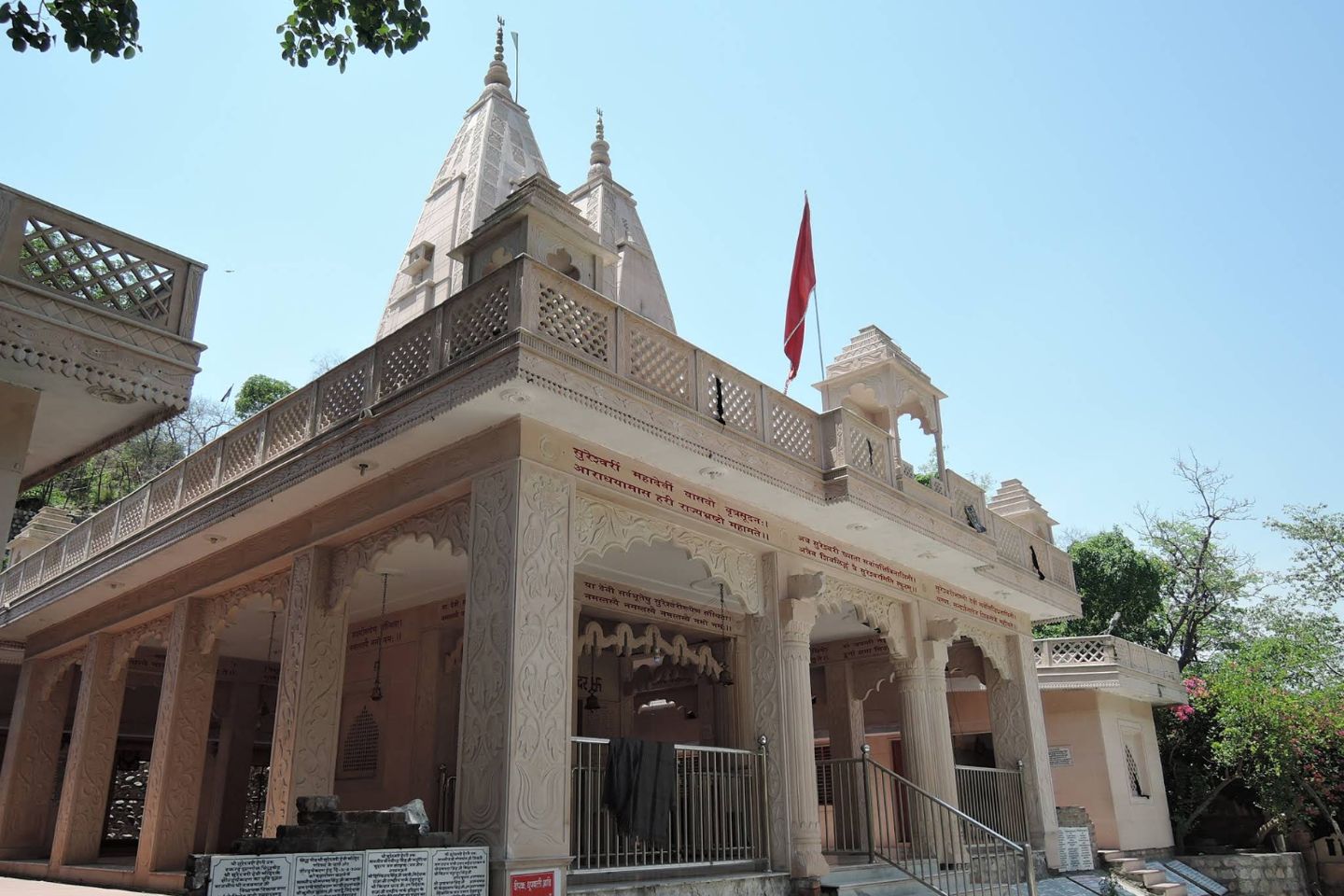
Sureshwari Devi Temple
Sureshwari Devi Temple in Haridwar is a forest shrine dedicated to the goddess, situated within the Ranipur Range area near Rajaji National Park, offering a secluded spiritual e…
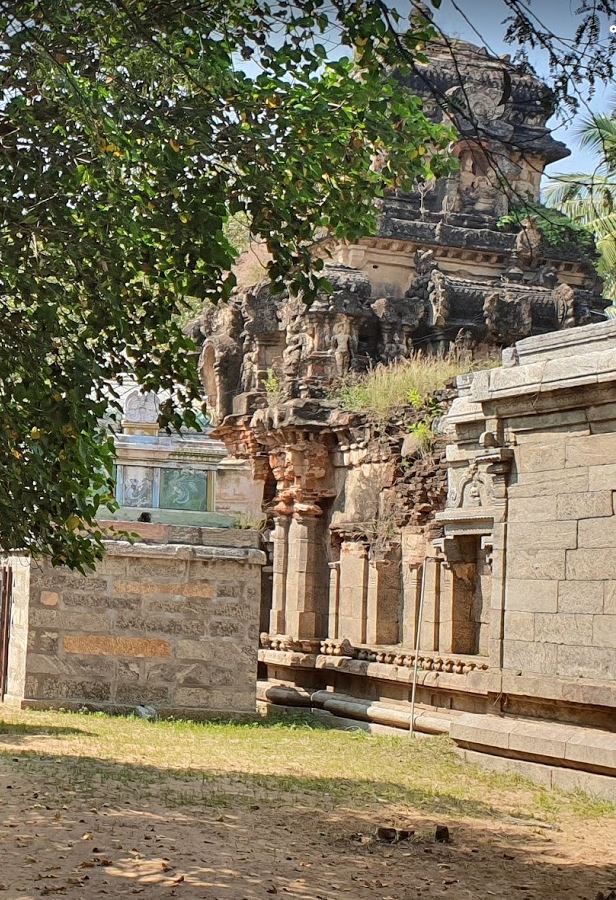
Agatheeswarar Temple, Karur
Agatheeswarar Temple in Thirumukkudalur, Karur district, is an ancient Hindu shrine dedicated to Shiva, situated at the sacred confluence of three rivers and believed to be over…

Shani Shingnapur
Shani Shingnapur is a renowned temple in Maharashtra dedicated to Lord Shani, featuring a self-emerged black stone idol worshipped under open sky. The temple is located in a uni…
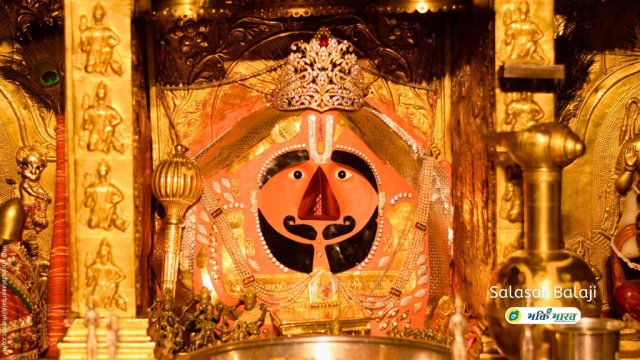
Salasar Balaji Temple
Salasar Balaji Temple in Churu district, Rajasthan, is a revered shrine dedicated to Lord Hanuman, distinguished by its unique depiction of the deity with a round face, beard, a…
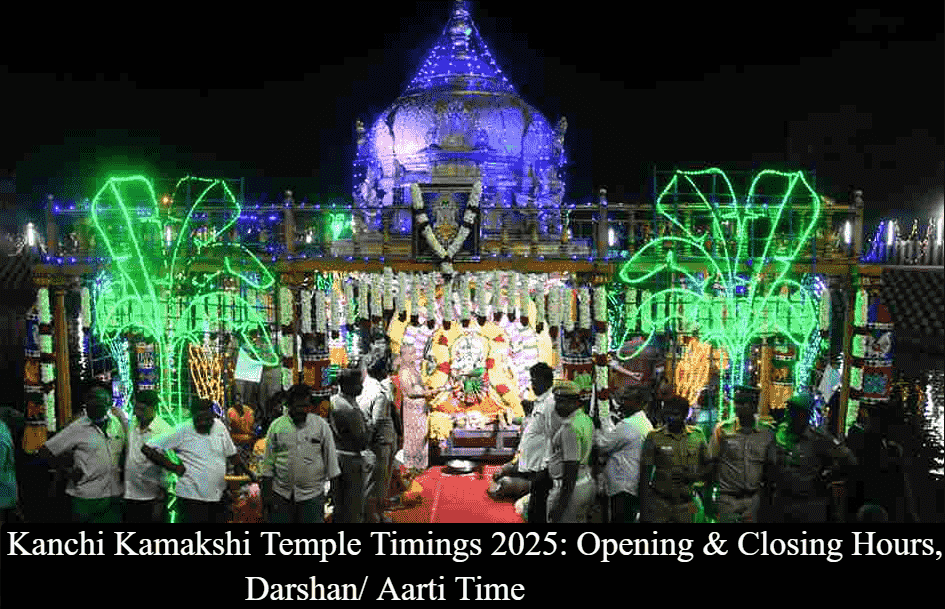
Kamaksha
Arulmigu Kamakshi Amman Temple in Mangadu, near Chennai, is dedicated to the goddess Kamakshi, an aspect of Adi Parashakti. According to legend, the goddess performed austeritie…
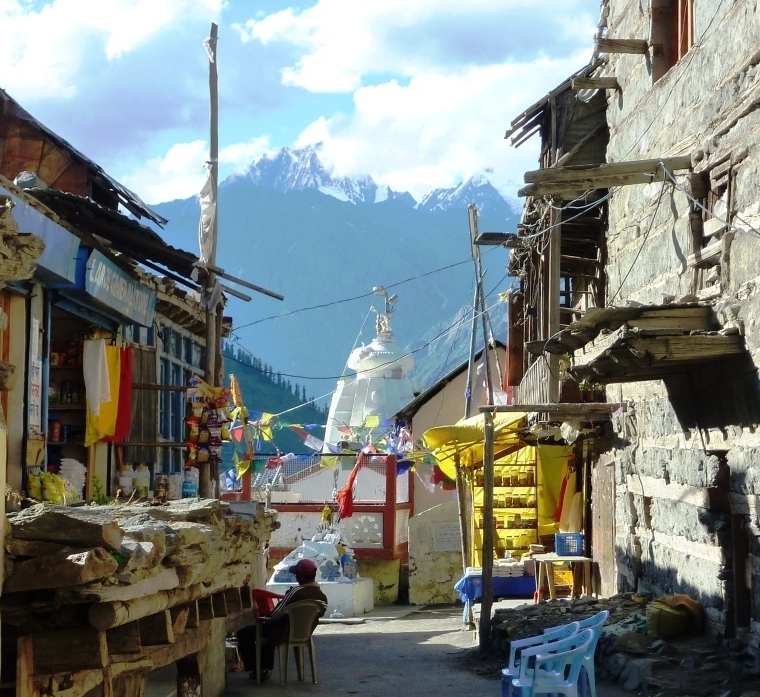
Trilokinath Temple at Tunde
The Trilokinath Temple in Tunde is an ancient shrine venerated by both Hindus and Buddhists, situated at 2,760 metres in the Lahul and Spiti District of Himachal Pradesh. Hindus…