Chandrika Devi Temple, Lucknow
About Chandrika Devi Temple, Lucknow
The temple opens for darshan in two sessions: early morning from 05:00 to 11:00, and afternoon through evening from 14:00 to 23:00. Visitors planning their trip should note that the temple experiences peak crowds during Amavasya (the new moon day) and the Navratri periods, which fall in March/April and October/November. While these times carry heightened spiritual significance and draw large numbers of devotees, they also mean longer waits—typically 30 minutes to an hour during peak seasons. For a more peaceful experience, early morning or late evening visits are recommended, when the temple courtyard and surrounding areas offer a quieter atmosphere for personal worship.
Facilities and Accessibility
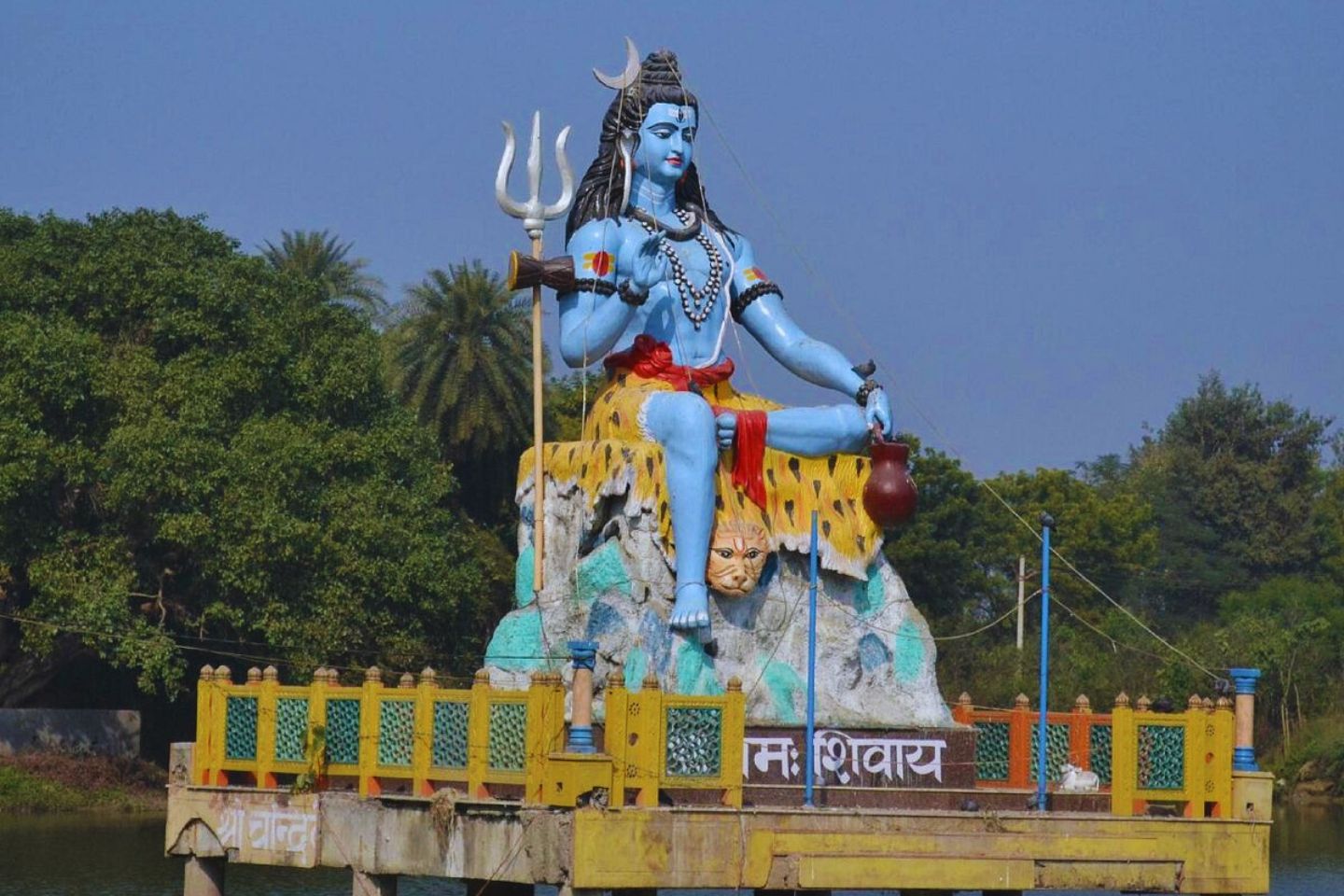
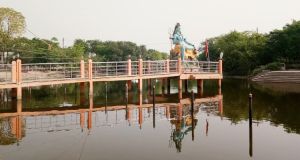
Parking is available at the temple grounds. However, visitors should be aware that the path to the inner sanctum involves steps, which may present challenges for those with mobility difficulties. The temple has provided resting points along the route to allow devotees moments of pause and reflection during their ascent. The temple's courtyard, situated near a serene pond, offers a contemplative space for those seeking quieter moments away from the bustle of daily life. These features make the temple accessible to most visitors, though those with significant mobility concerns may wish to plan accordingly.
Rituals and Worship Practices
Daily worship at Chandrika Devi Temple includes various ritual services. Hawan (sacred fire rituals), Mundan (ceremonial hair-cutting), and Kirtans with Satsang (devotional singing and spiritual discourse) are among the practices observed at the temple. These rituals follow the broader traditions of Durga worship found across Hindu temples, where offerings, prayers, and communal devotion form the core of spiritual practice. Visitors interested in participating in or witnessing these ceremonies should inquire about specific timings upon arrival, as schedules may vary.
Amavasya and Navratri Celebrations
The temple experiences a surge of religious activity during Amavasya and the two Navratri seasons. These periods see the celebration of large fairs that draw devotees from surrounding areas, creating a festive atmosphere marked by heightened devotional energy. Navratri, the nine-day festival honouring the Goddess in her various forms, is particularly significant at temples dedicated to Durga and her manifestations. The March/April and October/November observances align with the traditional Navratri calendar. Visitors attending during these times should expect crowded conditions but will experience the temple's vibrant communal worship at its most intense.
Etiquette and Visitor Guidance
Visitors to Chandrika Devi Temple should approach with the respect due to a sacred space. Modest dress is customary when visiting Hindu temples, and removing footwear before entering the inner sanctum is standard practice. The temple welcomes all sincere seekers, though specific policies regarding non-Hindu visitors to the innermost shrine may apply—it is advisable to inquire respectfully upon arrival. Photography policies should also be confirmed with temple staff. The journey to the temple, with its steps and resting points, is designed as part of the devotional experience, inviting visitors to approach the Goddess with intention and mindfulness.
Location and Access
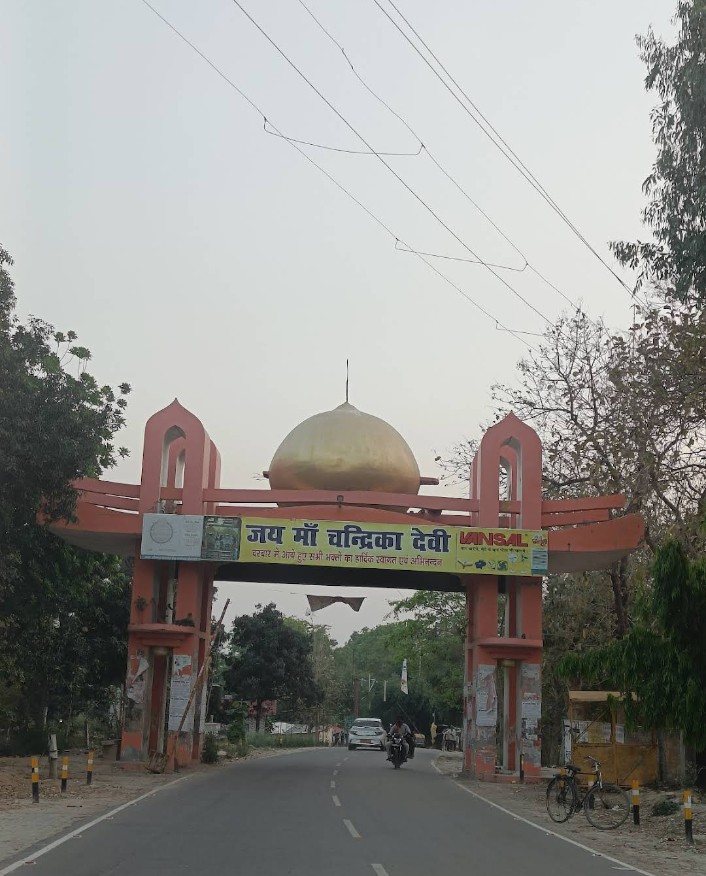
The temple is situated in Kathwara village near Bakshi ka talab on Sitapur Road in Lucknow, Uttar Pradesh (postal code 591997). The Gomti River location places it within reach of Lucknow's city centre, making it accessible to both local devotees and visiting pilgrims. Those planning a visit should allow time for the approach to the sanctum and consider visiting during the recommended early morning or late evening hours for a more contemplative experience.
How to reach
Temples near Chandrika Devi Temple, Lucknow
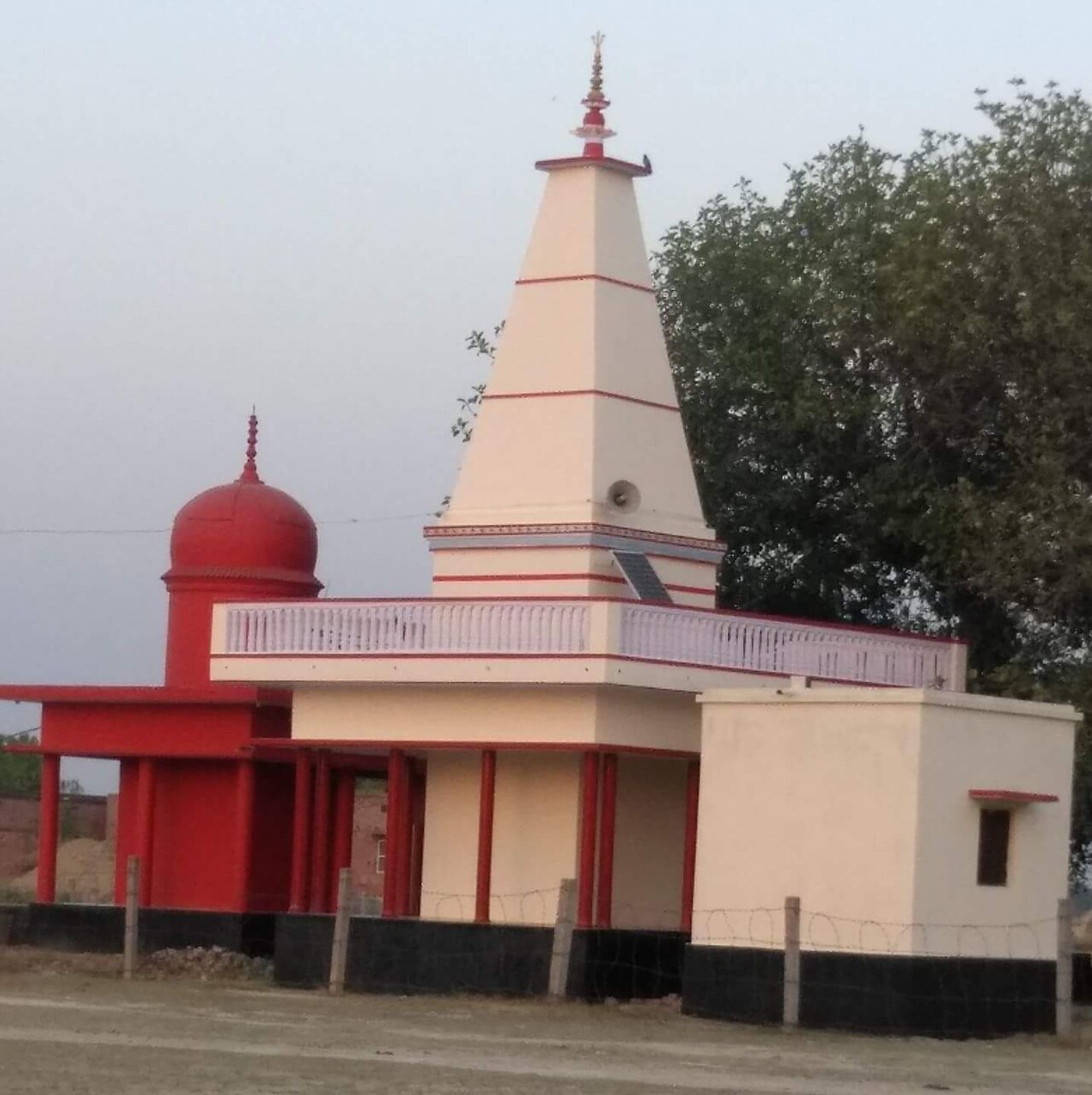
Maa Kaali & Bhagwan Shankar Temple
An ancient Hindu temple in Bisauri village, Jaunpur district, dedicated to Maa Kaali and Bhagwan Shankar (Shiva), where devotees gather during Maha Shivratri and Navratri festiv…
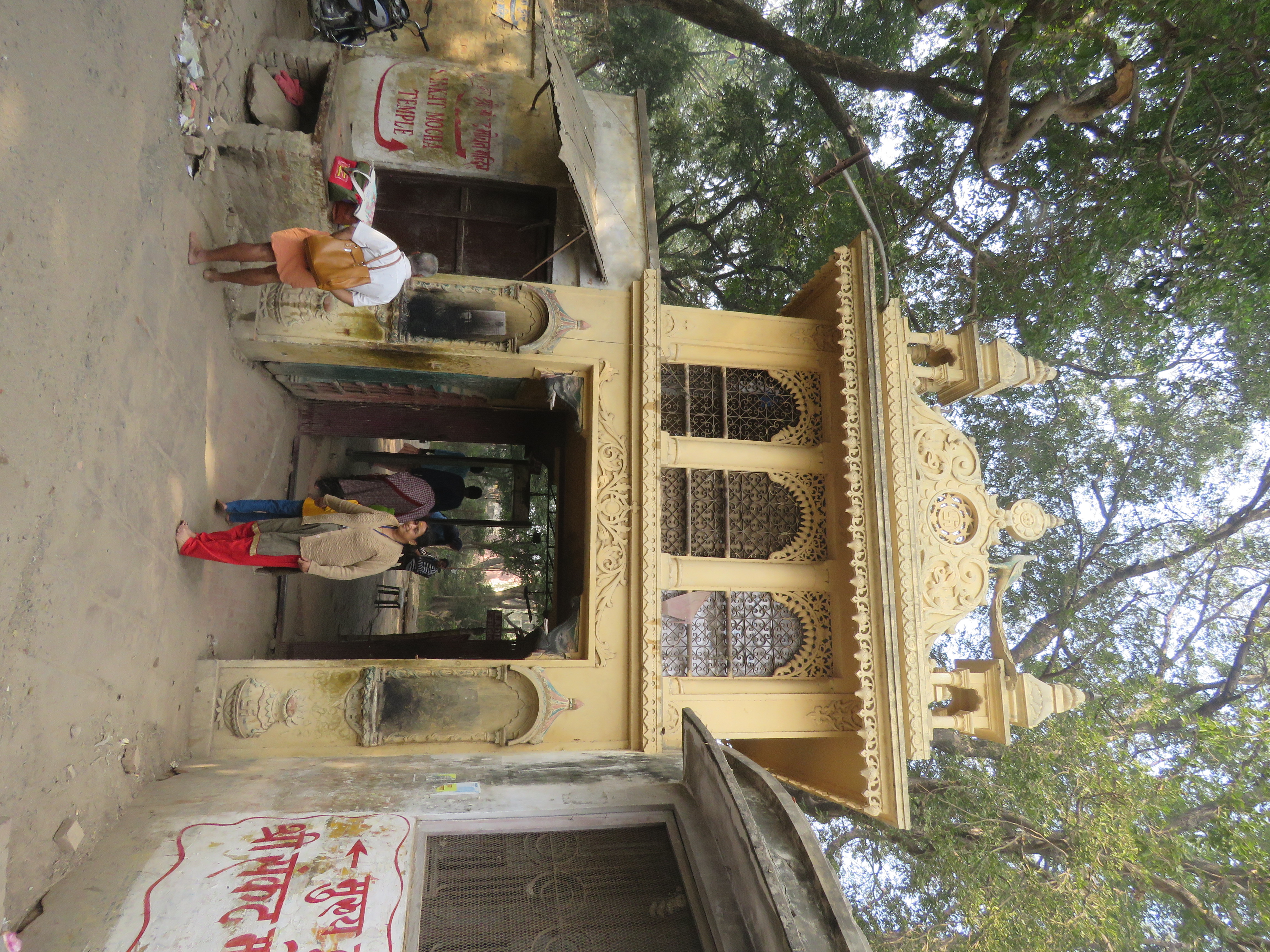
Hanuman Temple
The Sankat Mochan Hanuman Temple in Varanasi is a revered shrine established by poet-saint Tulsidas in the early 16th century, dedicated to Lord Hanuman as the remover of troubl…
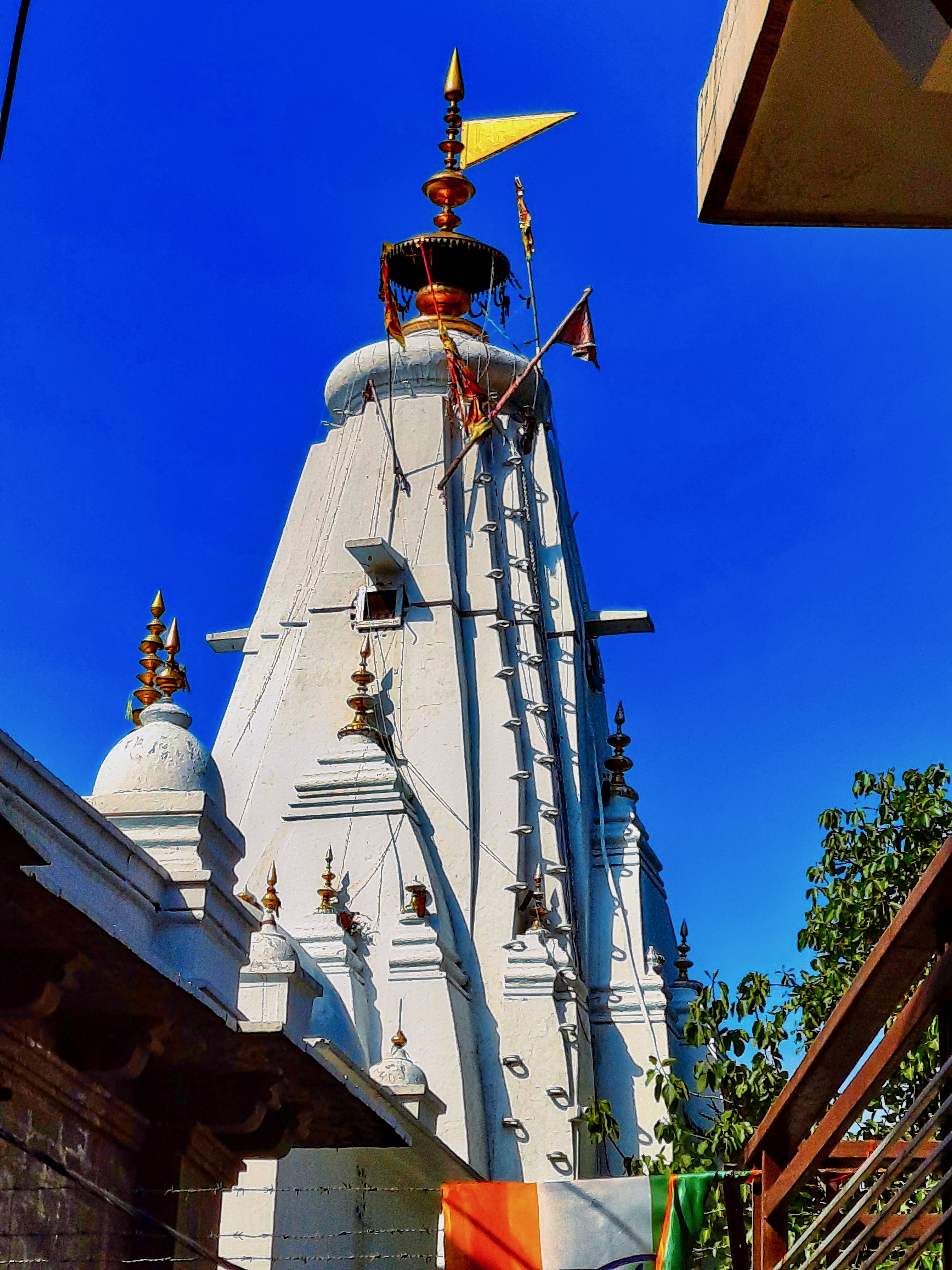
Adi Keshav Temple
Adi Keshav Temple in Varanasi is believed to be over 4000 years old and is dedicated to Lord Vishnu, marking the sacred confluence of the Ganga and Varuna rivers where Vishnu is…

Bharat Mata Mandir
Bharat Mata Mandir in Varanasi is a unique nationalist temple housing a three-dimensional marble map of undivided India rather than traditional deity idols, inaugurated by Mahat…

Ratneshwar Mahadev Temple
Ratneshwar Mahadev Temple at Manikarnika Ghat in Varanasi is one of the most photographed Hindu temples in the city, notable for its distinctive nine-degree architectural lean a…
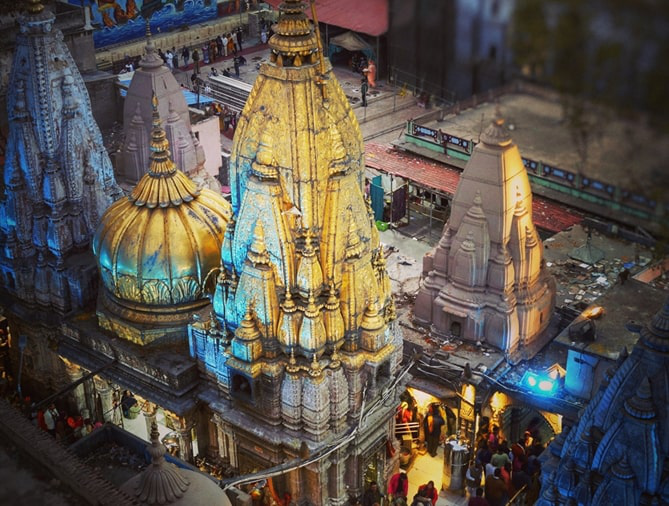
Kashi Vishwanath
Kashi Vishwanath is one of India's twelve sacred Jyotirlingas, dedicated to Lord Shiva in the form of Vishweshwara. Located on the western bank of the Ganga in Varanasi, the cur…