Bumiayu temple
About Bumiayu temple
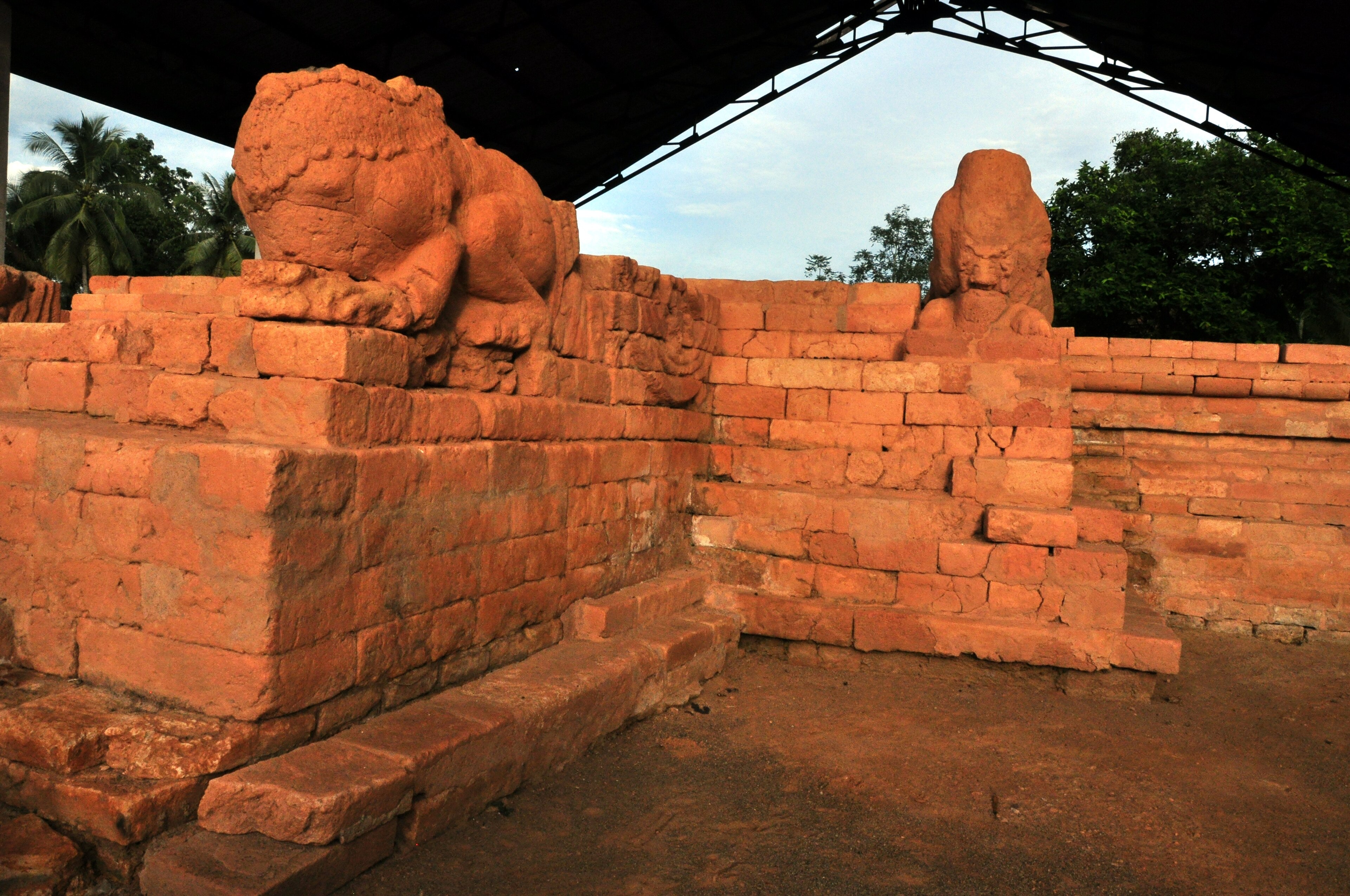
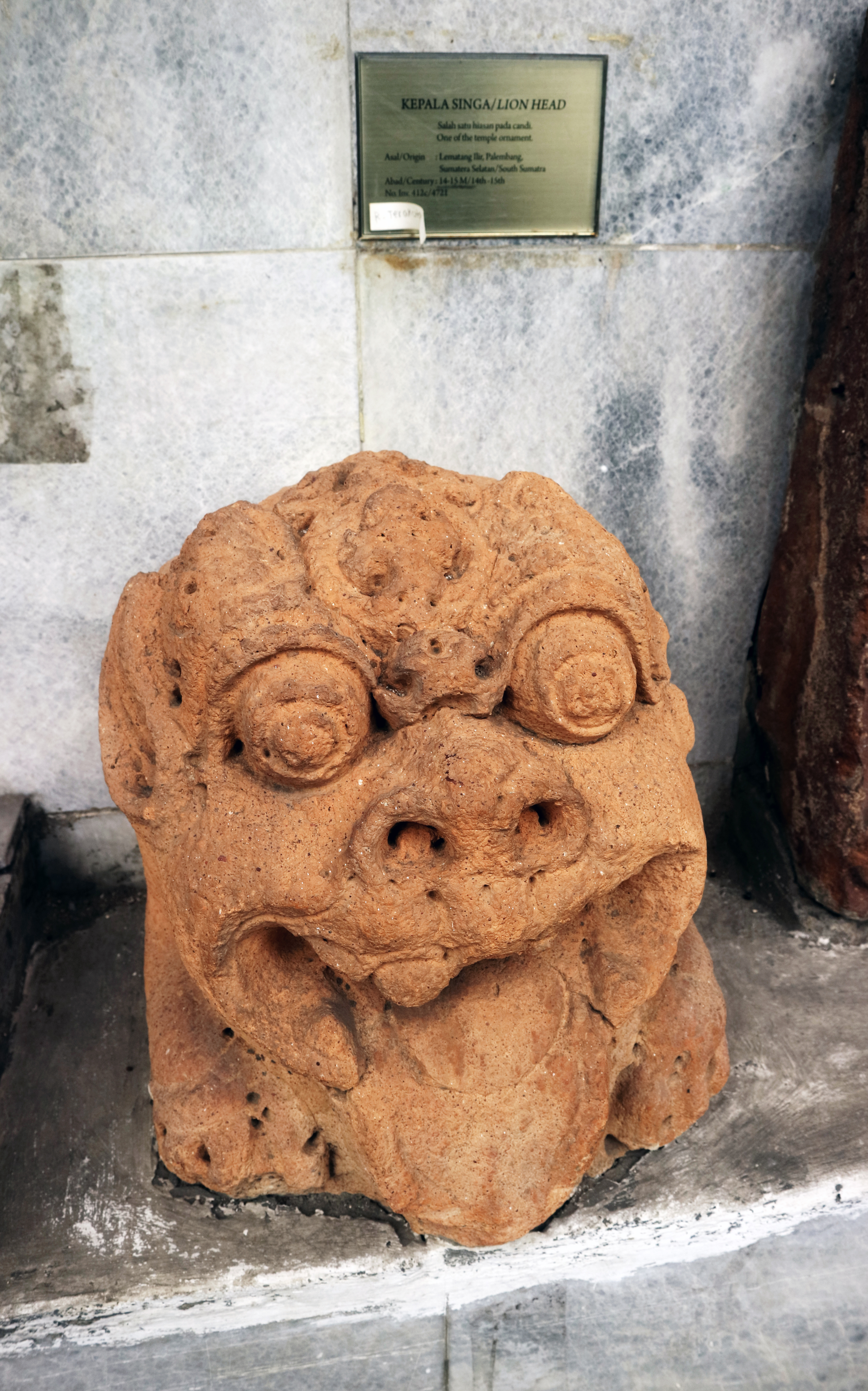
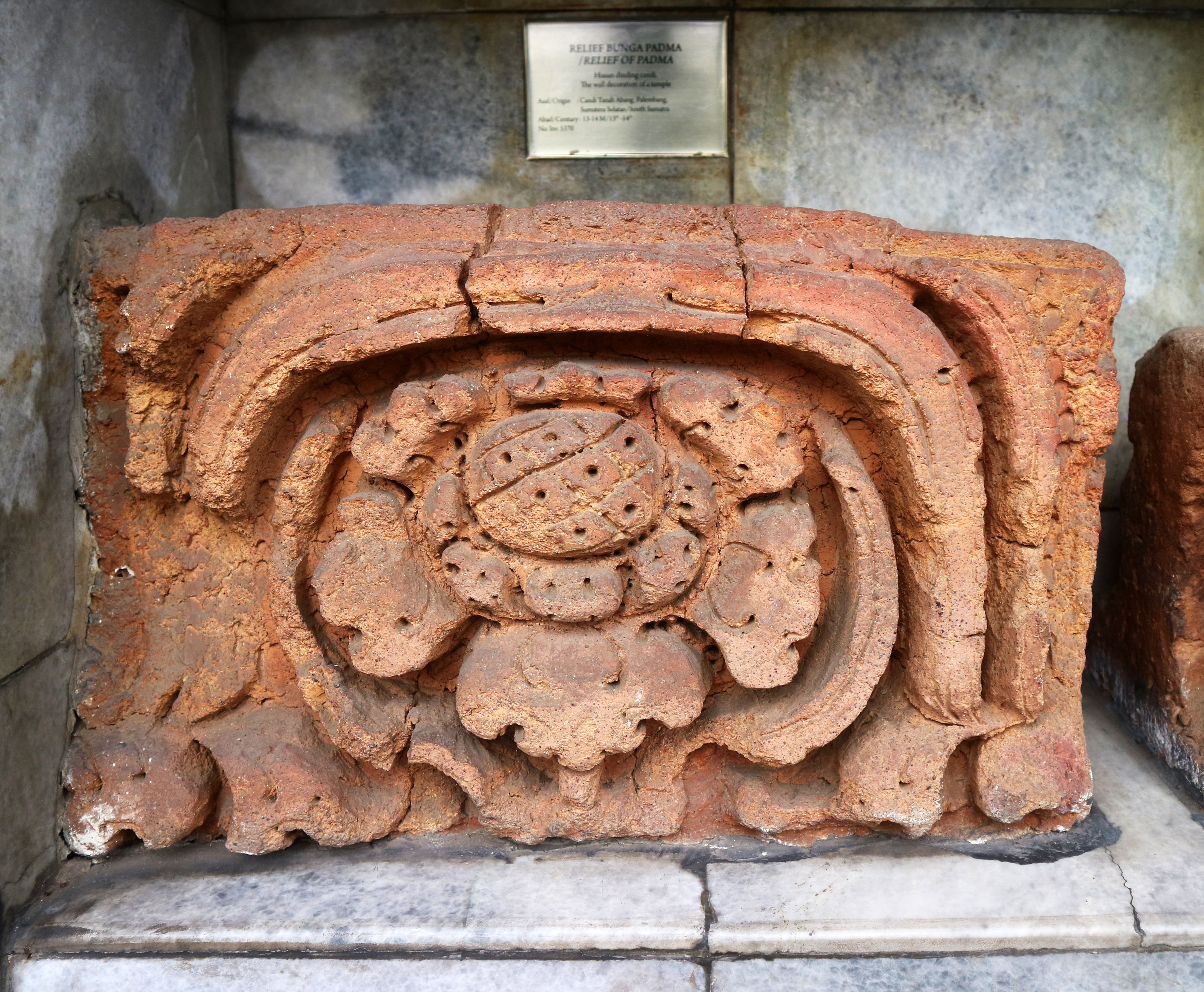
The temple's most distinctive feature is its construction in red brick, a material choice that has allowed archaeologists to date the complex to the medieval period. The exact centuries of construction remain estimated rather than precisely documented—the range of 8th to 13th century reflects scholarly assessment rather than inscriptional certainty. This uncertainty is typical of many Southeast Asian temple sites where written records have not survived or have not yet been fully interpreted.
The brick structures themselves represent the physical remains of a religious complex that once served the devotional needs of Shivaist communities in this region. Their survival to the present day, despite centuries of weathering and environmental change, testifies to the durability of the construction methods employed by medieval builders.
Understanding Shivaism at Bumiayu
As a Shivaist temple, Bumiayu was oriented toward the worship of Shiva, one of the principal deities in Hindu tradition. Shivaist temples typically focus on rituals and practices centered on Shiva's various forms and manifestations. The specific deity form worshipped at Bumiayu—whether as Mahadeva, Nataraja, or another aspect—is not recorded in available sources, leaving this detail of the temple's religious practice unknown to modern observers.
The Shivaist tradition in medieval Sumatra formed part of a broader Hindu-Buddhist religious synthesis that characterized the Srivijaya period. This coexistence of traditions suggests a religious landscape quite different from the more sectarian divisions that would emerge in later centuries.
Visiting the Temple Today
Bumiayu temple exists today as an archaeological site rather than an active place of worship with regular rituals and priestly services. Visitors should approach the site with the understanding that they are encountering historical remains rather than a functioning temple with daily ceremonies. The red brick structures themselves form the primary focus of a visit, offering material evidence of medieval construction and religious devotion.
Those planning to visit should be prepared for a rural setting and should arrange their journey with awareness of the site's distance from major urban centers. Appropriate dress—modest clothing that shows respect for the site's religious and cultural significance—is advisable. As with any archaeological site, visitors should take care to preserve the structures and should not remove artifacts or damage the remains.
The Broader Context of Srivijaya Religion
Bumiayu temple's connection to the Srivijaya kingdom places it within a maritime trading empire that shaped Southeast Asian history for centuries. The kingdom's religious patronage extended to both Hindu and Buddhist establishments, reflecting a cosmopolitan approach to religious expression. The temple's survival into the modern era, however fragmentary, provides material evidence of this historical religious pluralism and reminds visitors of the deep historical roots of Hindu practice in the Indonesian archipelago.
How to reach
You may also visit
Kalyanji Temple
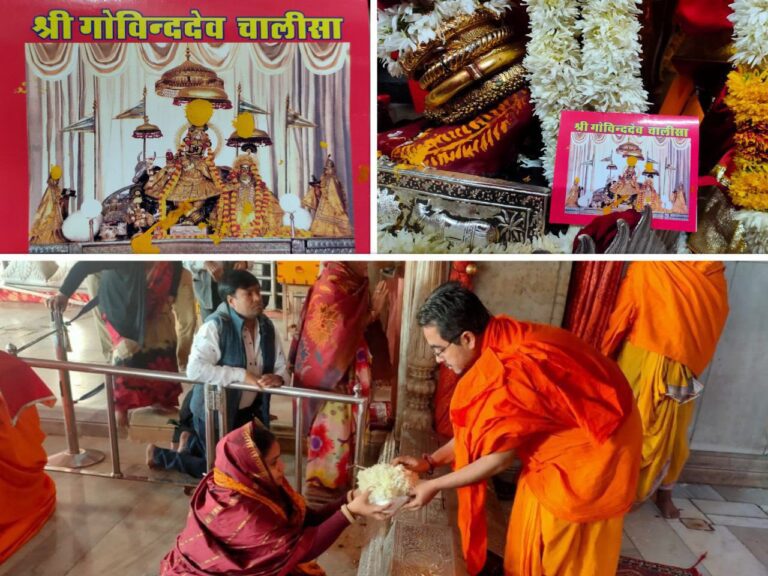
Kalyanji Temple in Jaipur's Chandpol Bazaar is approximately two centuries old and renowned for displaying the twenty-four avatars of Krishna, visible only twice yearly during Akha Teej and Patottsav festival.
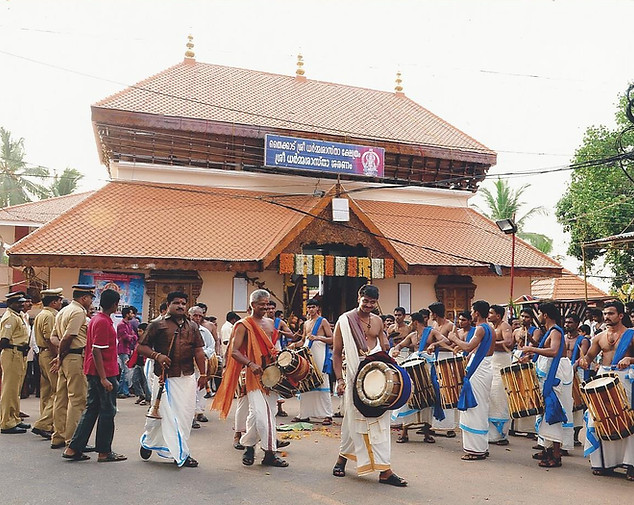
Sastha (Ayyappan) Temple
Sree Dharma Sastha Temple in Thycaud, Thiruvananthapuram, is a centuries-old shrine where the deity manifests as Dhanwanthari, the divine healer, holding the sacred blue lotus.
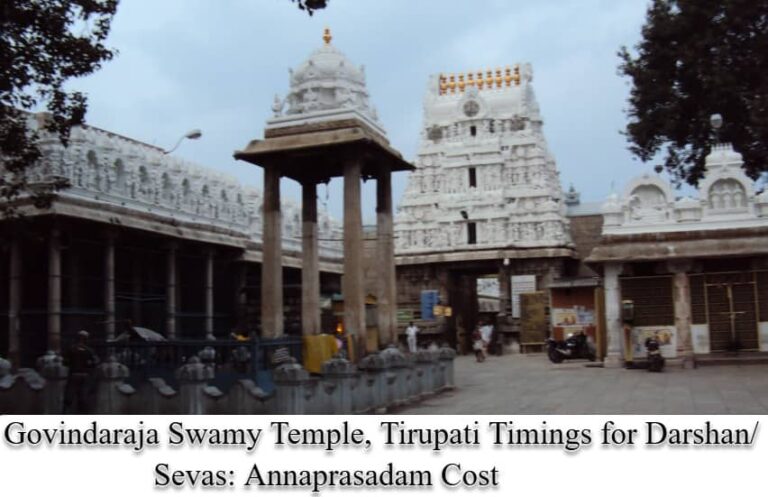
Govindarajaswamy Temple
Sri Govindarajaswamy Temple in Tirupati is an ancient Vaishnavaite shrine consecrated in 1130 AD by Saint Ramanuja, where the presiding deity rests in eternal Yoga Nidra on the serpent Adisesha.