Brahma Kuti Temple
About Brahma Kuti Temple
The temple observes regular aartis, with the Ganga Aarti forming part of its daily spiritual rhythm. This ritual, performed on the river's banks, connects the worship of Brahma to the veneration of the Ganga itself, reflecting the intertwined sacred geography of the site. Devotees attending the temple should inquire locally about specific aarti timings, as these may vary seasonally or according to the temple's schedule.
Visitors planning their darshan should allow time to experience the temple's riverside setting, which forms an integral part of the worship experience at this location.
Festival Observances
Two significant periods draw devotees to Brahma Kuti Temple: Kartik Poornima and Makar Sankranti. These festivals align with important moments in the Hindu calendar and represent optimal times for pilgrimage to the shrine. Kartik Poornima, occurring in the lunar month of Kartik, and Makar Sankranti, marking the sun's transition into Capricorn, both carry spiritual weight in Hindu tradition. During these periods, the temple likely experiences increased worship activity, though specific festival rituals and programmes should be confirmed with the temple directly.
Reaching Brahma Kuti Temple
The temple's location in Bithoor, within Kanpur Nagar district, places it approximately 25 kilometres northwest of Kanpur city. Visitors travelling from Kanpur can reach the site by road; local transport options and directions should be confirmed before departure. The riverside location in Bithoor is accessible to those with their own transport or through local taxi services. Those planning a visit should allow adequate travel time from Kanpur and consider the condition of local roads, particularly during monsoon seasons.
Visiting Practicalities
As a functioning Hindu temple, Brahma Kuti observes standard practices of worship and conduct. Visitors should dress modestly, removing shoes before entering the sanctum as is customary in Hindu temples. The riverside setting means the ground may be uneven or damp, particularly near the Ganga; appropriate footwear for the approach is advisable. Photography policies should be confirmed upon arrival, as these vary between temples.
The temple's location on the Ganga's banks offers a natural setting for worship but may present challenges during flood seasons or periods of high water. Visitors should check local conditions before planning their journey, particularly during monsoon months. Basic facilities at smaller temples in rural areas may be limited; visitors should come prepared with water and any necessary provisions.
Spiritual Significance of Brahma Worship
Brahma, as the creator in Hindu cosmology, represents the principle of creation and cosmic order. Temples dedicated to this deity are uncommon across India, making Brahma Kuti Temple a distinctive site for those specifically seeking to honour the creator aspect of divinity. The temple's riverside location amplifies its spiritual resonance, as the Ganga itself is understood as a manifestation of divine grace and purification in Hindu belief. Devotees visiting this shrine engage with both the specific theology of Brahma worship and the broader sacred landscape of the Ganga valley.
How to reach
You may also visit
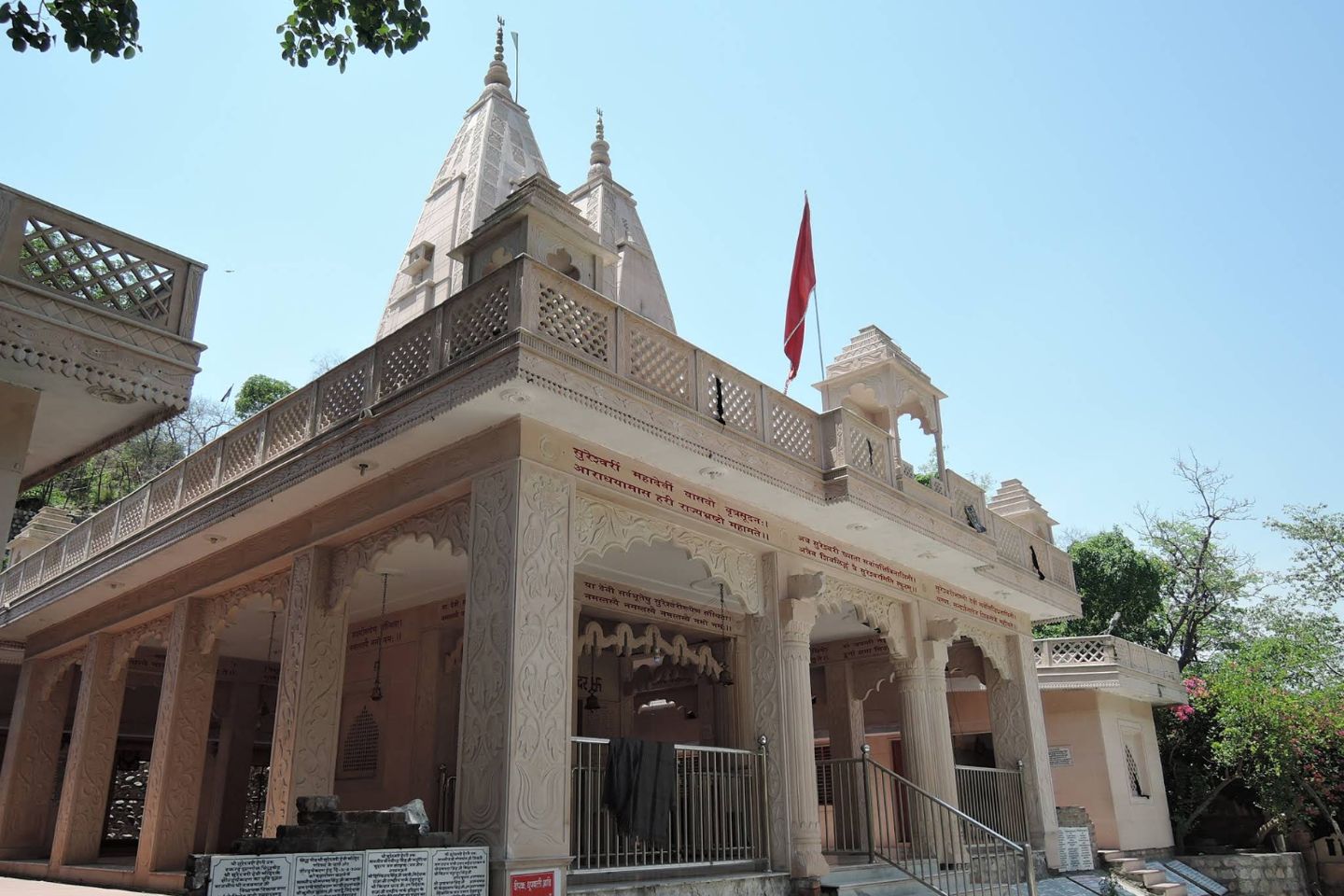
Sureshwari Devi Temple
Sureshwari Devi Temple in Haridwar is a forest shrine dedicated to the goddess, situated within the Ranipur Range area near Rajaji National Park, offering a secluded spiritual e…
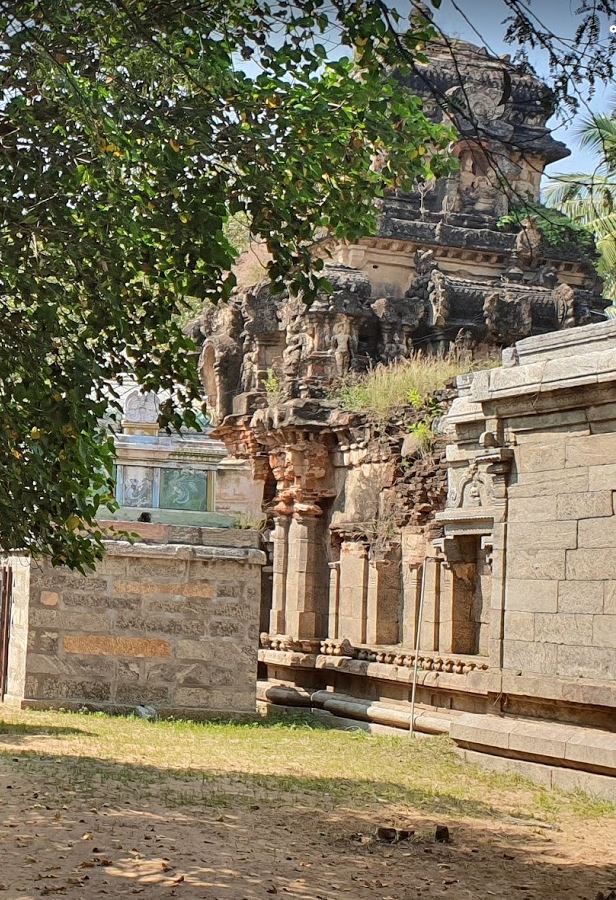
Agatheeswarar Temple, Karur
Agatheeswarar Temple in Thirumukkudalur, Karur district, is an ancient Hindu shrine dedicated to Shiva, situated at the sacred confluence of three rivers and believed to be over…

Shani Shingnapur
Shani Shingnapur is a renowned temple in Maharashtra dedicated to Lord Shani, featuring a self-emerged black stone idol worshipped under open sky. The temple is located in a uni…
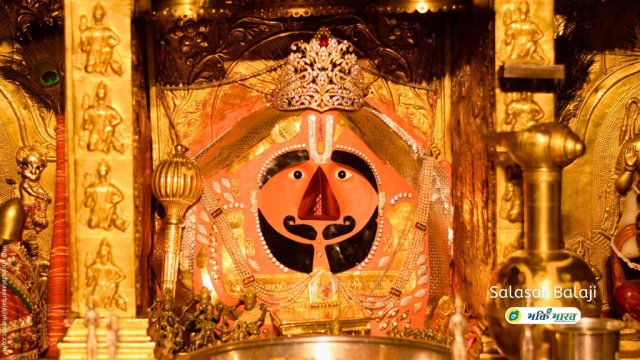
Salasar Balaji Temple
Salasar Balaji Temple in Churu district, Rajasthan, is a revered shrine dedicated to Lord Hanuman, distinguished by its unique depiction of the deity with a round face, beard, a…
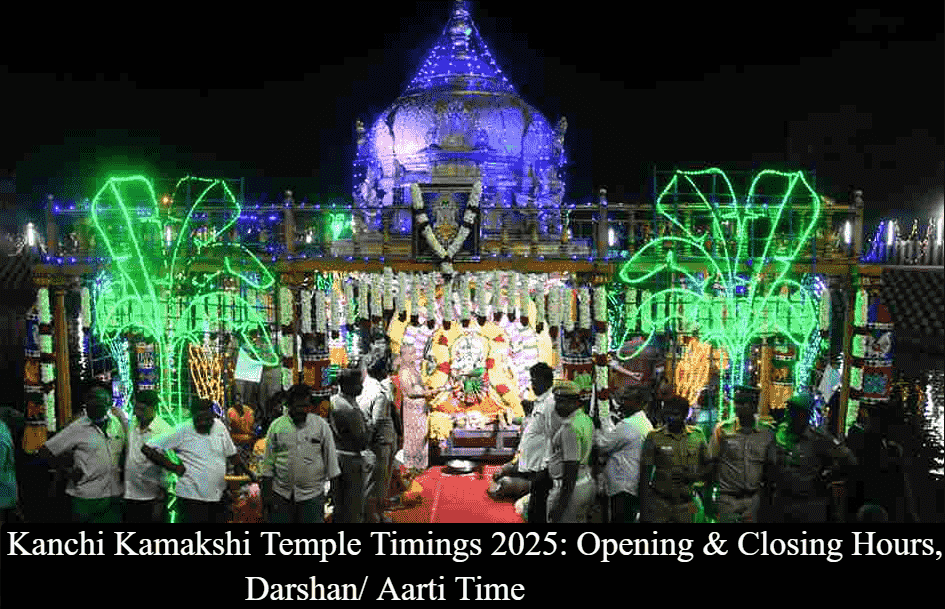
Kamaksha
Arulmigu Kamakshi Amman Temple in Mangadu, near Chennai, is dedicated to the goddess Kamakshi, an aspect of Adi Parashakti. According to legend, the goddess performed austeritie…
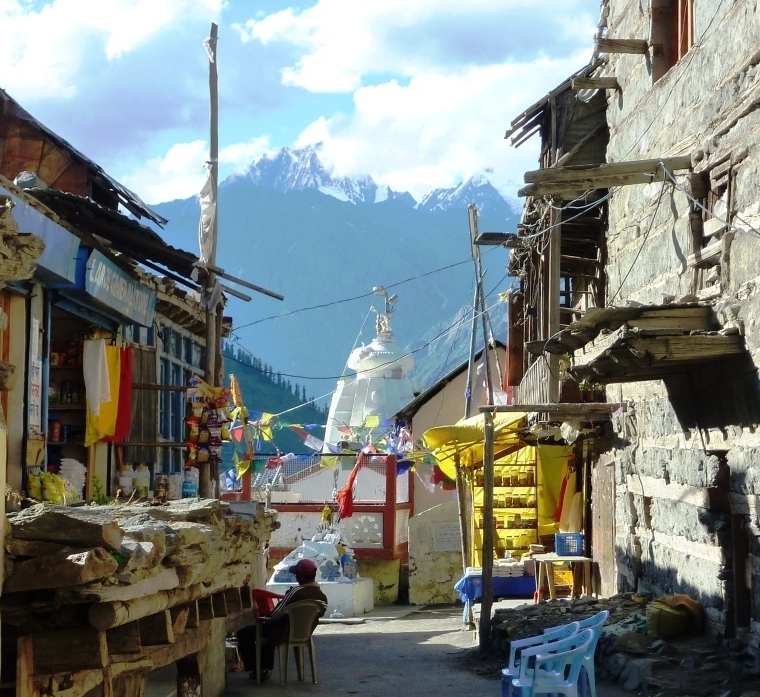
Trilokinath Temple at Tunde
The Trilokinath Temple in Tunde is an ancient shrine venerated by both Hindus and Buddhists, situated at 2,760 metres in the Lahul and Spiti District of Himachal Pradesh. Hindus…