Bhimeswar Temple
About Bhimeswar Temple
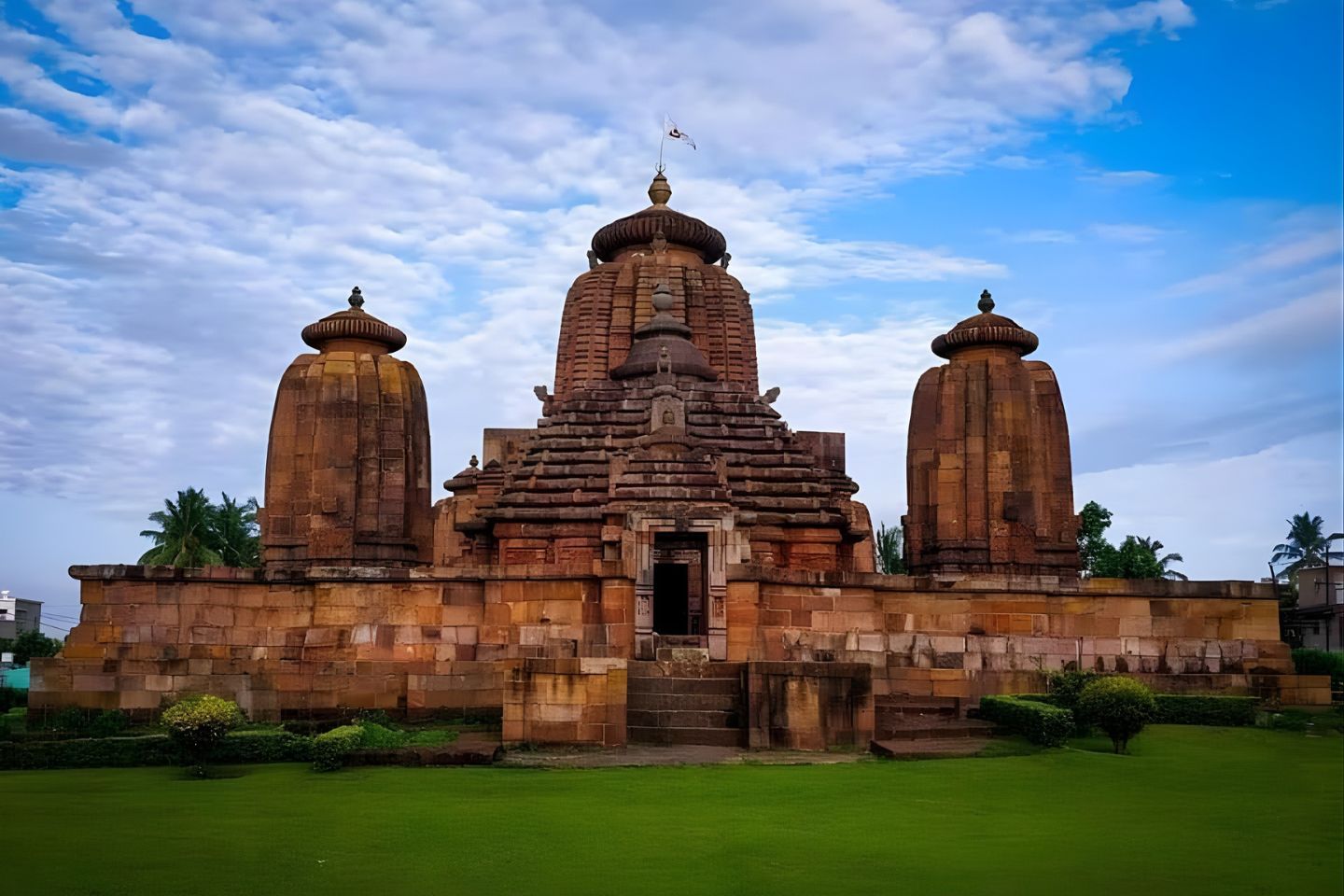
The temple is believed to date to the 11th century, commissioned by Queen Kolavati Devi of the Somavamsi Dynasty of Odisha. This attribution rests on evidence gathered from sculptures, carvings, and inscriptions found within the temple premises. The structure stands as a significant example of medieval Odishan religious architecture, preserving details of worship practices from that era. Inscriptions within the temple grounds document the historical practice of Devadasis—women dedicated to worship and the performance of music and dance for the deity—a tradition initiated during the temple's early period.
Panchayatana Design and Odishan Craftsmanship
The temple follows the Panchayatana style, a classical arrangement comprising a central shrine flanked by four smaller shrines at the cardinal points, with a large square pond occupying the temple complex. Built of sandstone, the structure demonstrates a blend of Lingaya and Kalinga architectural traditions. The temple comprises four functional sections: the Vimana (sanctum), Natamandira (dance hall), Jagamohana (prayer hall), and Bhogamandapa (offering hall). The Jagamohana serves as the main prayer space and features the sanctum; its walls display carved designs reflecting Odisha's ancient artistic vocabulary, including distinctive lion-head idols. The sanctum itself rises approximately 18.96 metres in height. Throughout the structure, traditional wood-carving techniques have been adapted to stone, producing intricate carvings on inner and outer walls, door frames, the porch, and tower. These carvings include representations of celestial figures and fierce deities, with some sources noting depictions associated with tantric religious practice, including terrifying forms of Lord Shiva and the goddess Chamunda.
Festivals and Observances
Mahashivaratri is the principal festival celebrated at the temple, drawing large numbers of devotees annually. The occasion is marked with considerable ceremony and fervor. Beyond this major festival, the temple also observes Kartik Purnima and Diwali. The auspicious timing of Mahashivaratri makes it a particularly significant period for pilgrimage to the shrine.
Visiting the Temple
The temple is open daily from 5:00 a.m. to 9:00 p.m., though some sources indicate closing at 8:00 p.m. or 20:00. There is no entry fee. Early morning and late evening hours are preferable for visiting, as they offer relief from heat and tend to be less crowded. During peak festival periods, particularly Mahashivaratri, expect longer darshan wait times—typically 30 minutes to an hour. The temple is located near Tankipani Road in the Brahmesvarpatna area of Siba Nagar, Bhubaneswar (coordinates: 20.2437879, 85.8363257). Parking is available at the site. Visitors should dress modestly and respectfully, as is customary at Hindu temples. Shoes are typically removed before entering the sanctum. Photography policies should be confirmed upon arrival, as restrictions may apply in certain areas.
The Sacred Landscape
The temple complex centers on a large square pond, which forms an integral part of the Panchayatana layout and is said to reflect the purity of the sky. The four smaller shrines positioned at the corners of the complex represent the cardinal directions, creating a cosmological arrangement. This spatial design, combined with the intricate sculptural program covering the temple's surfaces, transforms the physical structure into a visual and spiritual narrative—each carving and motif contributing to a comprehensive expression of devotional practice and cosmic symbolism rooted in medieval Odishan temple tradition.
How to reach


Temples near Bhimeswar Temple
Bata Mahadeva temple
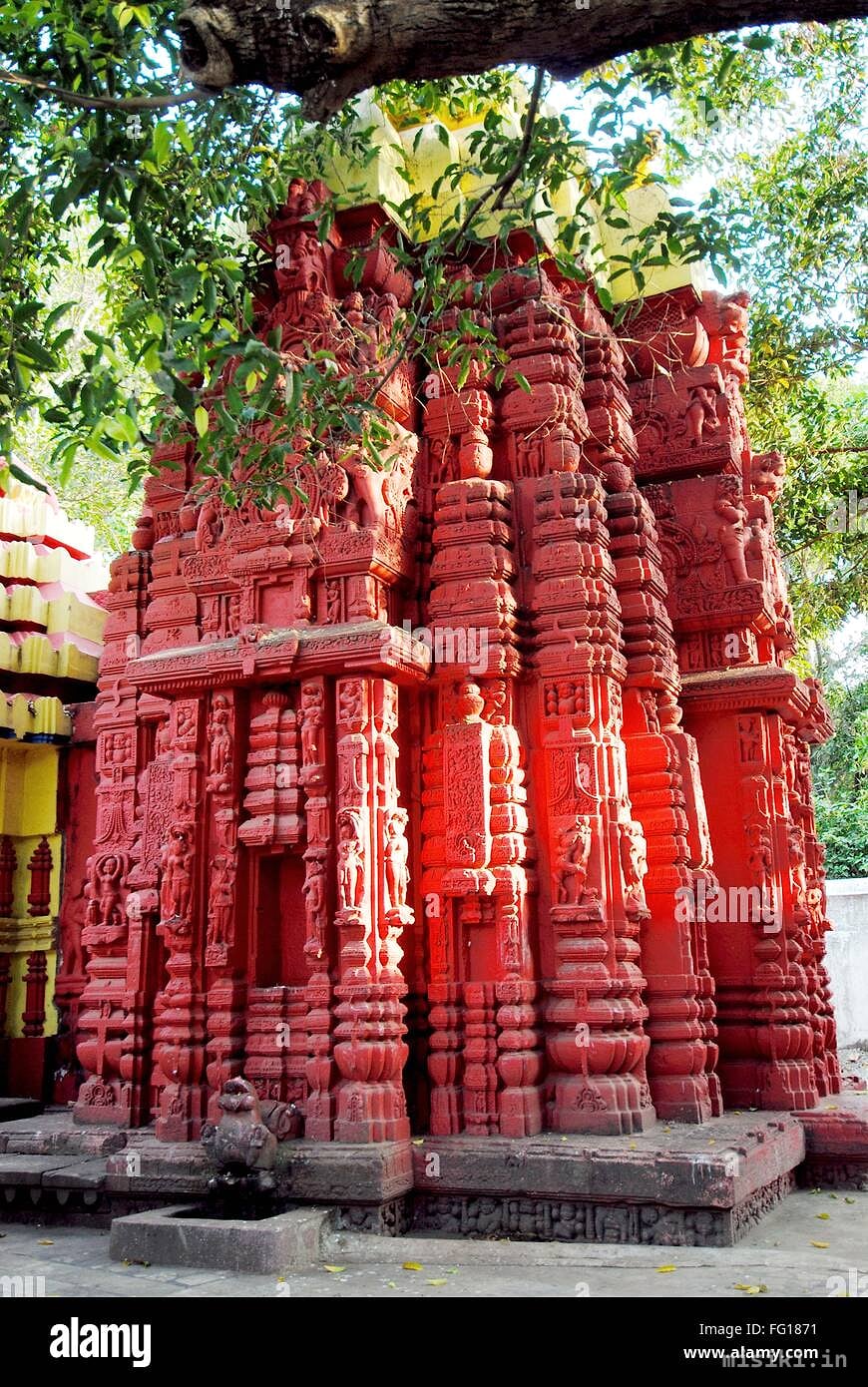
Bata Mahadeva is an ancient Shiva temple located in Bhubaneswar's historic Old Town near Bindusagar Lake, representing one of the city's oldest and most significant religious he…

Ladu Baba Temple
Ladu Baba Temple is a 13th-century Shiva shrine in Bhubaneswar, Odisha, formerly known as Kainchi Temple. It remains an active place of worship following traditional Shaivite pr…
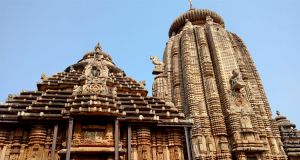
Ananta Basudeva Temple
Ananta Basudeva Temple is a 13th-century Vaishnavite shrine in Bhubaneswar dedicated to Lord Krishna, Lord Balarama, and Goddess Subhadra, renowned for its Kalinga architecture…
Paschimesvara Siva Temple
The Paschimesvara Siva Temple in Bhubaneswar dates to the 8th century AD during the Bhaumakara period. Though its superstructure has collapsed, the lingam remains visible and wo…
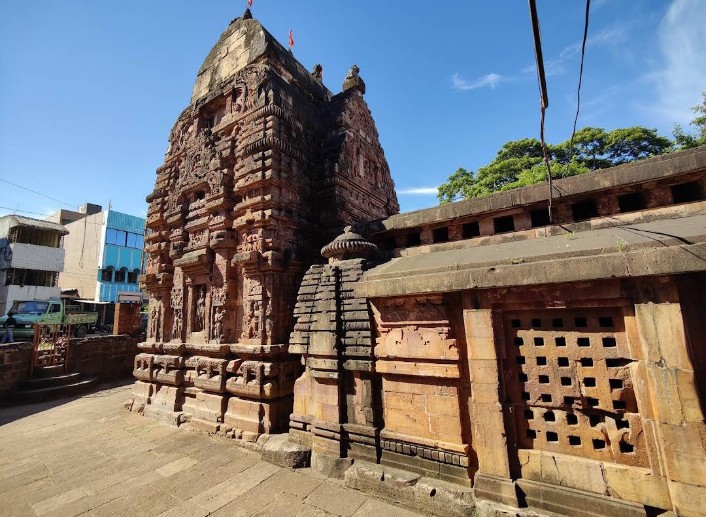
Baitala Deula
Baitala Deula, an 8th-century temple in Bhubaneswar, enshrines Goddess Chamunda in her fierce tantric form. Distinguished by its Khakara architectural style and three symbolic s…
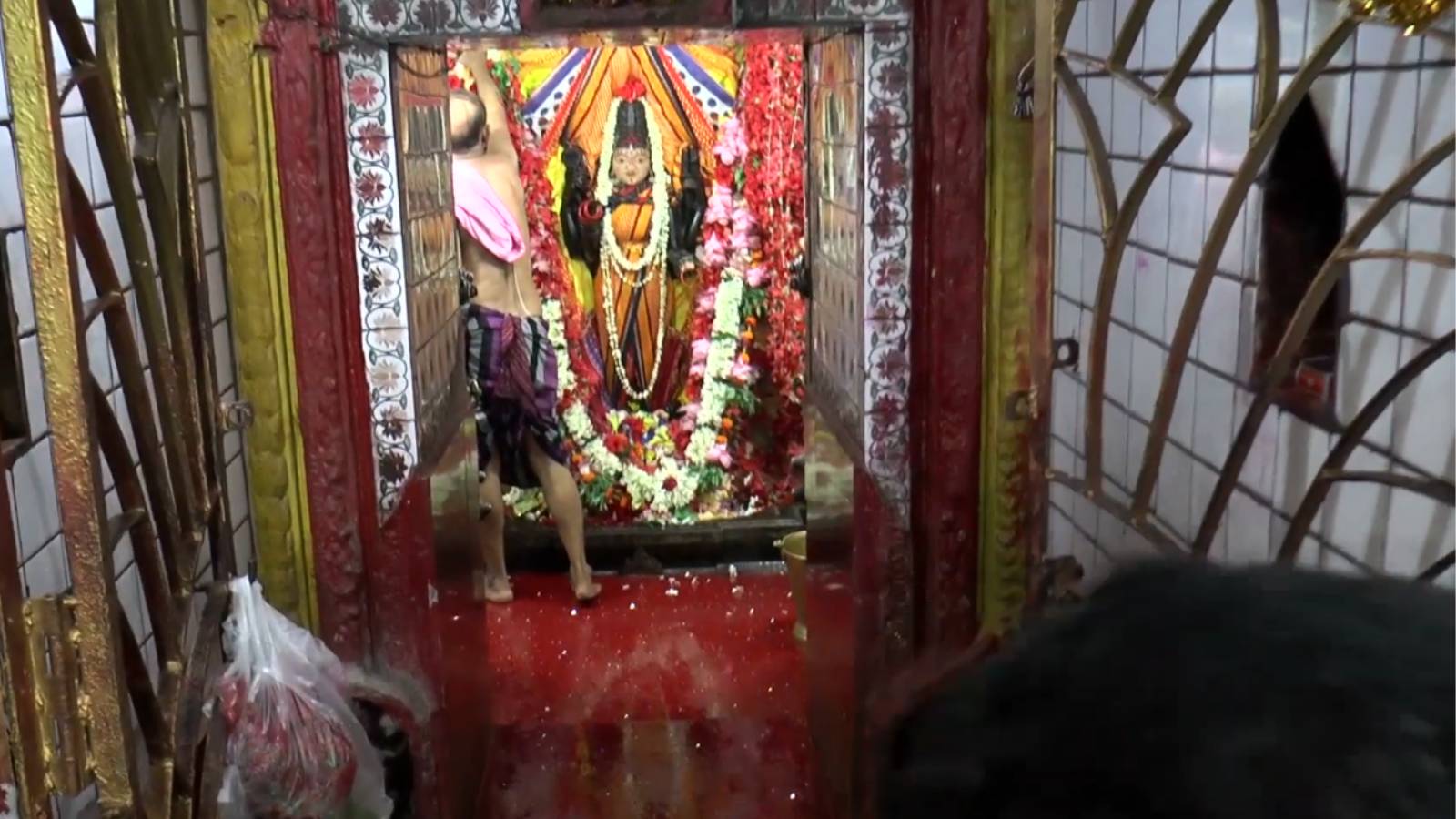
Gauri temple
Gauri Temple in Bhubaneswar is a sacred shrine dedicated to Goddess Parvati, located near Bindu Sagar Pond in the Old Town. The temple is renowned for blessings related to love…