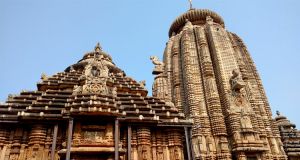


Ananta Basudeva Temple
About Ananta Basudeva Temple
Queen Chandrika Devi of the Eastern Ganga dynasty established this temple in the 13th century, though worship at the site may have preceded the structure itself—an idol of Lord Vishnu is believed to have been venerated there before the temple's construction. The shrine underwent significant renovation in the late 17th century under Maratha rule, when their authority extended into Odisha.
The temple thus carries layers of history across medieval and early modern periods, with its current form reflecting both its original Ganga-era design and later restoration work.
Kalinga Architecture
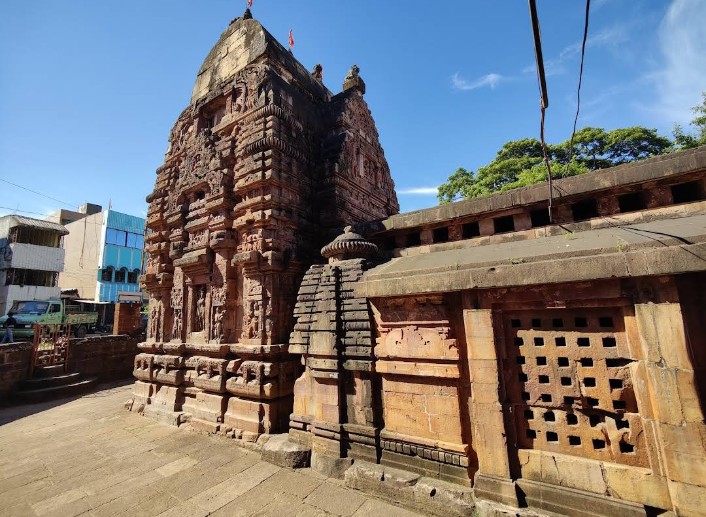
The temple exemplifies Kalinga architectural style, with particular attention to sculptural detail. Pillars and walls throughout the structure bear engravings depicting scenes from Vaishnavite scriptures. The gopuram (entrance tower) displays carved images of various deities and mythological narratives, while the long shikharas (spires) are similarly ornamented.
The main shrine divides into four functional sections: the sanctum housing the three primary idols, the Jagamohana (worship hall), the Bhogamandapa (offering hall), and the Natamandira (festival hall). This layout allows for distinct spaces dedicated to prayer, offerings, and celebration.
The Sacred Kitchen and Mahaprasad
A distinctive feature of Ananta Vasudeva Temple is its kitchen, where Mahaprasad—the temple's sacred food offering—is prepared using traditional methods. The food is cooked in earthen pots over firewood in earthen stoves, following practices that echo those of the Jagannath Temple in Puri. After being offered to the deities, the Mahaprasad is distributed to devotees at the adjoining Bhoga Bazaar, creating a communal aspect to worship that mirrors the spiritual atmosphere of Puri's Ananda Bazaar.
Festivals and Observances
Janmashtami, the birthday of Lord Krishna, is celebrated with particular significance at this temple. On this occasion, the shrine is decorated with flowers and lights, and devotional songs and prayer chants fill the premises. Thousands of devotees gather to worship Lord Krishna, offering milk, butter, sweets, curds, and flowers. The festival transforms the temple into a center of intense spiritual activity.
Rath Yatra, the chariot festival associated with Lord Jagannath, is also noted as an auspicious time to visit, reflecting the broader festival calendar observed across Odisha's Vaishnavite temples.
Visiting Information
The temple is open daily from 6:00 a.m. to 8:00 p.m., with no entry fee required. Early morning and late evening hours offer quieter conditions for worship and reflection. The temple's location in the Old Town makes it accessible to those exploring Bhubaneswar's historic sacred sites.
Visitors should observe standard temple etiquette: remove footwear before entering, dress modestly, and approach the sanctum with respect. As with most Hindu temples, menstruating women may be restricted from entering certain areas—check with temple staff upon arrival. Photography policies should be confirmed with temple authorities.
How to Reach
The temple is situated at Gouri Nagar in Bhubaneswar's Old Town, with coordinates 20.2405801, 85.8357258 for those using GPS navigation. It lies within walking distance of Bindu Sarovar and the Lingaraj Temple, allowing visitors to combine worship at multiple sites. Local auto-rickshaws and taxis can transport visitors from Bhubaneswar's main areas to this address.
How to reach


Temples near Ananta Basudeva Temple

Chitrakarini Temple
Chitrakarini Temple in Bhubaneswar is a serene spiritual sanctuary dedicated to Goddess Chitrakarini, featuring elegant architecture and intricate carvings that reflect centurie…
Suresvara Temple
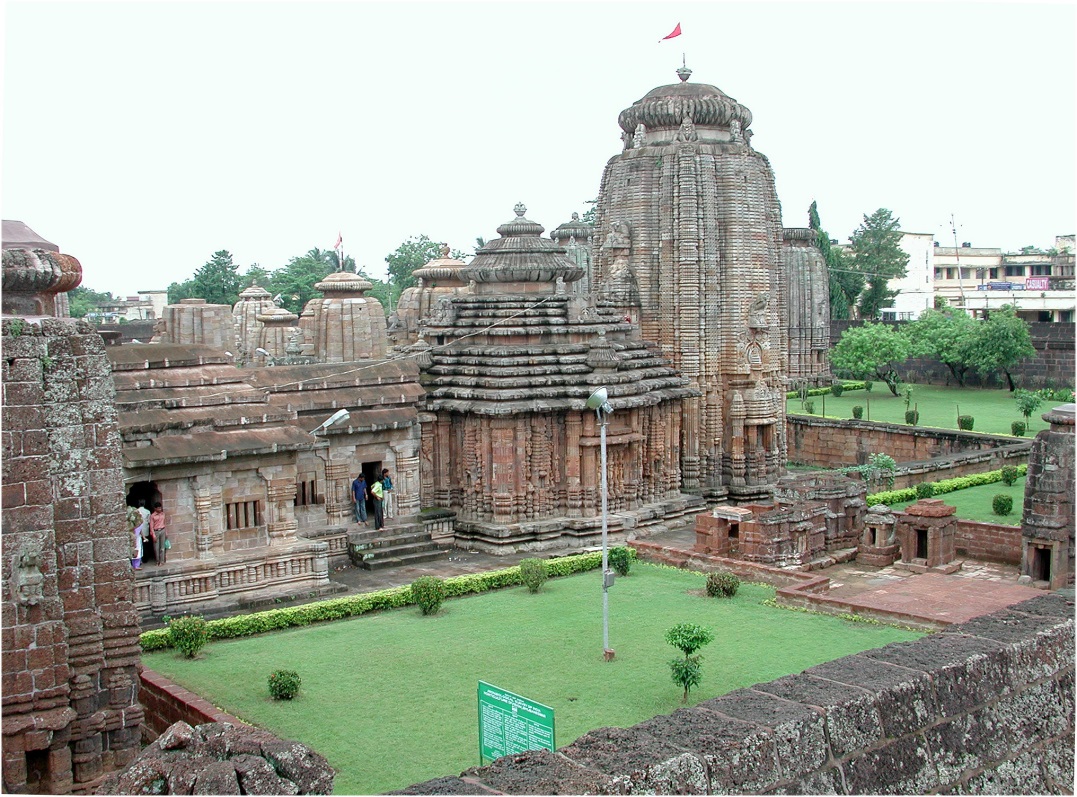
Suresvara Temple, also known as Byamokesvara Temple, is a 10th-century Shiva shrine located in the Tala bazaar market complex of Old Town Bhubaneswar. The temple houses a Shiva…
Bhimeswar Temple
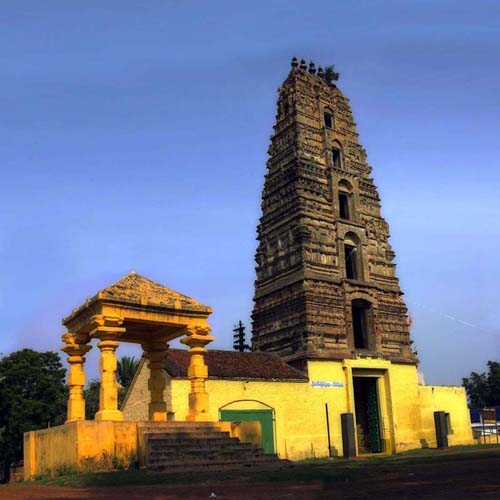
Bhimeshwar Temple, also known as Bibhisaneswar, is an ancient shrine dedicated to Lord Shiva located near Bhubaneswar. According to legend, Lord Rama visited this site after def…
Baitala Deula
Baitala Deula, an 8th-century temple in Bhubaneswar, enshrines Goddess Chamunda in her fierce tantric form. Distinguished by its Khakara architectural style and three symbolic s…

Ladu Baba Temple
Ladu Baba Temple is a 13th-century Shiva shrine in Bhubaneswar, Odisha, formerly known as Kainchi Temple. It remains an active place of worship following traditional Shaivite pr…
Gauri temple
Gauri Temple in Bhubaneswar is a sacred shrine dedicated to Goddess Parvati, located near Bindu Sagar Pond in the Old Town. The temple is renowned for blessings related to love…