
Paschimesvara Siva Temple
About Paschimesvara Siva Temple
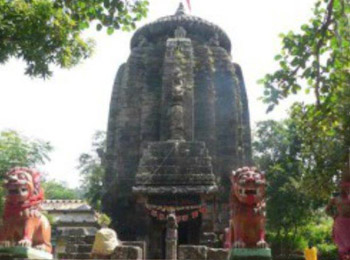
The temple was constructed using dry masonry techniques with sandstone and laterite blocks. A flight of steps leading westward from the lingam confirms that the shrine originally faced the west, an orientation now evident only through these architectural traces. The superstructure's collapse has left the temple in ruins, yet the surviving detached sculptures provide valuable evidence of its artistic merit and the skill of its craftsmen.
Four principal sculptures remain on the northern side of the ruins. A four-armed Parvati holds a rosary in her upper right hand and a nagapasa (serpent noose) in her upper left, flanked at the base by two female attendants and animals, with flying vidyadhara figures carrying garlands above. A four-armed Ganesha sits on a decorated pedestal supported by an atlantad gana, holding a parsu in his upper left hand and a modaka patra in his lower left, with a rosary in his upper right hand; the missing mouse mount suggests a date in the 7th or 8th century. A two-armed Kartikeya appears seated on a peacock in lalitasana pose. A four-armed Narasimha in fierce form stands on a decorated pedestal, though weathering has obscured many details. These sculptures, though damaged by time and exposure, testify to the temple's former grandeur and the regional sculptural traditions of the Bhaumakara era.
Visiting the Temple
The temple is open daily from 06:00 to 21:00. Photography is not permitted within the shrine. Visitors should approach the ruins with respect and care, as the site consists of fallen stones and archaeological remains rather than a fully standing structure. Modest dress is appropriate when visiting any Hindu temple; loose, covered clothing is customary. The temple's location in the Old Town of Bhubaneswar places it within walking distance of other significant religious sites, making it possible to visit multiple shrines in a single outing.
The site can be visited throughout the year, though the cooler months from October to February offer more comfortable conditions for exploring outdoor ruins. The lingam remains the focal point for worship, and devotees may offer prayers at the site despite its ruined state.
Getting There
The Paschimesvara Siva Temple is situated in the Badu Sahi locality within Bhubaneswar's Old Town. The temple city of Bhubaneswar is well connected by road and rail. Local transportation within the city—including auto-rickshaws and taxis—can bring visitors to the Old Town area. The precise coordinates (20.24611111, 85.83388889) may assist those using GPS navigation. Inquiring locally for directions to Badu Sahi will help orient visitors to this historic quarter.
The Sacred Precinct
The temple exists within a living religious landscape rather than in isolation. The proximity of the Markendesvara Siva Temple and Akhdachandi shrine, along with the sacred waters of Bindusagar Lake, creates a concentrated zone of worship that has endured for over a millennium. Modern residential buildings now surround the ruins, reflecting how ancient sacred sites have been absorbed into the fabric of contemporary urban life. This juxtaposition of the archaeological and the everyday is characteristic of many of Bhubaneswar's oldest temples, where devotion continues amid historical layers.
How to reach

Temples near Paschimesvara Siva Temple

Ladu Baba Temple
Ladu Baba Temple is a 13th-century Shiva shrine in Bhubaneswar, Odisha, formerly known as Kainchi Temple. It remains an active place of worship following traditional Shaivite pr…
Bata Mahadeva temple
Bata Mahadeva is an ancient Shiva temple located in Bhubaneswar's historic Old Town near Bindusagar Lake, representing one of the city's oldest and most significant religious he…
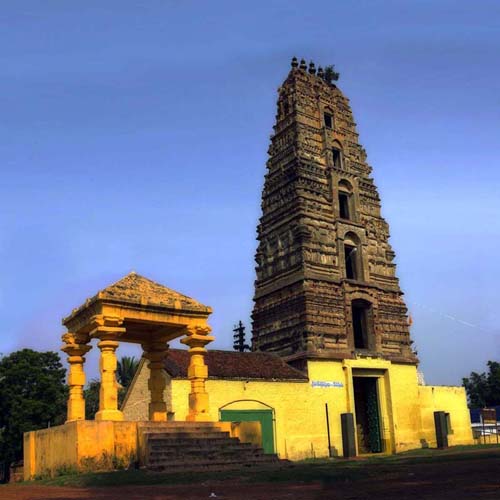
Bhimeswar Temple
Bhimeshwar Temple, also known as Bibhisaneswar, is an ancient shrine dedicated to Lord Shiva located near Bhubaneswar. According to legend, Lord Rama visited this site after def…
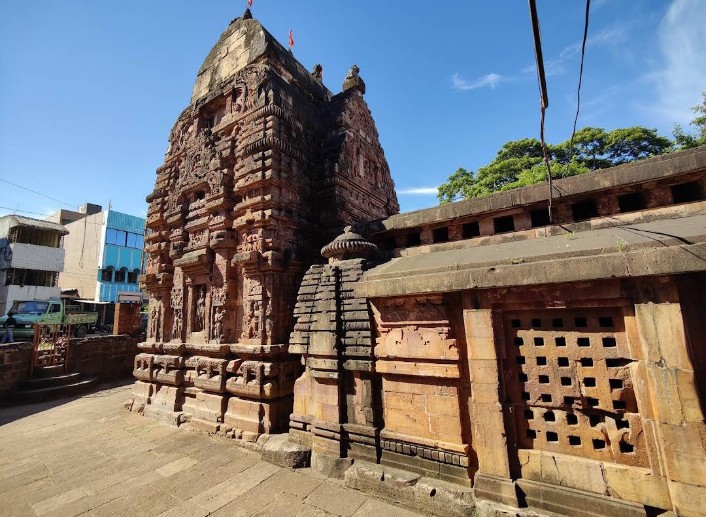
Baitala Deula
Baitala Deula, an 8th-century temple in Bhubaneswar, enshrines Goddess Chamunda in her fierce tantric form. Distinguished by its Khakara architectural style and three symbolic s…
Ananta Basudeva Temple
Ananta Basudeva Temple is a 13th-century Vaishnavite shrine in Bhubaneswar dedicated to Lord Krishna, Lord Balarama, and Goddess Subhadra, renowned for its Kalinga architecture…

Chitrakarini Temple
Chitrakarini Temple in Bhubaneswar is a serene spiritual sanctuary dedicated to Goddess Chitrakarini, featuring elegant architecture and intricate carvings that reflect centurie…