Bargabhima Temple
About Bargabhima Temple
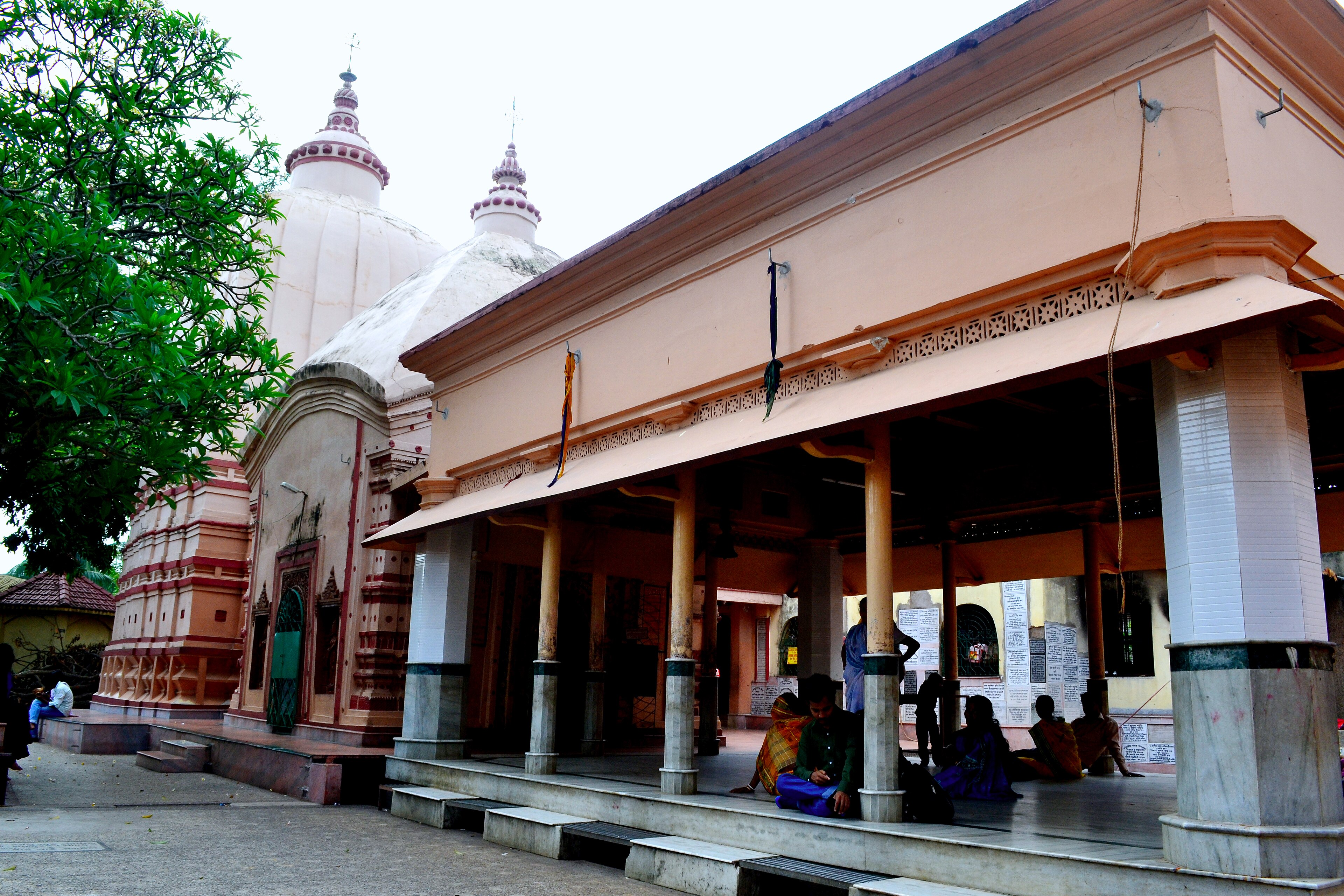
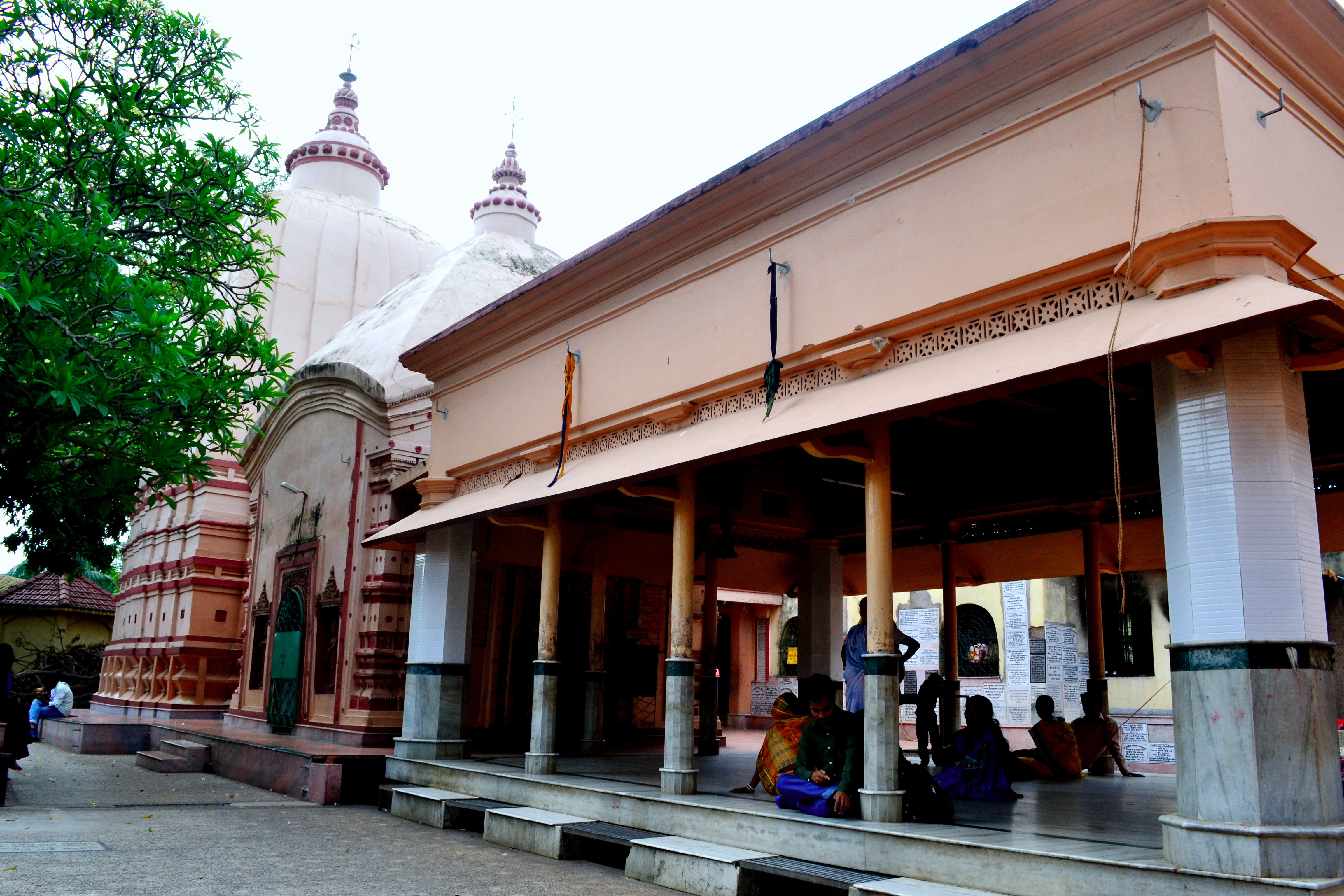
The temple's history extends back to the 12th century, though its exact architectural form has changed over time. Local tradition associates the site with the Mahabharata, naming it as a place connected to Bhima. The current structure was rebuilt following the Islamic occupation of Bengal in the Middle Ages, meaning the temple visitors see today represents a reconstruction rather than an unbroken original edifice.
The temple embodies a distinctive blend of Bengali Hindu and Buddhist cultural influences, visible in its architectural character. This fusion reflects the region's complex religious history and the layered traditions that have shaped worship practices here. The Government of West Bengal has recognized the temple's heritage value by designating it as an official heritage site.
Location and Access
Bargabhima Temple is situated in Tamluk, a town in Purba Medinipur district in West Bengal. The shrine stands near the River Roopnarayana, positioning it within the natural landscape that has framed its spiritual significance. The temple was constructed by the Tamluk Raj family, who played a role in its establishment and maintenance.
The precise coordinates are 22.29002222222222, 87.92385277777778, which visitors can use for navigation. Tamluk is accessible by road from Kolkata and other major towns in the region. Visitors should plan their journey in advance, as the temple's location in a smaller town means transport options may be more limited than in larger cities.
Darshan Hours and Visiting Practices
The temple opens for darshan in two sessions: morning hours from 07:00 to 13:30, and evening hours from 15:30 to 19:30. Devotees should plan their visit within these windows. As with most Hindu temples, visitors are expected to remove footwear before entering the sanctum and to maintain respectful conduct throughout the premises. Modest dress is customary; women typically wear salwar kameez, sarees, or equivalent modest clothing, while men wear simple attire without sleeveless shirts in the inner sanctum.
Temples dedicated to Kali traditionally welcome devotees seeking her protective and transformative blessings. Visitors may offer flowers, incense, or other permitted offerings as part of their worship. It is advisable to check with temple staff regarding specific protocols for offerings or rituals one wishes to perform.
Festivals and Auspicious Seasons
The temple observes major festivals significant to Shakti worship. Kali Puja, Durga Puja, and Diwali are noted as particularly important times to visit, when the temple hosts special observances and draws large numbers of devotees. These seasons offer visitors the opportunity to experience the temple's ritual life at its most vibrant, though crowds will be substantial.
Beyond these major festivals, the temple functions as an active place of worship throughout the year. Devotees visit regularly to seek the goddess's blessings and to perform personal pujas and vows.
Historical Significance and Modern Recognition
The temple gained additional historical resonance through its association with India's independence movement. Khudiram Bose, a notable freedom fighter from the Midnapore region, was known to visit the temple for worship. This connection links the shrine to the broader struggle for Indian independence and reflects how sacred spaces often intersected with the lives of those who reshaped the nation.
The temple's designation as a heritage site acknowledges both its antiquity and its cultural importance to West Bengal. For visitors interested in the intersection of spirituality, history, and regional identity, Bargabhima Temple offers a window into how these dimensions have woven together in Bengal's religious landscape.
How to reach
Temples near Bargabhima Temple
Madangopal Jiu Temple
Madangopal Jiu Temple is a Hindu shrine in Mellak village, Howrah district, West Bengal, established in 1651 and open continuously for worship.

Bhavatarini Shmashanpith Kali Temple
Bhavatarini Shmashanpith Kali Temple, established in 1855, is a revered shrine dedicated to Bhavatarini Kali on the eastern bank of the Kangsabati River in West Bengal. The temp…
Rasmancha of Shridharjiu temple
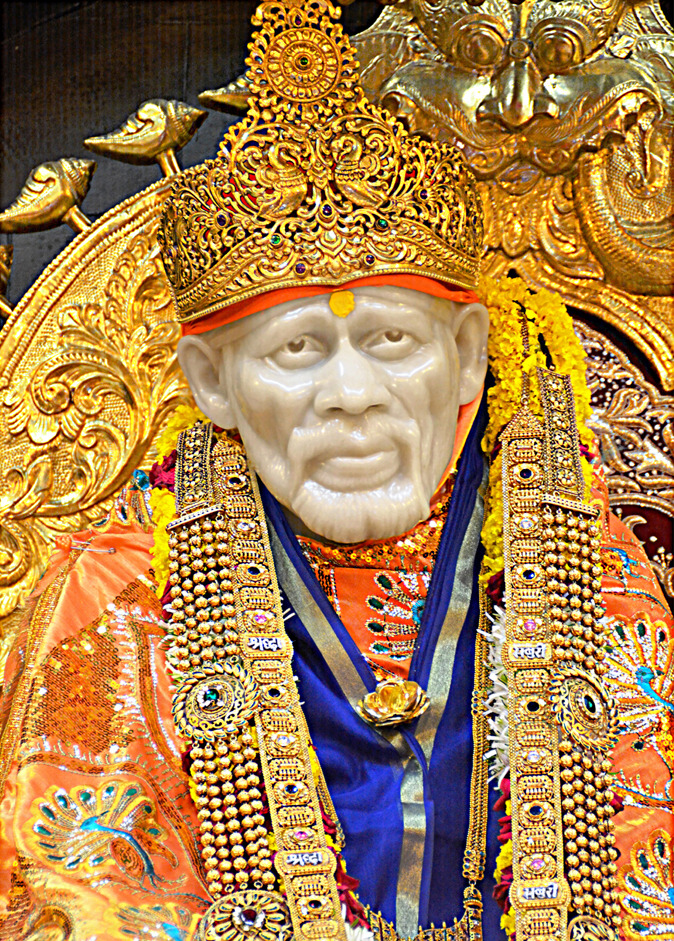
The Samadhi Mandir of Shri Sai Baba in Shirdi is a white-marble shrine built in 1922 over the resting place of the revered saint who lived in the village for sixty years. The te…
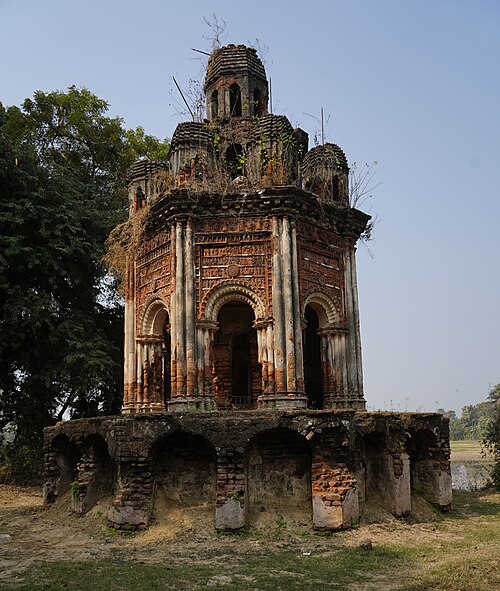
Rasmancha of Radhamadhab temple of Mailty family
An octagonal rasmancha (dance pavilion) dedicated to Radha Madhab, this structure belongs to the Mailty family and stands in Manglai Shyamballavpur within Panskura block.
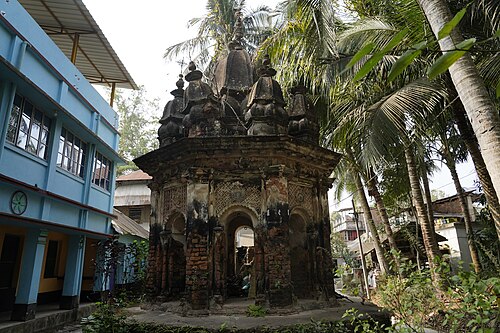
Rasmancha of Shridharjiu temple of Hazra family
The Rasmancha of Shridharjiu temple is a traditional performance stage maintained by the Hazra family in Daspur I block, Ghatal subdivision, West Bengal, believed to have been u…
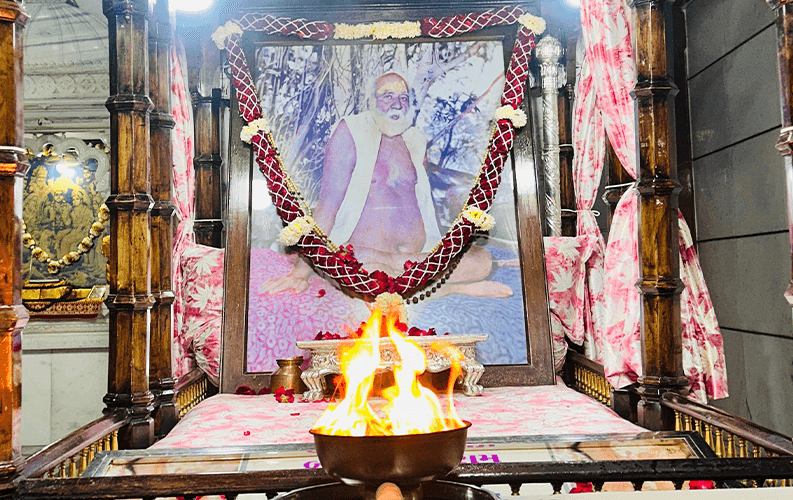
Rasmancha of Sitaram temple of Bera family
A historic rasmancha (performance stage) dedicated to Lord Rama, built by the Bera family in 19th-century Bengal. This traditional structure serves as a venue for Krishna devoti…